
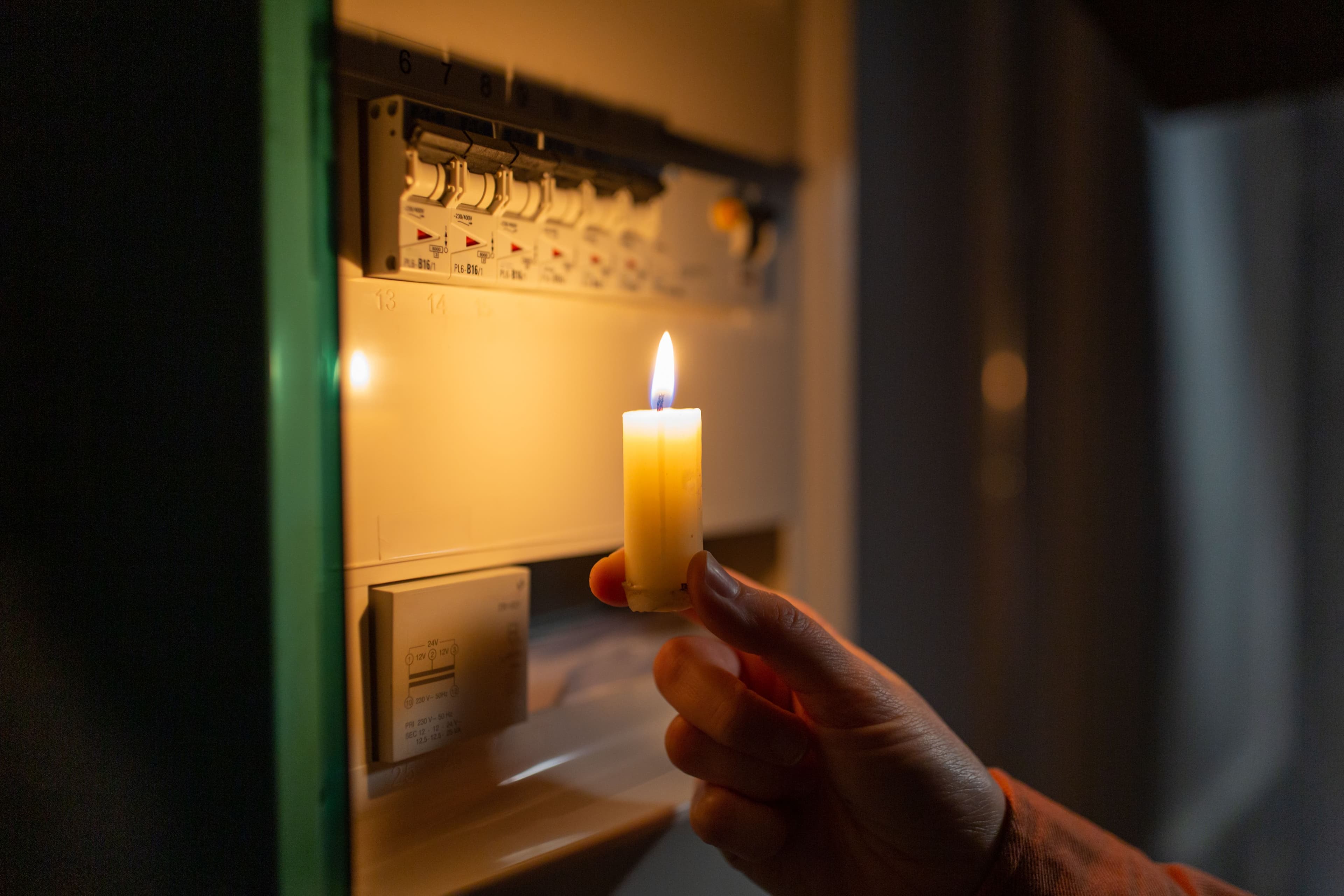
UPS units: why blackout preparedness goes beyond summer
UPS units: why blackout preparedness goes beyond summer
Dicas para Síndicos e PMES
 24/02/2026
 5 min
5 minBrazilian summer is synonymous with heavy rain and storms, especially along the coast and in urban areas, which increases the likelihood of blackouts and fluctuations in the power grid. For condominiums, these interruptions go beyond mere inconvenience: they can compromise security systems, automatic gates, emergency lighting, sensitive IT equipment and even equipment essential to residents' health. Preparing for blackouts is therefore a central and essential part of modern building management, and uninterruptible power supplies (UPS) — also known as no-breaks — are indispensable tools in this strategy. They provide continuous power when the utility fails, protecting critical functions and preventing equipment damage, data loss or security risks.
This complete guide explores what UPS units are, why they matter in preparing condominiums for blackouts, how to choose the right model, how to maintain them and how to integrate them into the building's overall energy planning, including clean energy solutions such as those from NewSun.
What UPS units are and how they work
UPS units are devices that provide uninterrupted power to equipment when the mains supply fails. They work by storing energy in internal batteries and automatically switching to this backup power when a blackout occurs, with a transition so fast that most equipment does not notice any interruption. It is the equivalent of a portable phone charger, but for an entire condominium.
There are three main categories of UPS units:
Offline (Standby) – The simplest and most economical form of uninterruptible power system. In these models, utility power feeds the equipment directly while the grid is stable, and the internal battery is only activated when a blackout occurs. This switchover happens in fractions of a second, which is enough to keep non-critical loads running during short interruptions, but may not be ideal for sensitive electronic equipment requiring an absolutely instantaneous transition. Despite this limitation, offline UPS units are useful in situations where the main goal is to guarantee minimal autonomy for systems such as routers or small administrative hubs in condominiums.
Line-interactive – A step beyond standby technology, offering additional protection against voltage fluctuations even before the battery kicks in. They incorporate an automatic voltage regulator (AVR) that corrects sags and surges without immediately drawing on the battery, which conserves charge and improves efficiency. This feature makes line-interactive UPS units a balanced choice for common areas of a condominium with moderate loads, such as access-control panels, emergency lighting and less sensitive surveillance systems, offering intermediate protection between basic and more robust models.
Online (Double conversion) – Offer the highest power quality and are recommended whenever absolute continuity and power stability are critical. In this type, mains power is first converted to direct current and then back to alternating current, completely isolating the load from grid fluctuations and virtually eliminating any transition time during blackouts. This technology is especially suited to protecting essential systems in condominiums — such as electronic security control rooms, servers and IT equipment — as it guarantees clean, stable power even during voltage fluctuations or a total grid failure.
The main advantage of a UPS is the near-instantaneous transition from mains power to the internal batteries, avoiding drops that could abruptly shut down equipment and cause data loss, system corruption or equipment damage.
Why UPS units are essential for blackout preparedness in condominiums
In condominiums, several functions depend on a continuous power supply:
Electronic security, including cameras, alarms and access control;
Emergency lighting in corridors, car parks and common areas;
Automatic gates and electronic intercoms;
Administration and IT systems, such as servers and local networks;
Water pumps and circulation that keep reservoirs and hydraulic systems running;
Equipment essential to residents' health and life, such as sleep apnoea machines, vital-sign monitors and even refrigerators storing important medication.
Without a UPS, a blackout can interrupt the operation of these functions for minutes or hours, with consequences ranging from simple inconvenience to risky situations (especially on poorly lit stairways or with deactivated security systems). Installing UPS units as part of blackout preparedness helps keep these systems running even when power goes down, buying time for secondary sources, such as generators, to take over or for the utility's power to be restored.
Are UPS units the same as generators? Understanding the differences, similarities and applications
When a blackout hits a condominium during a summer storm or at any other time of year, the question many building managers and residents ask is simple: are UPS units the same as generators? The short answer is: no — although both types of equipment share the same ultimate goal (keeping the power on when the grid fails), they work in different ways, meet different needs and form part of complementary blackout-preparedness strategies.
Understanding these differences is crucial for anyone planning electrical infrastructure, especially in buildings that rely on security systems, emergency lighting, automatic gates, communication networks and sensitive equipment that cannot tolerate power drops. In this article, we explore in detail the characteristics of UPS units and generators, their similarities, differences, recommended uses and how to integrate them intelligently into a condominium's energy planning.
Are generators the same as UPS units?

No. Generators are machines that generate power by means of an engine (usually running on diesel, petrol or gas combustion) and can sustain electrical loads for longer periods, provided there is enough fuel. They do not kick in as instantaneously as UPS units, since they need time to start up and stabilise electricity production.
Similarities between UPS units and generators
Despite working in different ways, UPS units and generators have overlapping purposes in the context of blackout preparedness:
Both act as secondary power sources when the main supply fails.
They are used to prevent interruptions to critical systems, such as electronic security, emergency lighting and access control.
They can be integrated into comprehensive power-continuity plans for condominiums and residential buildings.
Integrating these two systems is common in locations that cannot afford any power interruption: the UPS “holds” the load while the generator comes into operation, forming a complementary system that maximises reliability.
Fundamental differences between UPS units and generators
Response time
The main difference between UPS units and generators lies in their response time when a blackout occurs.
UPS units activate their batteries and begin supplying power instantaneously — within milliseconds, which directly protects sensitive equipment from abrupt power loss. Generators, on the other hand, take seconds or even minutes to start up, time during which a UPS can keep the critical load running.
Duration of backup power
UPS units have limited autonomy: they sustain power for a period ranging from a few minutes to a few hours — generally long enough for utility power to return or for a generator to take over. Generators, in turn, can produce power for hours, days or weeks, depending on the fuel supply.
Capacity and applications
UPS units are suited to loads that cannot be switched off instantaneously — such as servers, camera systems, access controls and critical lighting — and provide clean, stable power with minimal fluctuation. Generators are better suited to larger loads or entire condominium systems (such as water pumps, lifts and all lighting), especially when a prolonged blackout is expected.
Cost and maintenance
UPS units require simpler maintenance — mainly related to batteries, which need to be periodically tested and replaced. Generators require more complex maintenance (oil changes, filters, engine checks) and have ongoing operating costs, such as fuel.
Noise and environmental impact
UPS units run silently and emit no pollutants. Generators, especially those powered by fossil fuels, produce noise and emissions that can be undesirable in residential settings, requiring attention to ventilation and physical placement.
Recommended uses for UPS units
UPS units are ideal for situations where:
An instantaneous transition with no interruption whatsoever is required — such as in security, IT or communication systems.
There are sensitive loads that could be damaged by power drops or fluctuations, such as computers or delicate electronic equipment.
Power input and output conditions require constant filtering and stabilisation, reducing the risk of long-term damage.
In a condominium context, UPS units protect essential equipment particularly in security areas (CCTV), electronic entry systems and emergency lighting, keeping them operational even during brief blackouts.
Recommended uses for generators
Generators are recommended when:
There is a need to guarantee power over long periods, such as during prolonged blackouts or in areas prone to frequent power instability.
The condominium needs to keep not only critical systems running, but also larger loads, such as pumps, lifts or HVAC systems (central air conditioning).
The infrastructure requires backup capable of supplying virtually the entire electrical demand for hours or days.
In these cases, a properly sized generator keeps the condominium fully operational until utility power is restored — or for an indefinite period.
How to integrate UPS units and generators for effective blackout preparedness
Combining UPS units and generators is often the most complete solution for blackout preparedness in condominiums:
UPS units kick in immediately when the blackout occurs, keeping critical systems running without any loss of power.
Generators are activated shortly afterwards and take on the main load, sustaining power over longer periods.
The UPS units continue to serve as secondary protection, ensuring stability while the generator operates.
This arrangement is particularly common in buildings with a high dependence on continuous power, complex security systems and services that cannot afford any interruption.
Proven benefits of preventive UPS maintenance
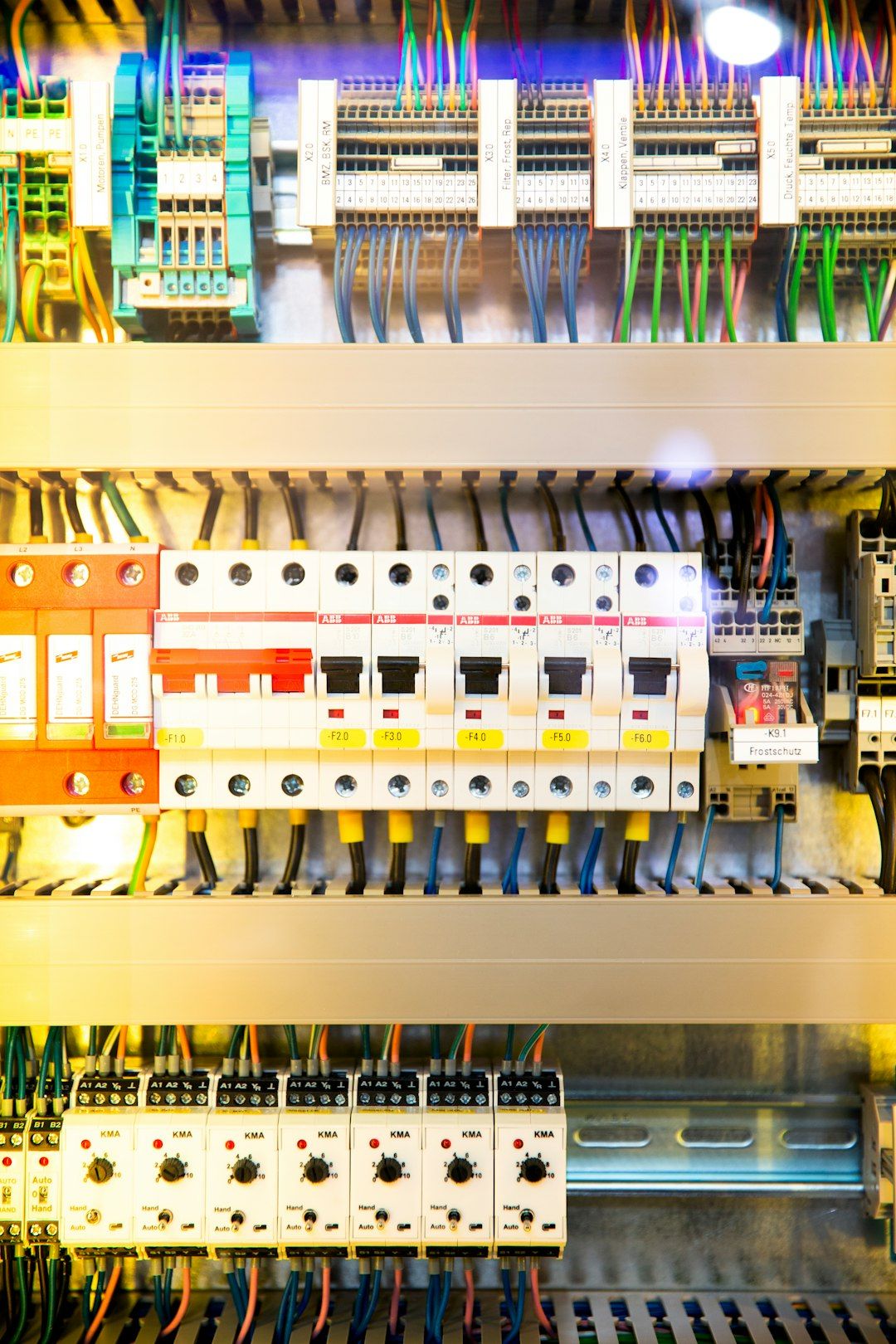
Having a UPS installed does not guarantee it will work whenever needed — preventive maintenance of this equipment is just as important. Technical data and practices from specialised suppliers show that an ongoing maintenance programme delivers concrete benefits:
1. Reliability and availability
Periodic inspections reduce the likelihood of failure at the critical moment. Systems without preventive maintenance can be nearly four times more likely to fail during a real need for backup power, since deteriorated components may not respond properly when the power fails.
2. Extended service life
Parts such as batteries, capacitors, fans and electronic connections have a limited service life. Regular reviews help identify and replace worn parts before they cause a total system failure, preserving the value of the investment and reducing the need for early replacements.
3. Reduced emergency costs
Preventive maintenance helps avoid the high costs of corrective repairs or full UPS replacements after unexpected failures. Formal maintenance plans with regular contracts turn unpredictable costs into planned, controlled expenses.
4. Early problem detection
A regular maintenance programme can identify hidden problems that have not yet caused failures, such as corroded connections, underperforming batteries or insufficient ventilation — before a blackout reveals the problem in a critical moment.
5. Better performance and efficiency
Properly maintained UPS units operate at optimal efficiency, reducing waste and ensuring that backup power is available at its rated capacity.
Companies offering UPS maintenance point out that regular preventive reviews (including visual inspections, autonomy tests and internal cleaning) maximise system reliability and reduce the risk of failure at the exact moment backup power is most needed.
UPS maintenance schedule for condominiums
A well-defined maintenance schedule helps organise preventive actions and track equipment condition over time:
Monthly visual inspections: checking for loose cables, signs of overheating, corrosion on connections and cleaning external parts.
Quarterly autonomy tests: simulating blackouts to check whether the UPS actually keeps equipment running and whether battery time meets expectations.
Half-yearly checks: checking input/output voltage, internal inspection, cleaning fans and filters, and reviewing management firmware/software.
Complete annual maintenance: a detailed review of electronic components, transfer tests and preventive replacement of critical parts, such as batteries nearing the end of their service life.
Recording each action in a maintenance log helps the building manager track the health of the UPS units and justify investment in replacements or upgrades at owners' meetings.
Proper installation and integration with the condominium's electrical systems
Installing UPS units is not simply a matter of “plugging into the wall”: it involves integrating the uninterruptible power system with the main electrical panel and the loads that matter most for safety and operational continuity. The ideal process includes:
Critical load assessment: identifying which systems and areas require immediate backup during a blackout, such as CCTV, automatic gates and emergency lighting.
Correct UPS sizing: choosing equipment with adequate capacity (in VA or Watts) to handle the critical load without overloading.
Switchover tests: ensuring that, when a blackout occurs, the UPS kicks in with no noticeable interruption.
Earthing and electrical protection: ensuring the UPS is properly earthed and protected against surges and voltage spikes.
Connection to existing systems: integrating UPS units with monitoring systems, alarms and, in some cases, generators for prolonged blackout situations.
Proper installation ensures the UPS effectively protects the most critical equipment during blackouts and grid failures.
Practical applications of UPS units in condominiums
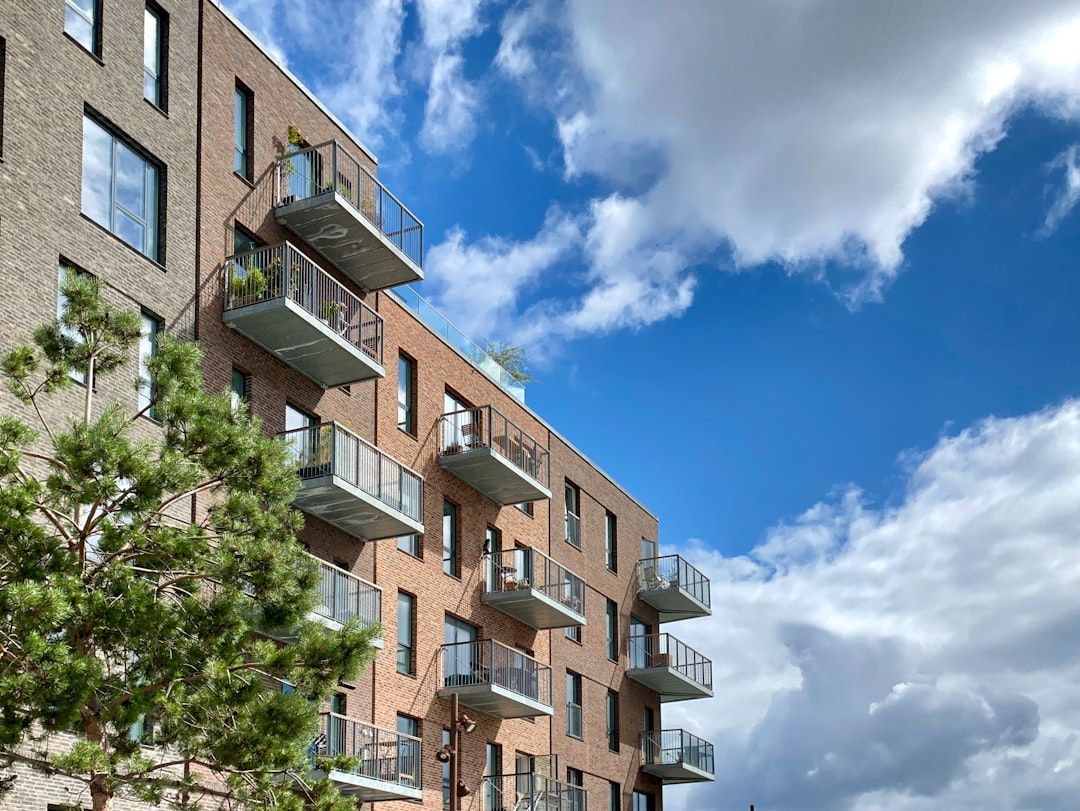
UPS units are not just for keeping the power on during blackouts; they have specific practical applications in condominium settings:
Electronic security
Surveillance cameras, sensors and access-control systems rely on a continuous power supply to record footage and prevent security breaches. A UPS ensures these systems keep operating even during a blackout.
Emergency lighting
Corridors, car parks and exit routes must remain lit for safety at any time the power is out. UPS units can keep these areas lit for a period, preventing accidents.
Automatic gates and intercoms
In many situations, residents need to enter or leave the condominium during a blackout. UPS units can ensure automatic gates and intercoms keep working, maintaining accessibility and security.
Administrative and IT systems
Administrative offices, management systems and internal networks can benefit from UPS units that prevent data loss or critical interruptions to administrative processes.
UPS sizing guide for condominiums
For a UPS to work properly in a condominium, it must be sized according to the actual load it needs to protect. This involves:
Surveying critical loads (in Watts or VA).
Safety margin (generally 20-30% above the estimated load).
Desired autonomy: how long the UPS should sustain power after a blackout (for example, 10, 20 or 30 minutes).
Battery capacity and the possibility of expansion with external batteries.
It is common to combine UPS units with generators: the UPS acts immediately at the start of the blackout and sustains the load until the generator comes into operation, avoiding transition failures.
How to integrate UPS units into the condominium's energy planning
The use of UPS units in condominiums should be part of a broader energy planning strategy, which takes into account:
Energy efficiency and reduced waste.
Alternative energy sources, such as solar panels, to reduce dependence on the grid.
Consumption monitoring to identify peaks and patterns that can be optimised.
Preventive maintenance contracts to ensure long-term reliability.
In this context, NewSun emerges as a strategic partner. NewSun offers clean, predictable energy solutions that allow the building manager to track spending through the client area and pay less on consumption, as well as shielding the condominium from tariff-band fluctuations, combining the use of sustainable energy with blackout preparedness and efficient management. Discover NewSun's solutions for condominiums.
UPS units are essential for blackout preparedness in condominiums, providing continuity of power, equipment protection and operational resilience. To fulfil this role well, it is crucial that they are properly sized, correctly installed and maintained with a rigorous preventive schedule. Integrating them into a broader energy plan — one that includes efficiency, consumption monitoring and alternative sources such as those from NewSun — makes the condominium safer, more sustainable and better prepared to face the challenges of blackouts, storms and grid fluctuations throughout the year.
You may also like
- Casos de Sucesso
 20/10/2026
 5m
5m - Dicas para Síndicos e PMES16/10/20265m
- Dicas para Síndicos e PMES13/10/20265m




Stop paying more for your energy bill
Find out in less than 1 minute how much you could save with clean energy every month — no works and no bureaucracy.
Join the energy revolution
Subscribe to our newsletter and receive exclusive content