Is it Allowed to Smoke in the Apartment Complex? Understand the Norms and Norms
Is it Allowed to Smoke in the Apartment Complex? Understand the Norms and Norms
Dicas para Síndicos e PMES
 24/08/2026
 5 min
5 minLiving in a block of flats brings dozens or even hundreds of families together, sharing entrances, communal facilities and the same building systems. Among the many issues faced by property managers and managing agents, smoking cigarettes, cigarillos, cigars and pipes, as well as using electronic cigarettes (vapes), is one of the most sensitive sources of complaints and friction between neighbours.
The central management dilemma lies in balancing the individual right to property (the freedom a unit owner has within their flat) and the collective right to health, sanitary conditions, safety and peace and quiet of the other residents. In addition to the nuisance caused by odour and smoke entering neighbouring units, the irresponsible disposal of lit cigarette butts creates genuine risks of fire, dirt in common areas and damage to property.
As the condominium market requires a professional and conciliatory approach, the key to managing this issue is not to persecute residents who smoke, but to establish clear, democratic rules, ongoing educational campaigns and technical mediation channels.
Common Areas: General Ban vs. Creating Designated Smoking Areas (Smoking Areas)
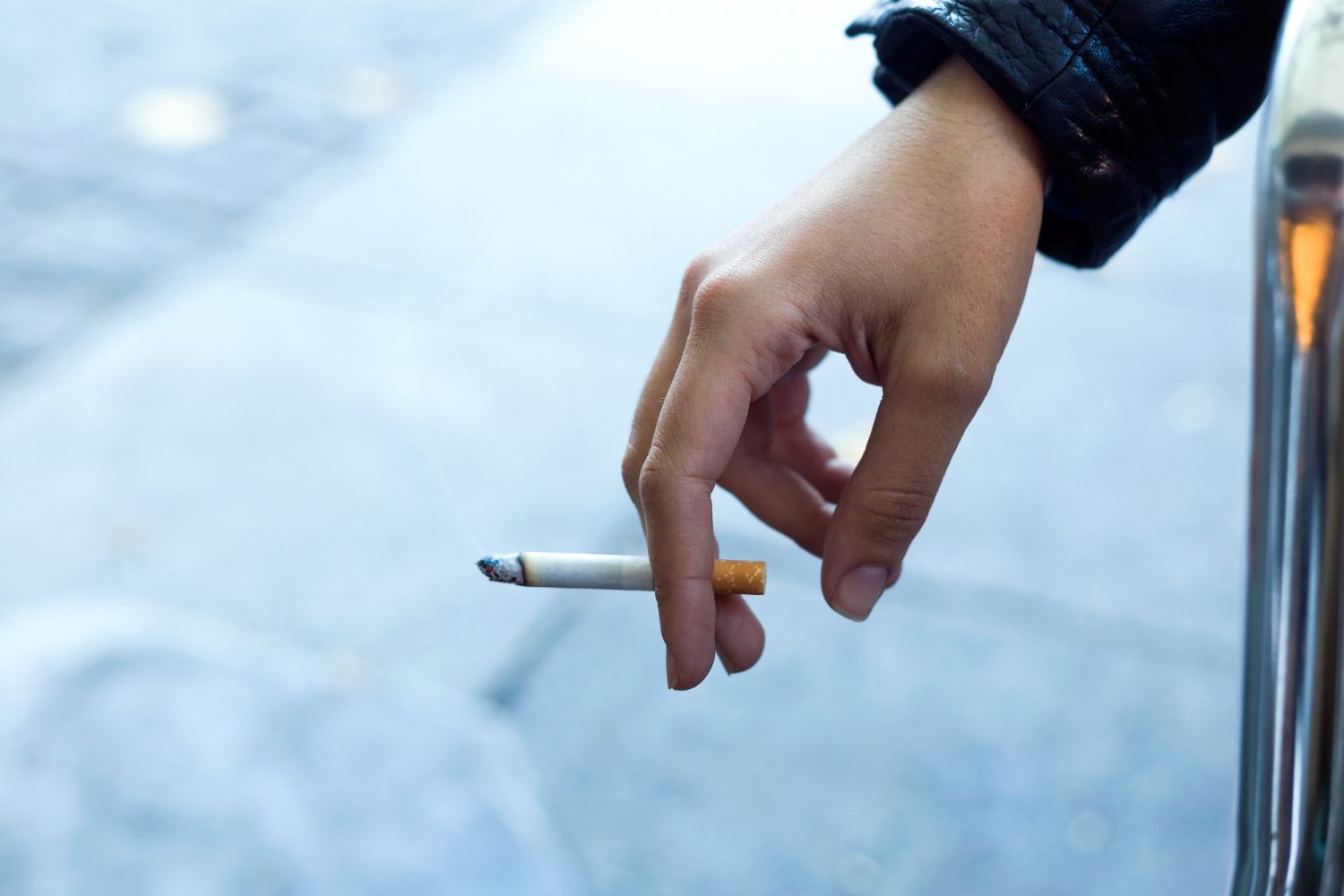
The first question many managers ask concerns the legal limits on where smoking is permitted or prohibited within a condominium.
What the Smoke-Free Law Says (Federal Law No. 12,546/2011)
Federal legislation is unequivocal: the use of any smoking product (whether or not derived from tobacco) is expressly prohibited in enclosed or partially enclosed collective premises, whether public or private.
Within a condominium, this legal prohibition mandatorily applies to:
Entrance halls, reception areas and waiting rooms.
Passenger and service lifts.
Floor corridors and emergency stairwells.
Covered or underground car parks.
Function rooms, gyms, saunas, games rooms and gourmet areas.
Areas beneath awnings, canopies or partial coverings.
Open, Uncovered Common Areas: Ban Everything or Create a Designated Space?
In open-air spaces — such as gardens, walkways, pool surrounds and playgrounds — Federal Law does not impose an automatic ban, leaving the decision to the Condominium Convention and Internal Regulations approved at a general meeting.
In light of this, management has two strategic options:
Option 1 — Total Ban in Common Areas:
The general meeting may approve a smoking ban in 100% of the common areas, including uncovered ones. This measure is particularly recommended near children’s areas (playgrounds and outdoor playrooms) and sports areas, protecting children’s health and preventing accidental burning of sun loungers and lawns. In this case, a resident wishing to smoke outside their unit will need to go to the pavement outside the condominium.Option 2 — Creation of an Exclusive Space (Open-Air Smoking Area):
In developments covering a large area or resort-style condominiums, reaching the street may be a long way or unsafe at night. At a general meeting, the condominium may decide to create a specific open-air social area, strategically located away from flat windows, air intakes, children’s play equipment and pedestrian routes. This space should be fitted with flame-resistant metal or sand ashtrays and suitable bins, directing smokers to a safe, controlled location.
The Danger of Cigarette Butts: Cleaning, Fire Prevention and Enforcement of Penalties
The improper disposal of cigarette remnants is not merely a matter of appearance and urban cleanliness; it is a serious threat to fire safety.
The Risks of Throwing Cigarette Butts from Windows and Balconies
One of the most dangerous habits recorded in high-rise condominiums is throwing cigarette butts from windows or balconies. This irresponsible act may cause:
Fires in lower units: The wind may carry the glowing end into a lower-floor neighbour’s balcony, where it can reach curtains, upholstery, rugs or safety netting.
Damage to common areas: Burns to polycarbonate awnings, canvas coverings, artificial grass and pool furniture.
Injuries to pedestrians: A falling ember may strike residents, employees or pets moving around at ground level.
Rules, Monitoring and the Imposition of Fines
Article 1,336, IV, of the Brazilian Civil Code establishes every unit owner’s duty not to impair the peace, sanitary conditions or safety of other occupants. In addition, Article 938 of the same Code makes the building’s occupant liable for objects that fall from it or are thrown from it into an improper place.
To curb this practice with legal support and without overstepping legal boundaries:
Explicit Rules in the Internal Regulations: The internal rules should classify throwing cigarette butts or rubbish from windows as a very serious breach, with provision for immediate sanctions.
Recording Evidence and Images: Identifying the unit from which the cigarette was thrown requires care. The condominium should use footage from external security cameras (CCTV directed at the façades), photographs of material damage and written witness statements.
Graduated Penalties: Except in cases of imminent danger or persistent repeat offending (where a fine may be imposed directly if the convention permits), the administrative procedure should begin with a formal written notice/warning, followed by a progressive fine if the conduct is repeated.
Smoke and Odour Between Units: How to Mediate Neighbour Disputes with Empathy and Expertise
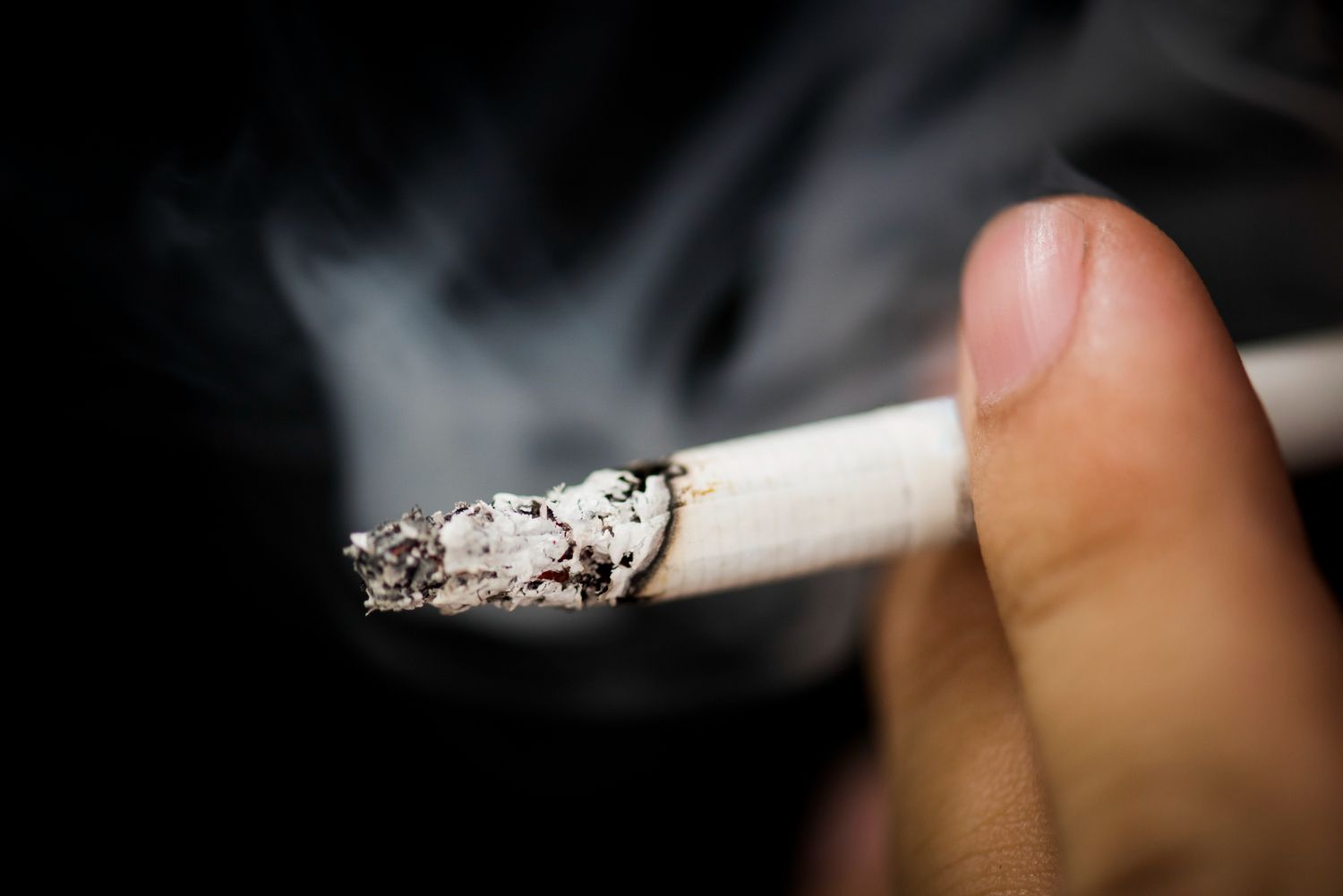
Smoke leaving one flat’s balcony and entering directly through the upstairs neighbour’s window is one of the most complex situations in condominium management.
On the one hand, residents have the right to use their private unit; on the other, that right ends when it intrudes into someone else’s space and compromises the health of elderly neighbours, children or people with chronic respiratory conditions.
The Condominium Manager’s Role: Neutral Mediator
Many condominium managers make the mistake of immediately taking sides or, at the opposite extreme, washing their hands of the matter by saying that “a problem between units is not the condominium’s concern”. Brazilian case law (with established decisions in state courts) recognises that management has a duty to act when repeated nuisance affects the building’s good-neighbour rules and sanitary conditions.
The recommended approach involves structured stages:
Step 1: Informal Dialogue and Awareness: In many cases, the resident who smokes simply does not realise that the airflow carries all the smoke into the neighbour’s bedroom. The condominium manager may invite both parties to a friendly conversation in the management office, explaining the problem with a focus on mutual well-being.
Step 2: Suggesting Mitigation Measures: Advise the resident who smokes to adopt considerate practices:
Avoid smoking at the edge of the balcony or near windows when neighbours have their homes open.
Use air purifiers with HEPA filters and activated carbon inside the flat.
Keep service-shaft and utility-area doors closed to prevent smoke from rising through the building’s ventilation ducts.
Use closed (smoke-resistant) ashtrays that extinguish the ember immediately and prevent odour from spreading.
Step 3: Formal Notice in Repeated Cases: If friendly dialogue has no effect and formal complaints have been recorded in the condominium’s logbook or app, the condominium manager should issue a formal notice to the unit owner causing the nuisance, based on Article 1,336, IV, of the Civil Code, requesting an immediate change in conduct to preserve neighbours’ sanitary conditions.
Peaceful Communication: How to Establish Rules Without Creating Polarisation
Efforts to prevent smoking in inappropriate places and the disposal of cigarette butts should not become a “witch hunt” or moral attacks on smokers. Management’s aim is to address the impact of smoke, the fire risk and the litter, not to discriminate against individuals.
To communicate rules in a way that encourages acceptance and respect:
Focus on Collective Health and Safety: In all notices, circulars and posters in lifts, use positive, empathetic language. Instead of punitive wording such as “Smoking is prohibited and subject to a fine”, favour educational wording such as “For our children’s health and for fire safety, please keep common areas smoke-free and dispose of cigarette butts in the appropriate bin”.
Install Clear Visual Signage: Elegant “Smoke-Free Area” signs in halls, car parks and function rooms help reinforce the Smoke-Free Law in daily life and support employees when advising any visitors who are unaware of the rules.
Transparent Decision-Making Meetings: Whenever it is necessary to amend the Internal Regulations to restrict smoking in uncovered areas or create a designated space, call a general meeting with a clear agenda. Allowing residents who smoke and those who do not to present their views civilly builds sustainable consensus and avoids future disputes.
Clean Air and Genuine Sustainability: How NewSun’s Clean Energy Turns Your Condominium into an Environmental Example
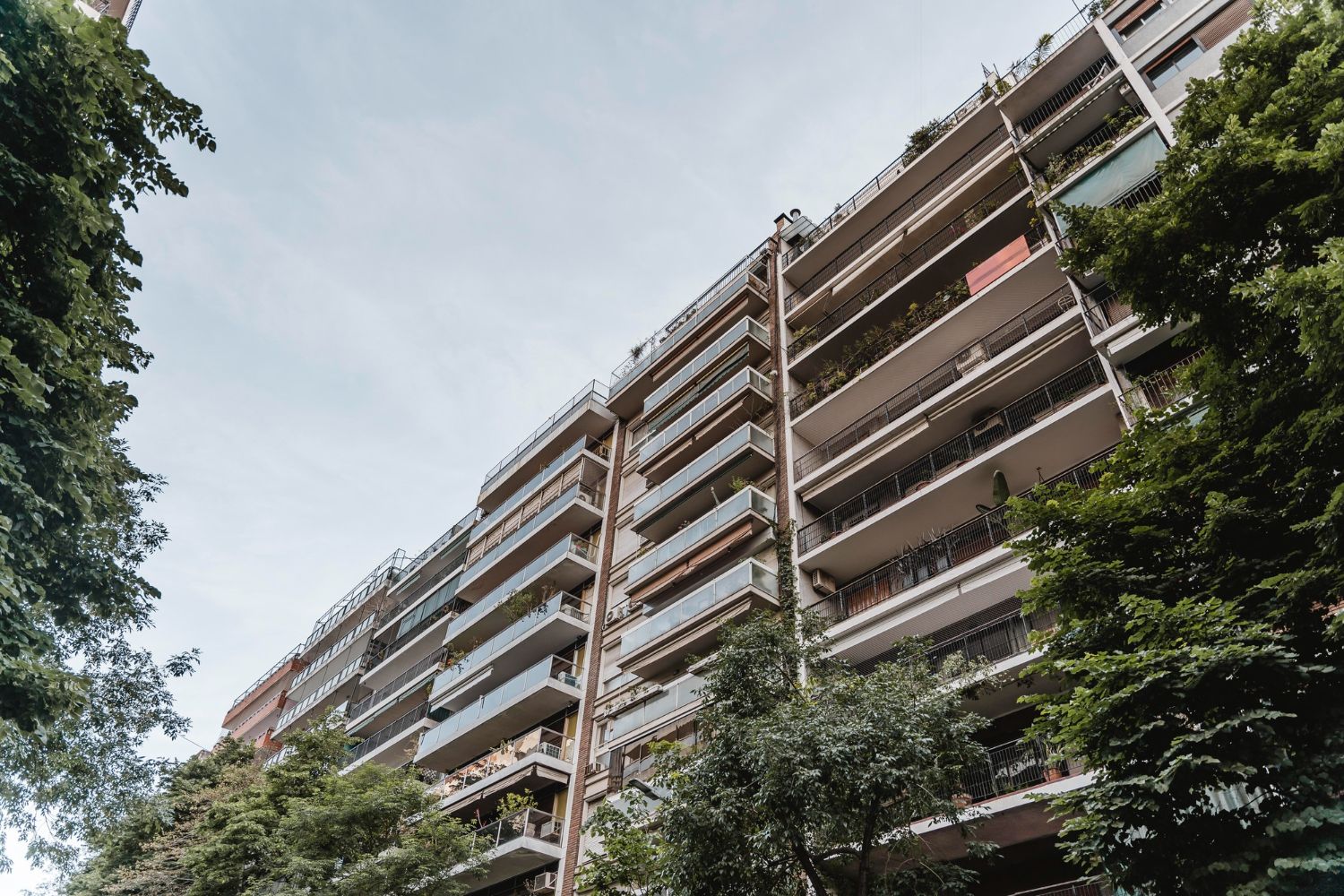
The pursuit of a healthy, pollution-free and pleasant residential environment for all families is directly linked to the ecological responsibility with which the condominium conducts all its routines. Just as residents value common areas with clean air, well-maintained gardens and clean corridors, the modern condominium must extend this environmental awareness to the way it consumes and manages vital natural resources.
In this context of sustainable progress, NewSun’s subscription-based clean energy emerges as the ideal strategic partner to connect your condominium to the future of environmental protection.
Through a 100% green and innovative solution, NewSun enables your condominium to receive electricity credits generated directly by partner plants using renewable sources — such as solar energy and biomass. By subscribing to the service, the condominium supplies its lifts, car-park lighting, water pumps and all leisure areas with energy that does not release pollutants into the atmosphere or harm the environment.
The environmental and institutional benefits of NewSun’s subscription-based energy include:
Active Reduction of the Carbon Footprint: The condominium actively contributes to decarbonising Brazil’s energy mix, reducing dependence on fossil fuels and polluting thermal power stations.
Sustainability Without Material Waste: Unlike traditional microgeneration projects, subscribing to NewSun removes the need to purchase and later dispose of batteries or rooftop solar panels, or to undertake building works that create rubble and consume material resources. The transition is entirely digital and administrative.
Green Positioning and Increased Property Value: Condominiums that adopt clean energy stand out in the property market, attracting environmentally conscious residents and strengthening the development’s reputation throughout the community.
Savings That Fund Environmental Improvements: Consistent reductions in electricity costs for common areas generate a financial surplus in the building’s budget, enabling management to invest in expanding green areas, community gardens, composting systems and energy-efficient lighting.
With NewSun, your condominium combines care for quality of life with a global environmental commitment, building a legacy of clean air, sustainability and innovation for future generations.
Conclusion
Managing tobacco use in condominiums is an exercise in leadership based on dialogue, respect for fundamental rights and technical rigour in enforcing the rules. By complying with smoke-free legislation in covered areas, setting clear rules for open areas and firmly preventing the dangerous disposal of cigarette butts, the condominium manager protects the building’s physical integrity and safeguards the well-being of all unit owners.
Adopting an empathetic mediation approach and encouraging considerate practices between neighbours are the most effective ways to ease disputes and build an environment of mutual respect.
Likewise, integrating this culture of community care with leading environmental choices — such as subscribing to NewSun’s subscription-based clean energy — consolidates a management approach committed to environmental protection, clean air and the condominium’s continued appreciation in value.
You may also like
- Dicas para Síndicos e PMES
 06/10/2026
 5m
5m - Dicas para Síndicos e PMES05/10/20265m
- Energia por Assinatura02/10/20265m



Stop paying more for your energy bill
Find out in less than 1 minute how much you could save with clean energy every month — no works and no bureaucracy.
Join the energy revolution
Subscribe to our newsletter and receive exclusive content