

Energy transition: how can companies reduce their dependence on fossil fuels and contribute to a more sustainable future?
Energy transition: how can companies reduce their dependence on fossil fuels and contribute to a more sustainable future?
Sustentabilidade e Meio Ambiente
 19/11/2026
 5 min
Reducing dependence on fossil fuels has returned to the centre of international climate discussions. During the 31st United Nations Climate Change Conference (COP31), held in Antalya, Turkey, a draft decision presented in November 2026 put the phase-out of coal, oil and natural gas back among the priorities of the negotiations.
The debate represents another step in the effort to turn international climate commitments into concrete measures to reduce greenhouse gas emissions. However, the energy transition does not depend exclusively on governments and international agreements. Companies of different sizes and sectors also have an important role in transforming the energy mix, whether by modernising their operations, adopting more efficient technologies or contracting renewable sources.
In Brazil, where electricity generation already has a high share of renewable sources, there is an opportunity to expand this leading role and make sustainability part of business strategy.
In this article, you will learn how the proposal discussed at COP31 came about, what the main challenges are in reducing the use of fossil fuels and what measures companies can adopt to contribute to the Brazilian energy transition.
What is the energy transition and why is it so important?
The energy transition is the process of transforming energy production, distribution and consumption systems, with the aim of reducing dependence on sources that emit large amounts of greenhouse gases and expanding the share of lower-impact alternatives.
Historically, the world economy was built on the use of fossil fuels, especially coal, oil and natural gas. These sources drove industrialisation, transport, electricity generation and the development of various production chains.
However, burning them releases large amounts of carbon dioxide (CO₂), one of the main gases responsible for global warming. According to information released by the Brazilian government during the presentation of the International Roadmap, the burning of fossil fuels accounts for more than 75% of global greenhouse gas emissions.
The energy transition seeks to change this picture through several strategies:
Expansion of renewable energy: increasing the use of sources such as solar, wind, hydroelectric and biomass.
Electrification: replacing equipment, industrial processes and means of transport powered by fossil fuels with electric alternatives.
Energy efficiency: reducing waste and making better use of the energy consumed.
Energy storage: developing solutions that make it possible to use renewable electricity even when its generation is variable.
Industrial decarbonisation: replacing carbon-intensive fuels and production processes with lower-emission technologies.
More than a technological change, the energy transition represents an economic transformation, involving investment, infrastructure, professional training and a review of business models.
COP31: why has the end of fossil fuels returned to the centre of the negotiations?
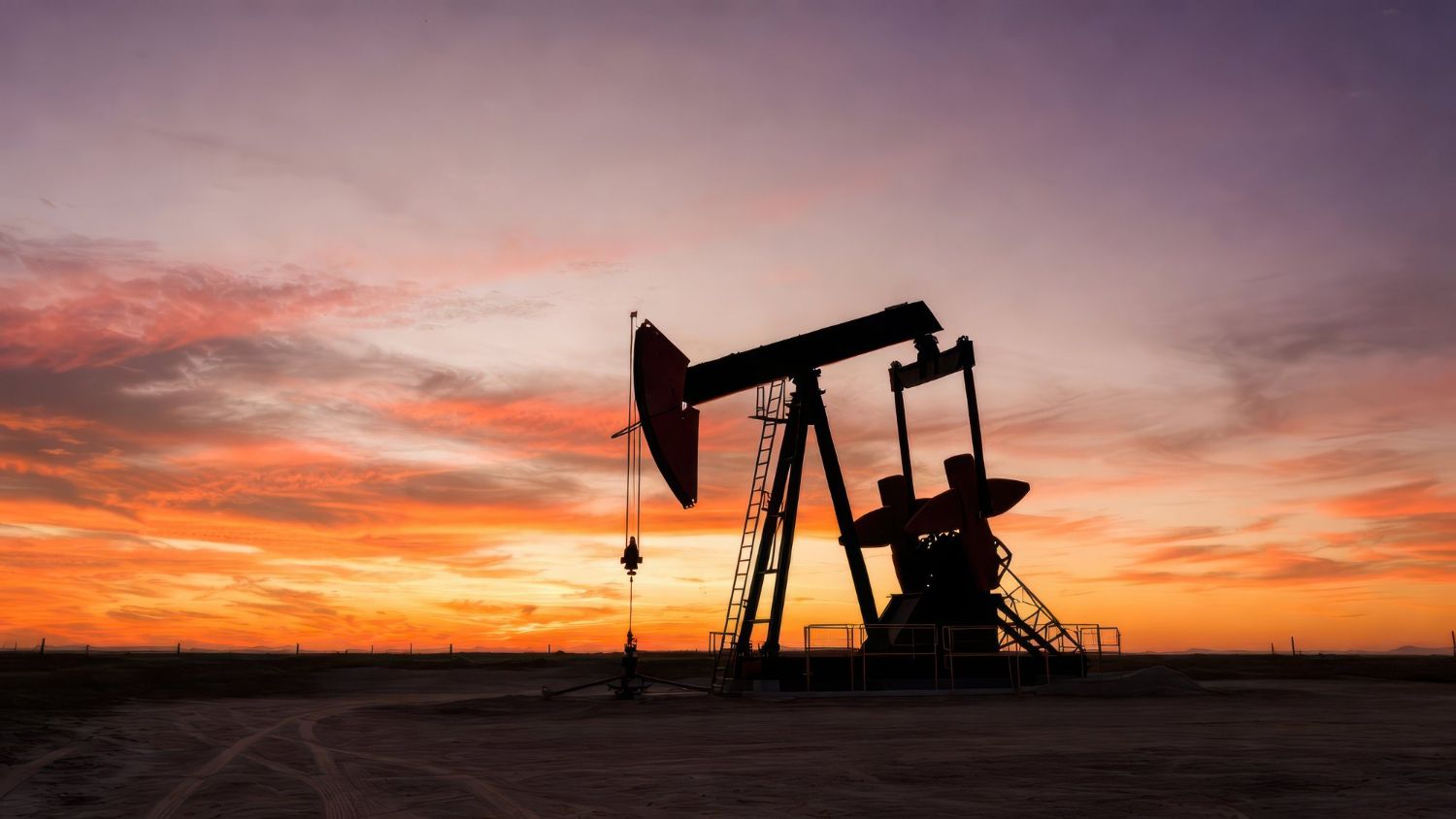
The discussion about the phase-out of fossil fuels gained international momentum during COP28, held in Dubai in 2023.
On that occasion, countries approved a historic decision establishing the need to advance the transition away from fossil fuels in energy systems, in a just, orderly and equitable manner, accelerating action in this decade to achieve net zero emissions by 2050.
Despite the importance of the commitment, its implementation remained one of the main challenges of the climate agenda.
At COP30, held in Belém in 2025, Brazil advocated the development of an international roadmap to guide countries in reducing their dependence on fossil fuels. The proposal sought to turn the political commitment made in Dubai into practical strategies, taking into account the economic and energy differences between nations.
On 3 November 2026, the Brazilian delegation to COP30 presented the International Roadmap for the Transition Away from Fossil Fuels in Energy Systems.
The document proposes strategies to organise the reduction of fossil fuel demand and supply, expand low-emission systems and strengthen international cooperation. It also presents the Belém Readiness Index, a tool designed to assess countries’ exposure to fossil fuels and their capacity to lead the transition.
During COP31, on 16 November, a draft decision from the conference presidency again proposed measures to accelerate this process, including the phase-out of fossil fuels and the review of subsidies considered inefficient.
It is important to stress that the draft does not yet represent an approved agreement. The document brings together proposals and divergent positions of the participating countries, which need to negotiate a consensus wording.
Even so, its presentation shows that the discussion on the energy transition has ceased to focus exclusively on expanding renewable sources and now also addresses the reorganisation of the economic systems that sustain dependence on fossil fuels.
What are the main challenges in moving away from fossil fuels?
Replacing coal, oil and natural gas involves challenges that go well beyond the availability of renewable technologies. For the transition to happen on a global scale, it will be necessary to coordinate changes in infrastructure, investment, public policy and consumption habits.
1. Energy security and infrastructure
Expanding renewable sources requires investment in transmission lines, distribution, storage and the modernisation of electricity grids.
Sources such as solar and wind have variable generation characteristics, as they depend on weather conditions. Increasing their share therefore requires systems capable of balancing supply and demand and guaranteeing the supply of electricity.
2. Financing the transition
Replacing technologies and infrastructure based on fossil fuels requires long-term capital. Developing countries face additional difficulties related to the cost of financing, the availability of resources and the ability to attract investment.
3. Economic and fiscal dependence
Many economies depend on the exploration, production and export of oil, natural gas and coal. A rapid reduction in these activities may affect jobs, public revenue and investment in regions that are economically dependent on these sectors.
4. Professional reskilling
The transition also requires professionals prepared to work in areas such as renewable generation, storage, energy efficiency, electrification and new industrial technologies.
5. International cooperation
Countries have very different conditions. While some economies have a large availability of renewable resources, others depend heavily on imported fossil fuels or have energy infrastructure built around these sources.
There is therefore no single formula for the transition. The challenge is to establish common goals and allow each country to develop strategies that suit its own reality.
What is Brazil’s role in the energy transition?
Brazil has important advantages for advancing the energy transition. The availability of natural resources, experience in biofuel production and the significant share of renewable sources in the electricity mix place the country in a relevant position on the international stage.
According to the National Energy Balance 2026, prepared by the Energy Research Company (EPE), renewable sources accounted for 49.4% of Brazil’s energy mix in 2025. In the electricity mix, this share reached 86.8%.
These figures show that the country already has an electricity generation structure that is significantly more renewable than the world average.
However, this does not mean that the transition is complete. Transport, part of industry and other economic segments still depend considerably on fossil fuels.
The Brazilian government has begun to structure a national strategy to address this challenge. On 6 November 2026, the National Energy Policy Council (CNPE) approved guidelines for the development of the National Roadmap for the gradual reduction of dependence on fossil fuels.
The initiative provides for the participation of several ministries and considers aspects such as energy security, economic competitiveness, financing, professional training and infrastructure adaptation.
For Brazilian companies, this movement represents both a challenge and an opportunity. The expansion of the low-carbon economy can open up space for new markets, attract investment and stimulate the modernisation of different productive sectors.
How can companies contribute to reducing the use of fossil fuels?
Although public policy and infrastructure investment are fundamental, business participation is indispensable to accelerating the energy transition.
Companies consume energy at practically every stage of their operations, from lighting and air conditioning in offices to the running of machinery, refrigeration systems, fleets and industrial processes.
Decisions relating to the contracting and use of energy can therefore have a significant impact.
Here are some measures that can be incorporated into a corporate sustainability strategy.
1. Contract energy from renewable sources
One of the most accessible ways to support the expansion of renewable energy is to assess the origin of the electricity used in operations.
In Brazil, companies can contract renewable energy through different arrangements, including the free energy market and distributed generation, in accordance with the applicable regulatory criteria.
Contracting clean energy by subscription is another alternative. In this model, the consumer receives credits from shared renewable generation, which are used to offset part of the consumption on the distribution company’s bill.
As well as contributing to the use of installed renewable generation capacity, this type of contract allows companies to take part in the expansion of this market without necessarily investing in building their own generation structure.
It is important to note that offsetting with renewable energy does not automatically eliminate the consumption of fossil fuels in the company’s other activities. It is an initiative focused on the origin of the electricity used.
2. Invest in energy efficiency
Even before replacing energy sources, companies can reduce the amount needed to carry out their activities.
Energy efficiency consists of using less energy to achieve the same operational result, avoiding waste and improving equipment performance.
Some measures include:
Replacing conventional bulbs with LED lighting.
Modernising air-conditioning systems.
Installing presence sensors and automation.
Preventive maintenance of electrical equipment.
Continuous monitoring of consumption.
Reviewing industrial and operational processes.
As well as reducing environmental impacts, these initiatives can lower recurring expenses and improve the business’s competitiveness.
3. Electrify fleets and operational processes
Replacing vehicles powered by petrol, diesel and other fuels with electric alternatives is one of the key fronts of decarbonisation.
Companies with their own fleets can assess the gradual adoption of electric vehicles, considering range, charging infrastructure, operating costs and energy availability.
The same reasoning can be applied to certain industrial processes and equipment that use fossil fuels directly.
Electrification, when accompanied by the contracting of renewable electricity, increases the potential for reducing the emissions associated with operations.
4. Set sustainability targets and monitor results
A decarbonisation strategy needs to start with an understanding of the environmental impacts of the company’s own operations.
In this respect, companies can develop greenhouse gas emissions inventories, identify the main sources of emissions and set reduction targets.
Monitoring makes it possible to track results over time and identify which initiatives have the greatest potential for impact.
It also helps strengthen governance practices, meet the requirements of customers and investors and improve the transparency of environmental information.
5. Consider sustainability in the supply chain
A company’s environmental responsibility does not end at its own premises.
Suppliers, carriers, service providers and business partners can also contribute to the carbon footprint associated with the business’s activities.
Including environmental criteria in procurement and supplier relationship processes is therefore a way of extending the reach of decarbonisation initiatives.
Clean energy by subscription: how does NewSun contribute to the expansion of renewable sources?
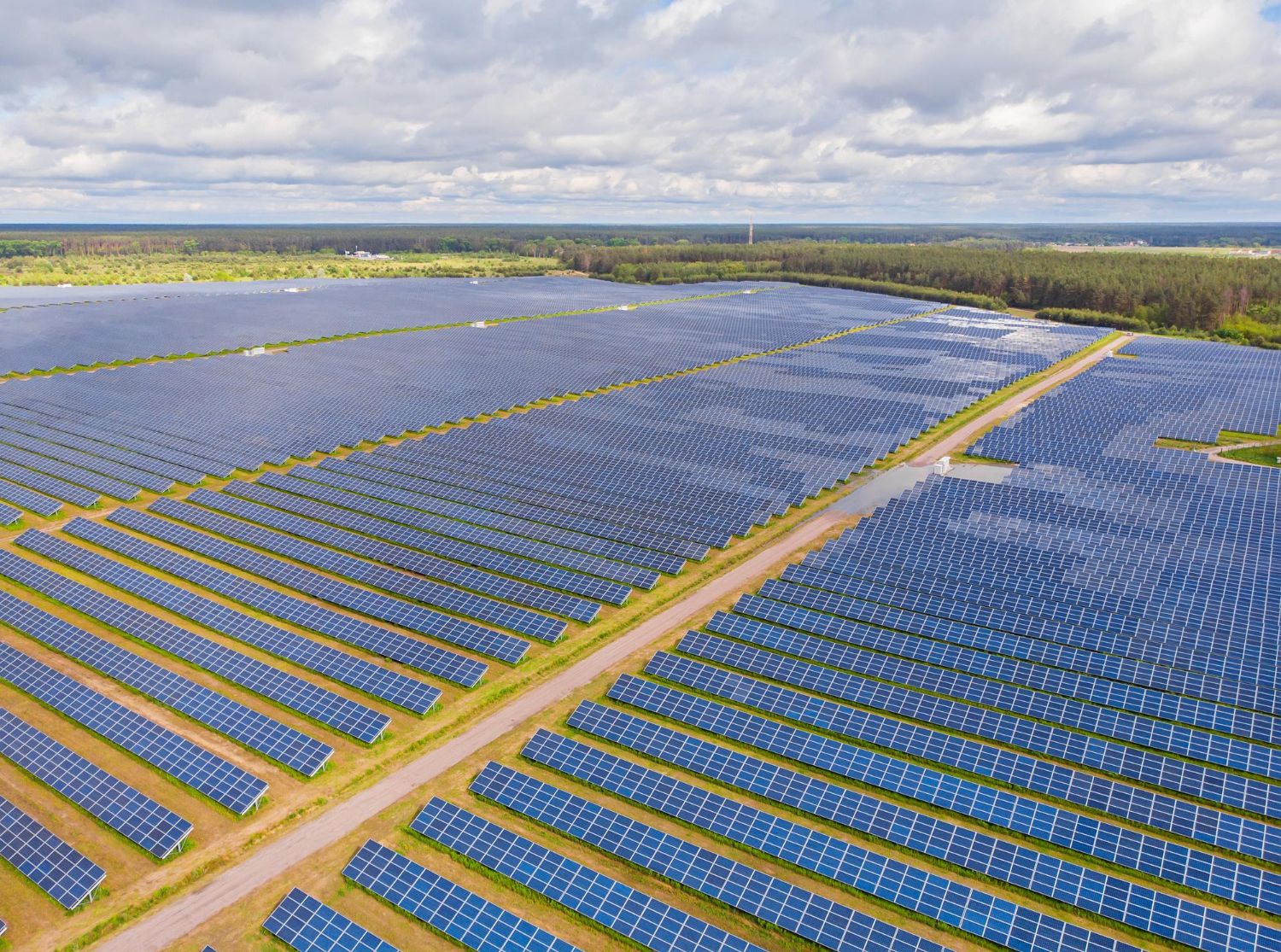
Contracting renewable energy does not have to be restricted to large companies or organisations able to invest in their own infrastructure.
Clean energy by subscription allows condominiums and small and medium-sized businesses to use credits from solar farms and biogas plants to offset part of their electricity consumption.
NewSun operates in this market as a clean energy supplier for condominiums and businesses, offering an alternative for those who wish to reduce electricity costs and take part in the expansion of renewable generation in Brazil.
The model works without requiring the installation of solar panels or any building work at the consumer’s premises. The energy is generated at facilities connected to the distribution grid, and the corresponding credits are allocated to participating consumers, in accordance with the rules on distributed generation and the contractual conditions.
By joining the subscription, the consumer starts to use renewable energy credits to offset part of the consumption billed by the distribution company.
This mechanism helps to expand the use of existing clean generation infrastructure and to strengthen demand for renewable sources.
Savings, monitoring and predictability on the electricity bill
In addition to the environmental contribution, a clean energy subscription can bring financial benefits to business management.
The advantages offered by NewSun include:
Savings on the electricity bill: access to renewable energy credits on terms that reduce the cost of the portion offset.
Expense monitoring: customers can track their energy expenses through the customer area, making financial control easier.
Protection against tariff flags: the portion of energy offset by the credit system is protected from tariff flag charges, in accordance with the applicable rules.
No building work required: consumers do not need to install solar panels or carry out structural changes to the property.
Diversified renewable mix: NewSun works with solar and biogas sources, contributing to the diversification of clean energy generation.
Protection against tariff flags deserves special attention. In periods of unfavourable generation conditions in the electricity system, ANEEL may trigger yellow or red flags, adding charges to the electricity bill. On the portion offset by energy credits, this charge does not apply, in accordance with the rules of the compensation system.
It is important to stress that the subscription does not eliminate every component of the distribution company’s bill. The savings and tariff protection depend on the portion actually offset and on the terms of the contract.
For companies that need to organise recurring expenses, this possibility represents an alternative that combines participation in the expansion of renewable energy with greater control over electricity costs.
The energy transition is also an opportunity for business
The discussion about reducing fossil fuels should not be seen merely as an environmental obligation. It also represents a structural transformation of the economy, capable of creating opportunities in different segments.
Companies that anticipate technological change, invest in efficiency and incorporate renewable sources into their strategy can strengthen their competitiveness and be better prepared for a market that is increasingly attentive to the environmental impacts of productive activities.
The energy transition requires planning, investment and collaboration between governments, companies and consumers. No single initiative will be enough to transform energy systems, but consistent business decisions can help to speed up this process.
In this context, contracting clean energy, reducing waste and monitoring consumption are concrete measures that can bring businesses closer to a low-carbon economy.
NewSun believes that sustainability and savings go hand in hand. It therefore offers clean energy subscription solutions that allow condominiums and businesses to take part in the expansion of renewable sources in Brazil, while seeking savings, expense monitoring and greater predictability on their electricity bills.
You may also like
- Sustentabilidade e Meio Ambiente
 19/11/2026
 5m
- Dicas para Síndicos e PMES17/11/20265m
- Dicas para Síndicos e PMES13/11/20265m



Stop paying more for your energy bill
Find out in less than 1 minute how much you could save with clean energy every month — no works and no bureaucracy.
Join the energy revolution
Subscribe to our newsletter and receive exclusive content