
Winter maintenance planning for residential developments
Winter maintenance planning for residential developments
Dicas para Síndicos e PMES
 22/07/2026
 5 min
5 minFor life in a residential development to run smoothly and safely, the technical and financial planning of communal areas must be treated with the utmost seriousness by the management team. The arrival of winter offers an excellent strategic opportunity to move forward with building repair projects that would be difficult to carry out at other times of the year because of the high flow of residents. As areas such as swimming pools, playgrounds and function rooms are used less frequently, the property manager has the ideal conditions to coordinate maintenance activities and help protect the value of everyone’s assets.
Against this backdrop of falling temperatures and drier weather across much of the country, an analytical manager stands out by prioritising structural needs before minor issues become major emergencies. In this detailed guide, we cover the electrical, plumbing and infrastructure work needed to protect the development during the colder months. Our aim is to present a complete roadmap that combines good upkeep with practical tips for cash-flow control and winter cost savings.
Winter as a strategic opportunity for building upkeep
Maintenance planning should take account of seasonality and the local climate in each region of Brazil in order to deliver the best technical results. Winter is marked by a dry season across much of the country, which helps mortars, sealants and waterproofing products cure properly without the risk of torrential rain interrupting the work. In addition, milder temperatures and reduced footfall in communal leisure areas allow specialist service teams to work with greater freedom and focus.
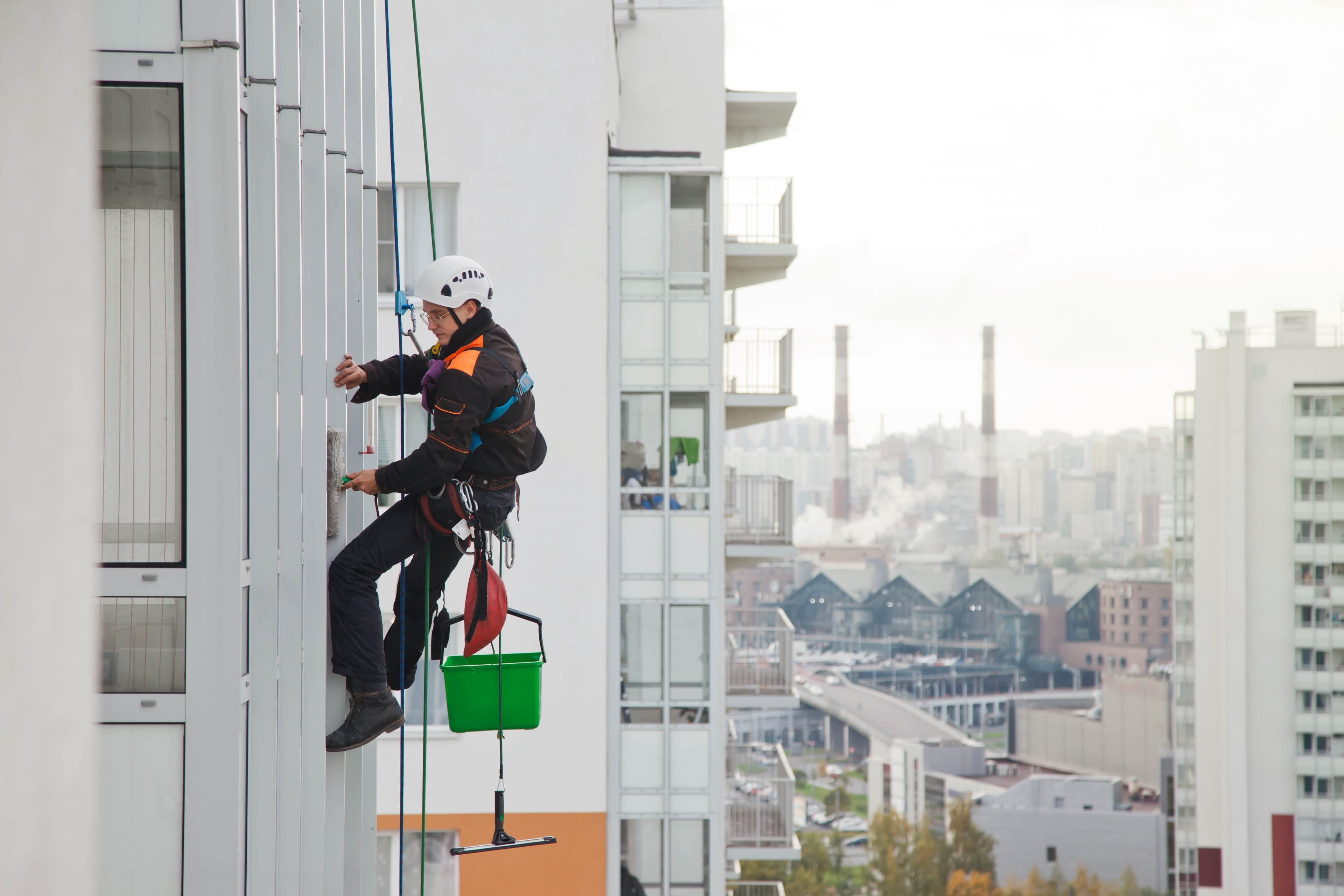
For residential development management, this drop in the use of communal spaces should be used to carry out in-depth inspections of the building’s physical infrastructure. Autumn and winter are the best seasons to review the condition of façades, roofs, gutters and water drainage pipework. Treating building maintenance as a winter priority helps prevent serious leaks and damp problems that tend to become more severe in the warmer, wetter summer months.
In addition to safeguarding communal electrical and plumbing installations, carrying out preventive checks in colder weather reduces the risk of unexpected operational problems. A proactive property manager can often negotiate better commercial terms with engineering service providers, which usually see lower demand for civil works during the winter period. Planned winter maintenance therefore becomes a matter of cost intelligence, allowing the development’s financial resources to be allocated more rationally and predictably.
Care for building infrastructure in winter must be constant in order to prevent gradual deterioration from reducing the market value of the properties. Preventive winter maintenance reduces the need for emergency corrective work, which can cost up to five times more when postponed. Investing in scheduled inspections during winter is therefore a strategic management decision that helps keep communal areas in excellent working order and condition.
Mandatory maintenance and the property manager’s legal duties
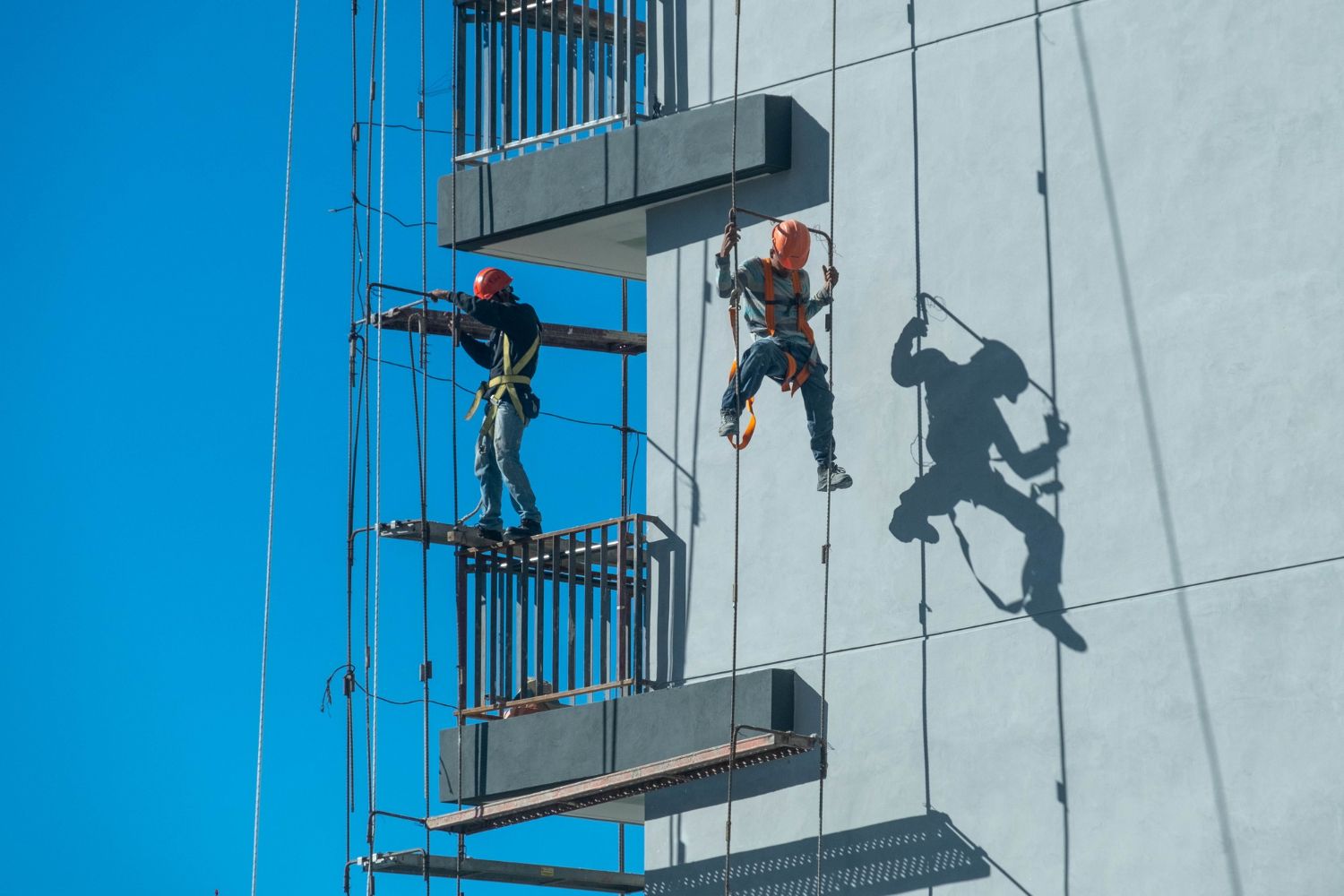
Certain maintenance services are not merely technical engineering recommendations, but legal requirements under federal and state laws in Brazil. Article 1,348 of the Civil Code sets out the property manager’s duties, including the obligation to preserve the common parts of the building and ensure that services are provided in residents’ interests. Failure to maintain critical items, such as lightning protection systems, electrical distribution boards or fire safety systems, may result in severe administrative fines and civil or criminal liability for the manager.
To guide mandatory inspections in residential developments, technical standard NBR 5674 establishes the minimum requirements for building maintenance management systems in buildings of any size. The annual inspection schedule should include gas network tightness tests, cleaning of grease traps and sewage chambers, and periodic inspection of fire doors. Ignoring these compliance deadlines puts users’ lives at risk and may invalidate property insurance cover in the event of accidents or claims.
To organise these winter tasks clearly in communal areas, the management team should list the mandatory items and schedule them according to their criticality and expiry dates. The main mandatory maintenance tasks requiring specific inspections and technical reports include:
Testing the tightness and physical integrity of the development’s central gas system and distribution network.
Renewing the Fire Department Inspection Certificate by refilling extinguishers and testing hoses.
Issuing the Annual Inspection Report for lift cabins and testing electrical safety systems.
Carrying out ohmic measurement of the lightning protection system, with an updated technical report issued by an accredited engineer.
Cleaning collective water tanks every six months, accompanied by bacteriological laboratory analysis of water potability.
By keeping this mandatory maintenance routine up to date, the property manager protects residents and safeguards their own management from potential legal challenges. Regulatory compliance reduces serious operational risks and keeps shared installations safe, functional and fit for use, especially during winter.
Essential care for heating systems and gas networks
As temperatures fall in winter, gas consumption and the use of water heating systems rise sharply in residential developments. Longer hot showers and the frequent use of individual heaters place intense mechanical pressure on gas risers and pipework. This prolonged operational strain means that tightness testing and maintenance of these gas systems should be carried out preventively to avoid serious accidents in winter.
Inspections of central heating installations and gas heaters installed in utility areas should not be overlooked by the management team. Oxidised connections or insufficient ventilation indoors can allow harmful gases to build up, creating an invisible risk to residents’ health and safety. Residents should also support preventive maintenance by arranging regular inspections of the individual appliances in their homes to reduce any risk of carbon monoxide leaks during winter.
To ensure that thermal comfort in winter does not become a source of danger, the management team should guide residents and staff on the proper use of equipment. The main operational maintenance guidelines for water heating systems in winter include:
Periodically checking flame sensors and mechanical ventilation systems in instantaneous water heaters.
Inspecting heating air-conditioning filters and cleaning ventilation ducts to prevent mould build-up.
Professionally retightening electrical connections in hot-water circulation pumps to avoid network overload.
Cleaning and checking copper pipework for leaks and thermal obstructions in the gas system.
These preventive winter maintenance measures reduce gas consumption and extend the service life of heat exchangers and boilers, bringing budget stability and greater safety to building management. Active prevention reduces the likelihood of leaks and ensures that water heating operates reliably throughout the winter.
Recommended preventive maintenance in leisure areas and gardens
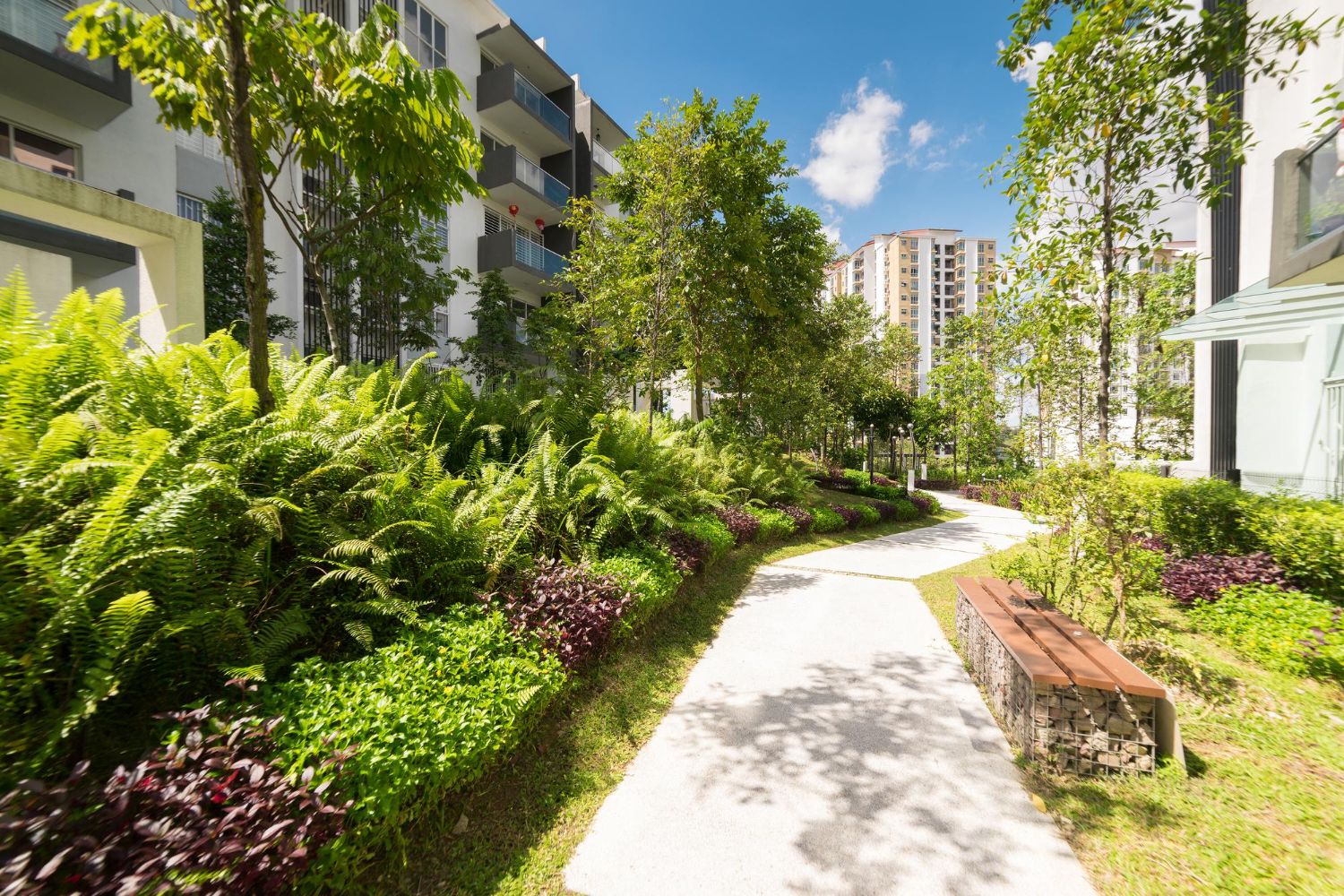
Outdoor recreation areas in residential developments are used far less by children and families during the colder months. This temporary reduction in use creates the ideal conditions for caretaking teams to carry out thorough preventive maintenance on playgrounds, sports courts and barbecue areas in winter. Checking the condition of chains, screws and toy locks helps prevent accidents and prepares these spaces for heavier use in spring.
In gardens and green areas, winter requires specific maintenance because plants and foliage grow more slowly. At this time of year, cold and dry weather reduce water evaporation, so excessive watering should be avoided to prevent harmful fungi from spreading through the soil. In addition, low temperatures can favour the spread of silent urban pests in trees, making winter the most suitable time to treat trunks and wooden structures in leisure areas for termites.
To guide caretaking teams and outsourced gardening providers, the management team should plan winter activities methodically. The main preventive maintenance tasks recommended for communal areas in winter include:
Applying varnish and protective paint to wooden play equipment and metal structures to prevent oxidation and rust.
Preventive pruning of dry branches that may fall onto electrical risers or communal wiring.
Reducing lawn irrigation frequency and monitoring soil moisture to prevent root rot.
Replacing broken coverings, wooden decking and worn playground safety flooring.
These winter building maintenance measures help avoid costly corrective repairs in summer and keep gardens healthy and attractive. Ongoing care for outdoor leisure facilities improves the residential community’s perception of the development and adds value to it as a whole.
Works best carried out during the cold dry season
The dry season that accompanies winter in most Brazilian regions is highly favourable for carrying out major structural works in residential developments. Painting building façades, for example, is a costly intervention that requires dry weather and good airflow to ensure even drying and avoid damp stains or bubbles in masonry. Painting the building between April and November is the most common recommendation among maintenance specialists to help ensure a durable finish.
Waterproofing slabs, roofs and terraces also produces far better technical results when carried out during a dry winter. Residual moisture on concrete surfaces prevents asphalt membranes and polymer resins from adhering properly, which can lead to early leaks the following summer. Carrying out this type of work during the cold dry season ensures stable curing and reduces the need for emergency repairs during rainy periods, when water can severely damage garage ceilings and function rooms.
As well as improving the technical quality of waterproofing and painting works, dry winter weather can shorten service completion times, reducing the disruption caused to residents by renovation noise. A property manager who plans the annual building maintenance schedule around seasonality optimises the use of collected funds and adds value to everyone’s assets intelligently and safely.
Building works that should be postponed until warmer seasons
Although dry winter weather favours painting and external waterproofing works, some infrastructure interventions should be avoided when temperatures drop sharply. Heavy structural concreting works, for example, are affected by reduced cement performance at temperatures below ten degrees Celsius, as the curing process loses mechanical strength without adequate heat. Attempting concreting on extremely cold winter days requires expensive chemical additives and protective thermal sheeting, unnecessarily increasing the building’s ordinary expenses.
Internal plastering and drywall installation should also be postponed if the building environment has high humidity and little circulation of warm air in residential units. Slow drying of these lightweight construction materials encourages grey mould stains and weakens the fixing structure of decorative panels. Property managers of commercial and residential developments should postpone these aesthetic interventions until periods when the ambient temperature is warmer and more stable than in winter.
Similarly, works involving the complete emptying of collective water tanks or the replacement of plumbing risers should be planned with care if there is a risk of rainy cold fronts that could flood garage pits. Planned winter maintenance should always balance the urgency of interventions with the comfort of the families living in the building. Postponing major plumbing works until spring helps avoid the discomfort of prolonged water supply interruptions on cold winter days.
NewSun’s clean energy subscription: ensuring predictability and budget control in winter

For the management team to move forward with façade painting, slab waterproofing and electrical maintenance projects, the shared cash flow needs financial headroom and cost predictability. One of the biggest pressures on the monthly budget for communal areas is the electricity bill, which is constantly affected by tariff flags and sharp increases from utility companies. In this context of seeking smarter winter savings, NewSun’s clean energy subscription becomes a valuable ally for residential development managers.
NewSun’s clean energy subscription stabilises the electricity bill for communal areas, protects it from tariff flags and promotes progressive savings. This supply model is delivered 100% digitally, with no need for complex works, drilling into slabs, equipment maintenance costs or the installation of physical photovoltaic panels on residential block roofs. All renewable electricity consumed is generated in proprietary clean energy plants and injected directly into the regional distributor’s grid, becoming automatic credits applied to the development’s bill.
The relief generated in ordinary building cash flow and the accounting predictability provided by NewSun’s subscription give property managers the financial breathing space needed to structure the annual mandatory maintenance schedule safely in winter. This transition to smarter supply helps stabilise the electricity bill and brings predictability to the communal-area budget, freeing up resources that can be invested directly in useful improvements that add value to the property.
Take advantage of the winter period to modernise your development’s cost management with sustainability and complete security. Discover how our Clean Energy Subscription can support the budgetary development of your property portfolio with greater stability.
Winter checklist for property management in July
As winter is already halfway through, the property manager or administrator should review maintenance priorities and closely monitor the integrity of equipment affected by seasonal climate variations.
To structure this technical routine simply and ensure that all maintenance is carried out within compliance deadlines, the following winter operational guidelines should be followed:
Inspect the common gas central system risers and pipework to immediately identify small cracks caused by thermal expansion in the cold.
Test the autonomy of the emergency lighting system in stairwells and garages to ensure generators and UPS units work during power outages.
Clean and unblock gutters, rainwater drains and external area drainage systems to anticipate possible blockages caused by the accumulation of dry leaves in winter.
Check the coolant level of emergency generators and verify the nominal voltage of starter batteries under low winter temperatures.
Apply protective varnish to wooden toys and technically retighten screws and locks in playgrounds in condominium common areas.
The systematic application of this checklist keeps away the risk of unexpected electrical outages or hydraulic failures when the period of severe rain arrives. Documenting these winter caretaking inspections creates technical compliance records that prove the property manager’s diligence in the safe management of condominiums.
Preventive culture as a driver of building value appreciation
Continuous care for infrastructure and strict adherence to conservation schedules for common facilities are the foundations of long-term property value appreciation in condominiums. When the building’s general wiring, roofs and electrical systems are neglected, the danger of small faults evolving into serious structural claims and labour or civil fines becomes real in vertical condominiums during winter.
A diligent property manager who adopts preventive winter maintenance as a strategic ally preserves lives, reduces corrective operating costs and maintains tranquillity and social harmony in residents’ meetings. By unifying the building’s physical safety with intelligent tools for optimising fixed winter expenses, the co-ownership consolidates itself as a high-level condominium governance model, safe and prepared for every season of the year.
You may also like
- Casos de Sucesso
 20/10/2026
 5m
5m - Dicas para Síndicos e PMES16/10/20265m
- Dicas para Síndicos e PMES13/10/20265m





Stop paying more for your energy bill
Find out in less than 1 minute how much you could save with clean energy every month — no works and no bureaucracy.
Join the energy revolution
Subscribe to our newsletter and receive exclusive content