
Wild Animals in the Condominium: How to Guide Residents and Ensure Safety
Wild Animals in the Condominium: How to Guide Residents and Ensure Safety
Dicas para Síndicos e PMES
 27/01/2026
 5 min
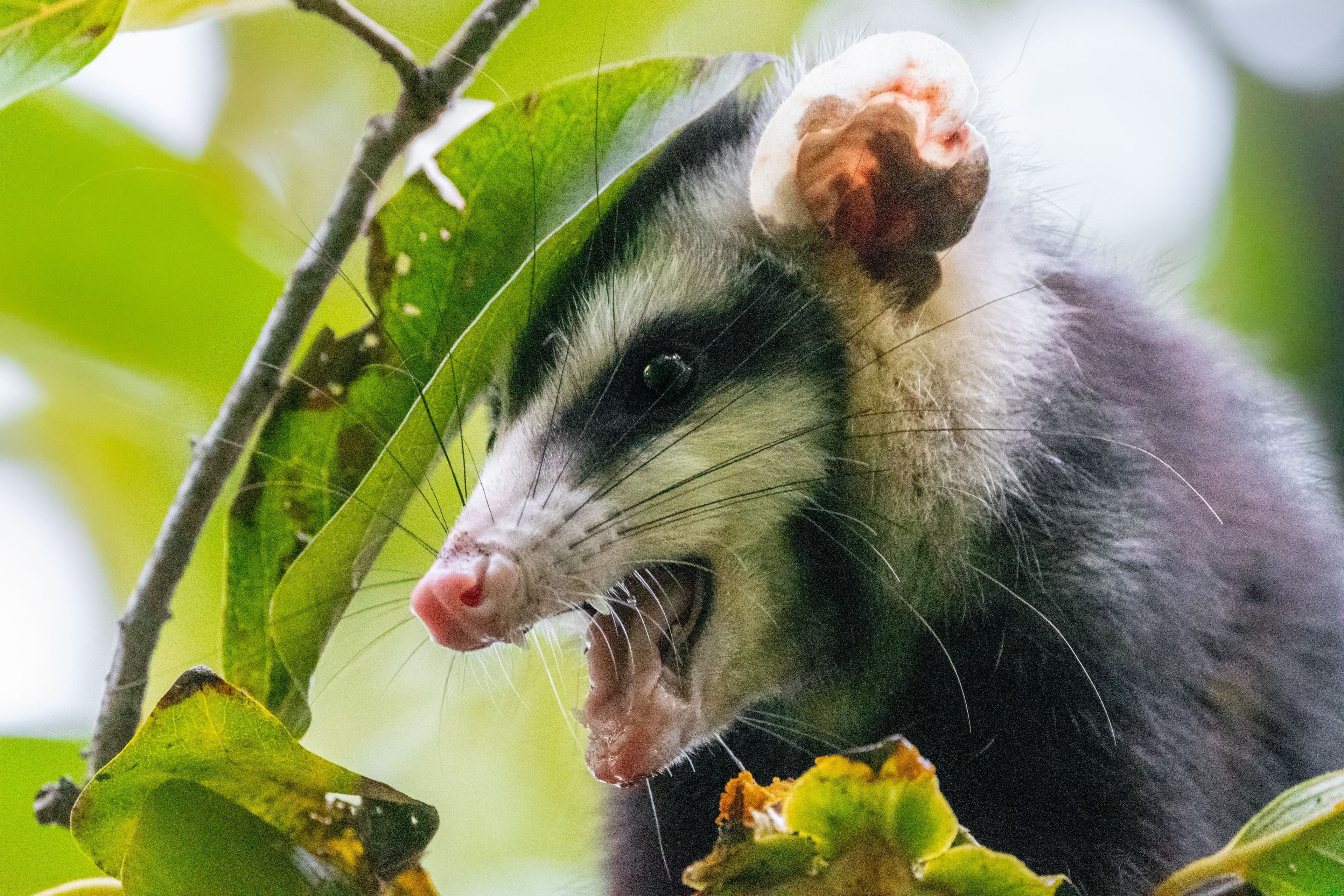
5 minCondominiums located in urban areas further inland, or near parks and woodland, frequently record the presence of wild animals in their gardens, garages and communal areas. Although coexisting with wildlife is natural and even beneficial for ecological balance, improper interactions can put both residents and the animals themselves at risk, making clear communication from building managers essential.
Brazilian environmental legislation protects wild fauna, and direct contact with these animals can transmit serious diseases, such as rabies, which is recorded annually in the country and is transmitted through bites or scratches from infected mammals, including bats and primates such as marmosets. Besides rabies, animals can also be reservoirs for other infectious agents or parasites, which reinforces the need to avoid approaching or feeding wild fauna.
Step by step: what to do if a wild animal appears in the condominium
Do not approach or touch the animal. Even if it seems docile, it may act on instinct and transmit diseases or cause injuries.
Keep children and pets away. Proximity increases the risk of bites, scratches or contact with potentially contagious secretions.
Safely cordon off the area. If possible, choose a safe spot around the animal to prevent people from approaching, without attempting to capture it.
Contact environmental or rescue bodies. Call IBAMA, Environmental Police or a Wild Animal Screening Centre (CETAS) to report the location and request technical support. The Fire Brigade can also be called on 193.
Do not offer food or water. Feeding wild animals can accustom them to human presence, alter their natural behaviour and harm their health.
Wash your hands promptly with soap and water after any accidental contact or after touching surfaces the animal may have come into contact with.
Health risks and the importance of prevention
Zoonotic diseases — those transmitted from animals to humans — can be dangerous and even fatal without prompt treatment. Rabies, for example, has a mortality rate of nearly 100% once symptoms appear, and post-exposure prophylaxis should begin promptly following any suspected bite or scratch from a wild animal.
Another significant epidemiological risk in areas with wildlife is giant African land snails, known to transmit parasites such as Angiostrongylus cantonensis, which causes eosinophilic meningitis, through contact with the mollusc's secretions or contaminated food. Although more commonly associated with gardens and vegetable patches, they can also appear in damp communal areas, and residents should be warned not to touch or collect these animals with bare hands.
Guidance for residents
Preventive measures should also be adopted to stop dangerous encounters from happening in the first place. Advise residents to:
• keep doors and windows closed, especially at night;
• close bin lids and dispose of food waste in sealed containers;
• keep gardens and vegetation trimmed to reduce natural hiding places;
• immediately inform the management should an animal be seen in unusual locations or displaying strange behaviour.
These measures reduce the risk of accidents and disease transmission, fostering safer coexistence between people and wildlife. They also reinforce the condominium's responsibility to maintain a healthy environment, in respect of nature and current legislation.
You may also like
- Casos de Sucesso
 20/10/2026
 5m
5m - Dicas para Síndicos e PMES16/10/20265m
- Dicas para Síndicos e PMES13/10/20265m





Stop paying more for your energy bill
Find out in less than 1 minute how much you could save with clean energy every month — no works and no bureaucracy.
Join the energy revolution
Subscribe to our newsletter and receive exclusive content