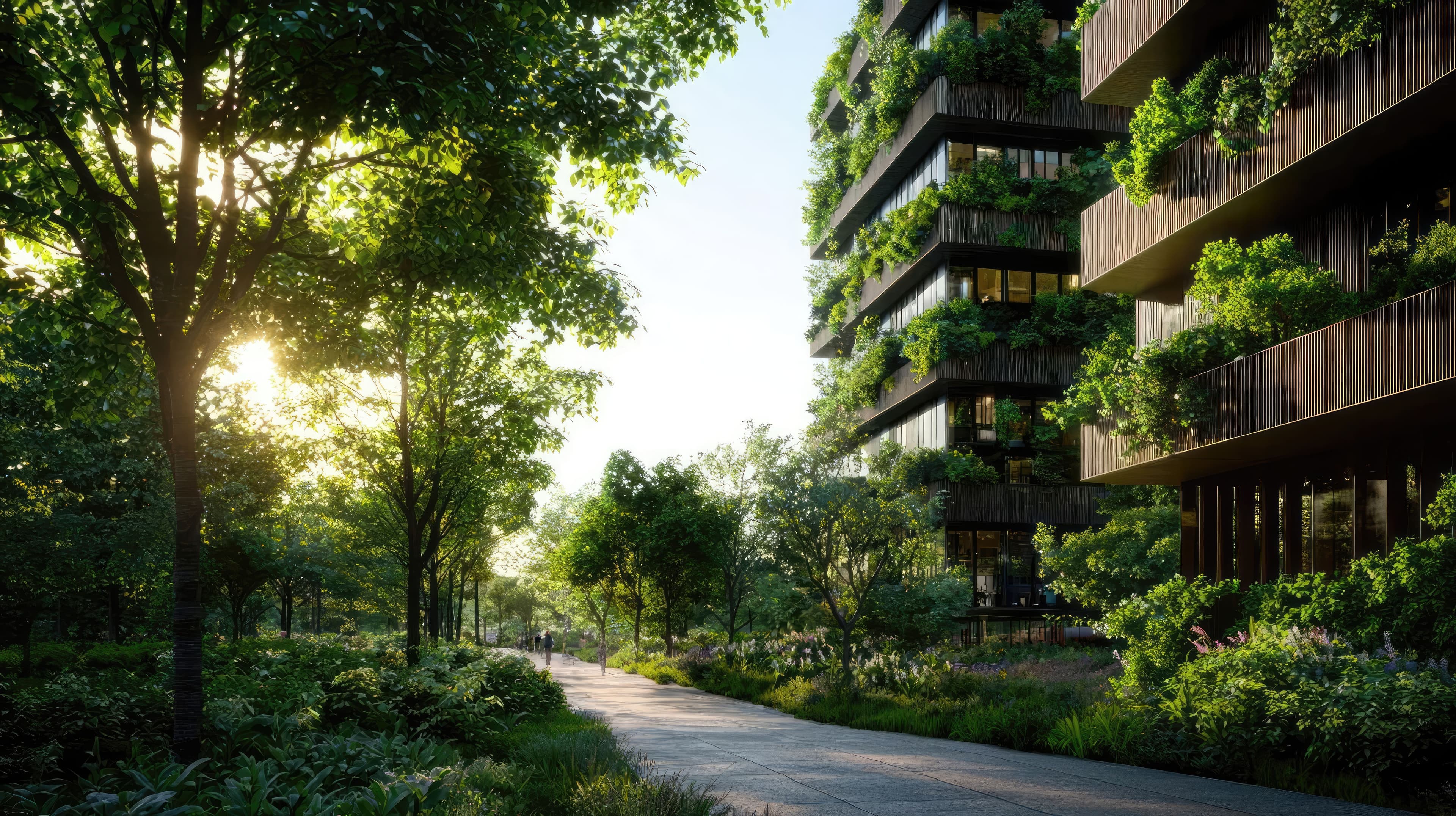
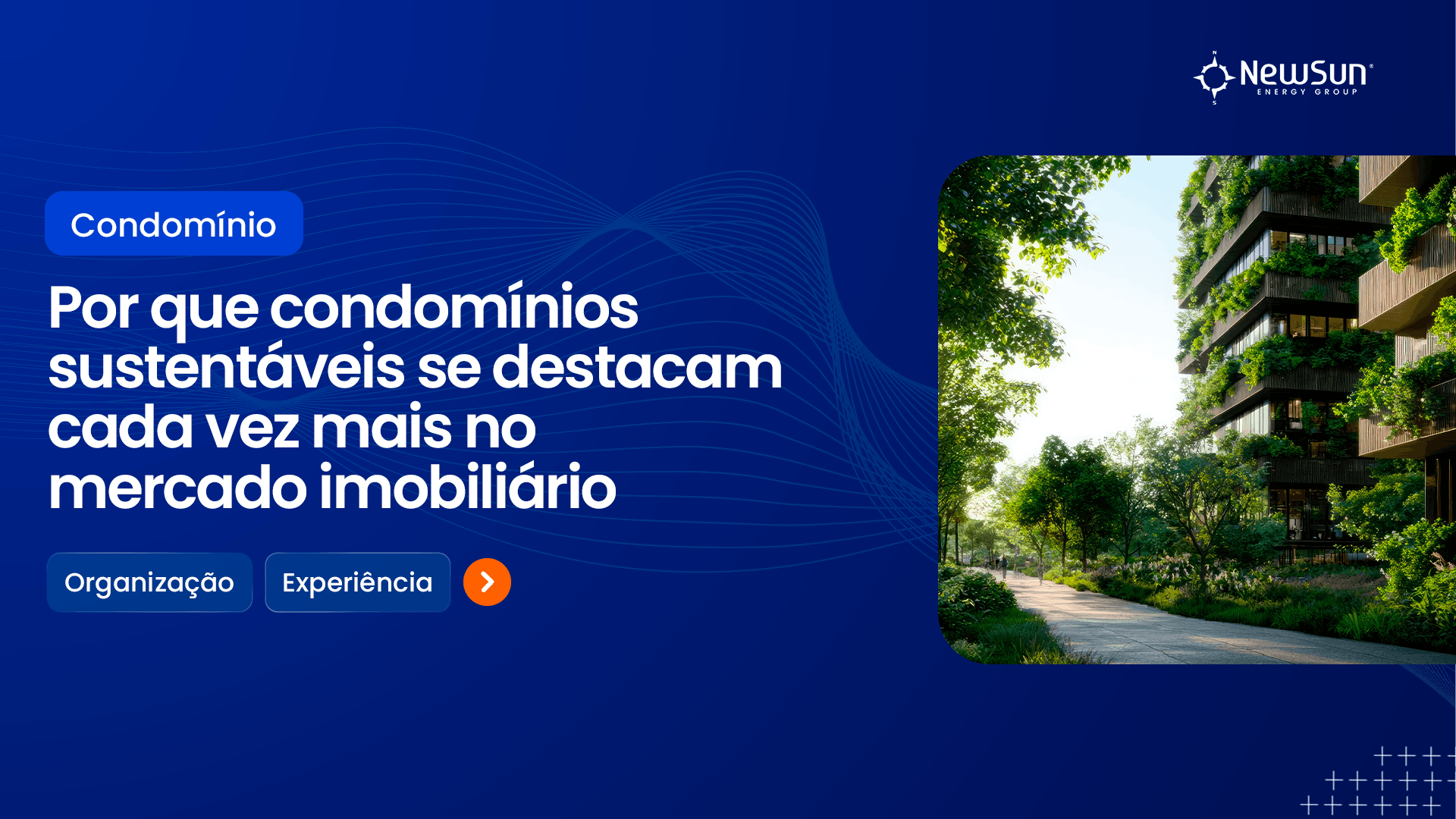
Why sustainable residential developments increasingly stand out in the property market
Why sustainable residential developments increasingly stand out in the property market
Sustentabilidade e Meio Ambiente
 27/10/2026
 5 min
For many years, sustainability was seen as an additional feature in property developments. Having efficient lighting, water reuse systems or green spaces was considered an appealing selling point, but rarely a decisive factor for buyers and investors. This situation has changed significantly in recent years. The combination of rising energy costs, greater environmental concern and the pursuit of a better quality of life has made sustainability one of the factors the market considers when assessing residential and commercial developments.
Today, when prospective buyers visit a residential development, they look beyond the size of the property, its location or its leisure facilities. Increasingly, residents and investors assess aspects relating to operational efficiency, resource consumption and the development’s ability to keep service charges under control over the years. In other words, sustainability has come to be seen as an economic asset, not merely an environmental one.
This shift reflects a broader transformation in the property market. Industry bodies have been highlighting that sustainable developments offer benefits that go beyond environmental protection. They tend to create more comfortable, efficient environments that meet the expectations of today’s residents. The result is a set of attributes that help properties remain competitive when being sold or let, or in retaining their asset value.
What does the property market understand by sustainability?
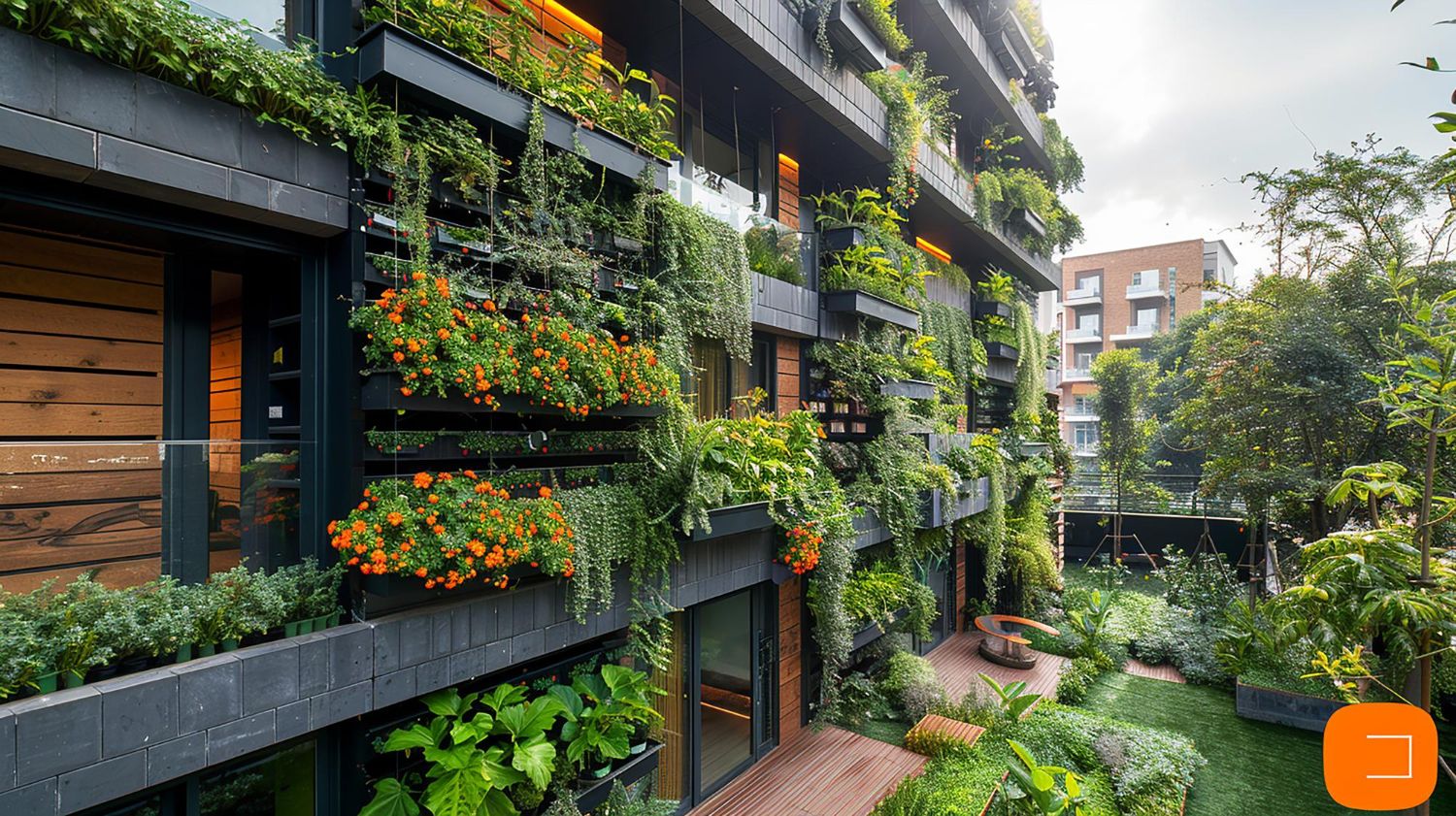
A common mistake is to associate sustainability solely with solar panels or planting trees within a residential development. In reality, the concept is much broader. According to materials from Secovi-SP and Green Building Council Brasil, sustainability encompasses environmental, social and economic aspects that help make a development more efficient, healthier and better prepared for the future.
This includes everything from simple energy efficiency measures to broader strategies for water management, waste reduction, environmental comfort, accessibility and the governance of residential developments. A residential development can begin its sustainability journey without major building works by adopting practices that reduce waste and improve residents’ experience. The most important point is to understand that sustainability is a process of continuous improvement.
This view is also reinforced by the Brazilian Chamber of the Construction Industry (CBIC), which emphasises that sustainable developments are those designed and managed to use natural resources more efficiently while promoting both quality of life and economic viability.
Why does sustainability help increase property values?
Property values rise when a development becomes more desirable in the market. In a landscape with many options available, properties that offer more benefits tend to attract greater interest from buyers, tenants and investors.
Sustainability contributes directly to this process because it delivers tangible day-to-day benefits. A residential development that consumes less energy, wastes less water and keeps costs under tighter control conveys an impression of efficiency and sound management. For buyers, this represents the potential for future savings. For investors, it means a more resilient and competitive asset.
The relationship between sustainability and economic value is also observed internationally. The U.S. Green Building Council, the organisation responsible for the LEED green building certification system, highlights that sustainable buildings tend to have lower operating costs, higher asset values and greater appeal to occupiers and investors. The organisation cites studies in which properties built to sustainable standards achieved substantial increases in value compared with conventional developments.
Furthermore, the growing importance of ESG criteria in the property sector has been increasing interest in sustainable assets. This movement is not solely environmental. It is also a response to the demands of increasingly aware consumers who pay close attention to the total cost of occupying a property.
What do buyers look for most in sustainable residential developments?
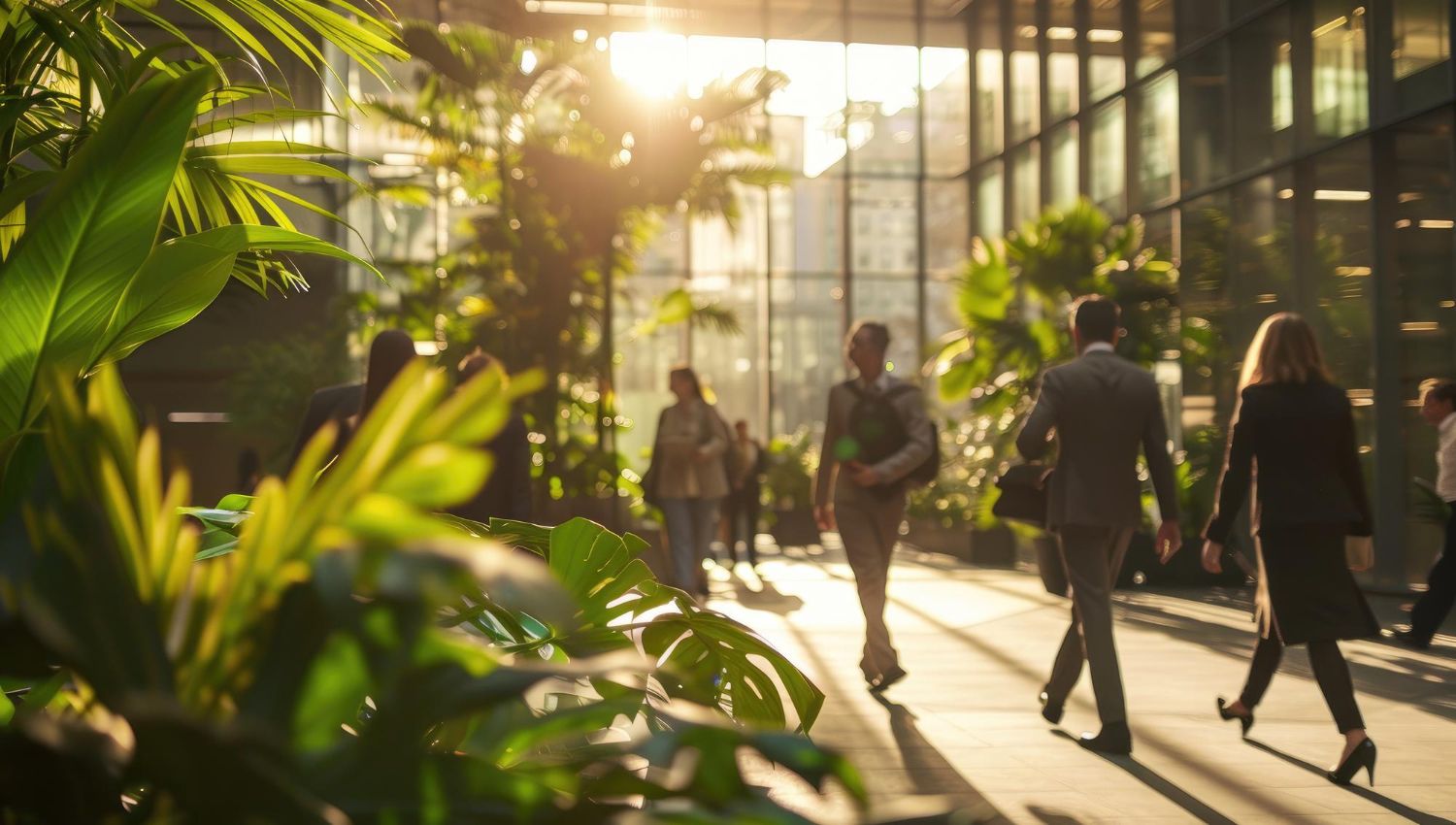
One of the most interesting features of today’s market is that buyers have come to value not only sustainability itself, but also its practical effects on everyday life.
In various property sector surveys and analyses, the most highly rated features are precisely those that combine savings, comfort and environmental responsibility. This helps explain why some sustainable measures have greater commercial appeal than others.
Energy efficiency
Energy efficiency ranks among the most valued factors because it directly affects a residential development’s costs. LED lighting systems, motion sensors, more efficient equipment and modern energy solutions help reduce waste and strengthen the perception of responsible management.
With electricity accounting for a significant share of the budget for communal areas, any measure that improves control over expenditure tends to be welcomed by residents. Buyers also tend to see these investments as signs of modernisation and concern for the development’s future.
Smart water management
Concern about using water responsibly has become increasingly important in various regions of Brazil, particularly in the face of dry spells and rising operating costs.
Rainwater harvesting systems, consumption monitoring, tackling leaks and using water-saving devices are among the most valued initiatives. In addition to their environmental benefits, they demonstrate that the residential development is prepared to address challenges relating to the availability of water resources.
Green spaces and quality of life
Not all sustainability is directly related to financial savings. In many cases, it is associated with a sense of wellbeing.
Well-maintained green spaces, functional landscaping, outdoor communal spaces and initiatives aimed at environmental comfort make a significant contribution to a property’s appeal. According to organisations associated with the green building movement, quality of life and sustainability are increasingly connected in occupiers’ perceptions.
Sustainable measures that are easy to implement in residential developments
One of the main concerns for residential development managers is finding sustainable actions that can be implemented without major investment or complex work. Fortunately, many high-impact initiatives can be introduced gradually.
Switching to LED lighting
Replacing conventional light bulbs with LED alternatives is one of the simplest actions for residential developments seeking greater energy efficiency. In addition to reducing consumption, the longer lifespan of these products helps lower maintenance and replacement costs.
This is a well-known measure that is easy to implement and usually delivers noticeable results for both management and residents.
Motion sensors in communal areas
Car parks, corridors, stairwells and service areas often remain lit unnecessarily for long periods. Installing motion sensors allows lighting to operate in line with the actual use of these spaces. This helps reduce waste and reinforces the image of a residential development committed to efficient resource management.
Recycling programmes
Separate waste collection is another initiative that is easy to implement and highly valued by residents.
When a residential development provides suitable facilities for sorting waste and explains to users how they work, it creates a culture of environmental responsibility that strengthens the sense of community and contributes to sustainability goals.
Preventative leak management
Often, sustainability is less about major projects and more about efficient maintenance. Regular inspections of plumbing systems help identify leaks before they cause significant waste. In addition to saving water, this practice reduces the risk of structural damage and helps manage the residential development’s resources more efficiently.
How NewSun’s clean energy subscription can help increase a residential development’s value

Among the sustainable initiatives that residential developments can adopt, clean energy is becoming increasingly important because it combines a positive environmental impact with the potential for greater financial predictability.
NewSun’s clean energy subscription enables residential developments to participate in a solution based on renewable sources without needing to install solar panels, purchase equipment or carry out building works. The local electricity distributor continues to supply power as usual, while the development joins a model aligned with the principles of distributed generation.
From a residential development management perspective, this offers a way to advance the sustainability agenda without adding operational complexity. Furthermore, by helping to address the Force of Unpredictability associated with energy costs, the solution contributes to more organised and predictable management.
For residential development managers and property management companies, this predictability is particularly important because it allows more resources to be directed towards maintenance, modernisation and improvements that help increase the value of collectively owned property over time. Within the framework of NewSun’s 4D Matrix, this proposition helps to decarbonise, digitalise and cut red tape in residential developments’ energy journeys.
The role of certifications and market trends
Although not all residential developments seek formal certifications, these help demonstrate the growing importance of sustainability in the property sector. Organisations such as Green Building Council Brasil work with internationally recognised systems that assess developments’ environmental performance, comfort, health and efficiency. Certifications such as LEED, EDGE, AQUA-HQE and others provide a benchmark to help the market understand which features are likely to become more important in the coming years.
Furthermore, global bodies such as the World Green Building Council emphasise that sustainable construction is directly linked to the development of buildings that are more resilient, more efficient and better prepared for future challenges.
Even if a residential development has no interest in seeking formal certification, the principles used by these systems can serve as inspiration for gradual, practical improvements.
The future of property value growth will be increasingly sustainable
Changes in the property market point to a consistent trend: sustainability is moving from an optional selling point to an increasingly important decision-making criterion. Buyers seek properties that offer quality of life, operational efficiency and more predictable costs. Residents value developments that can reduce waste and provide more comfortable environments. Investors look for assets that are prepared for the market’s future demands.
In this context, residential developments that begin their sustainability journey tend to bring together features that the market increasingly values. The combination of energy efficiency, water management, care for communal areas, environmental responsibility and innovation creates favourable conditions for asset value growth.
The good news is that this journey does not require radical changes. It can begin with simple measures, implemented gradually and consistently. Over time, each improvement not only strengthens the residential development’s sustainability, but also helps increase its perceived value among residents, buyers and investors.
You may also like
- Sustentabilidade e Meio Ambiente
 27/10/2026
 5m
- Dicas para Síndicos e PMES22/10/20265m
- Casos de Sucesso20/10/20265m



Stop paying more for your energy bill
Find out in less than 1 minute how much you could save with clean energy every month — no works and no bureaucracy.
Join the energy revolution
Subscribe to our newsletter and receive exclusive content