
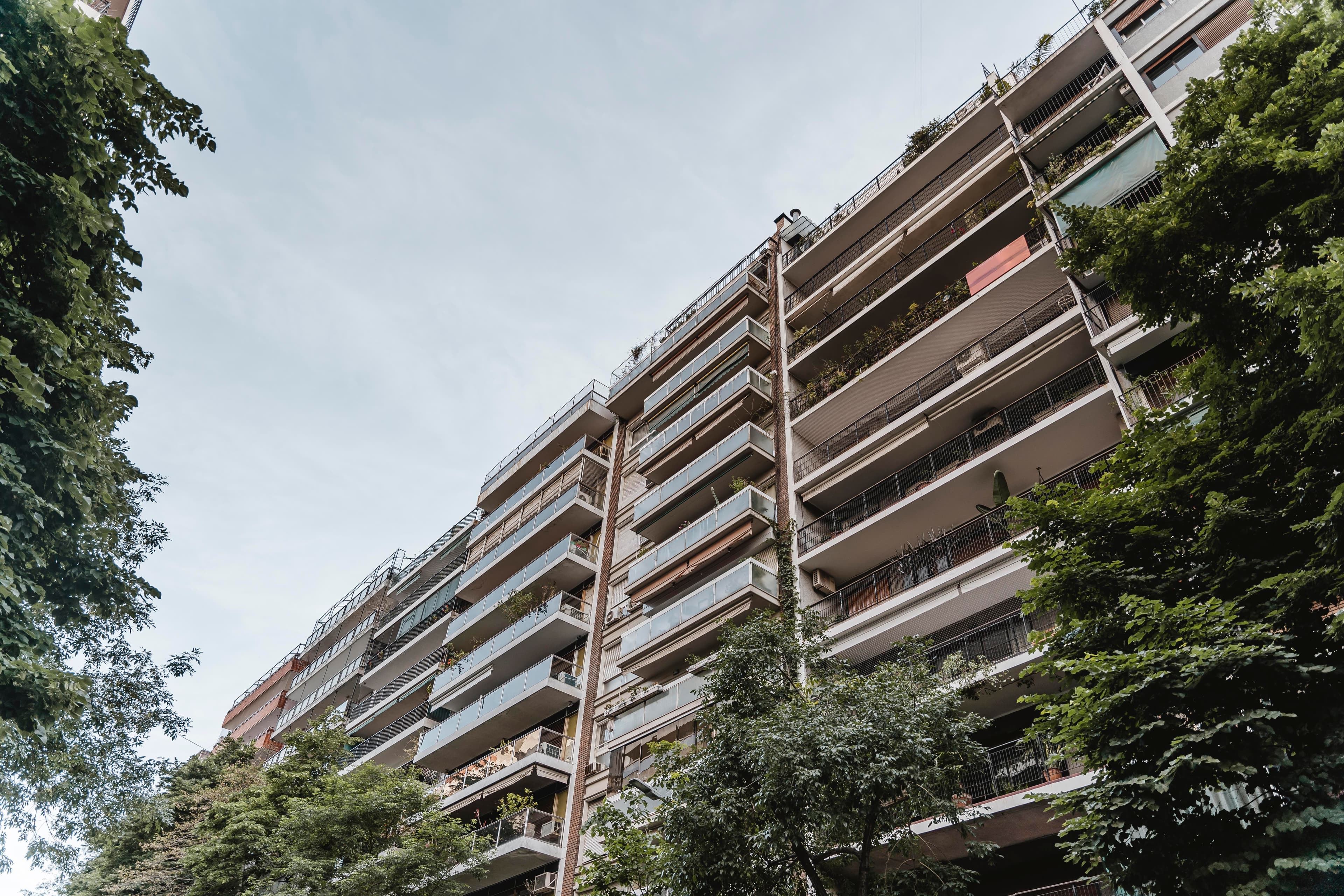
Why do some condominiums attract more residents while others lose value?
Why do some condominiums attract more residents while others lose value?
Dicas para Síndicos e PMES
 24/11/2026
 5 min
For decades, location was considered practically the only relevant factor in property appreciation. Although it remains extremely important, today’s market has made this analysis far more complex. Nowadays, developments on the same street can perform completely differently in terms of appreciation, occupancy and buyer interest.
The reason lies in the evolution of residents’ behaviour. The modern condominium owner does not simply buy a flat. They assess the experience of living in that place, the efficiency of its management, the upkeep of the common areas, the quality of the services offered and the predictability of future expenses. In many cases, the management of the condominium directly influences the perceived value of the property.
This means that property appreciation does not depend solely on external factors. It is also built every day by the decisions made by building managers, management companies and residents’ committees. A well-managed condominium tends to preserve its assets better, attract more prospective buyers and generate greater liquidity for owners. Developments with recurring management problems, on the other hand, may follow the opposite path, even when they are located in sought-after areas. The good news is that a large share of the factors that shape this perception is within the control of the management itself.
Why do some condominiums attract more residents?
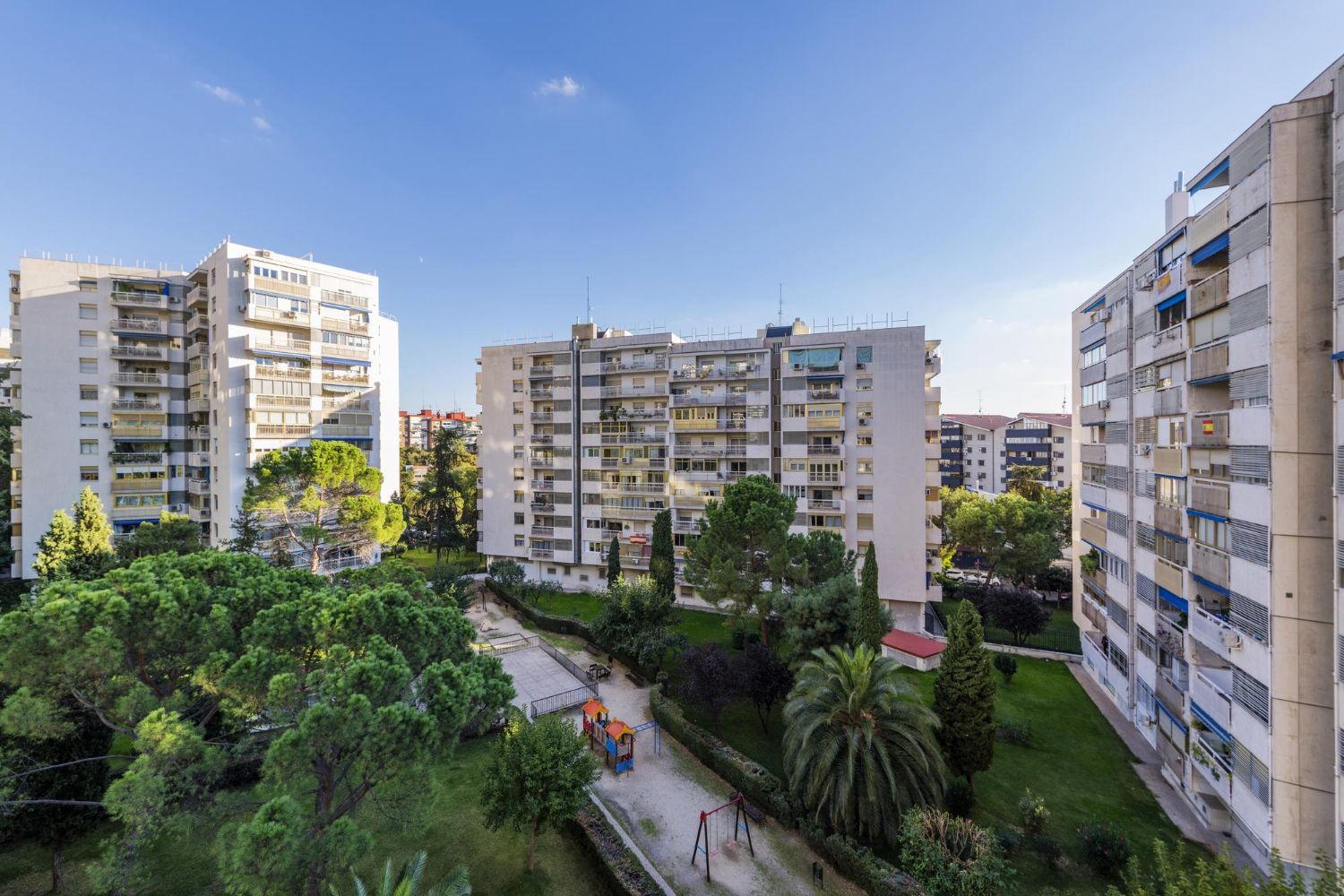
When a family looks for a new home, it normally considers far more than the private unit. The perception of value begins even before the visit to the flat. The condition of the common areas, the organisation of the reception, the cleanliness of the spaces, the lighting, the upkeep of the façade and even the quality of the information provided by the management all influence the decision.
In addition, buyers are increasingly attentive to aspects related to quality of life, sustainability, operational efficiency and financial predictability. A condominium that demonstrates organisation conveys trust. And trust is one of the most valuable assets in the property market. Developments that manage to combine good infrastructure, efficient management and a long-term vision tend to stand out naturally from their competitors.
What adds value to a condominium?
There is no single factor responsible for property appreciation. It is normally the result of a combination of several elements acting simultaneously.
Aspects that add value to condominiums
1. Good upkeep of the common areas
Well-kept corridors, paintwork in good condition, preserved gardens and well-organised communal areas demonstrate care for the property. Besides improving the residents’ experience, these elements create an immediate positive impression on prospective buyers.
2. Organised financial management
Financially healthy condominiums inspire confidence. Well-structured reserve funds, controlled arrears, budget predictability and transparent accounts reduce risks and increase owners’ trust.
3. Up-to-date security
Efficient reception services, modern access control systems, monitoring and security protocols are highly valued factors in today’s market. The sense of security has a direct impact on the purchase decision.
4. Sustainability and energy efficiency
Concern for sustainability is no longer just a trend. Condominiums that invest in energy efficiency, waste reduction and solutions aligned with new environmental demands usually enjoy a better perception of value.
5. Future-ready infrastructure
Electric vehicle chargers, smart systems, adequate connectivity and constant modernisation make the development more competitive over time.
6. Good communication between management and residents
Condominiums where information flows clearly tend to have higher resident satisfaction and fewer conflicts.
7. Control of operating costs
Excessively high condominium fees tend to put buyers off. For this reason, operational efficiency and expense control are important factors in preserving the development’s appeal.
8. Long-term planning
Condominiums that plan ahead can avoid emergency works, spread investments over time and keep their infrastructure in better condition.
What reduces the value of a condominium?
Just as some practices strengthen the property’s value, others contribute to its gradual loss.
Aspects that reduce the value of condominiums
1. Lack of preventive maintenance
When the condominium acts only reactively, simple problems end up turning into expensive and visible repairs. Damp, electrical faults and wear and tear on the infrastructure directly affect residents’ perception.
2. Financial disorganisation
High arrears, insufficient reserves and successive extra levies usually create insecurity. Prospective buyers look at these indicators very closely.
3. Deteriorated common areas
Poorly maintained spaces give a sense of neglect and significantly reduce the development’s appeal.
4. Constantly rising condominium costs
When expenses keep increasing without residents noticing corresponding improvements, the assessment of the condominium tends to worsen.
5. Resistance to modernisation
Condominiums that fail to keep up with technological changes and residents’ new needs may lose competitiveness against more up-to-date developments.
6. Ineffective communication
Conflicts, lack of transparency and inconsistent information damage the relationship between residents and management.
7. Recurring security problems
Operational failures or a lack of updates to protection systems compromise one of the factors most valued by buyers.
8. Absence of sustainable initiatives
Although sustainability is not the only selection criterion, it is gaining increasing importance in the perception of residents and investors.
Step by step: turning management into a factor of appreciation

Many building managers believe that increasing a condominium’s value requires major works or million-pound investments. In practice, the path is usually far more strategic.
Step 1: carry out a complete assessment
The first step is to understand the condominium’s current situation.
It is important to assess:
Financial health;
Condition of the common areas;
Maintenance needs;
Resident satisfaction;
Level of infrastructure modernisation.
Without an assessment, any investment risks tackling the wrong problem.
Step 2: set priorities
Not every improvement needs to be made at the same time. The best results normally emerge when management identifies the areas with the greatest potential for impact and draws up a schedule for gradual progress.
Step 3: eliminate waste
Before considering major investments, it is essential to reduce hidden losses.
Waste related to energy, water, inefficient maintenance and outdated contracts usually represents important opportunities for improvement.
Step 4: invest in experiences that residents notice
Small improvements often generate more return than large projects that are little used. Adequate lighting, efficient cleaning, well-kept landscaping and transparent communication are examples of actions that have an immediate impact.
Step 5: create a culture of continuous improvement
Appreciation does not come from a single action. It is the result of consistent decisions taken over time.
How to maintain management that adds value to the condominium
Building value is important. Preserving it is even more challenging. Many developments carry out one-off improvements but do not develop mechanisms capable of sustaining the results over the years. Maintaining appreciation depends on a few fundamental pillars.
Permanent planning
The condominium needs to work with short-, medium- and long-term horizons. Planning only the annual budget is not normally enough to ensure sustainable growth of the property’s value.
Constant review of contracts
Markets change, suppliers evolve and opportunities arise. Periodic review of contracts helps maintain competitiveness and financial efficiency.
Rigorous monitoring of indicators
Energy consumption, water, arrears, financial reserves and operating expenses need to be monitored continuously. Data-driven management leads to better decisions.
Focus on predictability
Residents value condominiums that manage to avoid financial surprises. For this reason, reducing exposure to unnecessary fluctuations is an important strategy for preserving assets.
The role of energy in the appreciation of condominiums
Energy is no longer just an operating expense. With rising energy costs, the growth of electric mobility and greater interest in sustainability, it has come to directly influence the perception of management quality. Condominiums that manage to control their energy spending better have a greater capacity for planning, preserve resources for improvements and reduce the need for constant pass-through charges to residents. In addition, developments aligned with modern energy consumption practices tend to be better regarded by buyers who value innovation and environmental responsibility.
How NewSun’s clean energy subscription contributes to property appreciation

Among the initiatives capable of strengthening the financial and energy management of condominiums, NewSun’s clean energy subscription deserves a mention. The model allows the condominium to take part in a solution based on renewable distributed generation without the need to install solar panels, buy equipment or carry out works.
The distribution company’s supply continues as normal. This means that building managers and management companies can adopt a more modern energy solution without altering the development’s infrastructure. In addition to contributing to more sustainable management, the subscription offers relevant benefits for the condominium’s financial planning.
These include:
Savings on the energy bill;
Greater predictability of energy costs;
Reduced exposure to the impact of tariff flags on the offset portion of consumption;
No investment in own equipment;
No costs related to the maintenance of generation systems.
In practice, this allows the condominium’s cash to be used more intelligently, directing resources towards maintenance, modernisation and asset appreciation instead of tying them up in energy infrastructure. For residents and prospective buyers, this type of initiative reinforces the image of a modern, efficient condominium that is prepared for future challenges.
A valued condominium is the result of consistent management
There is no magic formula for property appreciation. Condominiums that stand out in the market normally share one characteristic: consistent management over time. They look after the infrastructure, plan investments, control expenses, communicate well with residents and constantly seek ways to increase operational efficiency. The result of this work shows in residents’ satisfaction, in the appeal to new buyers and in the ability to preserve assets in the face of changes in the property market. In an increasingly competitive environment, appreciation is no longer the exclusive consequence of location and is built every day through the decisions taken within the condominium management itself.
You may also like
- Dicas para Síndicos e PMES
 24/11/2026
 5m
- Sustentabilidade e Meio Ambiente19/11/20265m
- Dicas para Síndicos e PMES17/11/20265m





Stop paying more for your energy bill
Find out in less than 1 minute how much you could save with clean energy every month — no works and no bureaucracy.
Join the energy revolution
Subscribe to our newsletter and receive exclusive content