
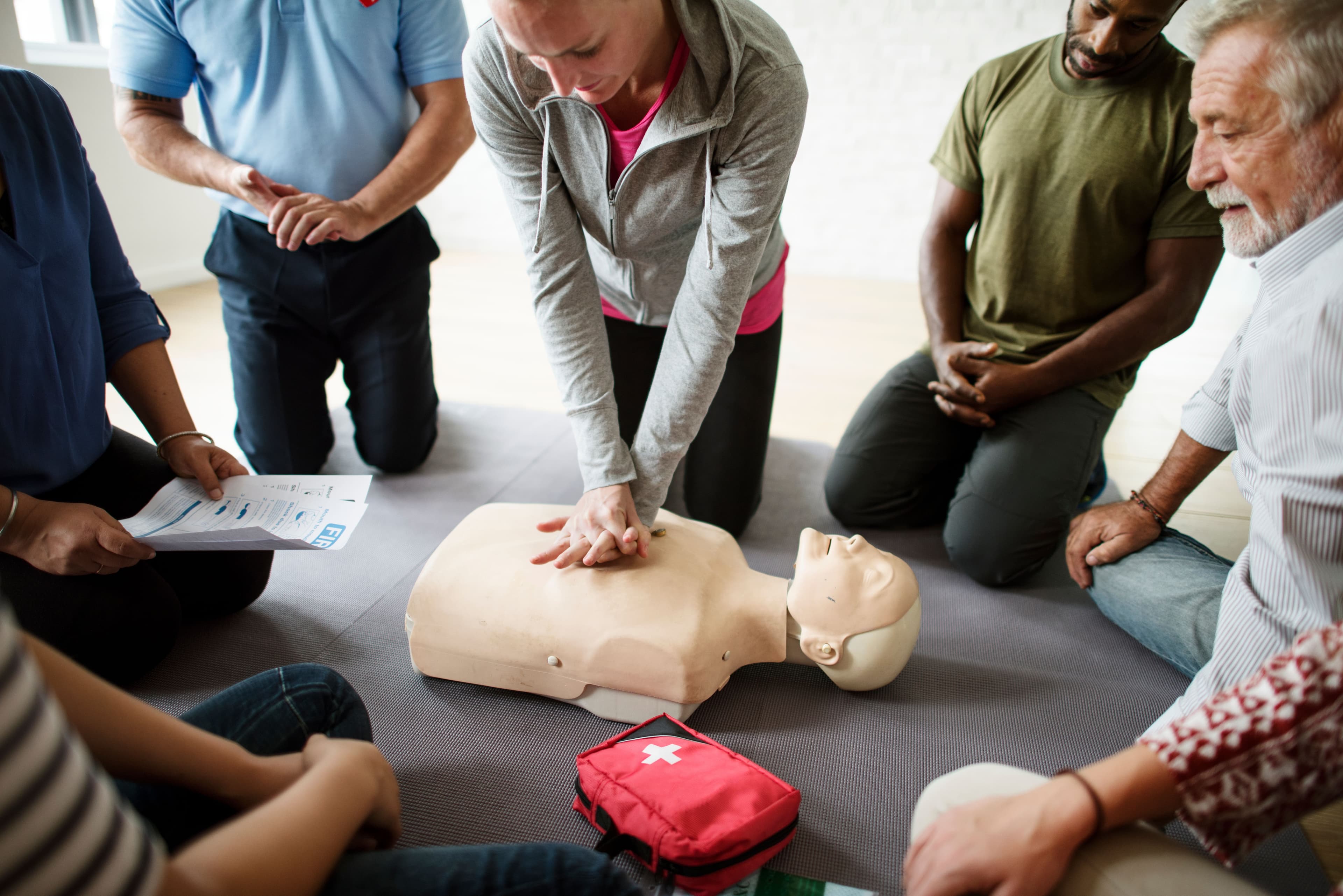
Why and How to Run First Aid Training in Condominiums
Why and How to Run First Aid Training in Condominiums
Dicas para Síndicos e PMES
 13/05/2026
 5 min
5 minManaging a modern condominium requires the building manager to act as a true risk manager, balancing structural maintenance with the safety and wellbeing of residents and staff. In the day-to-day life of a condominium, domestic accidents are a statistical reality that cannot be ignored. From falls in common areas to choking incidents inside private units, the speed and quality of the first response can be the difference between a passing scare and a fatality. For this reason, planning first aid training in condominiums has become one of the most urgent items on the agenda of contemporary condominium management.
The importance of training both staff and residents in first aid techniques stems from the nature of the residential environment. Condominiums are complex ecosystems where children, elderly people, service providers and visitors circulate at all hours. Often, the doorman or caretaker is the closest authority during a health crisis, and their ability to stay calm and apply basic first aid manoeuvres is what keeps the victim alive until SAMU or the Fire Brigade arrives. This guide explores in depth the reasons why the building manager should prioritise this training, the legal frameworks that support this need, and the practical strategies for implementing a culture of prevention against domestic accidents.
The Need for First Aid in Condominium Management
The first step for a building manager planning for safety is to understand that first aid training is not an expense, but an investment in damage mitigation. Domestic accidents are one of the leading causes of hospital admission in Brazil, and the condominium, being the place where people spend most of their time, is a frequent setting for these episodes. When a cardiac arrest or severe choking occurs, the acceptable response time is measured in seconds or a few minutes; any delay in first aid assistance can result in irreversible after-effects or death.
Beyond the humanitarian issue, there is a governance component. A condominium that actively promotes first aid knowledge demonstrates professionalism and diligence, which has an impact on property value and on residents' confidence in the management. The building manager, as the legal representative, must understand that their responsibility extends to ensuring the team is prepared to act in accordance with current regulations, protecting the community against the risks inherent in domestic accidents.
The Impact of the Lucas Law on Condominium Routine
Brazilian legislation took a significant step in protecting life with the enactment of Federal Law No. 13,722 of 2018, widely known as the Lucas Law. Although the legal text focuses primarily on educational establishments and children's recreational facilities, its implications for condominiums are direct and profound, especially those with playgrounds, play areas or in-house recreational services. The law was prompted by the tragic death of Lucas Begalli Zamora, a child who died of asphyxiation after choking during a school outing, highlighting that a lack of first aid training can cost lives.
For the building manager, the Lucas Law serves as an ethical and legal reminder that venues with a flow of children must have staff trained to identify and act in urgent and emergency situations. Mandatory annual training and the requirement to display certification in visible locations are practices that many building managers are already voluntarily adopting in common areas to raise the condominium's safety standards. Ignoring this trend towards preparedness for handling domestic accidents can expose management to serious scrutiny in the event of a severe incident involving minors on the building's premises.
Domestic Accident Statistics in the Brazilian Context
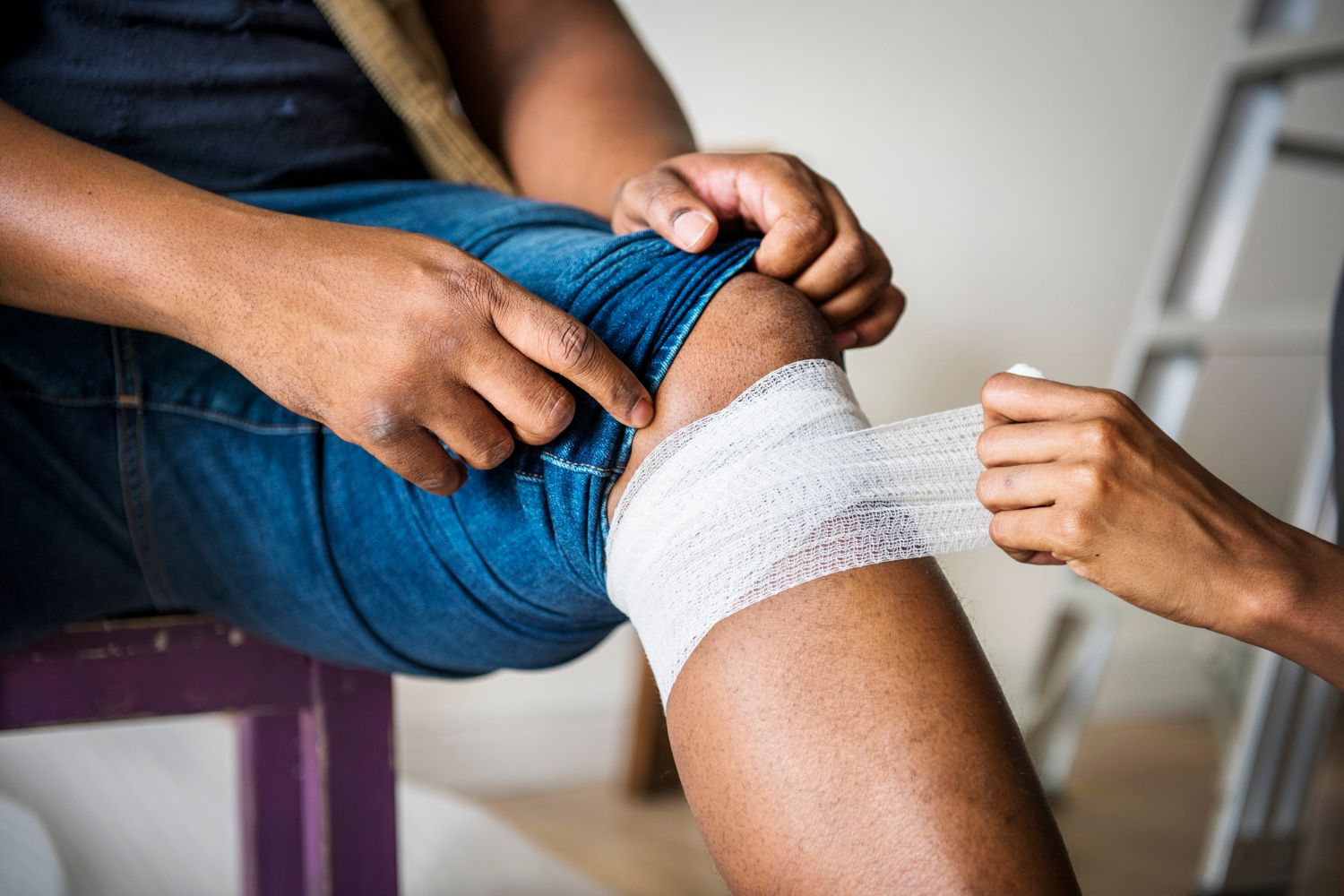
To understand the urgency of first aid, it is necessary to look at the data. In 2024, records from the Mortality Information System (SIM) showed that hundreds of children and adolescents lost their lives in domestic accidents in Brazil, with mechanical asphyxiation from choking being the predominant cause. Other recurring incidents in condominiums include swimming pool drownings, falls from various heights, and exposure to electrical currents in leisure or maintenance areas. It is estimated that 90% of these occurrences could be avoided or minimised with simple prevention measures and initial first aid care.
The profile of domestic accident victims also includes the elderly population, who face heightened risks of falls and fractures in areas such as staircases, ramps and corridors within the condominium. Having a caretaker or doorman trained in first aid to perform correct immobilisation and call for specialist support can prevent the worsening of spinal or limb injuries. For the building manager, these figures justify creating internal awareness campaigns that show residents how small changes in the home environment and behaviour can drastically reduce the incidence of domestic accidents.
Planning First Aid Training for Staff
Training for condominium staff must be structured to cover all work shifts, ensuring that there is always someone trained on duty at the front desk or in the caretaker's office. Staff are the "first responders" and must master basic life support techniques, such as cardiac massage (CPR), the Heimlich manoeuvre for clearing airway obstructions, and basic care for burns and wounds. The building manager should seek out companies specialising in workplace safety to run these first aid courses, ensuring the content is up to date and practical.
It is essential that the treinamento includes simulations of real scenarios within the condominium itself. Knowing how to act when a lift is stuck with a passenger feeling unwell, or how to cordon off an area after an electrical accident, gives staff the confidence needed not to freeze in a crisis. In addition, NR-05 requires at least one condominium employee to undergo CIPA (Internal Accident Prevention Committee) training, which covers fundamental first aid concepts to protect both colleagues and residents against domestic accidents in shared living areas.
Engaging Residents in Emergency Protocols
Although the staff team is the backbone of a rapid response, engaging residents is what creates a genuine safety network within the condominium. The building manager can organise first aid workshops open to all residents, teaching simple techniques that can be applied at home until help arrives. Instructing residents on how to identify signs of a heart attack or stroke is essential, as the time saved in recognising symptoms is crucial for survival in serious domestic accidents.
Visual communication is a powerful tool in this process. Putting up educational posters in lifts and leisure areas about how to act in the event of a child choking or a fall into the pool keeps first aid front of mind within the community. When a condominium invests in educating its residents, it not only prevents domestic accidents but also empowers each individual to act as a safety agent, reducing panic and rash actions that could worsen the victim's situation.
Essential Items for a Condominium First Aid Kit
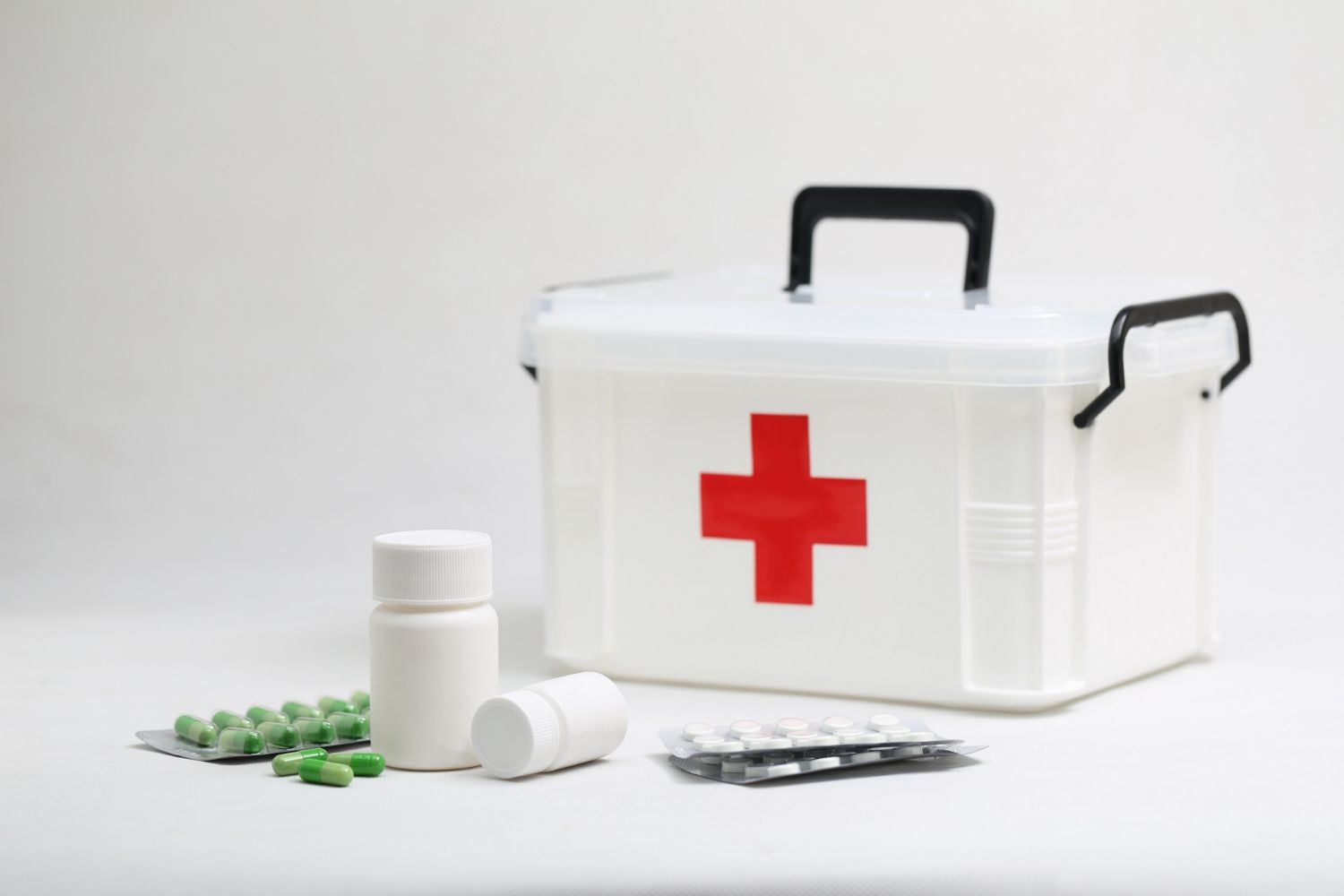
Compliance with NR-07 requires the condominium to maintain a complete, accessible and well-signposted first aid kit. The building manager must ensure that the caretaker or the person responsible for CIPA carries out periodic inspections to replace items that have been used or have expired. First aid materials must be stored in a suitable location and kept under the care of trained personnel, as required by the regulatory standard.
Disposable procedure gloves and respiratory protection masks.
Sterile gauze, crepe bandages of various sizes and adhesive tape.
0.9% saline solution for cleaning wounds and eyes.
Topical antiseptics (such as degerming chlorhexidine) for disinfection.
Round-tipped scissors and auxiliary tweezers.
Digital thermometer and emergency thermal blanket.
Cervical collar for preventive immobilisation in cases of serious falls.
Having this material available in the condominium's common areas allows initial care for the effects of domestic accidents to be carried out hygienically and skilfully, preventing infections and further complications.
Defibrillators and Mandatory Regional Legislation
The presence of an Automated External Defibrillator (AED) is a legal requirement in several Brazilian capitals for venues with high footfall, which includes many large condominiums. In São Paulo, Law No. 13,945 establishes the mandatory presence of the device in establishments with an average footfall of 1,500 people per day. In Rio de Janeiro, municipal and state legislation reinforces that shopping centres, clubs and high-traffic commercial or residential condominiums must have the equipment and staff trained in first aid to operate it.
The AED is a vital device that can reverse fatal arrhythmias before medical support arrives. For the building manager, investing in a defibrillator and the corresponding first aid training is an extreme precautionary measure that can save lives in cases of sudden death, often resulting from domestic accidents of an electrical nature or acute stress. Cities such as Curitiba and Belo Horizonte also have regulatory frameworks that encourage the presence of these devices in private spaces for collective use, highlighting the importance of keeping the equipment's batteries and electrodes properly maintained.
Civil and Criminal Liability of the Building Manager in Incidents
Failure or lack of preparedness to deal with domestic accidents in common areas can lead to serious legal consequences for the building manager. Under the Civil Code, the building manager is civilly and criminally liable for damage arising from negligence in the maintenance or safety of the condominium's common areas. If a resident falls due to an unmarked wet floor and the staff member present does not know how to administer basic first aid, the condominium may be ordered to pay compensation for material damages, moral damages and loss of earnings.
Recent case law shows that courts, such as the TJDFT, examine whether the condominium adopted "reasonable maintenance and safety measures". Having a documented first aid training plan and a certified team serves as evidence of due diligence on the part of management. On the other hand, the absence of proper signage and the lack of immediate assistance constitute clear negligence, obliging the condominium to repair the damage caused by the failure to prevent domestic accidents.
Savings and Safety with a NewSun Energy Subscription

Keeping a condominium safe, with up-to-date training and state-of-the-art equipment, requires financial resources that are often tied up in high operating costs, such as electricity bills. The NewSun Energy Group offers a strategic solution that allows the building manager to save money sustainably: a clean energy subscription. By adopting this model, the condominium stabilises the electricity bill for common areas and shields the budget against fluctuations in tariff bands, generating a progressive saving that can be reinvested in safety and first aid.
Beyond the financial benefits, NewSun Energy offers genuinely human service and access to the NewSun Energy Club, an exclusive platform where the building manager can track energy consumption. This transparency makes it easier to plan investments in infrastructure, such as modernising emergency lighting and acquiring new kits for handling domestic accidents. With the predictability that NewSun provides, condominium management gains the breathing room to prioritise what really matters: the life and safety of those who live and work in the condominium.
Find out more about our Solutions for Condominiums.
Step-by-Step Guide to an Effective Contingency Plan
For first aid training to be truly effective, it must be part of a structured Contingency Plan, known as the condominium's Emergency Manual. This document defines each person's responsibilities in different types of crises and ensures that knowledge is not concentrated in a single employee. The building manager must ensure this manual is reviewed annually and that copies are available in strategic locations, such as the front desk and the plant room.
Risk Mapping: Identify areas with a higher potential for domestic accidents, such as pool edges, fire escapes and playgrounds.
Training Schedule: Set fixed dates for training new staff and refreshing existing staff in first aid.
Periodic Drills: Carry out evacuation exercises and medical response simulations to test the team's response time.
Publishing Contacts: Keep a visible list of emergency numbers (190, 192, 193) and contact details for lift and gas maintenance companies.
Equipment Checklist: Check monthly the expiry dates of items in the first aid kit and the working condition of the defibrillator (AED).
A well-executed plan drastically reduces the chances of fatal errors during initial care for domestic accidents and strengthens the building manager's image as a preventive and efficient manager.
The Psychology of Response in Crisis Situations
First aid training should not be limited to motor techniques, but should also address the psychological aspect of assistance. In a condominium, the person providing first aid often knows the victim personally, which can cause emotional blocking in the moment of crisis. Training staff to stay calm and project quiet authority helps soothe the victim and any family members present, which is essential to the success of any intervention involving domestic accidents.
Knowing how to manage the crowd of onlookers that often gathers around domestic accidents in common areas is another vital skill. The building manager should instruct staff to assign specific tasks to those present, such as "you, call 192" or "you, go to the gate to wait for the ambulance", which organises the scene of first aid care and saves time. This professional approach not only saves lives but also prevents panic from spreading through the condominium, maintaining order and collective safety even in the most challenging moments.
A Safety Culture for the Condominium's Longevity
Promoting first aid training is a commitment to life that goes beyond the building manager's contractual obligations. In a scenario where domestic accidents remain a silent threat, the technical and emotional preparedness of the condominium community is the most effective shield. By combining compliance with laws such as the Lucas Law and the NRs with smart financial management supported by partners like NewSun Energy, the building manager creates an environment where safety is a non-negotiable value and savings generate real protection.
The journey towards a safer condominium begins with awareness and continues through the rigorous planning of every detail of the emergency infrastructure. From choosing the items for the first aid kit to deciding to install a defibrillator, every step helps reduce the negative impact of domestic accidents. When staff and residents move forward together, informed and vigilant, the condominium stops being just a collection of buildings and becomes a resilient community, capable of protecting its most precious asset: the people who live there.
You may also like
- Casos de Sucesso
 20/10/2026
 5m
5m - Dicas para Síndicos e PMES16/10/20265m
- Dicas para Síndicos e PMES13/10/20265m


Stop paying more for your energy bill
Find out in less than 1 minute how much you could save with clean energy every month — no works and no bureaucracy.
Join the energy revolution
Subscribe to our newsletter and receive exclusive content