What is the Legal Framework for Distributed Generation? Understand the law that transformed the energy market in Brazil
What is the Legal Framework for Distributed Generation? Understand the law that transformed the energy market in Brazil
Energia por Assinatura
 02/10/2026
 5 min
5 minIn recent years, the Brazilian energy market has undergone a quiet but highly significant transformation. For decades, the prevailing model was simple: large power plants generated energy, distribution companies delivered this electricity to consumers and consumers simply paid their bills each month. Consumers had little or no involvement in the generation process.
With the advance of renewable technologies, especially solar energy, a new concept emerged: the possibility for consumers themselves to generate part of the energy they use. This movement became known as distributed generation and paved the way for a much more decentralised, democratic and sustainable market.
To keep pace with this evolution, it became necessary to create clear rules that would provide legal certainty for consumers, investors and companies in the electricity sector alike. It was in this context that the so-called Legal Framework for Distributed Generation was created, established by Law No. 14.300 of 6 January 2022.
Today, this legislation is one of the foundations supporting innovative models for accessing clean energy in Brazil, including arrangements that make it possible to benefit from distributed generation without needing to install equipment oneself.
What was the market like before the Legal Framework?
To understand the importance of the law, it is necessary to go back a few years. Until 2012, Brazilian consumers played an exclusively passive role in the electricity sector. They bought energy from the distribution company and had no practical means of producing electricity for their own consumption within the rules of the national system.
The major change began with the publication of ANEEL Normative Resolution No. 482/2012, which officially allowed micro and mini distributed generation and created the Electricity Compensation System (SCEE).
This resolution was considered revolutionary because it enabled consumers to generate energy from renewable sources and inject unused surplus into the electricity grid. In return, they received energy credits that could later be used to offset their consumption.
Over the years, the market grew rapidly. New arrangements emerged, projects increased in scale and distributed generation became part of strategic discussions about the national energy mix.
However, despite the success of the regulation, the rules remained based on regulatory resolutions rather than on a specific federal law. This created debates around predictability and legal certainty for investors and consumers.
Why did the Legal Framework for Distributed Generation come about?
The accelerated growth of distributed generation brought various benefits to the Brazilian electricity system, but it also raised discussions about costs, grid expansion and the regulatory sustainability of the model.
On one side, consumers, companies and sector bodies defended maintaining the incentives that had driven the growth of distributed generation. On the other, distribution companies and some market players argued for the need to review certain mechanisms related to the use of electricity infrastructure.
After years of debate in the National Congress and the electricity sector, Bill No. 5.829/2019 was approved, resulting in Law No. 14.300/2022. This legislation consolidated the rules for micro and mini distributed generation at federal level, establishing a more stable legal structure for the market.
Its main objective was to create long-term predictability, reducing regulatory uncertainty and enabling consumers and investors to continue planning distributed generation projects with greater confidence.
What does Law 14.300 regulate?
Law 14.300 does not deal only with solar energy. It regulates the entire universe of micro and mini distributed generation, as well as the Electricity Compensation System. In simple terms, the legislation establishes who can generate energy, how this energy can be used, which participation models are permitted and how the relationship between generating consumers and distribution companies works. The law also formally defined important concepts that were already being used in practice by the market.
What is distributed microgeneration?
Distributed microgeneration refers to generating plants with installed capacity of up to 75 kW connected to the distribution grid. This category is usually associated with systems installed in homes, small businesses and smaller-scale ventures.
What is distributed minigeneration?
Distributed minigeneration, on the other hand, covers larger projects, above 75 kW and within the limits established by the legislation. This category is particularly relevant for shared projects and generation structures at a scale compatible with serving multiple consumers.
What is the Electricity Compensation System?
The Electricity Compensation System (SCEE) is one of the pillars of distributed generation. In practice, it allows surplus energy generated and injected into the grid to be converted into credits that can be used to offset future consumption by the consumer unit.
A simple way to understand this mechanism is to imagine the electricity grid functioning as a kind of “energy bank”. When there is surplus generation, it is made available to the system and converted into credits that can later be used, within the rules in force.
The arrangements that changed the electricity sector
One of the most important aspects of Law 14.300 was consolidating arrangements that expanded access to distributed generation for consumer profiles that are not able to install their own systems.
These include:
Remote self-consumption
Allows energy credits to be used by consumer units under the same ownership and served by the same distribution company.
Projects with multiple consumer units
An arrangement often associated with residential and commercial condominiums, allowing generation to be shared within certain legal criteria.
Shared generation
Allows consumers to organise themselves through specific structures provided for in the legislation in order to enjoy the benefits of distributed generation collectively. These arrangements were decisive in expanding the reach of distributed energy and transforming the way different consumer profiles can access energy from renewable sources.
Why is the Legal Framework so important for Brazil?
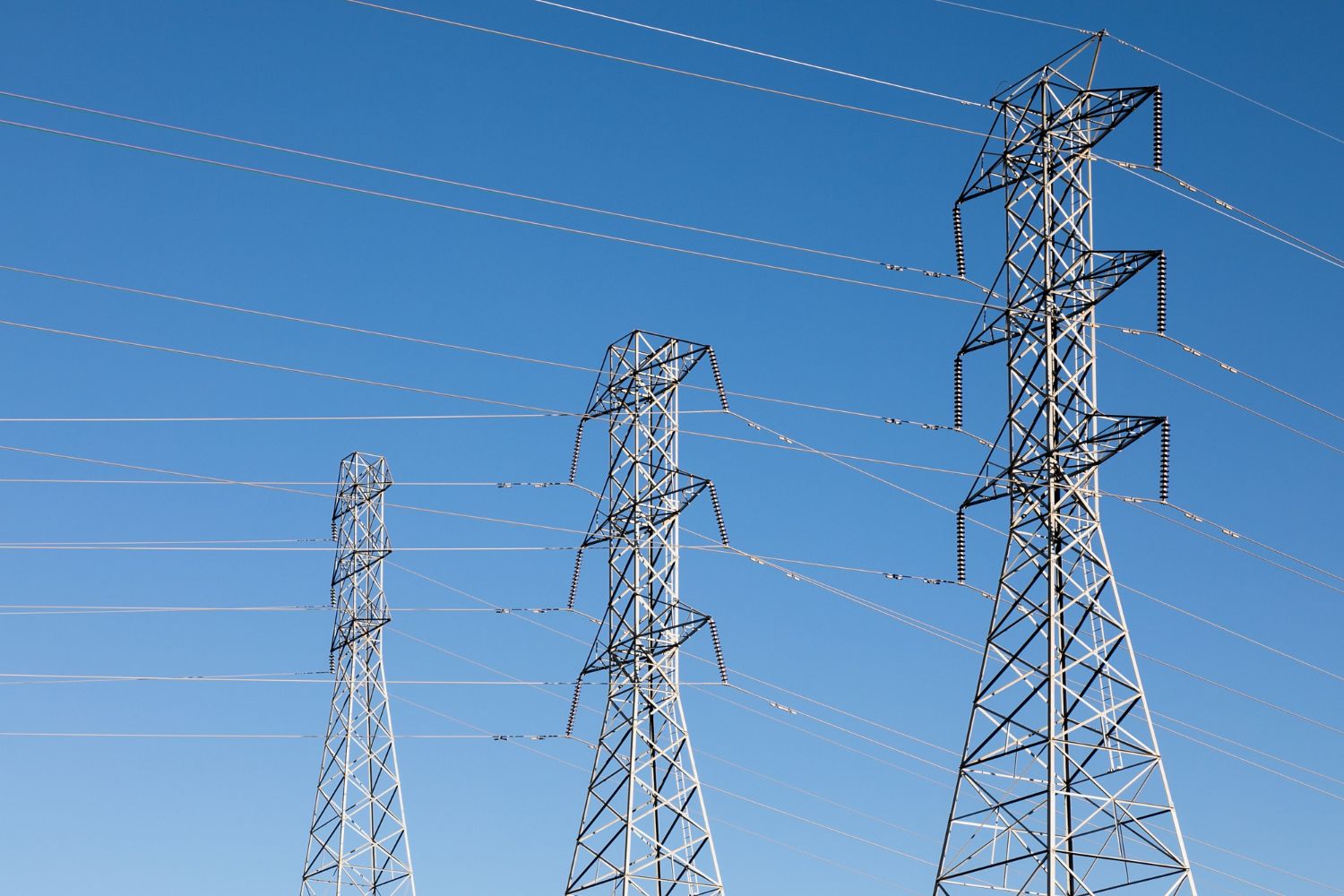
Law 14.300 goes beyond the regulation of a specific segment. It represents an important step in the modernisation of Brazil’s energy mix, encouraging decentralised generation and strengthening the use of renewable sources.
By allowing more consumers to participate in the energy process, the country reduces the concentration of electricity production and encourages models closer to consumption centres.
Another benefit is the encouragement of private investment in energy infrastructure. With clearer rules, companies, investors and consumers now have a more predictable regulatory environment in which to develop new projects. In addition, distributed generation contributes to diversifying the electricity mix, increasing the share of renewable sources in national energy production.
How does the Legal Framework enable energy subscription to work?
A frequent question among consumers is why models now exist that allow access to clean energy without needing to install solar panels in their own home, company or condominium. The answer lies precisely in the arrangements provided for and consolidated by the Legal Framework for Distributed Generation.
By recognising mechanisms such as shared generation and energy compensation systems, the legislation created conditions for consumers to benefit from energy produced in remote plants, provided the current regulatory rules are observed. This enabled the development of innovative solutions that bring consumers closer to renewable generation without requiring direct investment in their own infrastructure.
How does NewSun’s energy subscription work?
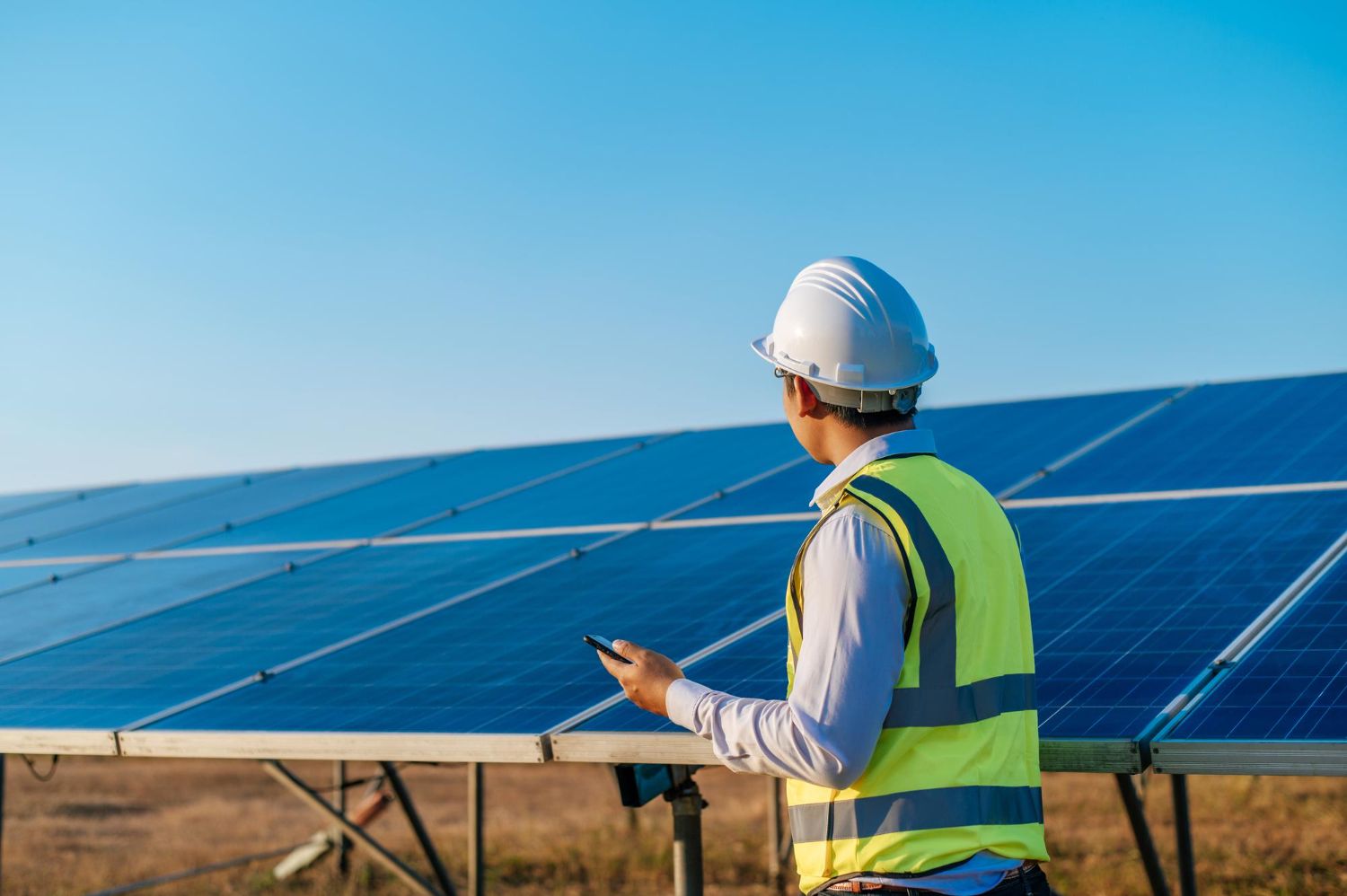
NewSun’s energy subscription was created to make access to clean energy simpler, more predictable and better suited to the routines of condominium managers, property management companies and small and medium-sized businesses. Instead of purchasing equipment, carrying out construction work or investing in their own installations, consumers participate in a subscription model connected to the NewSun Energy Ecosystem.
In practice, there is no need to buy solar panels, modify the property’s electrical infrastructure or carry out any construction work to join. Energy supply by the distribution company remains exactly the same. What changes is the way energy credits are used within the rules permitted by current legislation.
This experience is designed to reduce bureaucracy, increase predictability and simplify the energy journey for customers. NewSun’s proposal helps to make the way condominiums and companies relate to energy less bureaucratic, more digital, more decentralised and more decarbonised.
Want to find out what impact the solution could have for your reality?
Run a free simulation now using NewSun’s Savings Calculator and see how energy subscription can contribute to more predictable and sustainable management.
The future of distributed generation in Brazil
Distributed generation has moved beyond being a trend and has become a relevant component of the Brazilian electricity system.
With the consolidation of the Legal Framework, the country now has a more robust regulatory structure to support the expansion of this model. ANEEL’s continued work and the complementary regulation of the provisions of Law 14.300 have also contributed to the maturity of the market.
As technologies evolve and new solutions emerge, the tendency is for more and more consumers to seek alternatives that combine financial predictability, sustainability and operational simplicity.
In this context, condominium managers, property management companies and businesses have the opportunity to turn energy into a strategic management element, rather than seeing it only as a monthly expense.
Conclusion
The Legal Framework for Distributed Generation, established by Law No. 14.300/2022, represents one of the most important milestones in the transformation of the Brazilian electricity sector. By consolidating rules for microgeneration, distributed minigeneration and energy compensation, the legislation brought greater legal certainty for consumers, investors and companies.
More than regulating a market, the law helped expand access to renewable energy, encourage decentralised electricity generation and create conditions for the emergence of new energy consumption models.
Among these models is energy subscription, which allows condominium managers, property management companies and businesses to access the benefits of distributed generation without needing to invest in their own equipment. It is an evolution aligned with the future of energy: smarter, more sustainable and increasingly accessible.
You may also like
- Energia por Assinatura
 02/10/2026
 5m
5m - Energia por Assinatura01/10/20265m
- Dicas para Síndicos e PMES30/09/20265m


Stop paying more for your energy bill
Find out in less than 1 minute how much you could save with clean energy every month — no works and no bureaucracy.
Join the energy revolution
Subscribe to our newsletter and receive exclusive content