
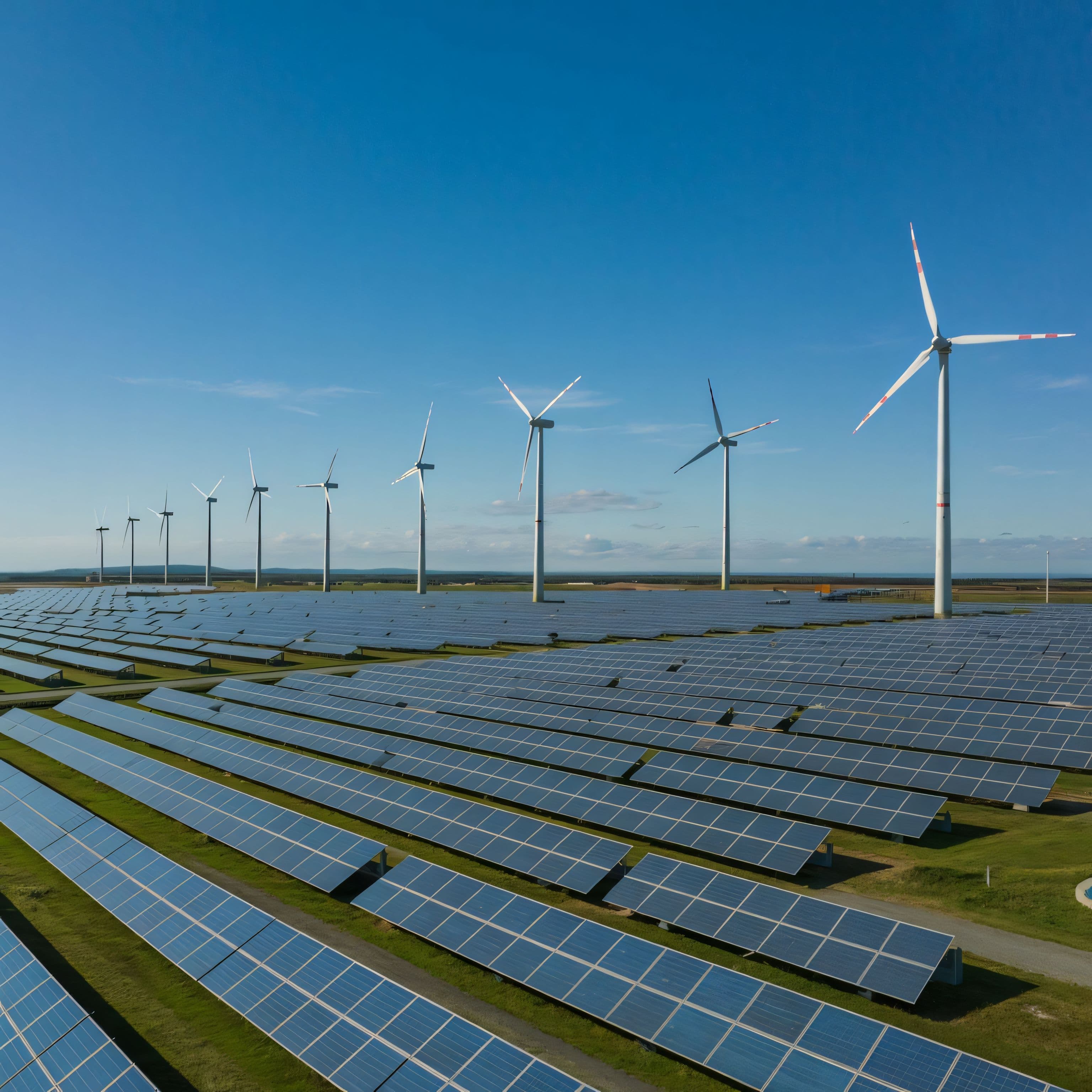
What Is Clean Energy? Understand How It Works and Why It Is Transforming the Future of Energy
What Is Clean Energy? Understand How It Works and Why It Is Transforming the Future of Energy
Sustentabilidade e Meio Ambiente
 21/09/2026
 5 min
5 minYou have probably heard of clean energy, renewable energy or the energy transition. These terms appear increasingly often in the news, in debates about sustainability and in discussions related to the future of the global economy. But, after all, what really defines an energy source as clean?
Although the concept may seem simple, it involves a series of characteristics related to the environmental impact of energy generation. In a world seeking to reduce greenhouse gas emissions and decrease dependence on fossil fuels, clean sources have gained prominence and have taken on a strategic role for governments, companies and consumers alike.
In Brazil, this transformation is taking place in a particularly interesting way. The country has one of the most renewable energy matrices on the planet and offers extremely favourable conditions for the development of different clean energy sources, especially solar and wind. According to EPE – the Energy Research Office, renewable sources account for almost half of Brazil’s energy matrix and more than 88% of the national electricity matrix, figures far above the global average.
Understanding how these sources work helps not only to comprehend the changes taking place in the energy sector, but also to identify opportunities to make consumption more sustainable and aligned with the demands of the future.
What is clean energy?
In simple terms, clean energy is energy produced with low environmental impact and reduced emissions of gases responsible for global warming. In general, this concept is associated with renewable sources, that is, those capable of regenerating naturally on a scale compatible with human consumption. Unlike fossil fuels such as oil, coal and natural gas, renewable sources use abundant natural resources that are continuously available.
This does not mean that every clean source has zero environmental impact. Every human activity generates some type of impact. What sets these sources apart is the fact that they produce electricity with significantly lower emissions and place less pressure on natural resources when compared with traditional energy models.
For this reason, clean energy has become one of the pillars of the global energy transition, a movement that seeks to make generation systems more sustainable, efficient and resilient to climate change.
Types of clean energy
There are different ways to produce clean energy. Each one uses a specific natural resource to generate electricity.
Solar energy
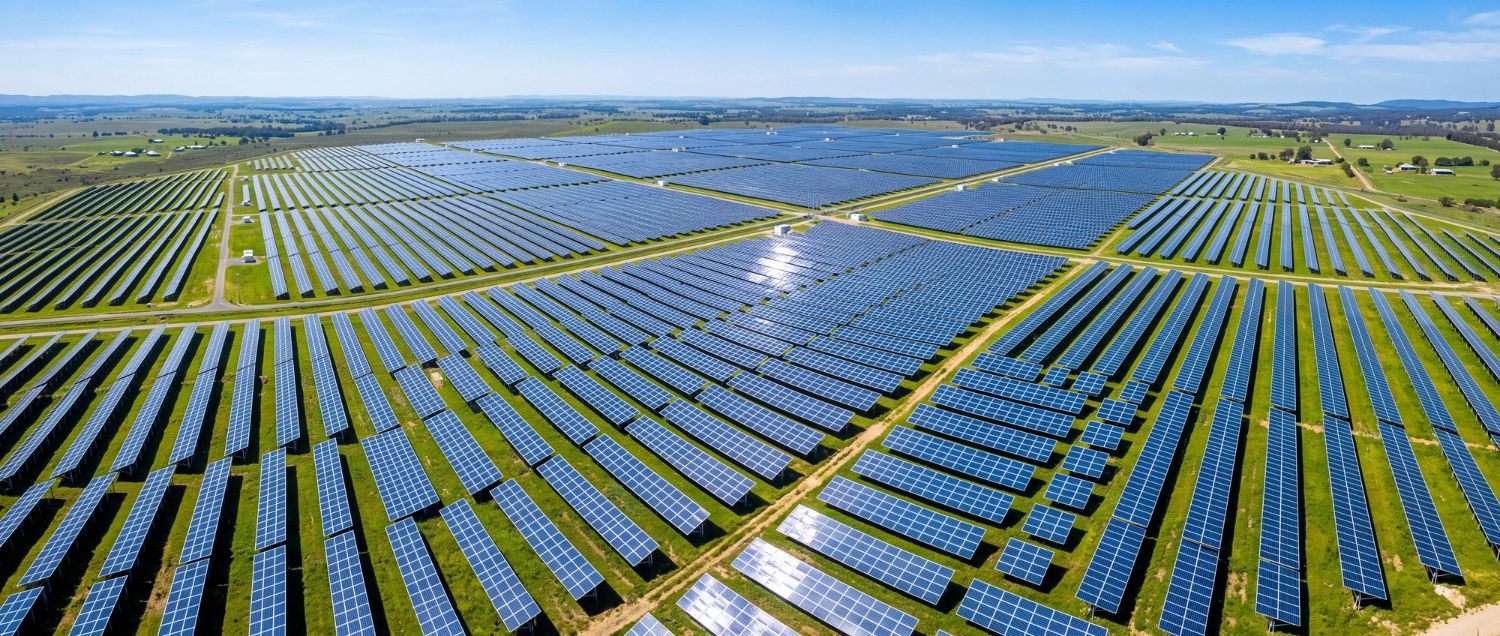
Solar energy uses radiation from the sun to produce electricity. In the photovoltaic model, solar panels capture sunlight and convert it directly into electrical energy through photovoltaic cells.
It is currently one of the fastest-growing sources worldwide. In addition to the abundance of the natural resource, technological advances and lower implementation costs have contributed to its rapid expansion in recent years. According to the International Energy Agency (IEA), solar photovoltaic energy is now the fastest-growing electricity generation technology globally.
Wind energy
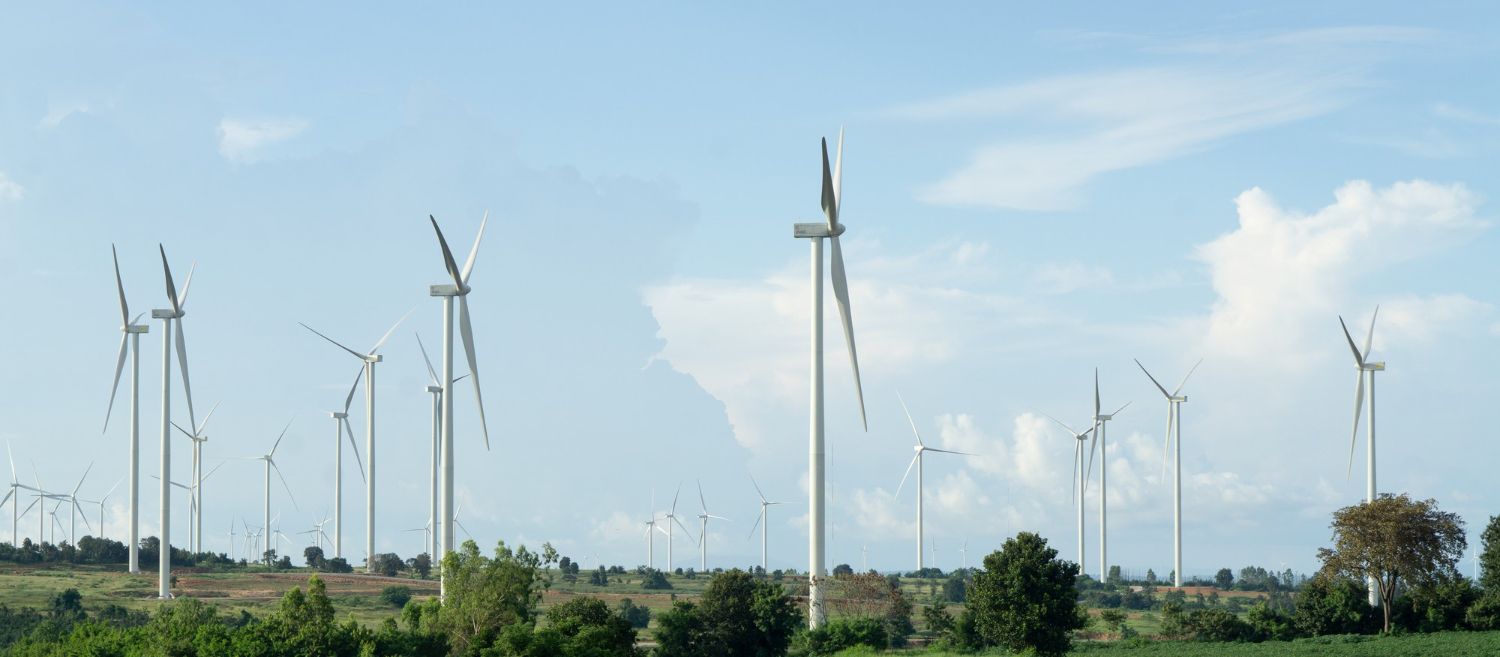
Wind energy uses the force of the wind to move turbines that drive electrical generators.
Brazil has some of the best conditions in the world for this technology, especially in the Northeast region. The combination of strong, regular and predictable winds helps make this source extremely competitive in the national electricity matrix.
Hydroelectric energy
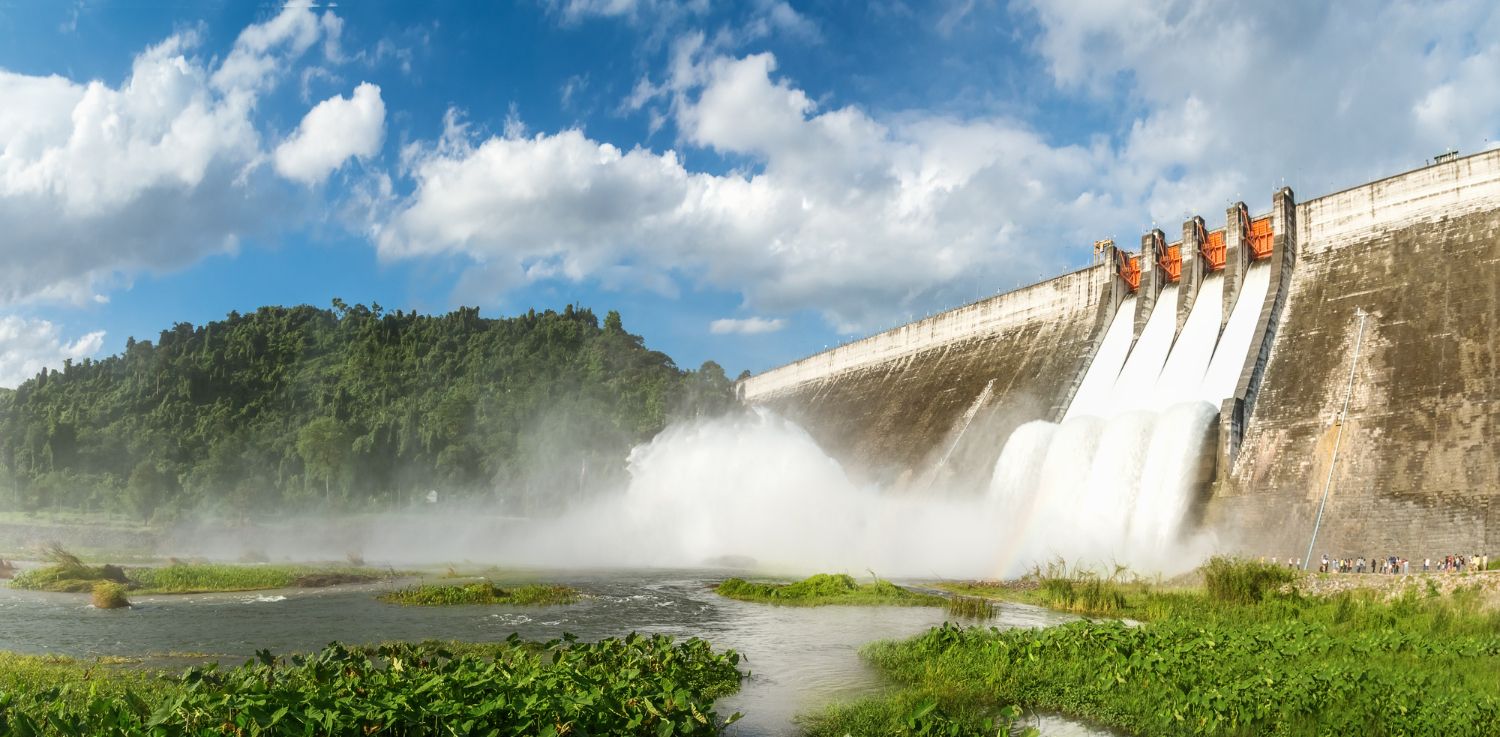
Hydroelectric energy uses the movement of water to turn turbines and produce electricity.
It remains the main source in Brazil’s electricity matrix and was responsible, for decades, for building a predominantly renewable system. Although it is considered clean, large-scale hydroelectric projects can generate environmental impacts related to reservoir formation and changes to local ecosystems.
Biomass

Biomass uses organic matter to generate energy. Examples include agricultural waste, wood from reforestation and by-products from the sugar-energy industry.
In Brazil, sugarcane biomass plays an important role both in electricity generation and in the production of biofuels.
Geothermal energy
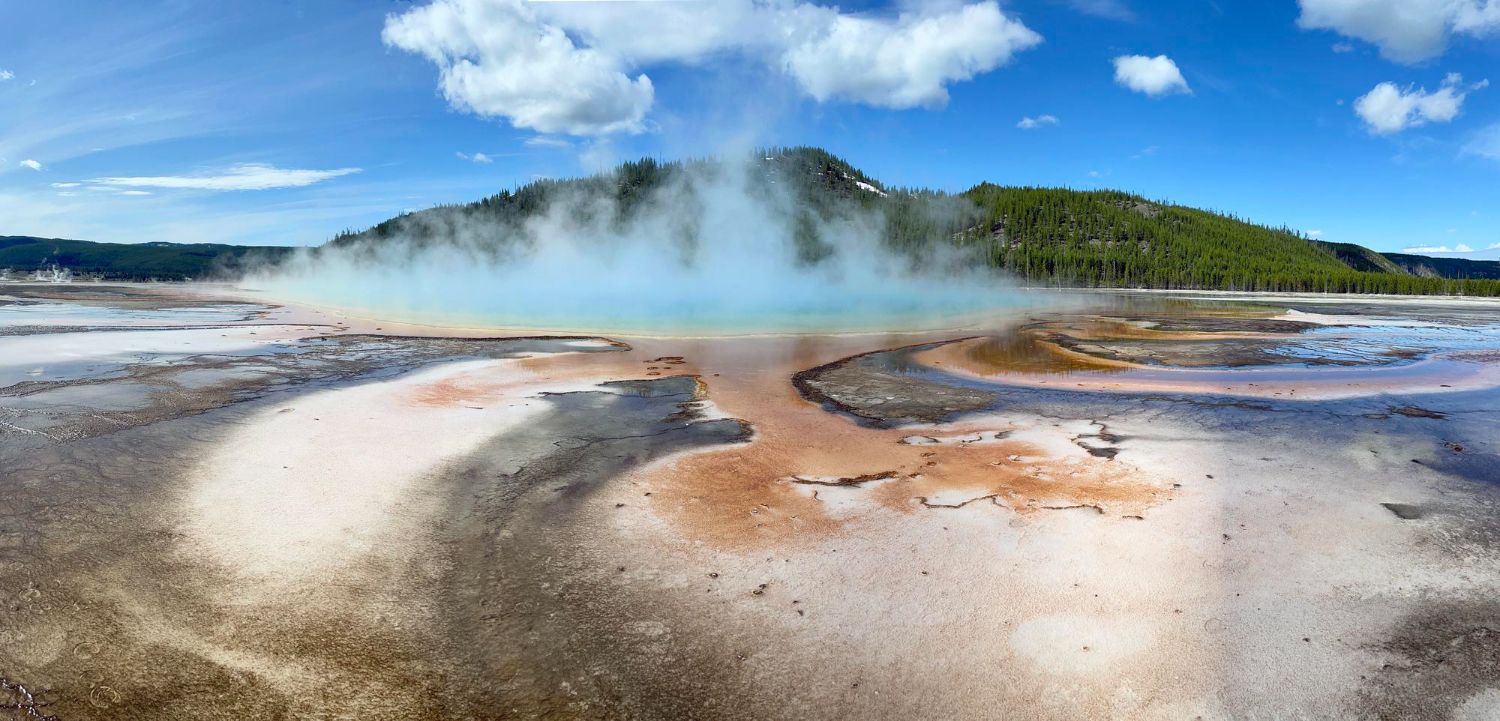
Geothermal energy harnesses the heat found inside the Earth to produce electricity or heating.
Although it is widely used in some countries, its share remains small in Brazil due to the geological characteristics of the national territory.
Why has solar energy become the protagonist of the energy transition?
Among all renewable sources, solar photovoltaic energy deserves special attention. In addition to having one of the fastest growth trajectories in the history of the energy sector, it brings together characteristics that favour its expansion across different consumer profiles and geographical regions.
According to data published by Agência Brasil, solar energy already represents more than 22% of the installed capacity of Brazil’s electricity matrix and ranks as the country’s second-largest generation source. Its main advantages include the abundance of the solar resource, the scalability of projects, the rapid deployment of plants and its ability to complement other renewable sources.
Furthermore, photovoltaic systems can be used both in large plants and in decentralised projects, bringing generation closer to consumption sites. For this set of reasons, solar energy is currently the main generation source used by most NewSun plants.
The growth of clean energy in Brazil
Brazil is often cited as an international reference point when it comes to renewable energy. While many countries still depend heavily on fossil fuels, Brazil’s electricity matrix maintains a renewable share above 88%, according to data from the 2025 National Energy Balance, prepared by EPE.
Solar energy has played a fundamental role in this progress. In 2024, Brazilian solar photovoltaic generation grew by almost 40% compared with the previous year, reaching more than 70 TWh of electricity generation, while its installed capacity exceeded 48 GW.
This growth reflects not only the country’s natural potential, but also the growing pursuit of sustainability, energy efficiency and diversification of generation sources.
How does Brazil compare with the rest of the world?
The Brazilian scenario also stands out when compared with the international context. According to the International Energy Agency (IEA), most of the global energy matrix remains heavily dependent on fossil fuels. While Brazil has approximately half of its energy matrix made up of renewable sources, the global average is considerably lower.
At the same time, the growth of solar energy has been a global phenomenon. According to the IEA PVPS, global photovoltaic capacity exceeded 2.2 terawatts in 2024 and continues to break expansion records year after year.
In this context, Brazil stands out for bringing together three extremely favourable factors: high solar incidence, an already strongly renewable matrix and great expansion potential in practically every region of the national territory.
Why is clean energy important for the environment?
The main environmental benefit of clean energy is related to the reduction of greenhouse gas emissions. A large share of global emissions responsible for climate change is associated with burning fossil fuels to generate energy and power the economy. By gradually replacing these sources with renewable alternatives, it becomes possible to significantly reduce the environmental impact of electricity production.
In addition, renewable sources help diversify the energy matrix, reduce dependence on finite resources and increase societies’ energy security.
The growing adoption of clean energy also supports the development of new technologies, the creation of green jobs and the construction of more sustainable economic models for future generations.
How NewSun allows access to clean energy without installing equipment

Although many people directly associate clean energy with the installation of solar panels, this is not the only way to take part in the energy transition, nor is it the most practical way. Through the NewSun energy subscription, companies, condominiums, franchises and small and medium-sized businesses can access the benefits of energy from renewable sources without needing to buy equipment, carry out construction work or take on responsibilities related to the maintenance of generation systems.
This means the customer does not need to invest in solar panels, metal structures, electrical adaptations or installation processes. Nor do they need to deal with risks related to equipment maintenance, component wear or possible interventions in the property’s structure.
NewSun’s proposal is to simplify access to clean energy, allowing managers and condominium administrators to focus on their core activities while incorporating a solution aligned with sustainability and the modernisation of energy management.
Learn how our Clean Energy Subscription works.
Clean energy is one of the most important paths for the future
The growth of renewable sources has ceased to be a bet and has become a consolidated reality in Brazil and around the world. Clean energy combines environmental benefits, technological advances and economic opportunities that are transforming the way electricity is produced and consumed.
Among these sources, solar energy stands out as one of the protagonists of the global energy transition and the expansion of Brazil’s electricity matrix. For companies and condominiums, understanding this movement is important not only from an environmental point of view, but also from a strategic one. After all, sustainability, efficiency and innovation increasingly go hand in hand.
You may also like
- Sustentabilidade e Meio Ambiente
 21/09/2026
 5m
5m - Dicas para Síndicos e PMES18/09/20265m
- Casos de Sucesso17/09/20265m



Stop paying more for your energy bill
Find out in less than 1 minute how much you could save with clean energy every month — no works and no bureaucracy.
Join the energy revolution
Subscribe to our newsletter and receive exclusive content