

Water savings in condominiums: tips and ESG strategies
Water savings in condominiums: tips and ESG strategies
Dicas para Síndicos e PMES
 23/03/2026
 5 min
5 minWorld Water Day, celebrated on 22 March, has become established as the leading global milestone for raising awareness about managing the most vital natural resource for life. For communities living in buildings and condominiums, this celebration is the ideal trigger to turn intention into practice. Saving water in shared spaces is not just an act of environmental responsibility, but a necessary strategy for the condominium's financial health, directly affecting residents' water bills and the preservation of water sources.
Water management can even strengthen community bonds. When neighbours come together to identify leaks or adopt metering technologies, they are building a culture of participatory governance. Beyond the ecological benefit, reduced waste translates into a lighter water bill, allowing the condominium's reserve fund to be applied to other structural improvements. The link between water and energy is also fundamental: a large share of the electricity used in common areas goes towards pumping water. Therefore, investing in water savings is also investing in the building's energy efficiency.
The alarming scale of water waste in Brazil
To adopt effective water-saving measures, it is essential to face up to the national data. The "2025 Water Loss Study", which uses the most recent SINISA database, reveals that Brazil loses an astonishing 40.31% of all treated water produced before it even reaches consumers' taps. The financial impact of this scenario is indirectly passed on to everyone's water bill, driving up the cost of running water utilities and overburdening basic sanitation infrastructure.
The causes of these losses vary, including leaks in mains pipelines, metering failures and illegal connections. In large cities, where condominium population density is high, the pressure caused by water waste makes supply unstable, particularly in regions such as the North and Northeast, where losses can exceed 60%. Reducing this rate to the 25% target, considered excellent by Ordinance 490/2021, would generate savings of 1.9 billion cubic metres.
Pollution is also an indirect form of waste, as it renders available water unfit for use without costly and complex treatment. For property managers and residents alike, these figures serve as a warning that turning a blind eye to a dripping tap is a loss that is not merely individual, but a severe blow to national water security.
Condominiums: the challenges of shared water management
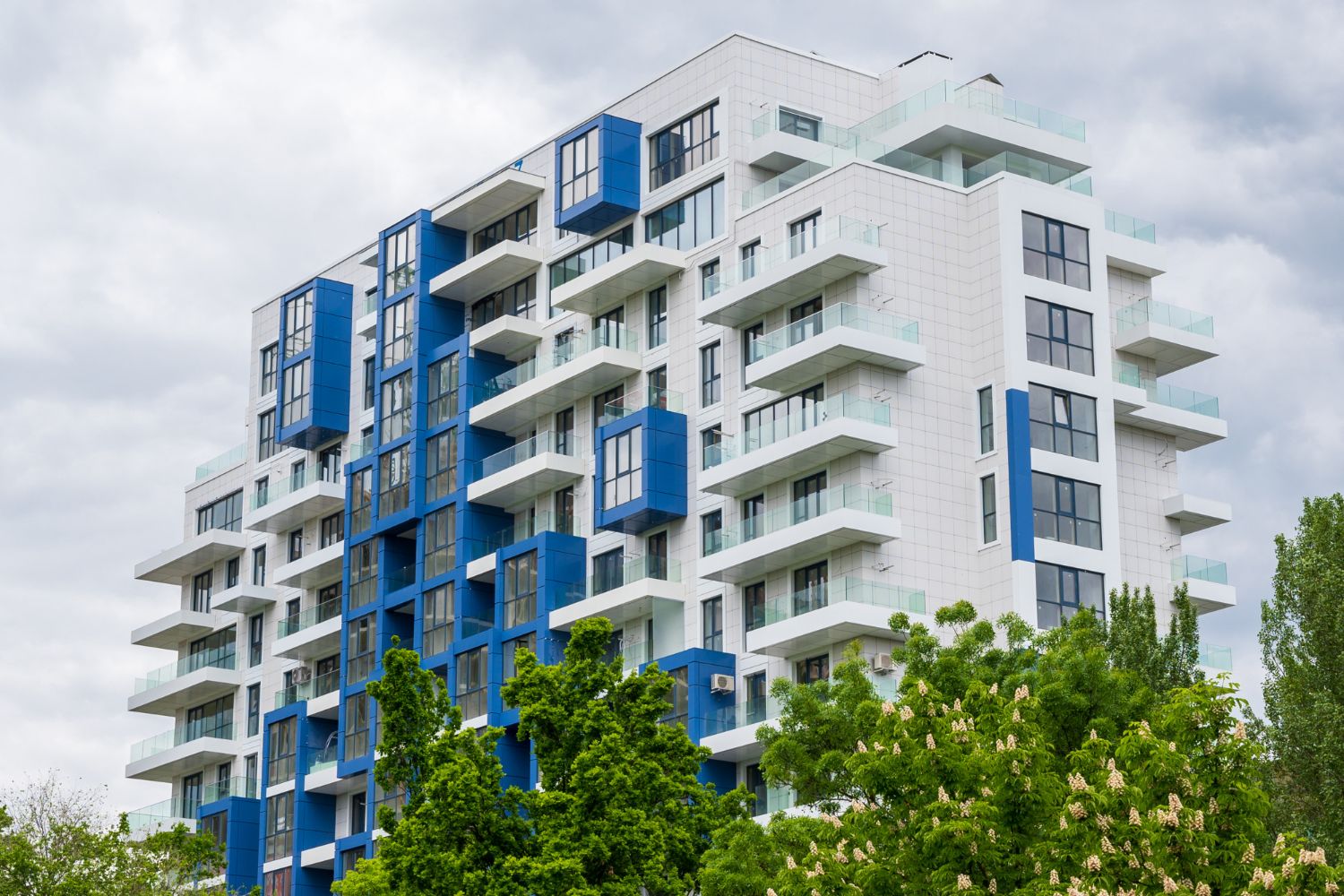
Residential and commercial condominiums function as high-resource-consumption hubs. In buildings without individual water metering, waste is often invisible and diluted, which discourages individual water saving. Studies show that a lack of preventive maintenance on water risers and internal branch pipes can increase the building's overall water bill by up to 40%. Small leaks in toilets or valves, when multiplied across hundreds of units, result in gigantic volumetric losses that weigh on every family's budget.
Ageing infrastructure is one of the biggest culprits. Old toilets, which can use between 12 and 24 litres per flush, are prime sources of waste and should be replaced with modern models fitted with a 6-litre cistern or dual-flush system. Beyond the plumbing itself, human pressure on the natural resources surrounding large developments causes soil degradation and groundwater contamination where there is no strict control of effluents. Demand for sewage treatment grows as the waste of treated water increases, raising operating costs that inevitably feed into the water tariff.
Raising awareness among condominium staff is another critical point. Caretakers and cleaning staff often use a hose as if it were a broom to clean courtyards and car parks, which consumes around 279 litres of water every 15 minutes. Establishing dry-cleaning routines and training staff to spot leaks early in hydrants and garden taps is vital if water savings are to move off the page and become real figures on the monthly expenses spreadsheet. A condominium that ignores these details is, in practice, funding collective water waste.
The silent danger: pollution and the discharge of urban effluents
We often focus only on the volume of water coming in, but the quality of the water leaving the condominium is equally decisive for sustainability. Improper disposal of household waste down sinks and toilets is one of the main causes of water pollution and blockages that add extra maintenance charges to the water bill. Used cooking oil, for example, is an extremely aggressive pollutant: just one litre of it poured down the drain has the potential to contaminate up to 25,000 litres of fresh water. Beyond the chemical contamination, the oil clings to pipe walls, forming "grease stones" that cause sewage backflow and serious structural damage.
Excessive use of non-biodegradable cleaning products also contributes to worsening pollution. Substances such as surfactants found in detergents and shampoos can interfere with the biological processes in Sewage Treatment Plants (STPs), hindering the breakdown of organic matter. When water is returned to rivers with a high pollutant load, eutrophication occurs, a process that depletes oxygen and kills aquatic life, generating a cycle of degradation that affects the availability of clean water for future consumption. Water savings must go hand in hand with conscious use of chemical products to ensure the condominium's effluents do not become vectors of environmental destruction.
Pollution also has an impact on building safety. Leaks of sewage or clean water that seep into the ground can cause erosion and structural instability, leading to silent collapses in garage areas or foundations. This type of waste is extremely costly to repair and can be avoided with regular inspections and the correct disposal of solid waste and fats. Promoting oil-collection campaigns and raising awareness that toilets should be used only for human waste is essential to keeping the water bill and plumber costs under control, protecting both the water security and physical integrity of the condominium.
Economy and ecology: the ESG pillar in property valuation
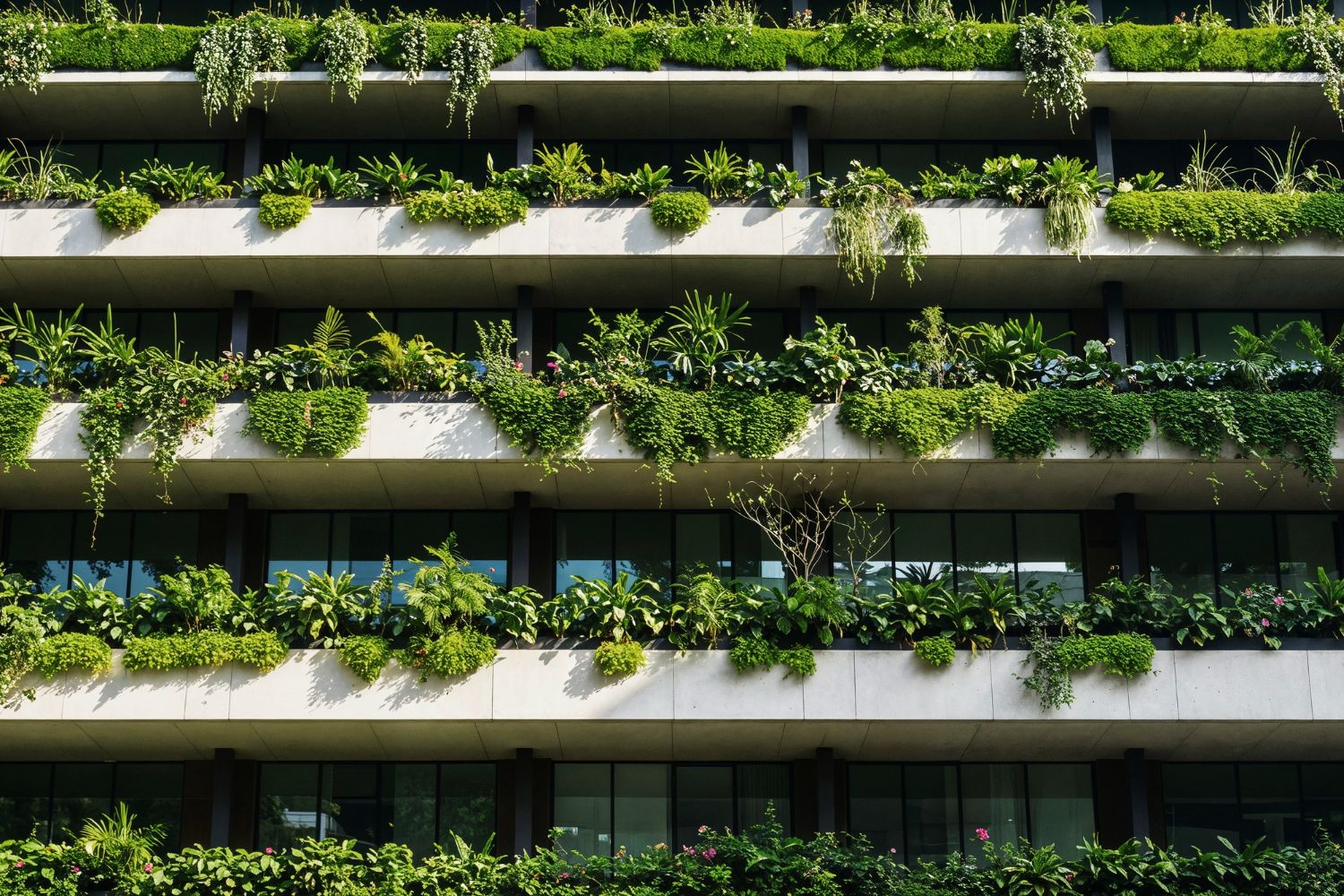
Integrating sustainable practices through the lens of ESG (Environmental, Social and Governance) has become a powerful driver of property valuation. Properties in condominiums that demonstrate efficient management, with a focus on water savings and combating waste, are more sought-after and command higher value in today's market. Sustainability has stopped being a mere aesthetic differentiator and become an economic decision-making criterion for investors and new residents seeking efficiency and predictability in their water and electricity bills.
Market data indicates that approximately 60% of Brazilians would be willing to pay a premium on a property's value if the condominium had robust water reuse systems in place. Adopting technologies such as rainwater harvesting for cleaning outdoor areas and irrigating gardens not only reduces consumption of treated water but also lessens dependence on the public network during periods of drought, ensuring continuity of service. Furthermore, transparent governance, through clear consumption and savings reports, strengthens trust between residents and management, mitigating conflicts at meetings and raising the perceived value of the management.
Below are the pillars connecting sustainability to condominium valuation:
Environmental: Implementing greywater and rainwater reuse, reducing the impact on local water sources and combating volumetric waste.
Social: Running educational campaigns and staff training, creating a community that is more aware of and engaged with water conservation.
Governance: Using digital platforms to monitor consumption, offering full transparency over water bill costs and the effectiveness of the measures adopted.
Economic: Directly reducing ordinary condominium fees through efficient use of basic resources, making units more competitive for sale and rental.
In 2026, living in a sustainable property is synonymous with financial intelligence. A condominium that tackles waste systemically is protected against abusive tariff hikes and periods of rationing, offering a superior quality of life. Water savings therefore become an investment with guaranteed returns, both in the liquidity of the property and in environmental preservation for future generations.
Technology and individualisation: monitoring every drop
Individual water metering is the most impactful technological intervention for promoting water savings in vertical and horizontal condominiums. When the water bill is split equally among residents, the incentive for rational use is diluted, as one neighbour's excessive consumption ends up being subsidised by everyone else. With individual water meters installed, financial fairness is established: each unit pays exactly for its own consumption, generating an average reduction of up to 33% in the condominium's overall spending.
Technological progress has brought the Internet of Things (IoT) to the centre of water management. Smart meters fitted with sensors allow consumption to be monitored in real time, sending data to apps accessible to residents. This visibility is crucial for detecting hidden leaks, so-called "phantom leaks" in flush valves or internal pipework, which would otherwise often only be noticed after an alarming spike in the water bill. With smartphone alerts, residents can act preventively, curbing waste and avoiding financial losses.
Brazilian legislation reinforces this trend with Federal Law No. 13,312, which has required individual metering in all new condominiums since 2021. For older condominiums, retrofitting with telemetry systems is viable and offers a quick return on investment. Besides reducing operating costs from manual readings, digital accuracy eliminates billing errors, ensuring the water bill reflects actual usage and encouraging more sustainable habits throughout the community. IoT technology turns water from an uncontrollable fixed cost into a precisely manageable asset.
Practical guide: water-saving tips for inside your unit
Saving water inside flats depends on combining home technology with a change in habits. Installing flow-reducing devices is one of the simplest and most effective measures. These small rings, fitted to showers and taps, can cut consumption by up to 80% without sacrificing user comfort, as they mix air into the water to maintain the sensation of pressure. In a kitchen sink tap, for example, using aerators can bring a minimum saving of 50%, significantly affecting the monthly water bill.
Check out some key strategies for the home:
Efficient bathrooms: Replace old toilets with Dual Flush models, which use only 3 or 6 litres of water, compared to the 24 litres used by outdated models.
Conscious hygiene: Turning off the tap while brushing your teeth or shaving can save around 13.5 litres in just two minutes.
Quick showers: Cutting shower time to five minutes and turning off the water while lathering up saves up to 30,000 litres of water per person per year.
Full machine loads: Only use dishwashers and washing machines when they are fully loaded. Washing dishes in a dishwasher, rather than washing them by hand with the tap running, can be up to six times more economical.
Care in the kitchen: Wash fruit and vegetables in a bowl of water with a splash of bleach solution rather than under running water. Also, never pour oil down the drain, to avoid chemical waste and blockages.
Regular maintenance of tap and valve seals (washers) is another low-cost action with a big impact. A single dripping tap wastes more than 40 litres of water a day, which quietly adds up on the water bill by the end of the month. Tackling household waste is a daily vigilance that, when practised by every resident, eases the pressure on the building's reservoirs and secures supply for everyone, even during water crises.
Common areas: sustainable cleaning and maintenance strategies

Managing common areas is the direct responsibility of the property manager, but the success of water savings depends on everyone's cooperation. Cleaning garages and pavements should primarily be done with dry sweeping. Using hoses to push away leaves and dust is one of the most wasteful practices, unnecessarily consuming hundreds of litres. When washing with water is unavoidable, using high-pressure machines is recommended, as they clean more efficiently using a fraction of the water volume of a regular hose.
Maintaining gardens and swimming pools also offers great opportunities for water savings. Automated irrigation systems with humidity sensors prevent plants from being watered on rainy days, combating technological waste. Choosing plants native to the region, already adapted to the local climate, drastically reduces the need for frequent watering, lowering the condominium's water bill. In swimming pools, using protective covers reduces evaporation by up to 90%, avoiding constant refilling of the reservoir and preserving the chemicals used in treatment.
Below are the best practices for collective management:
Rainwater reuse: Installing cisterns to capture rainwater and use it for washing outdoor floors and irrigation, reducing demand on the public mains network.
Routine inspections: Carrying out quarterly inspections of reservoirs, pumps and pipework in common areas to identify silent leaks before they cause losses on the water bill.
Watering schedule: Watering gardens only early in the morning or late in the afternoon, periods with less sun exposure, to reduce water loss through instant evaporation.
Monitoring hydrants and reservoirs: Checking the seals on fire-fighting systems and the floats in water tanks, ensuring no overflows occur due to mechanical failure.
Raising staff awareness is the final link in this chain. Training the caretaking team to report any sign of dampness on walls or floors is crucial for preventive maintenance. Putting up posters and informative banners in lifts and in the condominium's messaging groups helps keep the topic of water savings alive day to day, turning the fight against waste into a value shared by the whole community.
NewSun clean energy subscription: financial protection and predictability
Within a modern approach to condominium management, the pursuit of efficiency must be holistic, covering not just water but all vital resources. NewSun Energy Group emerges as the strategic partner for condominiums looking to professionalise their energy spending and reduce operating costs sustainably. NewSun's clean energy subscription is an innovative solution that stabilises the electricity bill for the condominium's common areas, shields it against fluctuations in tariff bands and delivers progressive savings without the need to invest in construction work or solar panels on the building.
NewSun's subscription model allows the condominium to receive energy credits generated at remote solar farms and biogas plants directly on its local utility bill. The key advantage is that NewSun's tariff is tied to the green band, the lowest tariff in the country, ensuring the condominium no longer suffers from the sudden increases caused by yellow or red tariff bands during periods of drought. This protection provides budgetary predictability that is essential for property managers, eliminating the unpleasant surprises that tend to cause tension at accountability meetings.
Beyond the financial savings, NewSun's subscription positions the condominium at the forefront of ESG. By consuming 100% clean, renewable energy, the building reduces its carbon footprint and increases the value of the property for all owners. NewSun also offers genuinely human and specialist support, guiding the manager through every stage of the contract to ensure the energy transition is simple, digital and fully transparent. It is the same intelligence behind water savings applied to the electricity sector, guaranteeing maximum efficiency with zero joining costs.
Discover our Solutions for Condominiums.
The future of water and energy management in 2026
As we reach the end of this analysis, it is clear that tackling water and energy waste is the absolute priority for the economic and environmental survival of condominiums in 2026. The journey towards water savings requires adopting modern technologies, such as IoT sensors, and rigorous infrastructure maintenance to prevent the water bill from becoming a financial drain. However, technology alone is not enough; human engagement and educating residents are the pillars that sustain a lasting cultural shift against waste.
Celebrating World Water Day in 2026 is, above all, a commitment to collective action. Every water-saving tip applied inside flats and every strategic decision to adopt renewable energy contributes to a more balanced society. Where water flows responsibly and energy is generated with respect for nature, prosperity truly grows for everyone. Let your condominium be an example of this transformation, leading the way towards a cleaner, more economical and more human planet.
You may also like
- Casos de Sucesso
 20/10/2026
 5m
5m - Dicas para Síndicos e PMES16/10/20265m
- Dicas para Síndicos e PMES13/10/20265m



Stop paying more for your energy bill
Find out in less than 1 minute how much you could save with clean energy every month — no works and no bureaucracy.
Join the energy revolution
Subscribe to our newsletter and receive exclusive content