
Water Ingress in Condominiums: The Definitive Guide for Building Managers
Water Ingress in Condominiums: The Definitive Guide for Building Managers
Dicas para Síndicos e PMES
 28/04/2026
 5 min
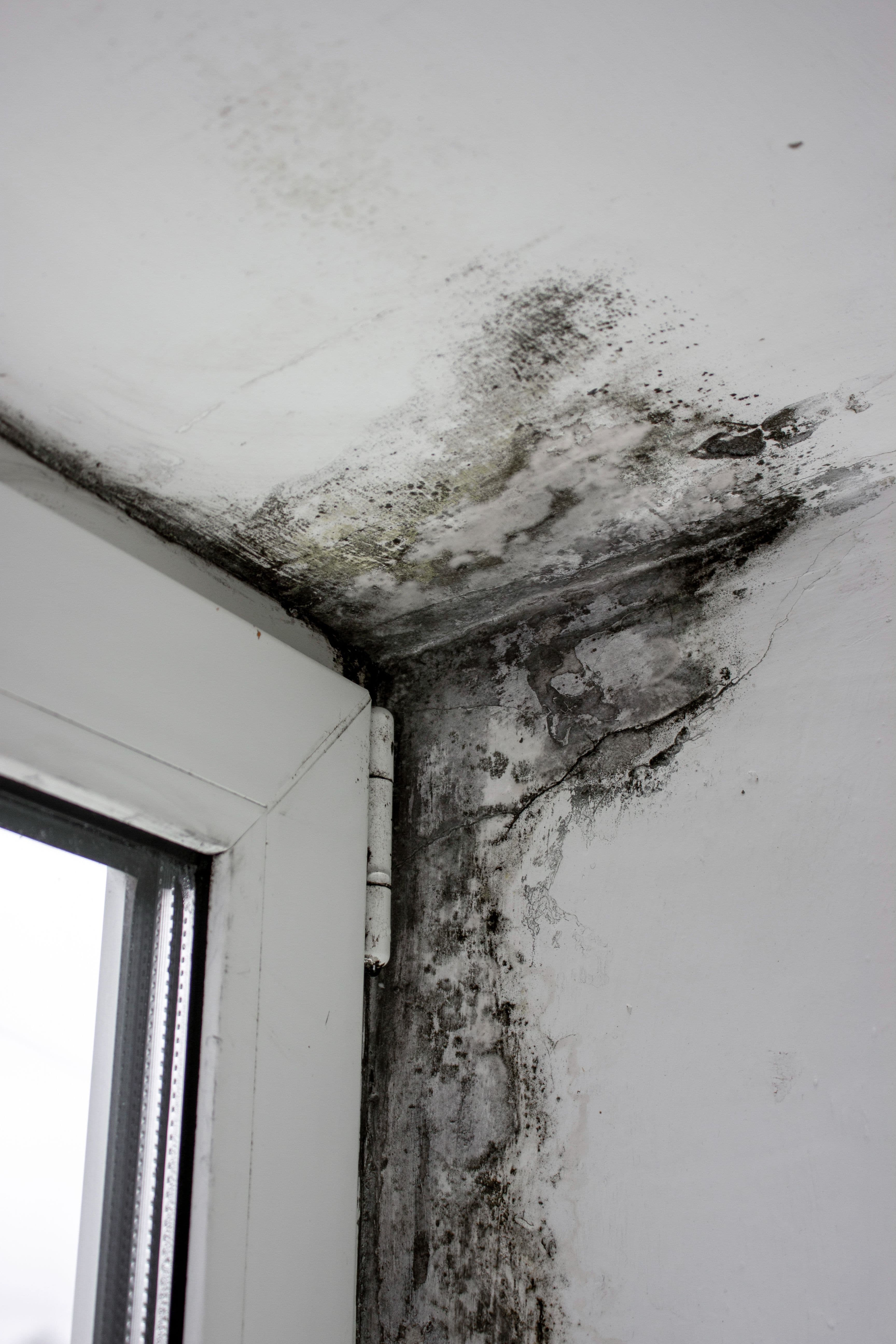
5 minManaging a modern building requires the property manager to hold a vision that balances diplomacy, technical knowledge and administrative rigour. Among the many problems that can arise in the daily running of a building, water ingress in condominiums stands out as one of the most recurring issues and, at the same time, one of the most complex to resolve. The appearance of a damp patch on a flat's ceiling or flaking on a façade is not merely an aesthetic blemish; it is the sign of a pathological process that can compromise the concrete structure, corrode reinforcement bars and severely affect the healthiness of the units. For the manager, understanding the source of the leak and establishing who is responsible — the condominium or the resident — is the first step towards avoiding interpersonal conflict and large-scale financial losses.
The complexity of water ingress lies in its often hidden nature. A leak in a flat's horizontal pipework can take weeks to show up on the floor below, building up a history of emotional strain between neighbours who often try to shift responsibility onto central management. In this scenario, the building manager acts as a technical mediator, grounded in the Civil Code and ABNT standards, to ensure that each party takes on their duty of upkeep. This guide explores the nuances of managing a condominium when faced with plumbing problems, from technical identification through to prevention and cost-saving strategies, ensuring that both the shared assets and harmony among residents are preserved.
The Crucial Distinction: Vertical Network versus Horizontal Network
For water ingress to be managed fairly, it is essential that the building manager understands the building's plumbing anatomy. A condominium's pipework system is pedagogically divided into two distinct networks: the vertical and the horizontal. The vertical network, popularly known as the main riser or stack, is the building's artery. It carries the water and sewage between floors and the street, serving all units collectively. As it is considered a common-use area, responsibility for any water ingress originating in this pipework rests entirely with the condominium, which must bear the costs of repair and the restoration of damage caused to the affected units.
By contrast, the horizontal network, also known as the branch lines, comprises the pipework that runs off the main riser to serve a single, self-contained unit exclusively. These pipes carry water to the sinks, showers and toilets inside the flat and collect domestic waste water up to the point where it connects to the riser. Water ingress arising from a problem in the horizontal branch line is the direct responsibility of the owner of the flat served by that network. The distinction is geometric and functional: if the leak occurs "before" the point where the branch splits off to the unit, the condominium is liable; if it occurs "after" that point, in the system serving only the resident, the individual bears the burden.
Pinpointing this plumbing boundary accurately often calls for a specialist technical inspection. It is not uncommon for residents to claim the problem lies in the riser to avoid private expense, or for management to hesitate to intervene in risers that run through the walls of units. However, case law is clear: even if the vertical pipe runs through a flat's bathroom, it remains the condominium's responsibility if it is for common use. The prudent building manager should always check the plumbing plans or commission a technical report before authorising any large-scale works, ensuring that the reserve fund is applied in line with legal obligations.
Resident Responsibility: Branch Lines and Private Maintenance

When it is established that the water ingress originates in a flat's horizontal network, the owner takes on civil liability. The Brazilian Civil Code, in the articles dealing with neighbouring-property rights, establishes that an owner must keep their unit in a condition that does not harm the safety, peace and healthiness of neighbours. A leak in a flat that damages the ceiling of the unit below constitutes harmful use of the property. In such cases, the resident responsible must arrange for the immediate repair of the leak and must also cover the cosmetic repair of the neighbouring property, such as repainting, replacing plasterwork or restoring furniture.
There are specific situations in which a resident's private liability becomes clear, as listed below:
Leaks in pipework serving only the unit's sinks, utility tanks and showers.
Faulty sealing of internal stopcocks, taps and connections for appliances such as washing machines.
Water ingress resulting from a lack of maintenance or drying-out of grout in bathroom and utility-area flooring.
Problems caused by poorly executed refurbishments that altered the original plumbing system without technical supervision.
Leaks around window frames due to perished rubber seals, weatherstripping or sealant.
A resident's neglect of small preventive repairs can lead to serious structural damage. For example, a persistent leak from a bathroom drain can corrode the concrete slab of the neighbouring flat, exposing the steel reinforcement and creating safety risks. When informed of a problem of this kind between neighbours, the building manager should act as a guide, reminding those involved that responsibility is private and that inaction can lead to court judgments for material and non-material damages. Being transparent about who is responsible for what helps ease the pressure on the condominium's management and fosters a culture of individual accountability among residents.
The Building Manager's Role in Mediating Disputes between Neighbours
One of the greatest challenges in running a condominium arises when water ingress is strictly a problem between two private units, yet the residents cannot reach an agreement. It is common for the affected resident to approach the building manager demanding that management "force" the upstairs neighbour to carry out the repair. Legally, however, the building manager's power to intervene in private areas is limited, unless the problem puts the common structure or the collective safety of the building at risk. The recommended approach is for the building manager to act as an impartial mediator, guiding both parties towards a consensual solution before the case escalates to the courts.
If friendly dialogue does not succeed, the building manager should advise the affected resident to formalise the situation. The first step is sending a formal notice to the responsible neighbour, detailing the water ingress in the flat and setting a reasonable deadline for inspection and repair. This notice, when made in writing and logged, serves as evidence in any subsequent legal action. The condominium can provide template notices to make this process easier, but should avoid taking an emotional or partisan stance in the dispute. If the neighbour continues to refuse to fix the leak and there is a risk of further damage, the affected resident can file a claim in the Small Claims Court, seeking an injunction for entry into the unit or for the work to be carried out by force of law.
The condominium's management can also intervene indirectly through the Internal Regulations. Many by-laws set out fines for residents who fail to maintain their units in a way that avoids damage to others' property. If the building manager notices that the water ingress is starting to reach common areas, or that the resident's refusal is causing widespread disruption in the building, they can issue warnings based on the breach of the duty not to use the unit in a way that is harmful to the community. Management should always keep records of complaints received and mediation attempts, to demonstrate that it fulfilled its administrative role and to prevent the condominium from being held jointly liable for inaction.
Water Ingress in Common Areas: Management's Duties and Legal Risks
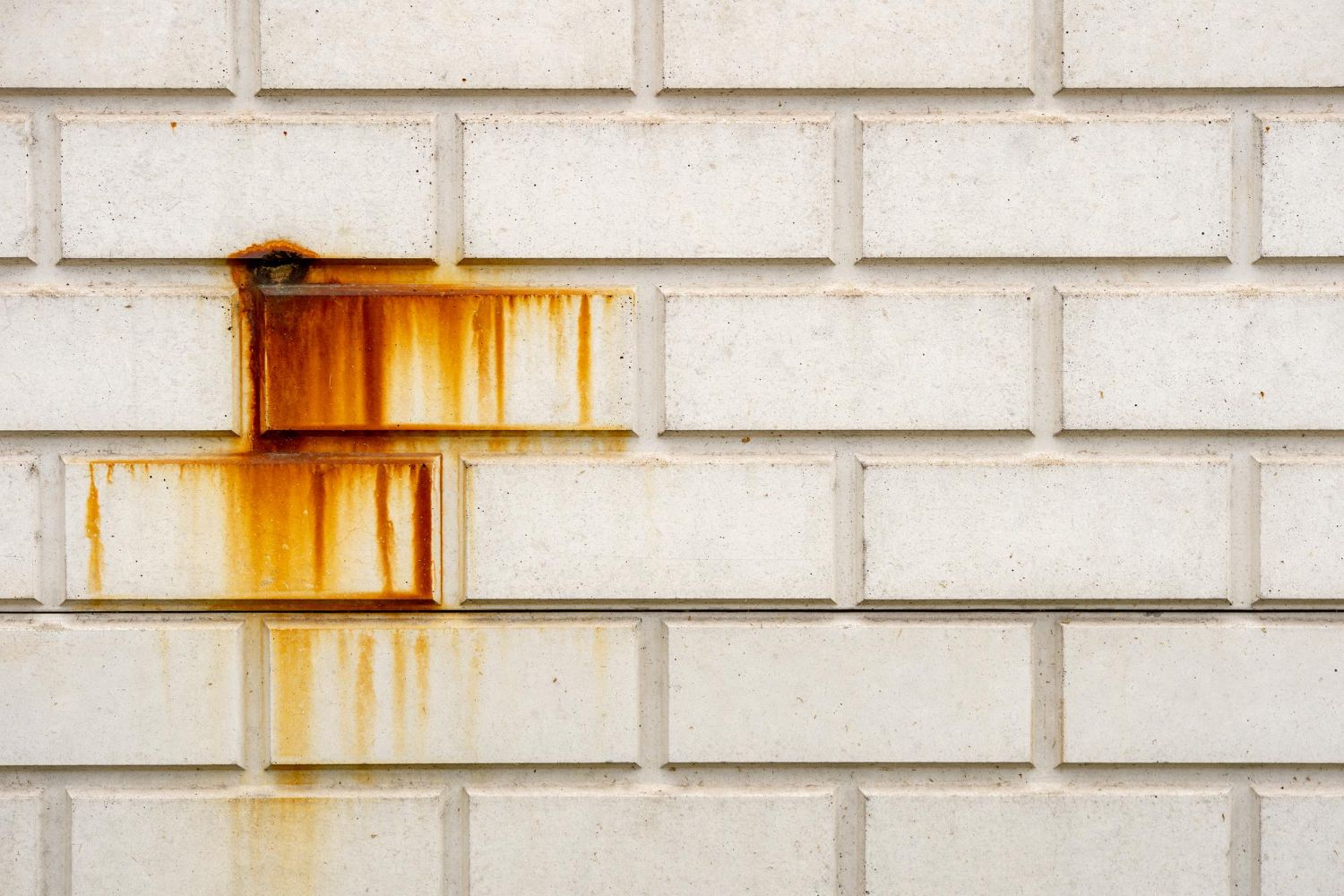
The condominium is responsible for water ingress whenever the source of the problem lies in the building's common parts. Article 1,348, V of the Civil Code determines that it is the building manager's duty to see to the upkeep and safekeeping of the common parts, ensuring the provision of services that concern the occupants. This includes the roof, the façades, roof slabs that do not belong to exclusive units, leisure areas, car parks and, crucially, the vertical plumbing risers. If a leak originates in these structures and causes damage to a flat, the condominium is strictly liable for full compensation.
Water ingress on the façade, for example, is one of the most costly problems for condominium management. Cracks in the external render or flaws in the paintwork allow rainwater to penetrate the masonry, reaching the interior of the flat and causing stains and mould. In such cases, it is not enough simply to repaint the resident's interior wall; the condominium must carry out structural repairs to the façade to eliminate the root cause. Delaying action can lead to legal proceedings in which the condominium is ordered to pay compensation for material and non-material damages, particularly if the water ingress makes the flat unhealthy or causes the loss of fitted furniture.
To avoid litigation, the building manager should follow a strict protocol on detecting water ingress that falls under common responsibility:
Carry out an immediate technical inspection with an engineer or specialist firm to establish the source of the leak in a report.
Obtain detailed quotes for repairing the affected structure and for making good the damage in private units.
Inform the fiscal council and residents of the need for the works, drawing on the reserve fund where provision exists for emergencies.
Oversee the execution of the work, ensuring that the new waterproofing carries a technical warranty.
Document the whole process, from photos of the initial damage through to the completion certificate for the works and settlement of any damage to the resident.
Brazilian courts have taken a strict line with condominiums that neglect the upkeep of common areas. There are recorded cases in which management was ordered to pay significant non-material damages for allowing water ingress to persist for months, ignoring the affected resident's pleas. Case law holds that housing is a fundamental right and that living with constant mould and damp goes beyond the threshold of mere everyday inconvenience, amounting to harm to the resident's dignity. Proactive maintenance of façades and roofs is therefore not merely good management practice, but an essential mechanism of legal protection for the condominium.
Technical Standards and the Prevention of Water Ingress in Flats
Managing a condominium cannot rely on guesswork alone; it must be underpinned by technical standards that ensure the safety and longevity of the building. ABNT's NBR 5674 sets out the requirements for a building maintenance management system, requiring the building manager to implement a preventive maintenance programme that includes periodic checks of waterproofing and plumbing systems. Following this standard is vital if the condominium is to keep the developer's warranty, which is generally five years for watertightness systems, but which can be forfeited if a lack of proper maintenance is proven.
Another standard fundamental to preventing water ingress in a condominium is NBR 16280, which regulates refurbishments within private units. Many leaks arise after residents replace flooring or alter bathrooms without due care for the original waterproofing membrane. Under the standard, the building manager has a duty to require the resident to submit a detailed refurbishment plan and an ART (Technical Liability Record) signed by an engineer or architect before any works begin. By checking this documentation, the building manager protects the community against execution errors that could result in water ingress into the neighbouring flat or damage to the main riser.
Compliance with NBR 15575, known as the Performance Standard, is also a point of attention for the building manager. It sets out service-life expectations for various building components, such as window seals and roof membranes. If management ignores the replacement schedule recommended by the manufacturer and water ingress occurs, the building manager's civil liability could be called into question for administrative negligence. Implementing a building use and operation manual, provided by the developer and kept up to date by management, serves as the definitive roadmap for keeping the condominium dry and safe over the decades.
Diagnostic Technologies: Locating Leaks without Demolition
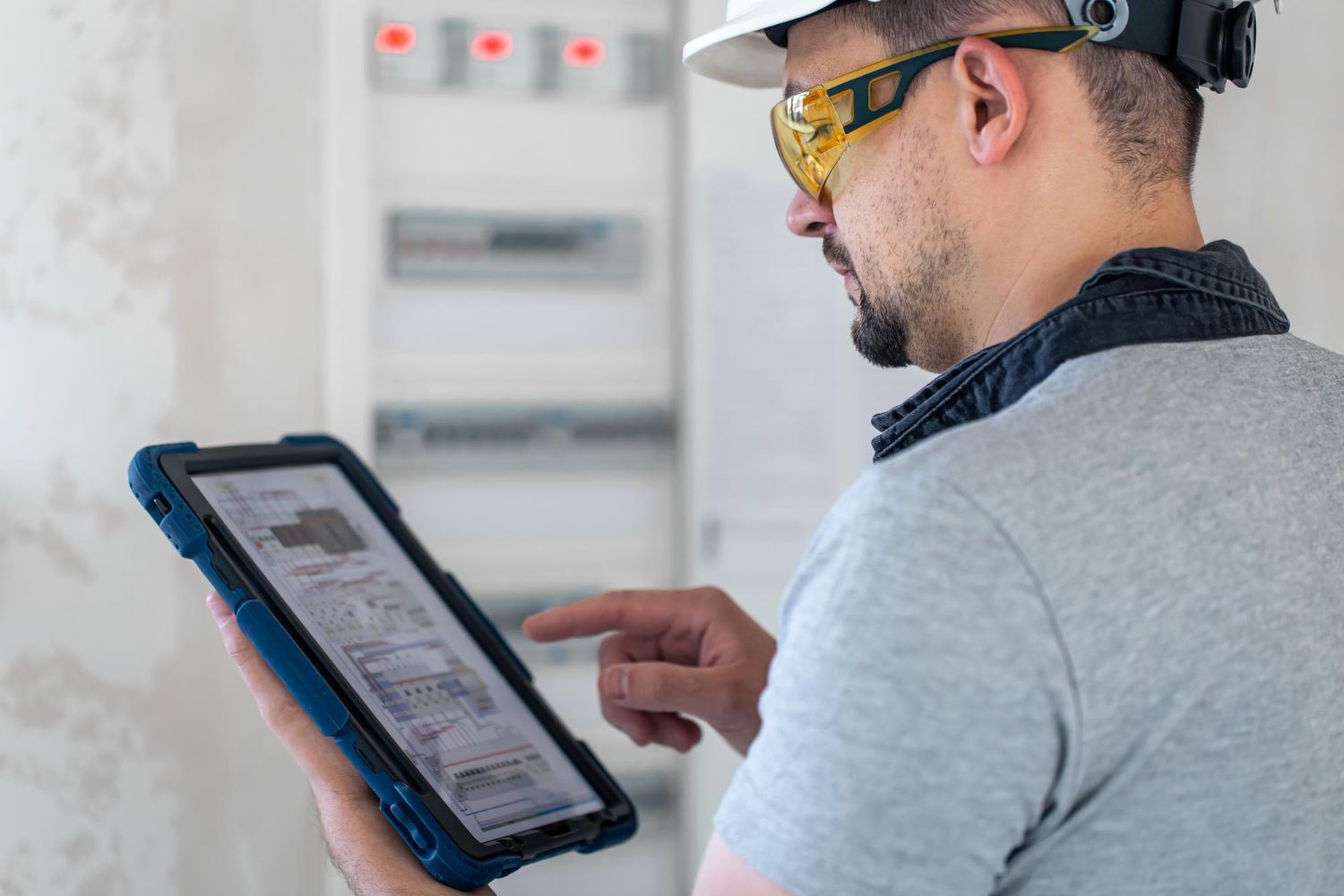
In the past, detecting water ingress in a condominium meant trial and error, resulting in broken-up walls and high rebuilding costs. Today, the market offers advanced technologies that allow for an accurate, non-invasive diagnosis, which is essential for settling disputes over responsibility beyond doubt. For the building manager, investing in a technical inspection using this equipment saves time and money, as well as reducing disruption for residents.
The main modern diagnostic techniques include:
Infrared Thermography: Uses thermal cameras to detect temperature variations on the surface of walls and ceilings. Because water alters the thermal conductivity of materials, damp areas appear in different colours in the thermal image, making it possible to spot the water-ingress patch even before it becomes visible to the naked eye.
Geophone (Acoustic Detection): Equipment that amplifies the noise produced by pressurised water leaks. It is ideal for locating breaks in supply pipework embedded in the ground or in walls.
Contact Moisture Sensors: Measure the electrical conductivity of building materials to determine the degree of water saturation at specific points, helping to trace the path of the water ingress.
Video Inspection: Tiny cameras fed into sewage and rainwater pipework to locate cracks, blockages or tree roots that are compromising the pipe's integrity.
Dye Watertightness Testing: Uses biodegradable dyes to trace the path of water through drains and flooring, making it easier to see exactly where a waterproofing fault is letting the liquid through.
Using these tools transforms conflict management. If a resident insists the leak is coming from the riser, and thermography proves the damp originates from a poorly sealed private drain, the building manager has an impartial technical proof in hand. This avoids arguments based on guesswork and speeds up the decision on who should pay for the repair. In addition, many condominium insurers require a leak-detection report before authorising payment of compensation for electrical or structural damage caused by water.
Energy Management with NewSun: Efficiency and Technology for the Condominium
While the building manager works to stem physical water leaks that corrode the structure, another constant concern is the "leak" of financial resources through high, unpredictable electricity bills. Amid ongoing tariff increases and energy crises, management needs solutions that bring stability and sustainability to the condominium. It is in this context that NewSun Energy Group positions itself as a strategic ally for building managers, offering an energy subscription model that revolutionises the way a condominium consumes electricity.
NewSun's clean energy subscription is a solution that stabilises the electricity bill for the condominium's common areas, ensuring the planned budget is not derailed by surprises at the end of the month. By joining the scheme, the condominium starts using energy credits generated from renewable sources, which shields the bill from costly tariff surcharges and delivers progressive savings that can be reinvested in infrastructure improvements or in preventive maintenance against water ingress. There is no need for complex works or the installation of solar panels on the building's roof, removing the risk of fresh water ingress through holes in tiles or slabs.
Beyond the financial benefit, NewSun Energy Group stands out for its genuinely human service and transparent management. Building managers and management companies have access to the NewSun Energy Club, an exclusive platform designed for detailed, real-time monitoring of energy usage by unit or common area. This tool makes it possible to identify consumption spikes and manage energy use with the same precision that a technical engineering report brings to a plumbing leak. By combining sustainability with technology and cost savings, NewSun allows the building manager to focus their energy on community life and asset upkeep, while the electricity bill stops being a source of stress and becomes an example of administrative efficiency.
Waterproofing Roofs and Slabs: Methods and Longevity
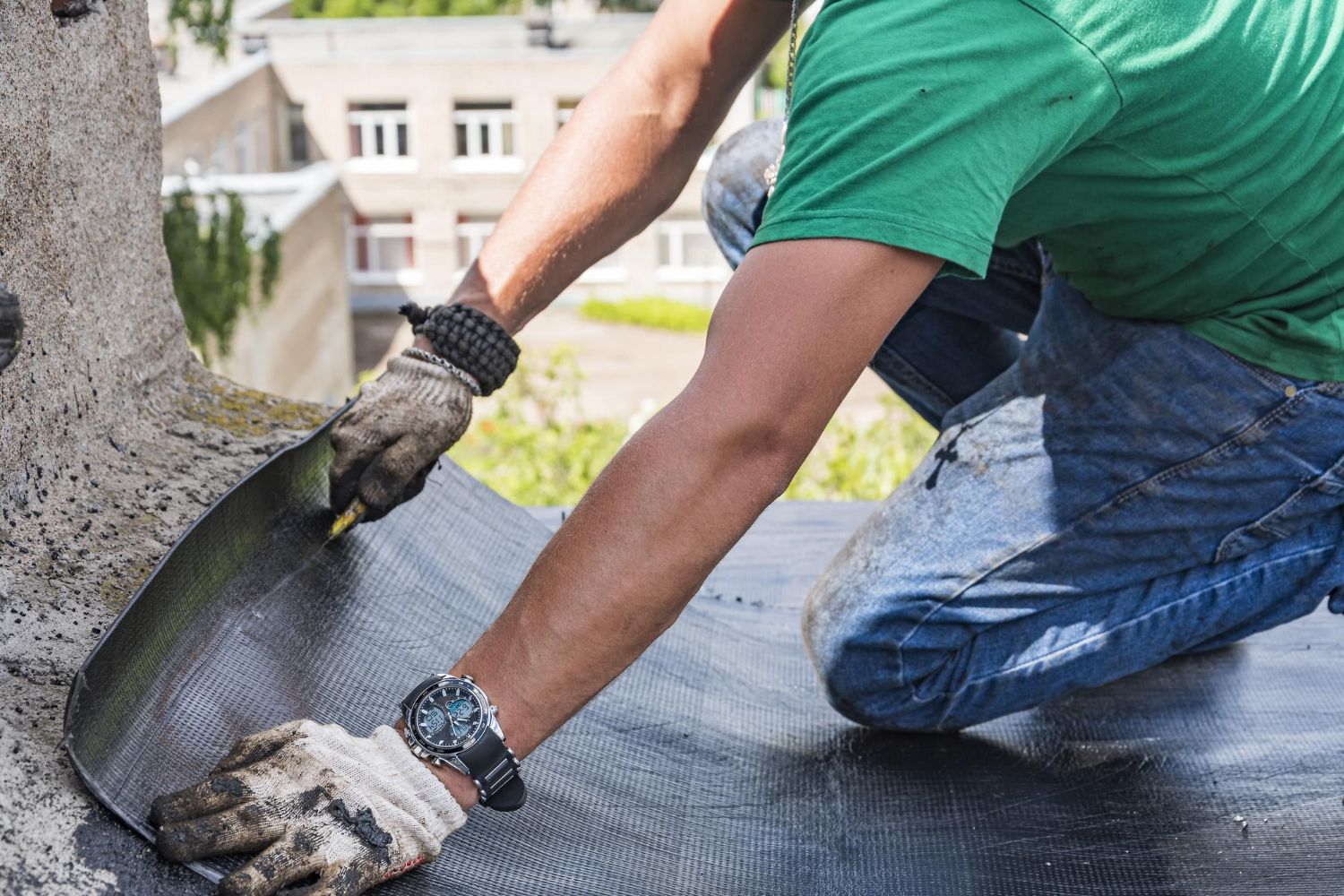
Protection against water ingress in a condominium starts at the top. Roofs and roof slabs are the areas most exposed to weather variation, suffering thermal expansion, UV radiation and the direct impact of rain. When waterproofing on these surfaces fails, the resulting damage tends to be widespread, affecting the top-floor units first and, subsequently, the building's supporting structure. For this reason, choosing the right waterproofing system is a critical decision the building manager must make based on durability and technical cost-effectiveness.
The most widely used methods in the Brazilian market for large common areas are asphalt membrane and liquid membrane. Asphalt membrane is a traditional, extremely resistant system made from modified asphalt and polymers, applied with a blowtorch by specialist professionals. Its main advantage is guaranteed thickness and high mechanical resistance, making it ideal for slabs with foot traffic or gardens. Liquid membrane, generally acrylic- or polyurethane-based, is applied like paint in several coats, forming an elastic, seamless membrane. It is an excellent solution for exposed roofs and slabs without foot traffic, offering ease of maintenance and quick application.
Whichever method is chosen, preventive maintenance is what determines the working life of the protection. The building manager must ensure that drains and gutters are always kept clear, avoiding pooled water, which is the main enemy of waterproofing membranes. A six-monthly inspection programme can catch small cracks or areas of detachment before they let water through, turning a simple, cheap repair into a complex emergency job. Investing in high-quality waterproofing adds value to the flat and reduces the condominium's extraordinary expenses in the long run.
Insurance and Cover: What to Do when Water Causes Damage
Even with every precaution taken, sudden incidents can still happen, such as a water riser bursting in the middle of the night. At such times, condominium insurance becomes management's main financial protection tool. By law, the condominium must hold insurance covering the building's structure against fire and destruction risks, but including additional cover for water damage and leaks is essential for calm, effective management.
It is essential to distinguish between the types of cover available:
Condominium Insurance (Water Damage): Covers losses caused by accidental leaks in common (vertical) network pipework. If the riser bursts and floods the lobby or damages the lift, the insurance covers repair and replacement of the common parts.
Condominium Civil Liability: Guarantees compensation to third parties (residents or visitors) if a problem originating in a common area causes damage to a private unit. For example, if water ingress in the condominium comes from the roof and ruins a flat's furniture, this cover is triggered to compensate the resident.
Home Insurance (Individual): Taken out by the owner, this covers what happens inside the unit, such as damage to appliances caused by water ingress coming from a neighbour or by sudden events in the unit's own horizontal network.
Cover for Burst Pipes: Many home insurance policies offer 24-hour plumber call-out services to stop emergency leaks in private branch lines.
The building manager should read the policy exclusions carefully. Insurers generally do not cover slow, progressive water ingress caused by lack of maintenance, as they require the claim to stem from a sudden, unforeseen event. Water ingress caused by worn grout or a lack of waterproofing on the façade is often refused by insurers if it can be shown that the condominium ignored the problem for a long time. Keeping maintenance up to date is therefore not just a structural matter, but also a requirement for ensuring insurance cover is available when it is genuinely needed.
Strategic Planning for Leak-Free Management

For a condominium's administration to be efficient and free of unpleasant surprises related to water, the building manager must adopt a proactive, strategic stance. This involves drawing up an Annual Maintenance Plan that takes into account the building's technical specifics and the legal obligations imposed by the Civil Code and ABNT standards. Planning reduces the need for emergency call-outs, which tend to be far more expensive, and increases residents' sense that their property is being looked after.
The guidelines for good planning include the following essential points:
Clean and inspect gutters, drains and roofs before the start of the heavy rainy season.
Keep an up-to-date register of maintenance firms, always requiring an invoice and a technical warranty certificate for all work carried out.
Educate residents through circulars and general meetings on what falls under private responsibility, encouraging regular checks of stopcocks and grouting.
Implement management software that allows for digital filing of plumbing plans, inspection reports and unit-by-unit leak histories.
Review the insurance policy annually to ensure that water-damage and civil-liability cover remain in line with market values.
By following these steps, the building manager stops being a "firefighter" — or, in this case, a "leak-stopper" — and becomes a true asset manager. Water ingress in the condominium stops being a constant nightmare and becomes a controlled risk, managed through sound technical and administrative processes. Transparent communication and support from diagnostic and energy-management technologies, such as those offered by NewSun Energy, ensure the building stays dry, efficient and financially healthy for all its occupants.
Conclusion: Excellence in Managing Water Ingress in Condominiums
Managing condominiums in the 21st century requires the building manager to act with the precision of a technician and the sensitivity of a social mediator. The problem of water ingress in a flat or in common areas is, ultimately, a test of the integrity of a building's administrative processes. When the distinction between the vertical and horizontal networks is clear and communicated transparently, disputes between neighbours decrease and the use of collective resources becomes fairer and more efficient. The use of technical standards such as NBR 16280 and NBR 5674 should not be seen as red tape, but as the legal shield that protects the building manager from civil liability and ensures the durability of the building's physical structure.
Proactive prevention, the use of modern diagnostics such as thermography, and proper façade maintenance and roof upkeep are the pillars underpinning both property value and residents' quality of life. At the same time, pursuing operational efficiency through strategic partnerships, such as NewSun Energy Group's clean energy subscription, allows the condominium to modernise its financial management and contribute to a more sustainable future. By ensuring that water flows only where it should and that energy is managed intelligently through the NewSun Energy Club, the building manager builds an environment of harmony, security and economic prosperity for the whole condominium community.
You may also like
- Casos de Sucesso
 20/10/2026
 5m
5m - Dicas para Síndicos e PMES16/10/20265m
- Dicas para Síndicos e PMES13/10/20265m




Stop paying more for your energy bill
Find out in less than 1 minute how much you could save with clean energy every month — no works and no bureaucracy.
Join the energy revolution
Subscribe to our newsletter and receive exclusive content