
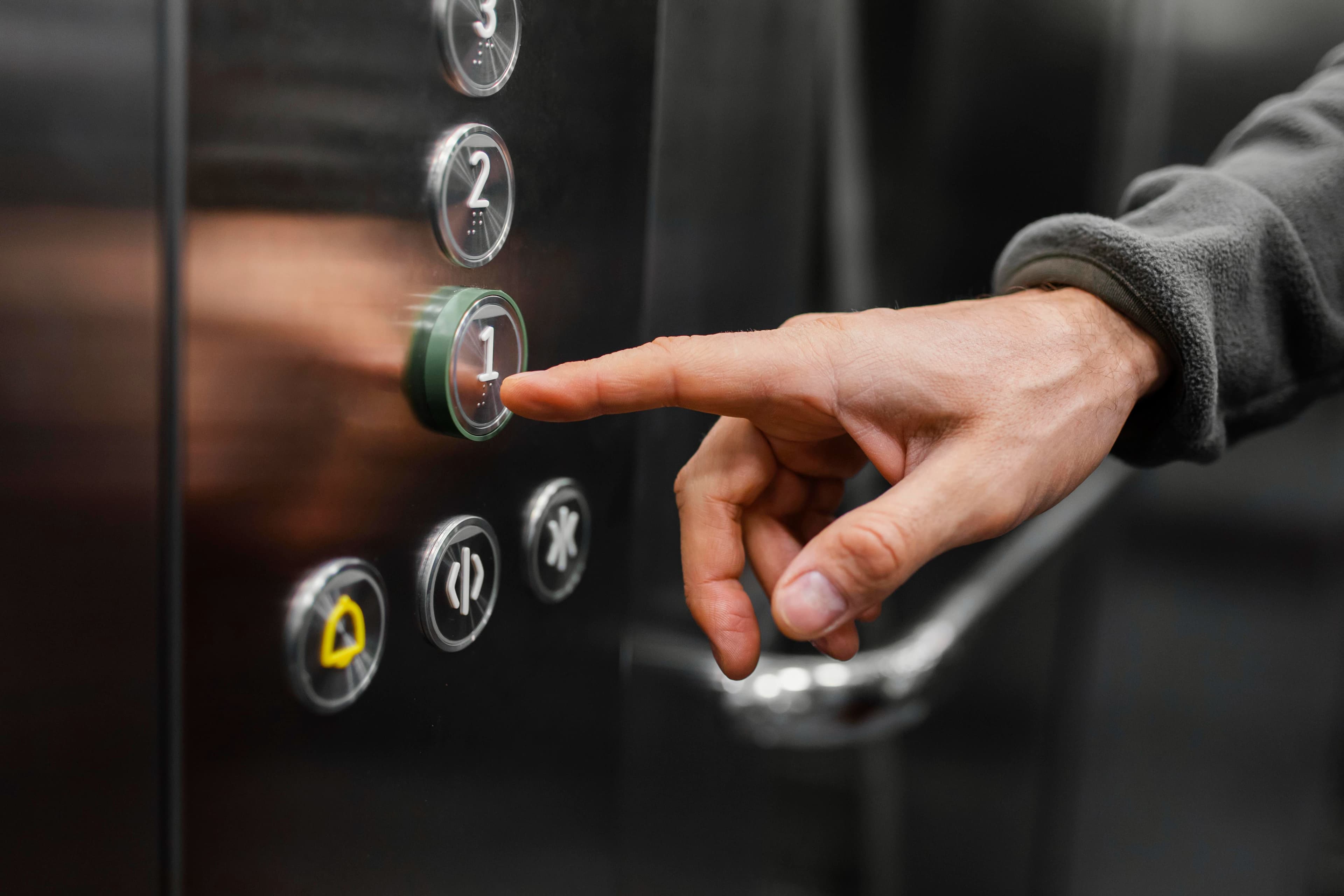
Vandalism in Lifts: How to Prevent and Remedy Damage
Vandalism in Lifts: How to Prevent and Remedy Damage
Dicas para Síndicos e PMES
 11/05/2026
 5 min
5 minManaging condominiums in Brazil poses monumental challenges, considering the country is currently home to around 327,248 active condominiums, together housing approximately 39 million residents. Within this complex urban structure, lifts stand out as the main means of vertical transport, essential to the mobility and accessibility of millions of citizens every day. However, a recurring and costly problem haunts management teams: vandalism in lifts.
This phenomenon, which ranges from simple scratches on stainless steel to severe damage to electronic components, not only degrades the building's assets but also compromises user safety and the condominium's financial health. It is estimated that 20% of incidents involving this equipment in Brazil are caused directly by misuse or deliberate acts of vandalism, which highlights the urgency of robust prevention and remediation strategies.
The Impact of Lift Vandalism on Condominium Management
Vandalism in lifts is a reality that goes far beyond mere aesthetics. When a building manager is confronted with scratched cabins, broken mirrors or damaged control panels, they face a multi-layered problem that affects collective living and budget planning. Acts of vandalism in lifts create an immediate perception of neglect and insecurity, which can devalue the property units, and encourage further antisocial behaviour. Remedying this damage often requires costly technical interventions that were not accounted for in the ordinary condominium fee, forcing the use of reserve funds or the apportioning of extra expenses among all residents.
Beyond the direct financial loss, vandalism in lifts shortens the equipment's technological lifespan. Modern vertical transport systems are equipped with sensitive sensors and electronic components that can fail due to impacts or liquid infiltration from graffiti materials. A lack of care and recurring damage can drastically reduce the useful life of key parts, bringing forward the need for modernisations that cost tens of thousands of reais. This is why understanding prevention mechanisms against lift vandalism is, above all, a matter of preserving assets and administrative efficiency.
Effective Strategies for Preventing Lift Vandalism
Preventing vandalism in lifts should be approached holistically, combining technology, surveillance and awareness. The first step in discouraging inappropriate behaviour is to eliminate anonymity. The installation of high-resolution camera monitoring systems inside cabins is one of the most effective measures for curbing vandalism in lifts. When users know they are being filmed and that the footage can be used for identification and accountability, the tendency to commit acts of vandalism drops significantly.
In addition to cameras, access control is a valuable prevention tool. In residential and commercial condominiums, using magnetic cards or biometrics to operate the lifts makes it possible to track who used the equipment at a given time, aiding investigations should an incident occur. Another crucial aspect of prevention is cabin lighting. Well-lit lifts convey a sense of constant surveillance, discouraging acts that rely on shadow to be carried out. Management must ensure that lights and presence sensors are always working, as a dark environment is an implicit invitation to lift vandalism.
Remedying Damage: Immediate Actions for the Building Manager

When prevention fails and vandalism in lifts occurs, a swift response is essential. The "broken windows" theory applies perfectly to the condominium context: if a lift is left bearing marks of vandalism for too long, other individuals may feel encouraged to carry out further attacks. Therefore, cleaning or repairs should take place as soon as possible after the damage is noticed. The building manager should document the incident immediately, saving the CCTV footage and drawing up an internal report for legal evidence purposes and the application of penalties as set out in the by-laws.
Physical remediation should follow protocols that do not make the situation worse. In the case of superficial damage to stainless steel, the in-house cleaning team can handle it, but damage to mechanical components or the control panel wiring requires the presence of technicians from the maintenance company. Trying to fix technical problems without proper expertise can cause short circuits or compromise safety systems, such as brakes and door sensors, putting users' lives at risk. Consulting the scheduled maintenance company is always the safest route for remedying lift vandalism that affects the system's functionality.
Best Practices for Cleaning and Maintaining Stainless Steel
Stainless steel is the predominant material in the interior finish of modern lifts due to its durability and elegance, but it requires specific care so as not to lose its properties. Improper cleaning, often carried out by staff without the proper training, can cause irreversible damage reminiscent of vandalism itself in lifts. Chlorine- or peroxide-based products, common in household cleaning, can cause permanent staining and even corrosion on lower-quality stainless steel. The use of abrasive green scouring pads or steel wool is also strictly prohibited, as it causes scratches that become breeding grounds for dirt and bacteria.
For proper maintenance, the building manager should recommend the use of lukewarm water mixed with soap or neutral detergent, applied with soft microfibre cloths. Drying immediately is essential to avoid water marks. In the Brazilian market, there are specific "stainless steel cleaner" sprays that, besides cleaning, leave a thin protective film that reduces the build-up of fingerprints and makes future cleaning easier. These products should be applied always following the direction of the metal's grain (the brushed finish), to ensure an even shine and preserve the integrity of the surface.
Techniques for Removing Permanent Marker Stains from Stainless Steel
One of the most common and frustrating acts of vandalism in lifts for management to deal with is the use of markers or permanent pens to leave messages or drawings on the cabin walls. Although they may seem impossible to remove without harsh chemicals, there are effective techniques that protect the stainless steel. A method widely used by cleaning professionals involves using a whiteboard marker. By going over the permanent mark with the whiteboard marker and waiting a few seconds, the solvents in the "erasable" ink soften the pigment of the permanent marker, allowing both to be removed with a dry cloth or paper towel.
If the stain persists, isopropyl alcohol is the ideal tool for prevention and remediation. Unlike ordinary alcohol, isopropyl alcohol has a higher concentration that dissolves most inks without leaving water residue that could stain the metal. The building manager should instruct the team to never use paint removers or harsh industrial solvents, as these can corrode the stainless steel finish and release toxic fumes in the confined space of the lift. After removing the ink, a final clean with neutral detergent ensures the surface returns to its original state safely and hygienically.
Replacing and Modernising Lift Control Panels
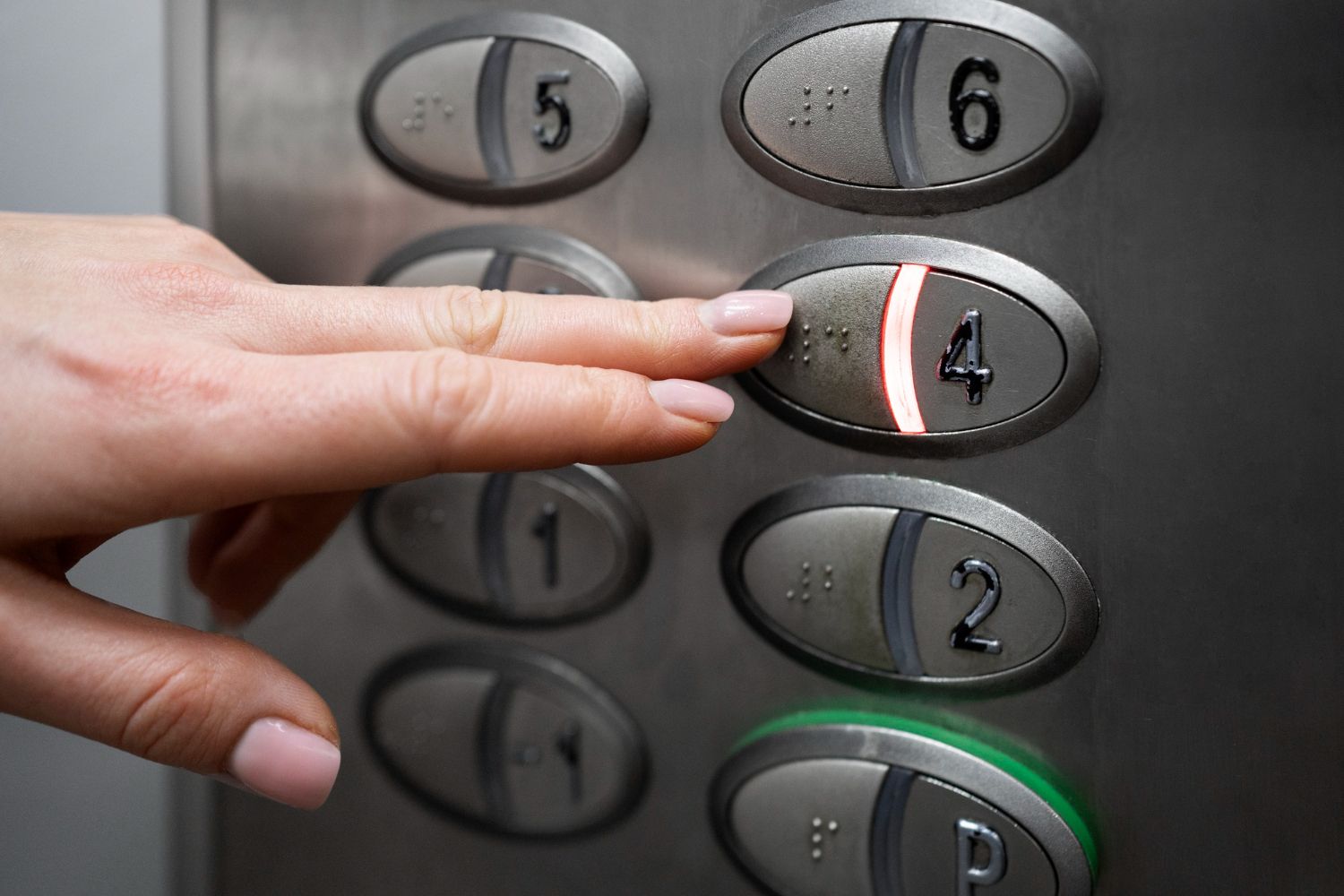
Control panels are the components that suffer most from vandalism in lifts, as they are in direct contact with users' hands and are frequently the target of blows, sharp objects or even fire. A damaged control panel is not just a visual issue; it can cause call-registration failures and leave residents stranded on certain floors. When the buttons start showing recurring faults, the building manager should assess whether the cost of a one-off repair still makes sense compared with modernising the entire panel.
Replacing control panels must always comply with accessibility standard NBR NM 313, which requires buttons with braille markings, raised lettering for tactile identification, and light and sound feedback. Modernising these components is a form of passive prevention against vandalism in lifts, as newer models tend to use more resistant materials, such as high-strength polycarbonate or reinforced stainless steel itself, and feature sealing against the ingress of cleaning liquids. In addition, installing control panels with TFT screens allows condominium notices to be displayed, turning the lift into an active communication tool for management.
Civil Liability of Residents for Acts of Vandalism
Brazilian legislation gives the building manager the necessary legal backing to recover the cost of damage caused by acts of vandalism in lifts. Article 932, item I, of the Civil Code establishes that parents are civilly liable for repairing the damage caused by their minor children. This liability is strict and joint, meaning the condominium does not need to prove that the parents were negligent in raising the child; it is enough to prove that the act of vandalism in the lift was committed by the minor and to link the repair cost to the party responsible for the unit.
In the case of adults or visitors, liability falls directly on the person who caused the damage or, alternatively, on the resident who received them. For the charge to be legitimate and avoid legal disputes, the building manager must follow due process: clear identification through footage, written notification of the incident, presentation of technical repair quotes and, if provided for in the by-laws, the application of a punitive fine. In cases of lift vandalism committed by minors, amicable mediation between the building manager and the parents tends to be the first course of action, but the condominium must remain firm in recovering the financial cost so as not to unfairly burden the other residents.
Awareness Campaigns: Prevention Through Dialogue
Education is the most sustainable pillar of prevention against vandalism in lifts. Children and teenagers often fail to grasp the real cost of a repair or the danger that messing about in a lift can pose. Informative campaigns, with posters on noticeboards and messages in resident groups, help build a collective sense of care. Using impactful phrases that link preserving the lift to the safety of one's own family is an effective technique for changing behaviour.
Tips for effective awareness campaigns:
Highlight the average repair costs of components such as mirrors and buttons.
Remind residents that vandalism in lifts raises the condominium fee for everyone.
Highlight the risk of accidents caused by misuse or damage to sensors.
Involve children in playful activities that build appreciation for communal areas.
Use the condominium's digital channels to reinforce etiquette rules and correct use.
These actions build a culture of "belonging" in which residents come to see the lift as an extension of their own home rather than an impersonal public space. When the community comes together in monitoring and care, the incidence of damage drops sharply, allowing the building manager to focus resources on genuine improvements rather than avoidable repairs.
NewSun Energy Club: Savings and Strategic Energy Management

While vandalism in lifts represents an unwanted expense, electricity for communal areas is a fixed cost that can be optimised to give the condominium some financial breathing room. The clean energy subscription from NewSun Energy Group is an innovative solution that stabilises the electricity bill for communal areas, shielding the condominium from the volatility of tariff bands and generating progressive savings that directly impact condominium fees. By signing up to this model, the building manager secures a predictable and sustainable tariff, with no need to invest in works or install solar panels, since the energy is generated at solar farms and converted into credits applied automatically by the utility.
In addition to reducing costs, NewSun offers genuinely human and personalised service, recognising the complexities of condominium management. To make monitoring easier, the condominium gets access to the exclusive NewSun Energy Club platform, where the building manager and council members can track energy spending, view the savings generated and plan the budget more effectively for other priorities, such as security and preventing vandalism in lifts. This financial predictability is a strategic advantage for managers seeking to protect property value and reduce late payments, which have been on the rise in the Brazilian economy.
Find out more about our Solutions for Condominiums.
Pet Handling and Moving Logistics in Lifts
What is often perceived as vandalism in lifts is, in fact, the result of systematic misuse due to a lack of guidance. Transporting pets, for example, can cause damage if there are no clear rules. Pet urine on the cabin floor is highly corrosive and can permanently damage the thresholds and lower metal structure if not cleaned immediately. The building manager should require pets to be kept on a short lead or carried, keeping them away from door sensors or the control panel.
Likewise, the flow of removals and deliveries is a critical moment for damage prevention. Furniture knocking against the walls or excess load can cause scratches and dents that spoil the look of the stainless steel. Making protective padding mandatory during removals, along with prior scheduling, are simple administrative measures that prevent everyday use turning into vandalism in lifts through negligence. By establishing strict protocols for these moments, the building manager protects the equipment and ensures it remains in perfect condition for all residents to use.
Proactive Management as a Shield Against Vandalism
The fight against vandalism in lifts requires a building manager who acts on multiple fronts: technical, legal and educational. Maintaining a rigorous maintenance contract with specialist companies ensures the equipment is always safe and functional, reducing the chances of faults that cause frustration and invite misuse. At the same time, adopting monitoring technologies and using the correct cleaning products preserves the appearance and value of communal areas.
Preventing vandalism in lifts should not be seen as an isolated task, but as part of an efficient management strategy that seeks both savings and wellbeing. With a firm hand on accountability and openness to educational dialogue, it is possible to turn the lift into a symbol of civility and good community living, ensuring that everyone's shared assets are respected and preserved for future generations.
Prevention begins with attention to detail, from choosing the right cleaning cloth to reviewing the electricity bill. By bringing this knowledge together, the building manager not only tackles vandalism in lifts but also raises the standard of living for the whole community, showing that condominium management can be technical, human and highly efficient. Safety and harmony in the lifts reflect the overall health of the condominium, the direct result of attentive leadership prepared for the challenges of vertical transport in the twenty-first century.
You may also like
- Casos de Sucesso
 20/10/2026
 5m
5m - Dicas para Síndicos e PMES16/10/20265m
- Dicas para Síndicos e PMES13/10/20265m




Stop paying more for your energy bill
Find out in less than 1 minute how much you could save with clean energy every month — no works and no bureaucracy.
Join the energy revolution
Subscribe to our newsletter and receive exclusive content