Urban Pests: Pigeons and Rodents Under Control
Urban Pests: Pigeons and Rodents Under Control
Dicas para Síndicos e PMES
 06/05/2026
 5 min
5 minManaging a condominium requires the property manager to act as a true public administrator, balancing infrastructure maintenance, harmony among residents and the biosecurity of the environment. Among the most persistent and complex challenges of this routine, pest control stands out as a priority for collective health and asset preservation. The disorderly proliferation of urban animals, such as rodents and pigeons, is not merely an aesthetic nuisance; it is a sign that the building's urban ecosystem is out of balance, requiring technical and strategic interventions to guarantee the well-being of all residents. Pigeon control and rodent control must be built into the annual plan, preventing reactive, emergency actions from draining the condominium's budget.
For the property manager, understanding the mechanisms that allow these pests to settle in is the first step towards efficient administration. Urban environments offer shelter, water and food in abundance, making buildings natural targets. In this guide, we will explore how to identify the first signs of infestation, ethical management methodologies, and the strict criteria for hiring specialist companies.
Early Warning Signs: When Rodent and Pigeon Control Becomes Urgent
Early detection is the most powerful tool a building manager has. Often, the presence of urban pests is only noticed once the colony is already established, which makes the eradication process longer and more costly. In the case of rodents, such as sewer rats and roof rats, the signs are frequently indirect due to their nocturnal habits. The property manager should instruct the caretaking team to look out for physical traces that reveal these animals moving through common areas, such as garages and rubbish storage areas.
The most common indicator of a rodent infestation is the presence of droppings, which are usually found along skirting boards and in dark corners. Another classic sign is grease marks on walls and wiring, caused by the constant friction of the animals' bodies along their habitual routes. Scratching noises in plasterboard ceilings and walls at night are also critical warnings that rodent control needs to be triggered immediately to avoid serious structural damage.
For pigeon control, the signs are more visible, but no less dangerous for that. The constant presence of birds on eaves, canopies and air-conditioning condenser units is the first stage of infestation. The build-up of whitish droppings not only degrades the appearance of the façade, but signals nesting sites that need to be sealed off. In addition, the strong smell of ammonia, arising from the decomposition of droppings and urine accumulated in poorly ventilated spots, is a sign that the building's biosecurity has been compromised.
The Biology of the Invader: Behaviour and Habits of Urban Rodents and Pigeons
To carry out effective pest control, the property manager needs to understand the biology of the animals being tackled. Urban rodents are extremely resilient and adaptable. The sewer rat, for example, prefers to live in sewer networks and basements, and is an excellent swimmer. The roof rat, meanwhile, uses its climbing ability to access lofts and ceiling spaces, using cables and branches as bridges. All of them have incisor teeth that grow continuously, which creates the biological need to gnaw on hard materials, such as electrical cables and pipework, increasing the risk of fires and leaks.
The reproductive capacity of these animals is a constant source of pressure for condominium management. A single pair of rodents can produce hundreds of offspring in a year. In addition, neophobia — the fear of new objects — makes elimination with household traps alone difficult, meaning rodent control needs to be carried out by specialists who know how to position bait strategically.
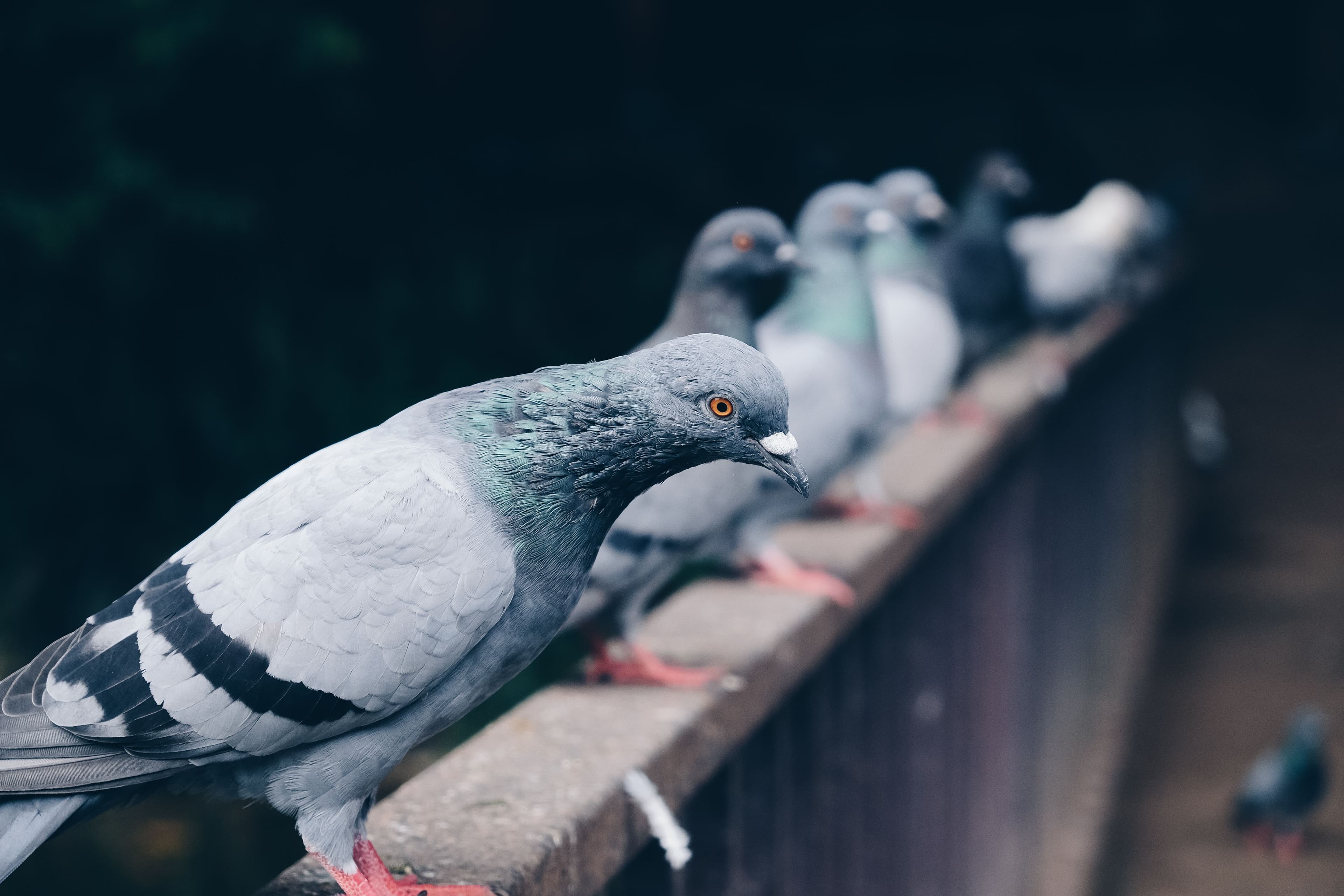
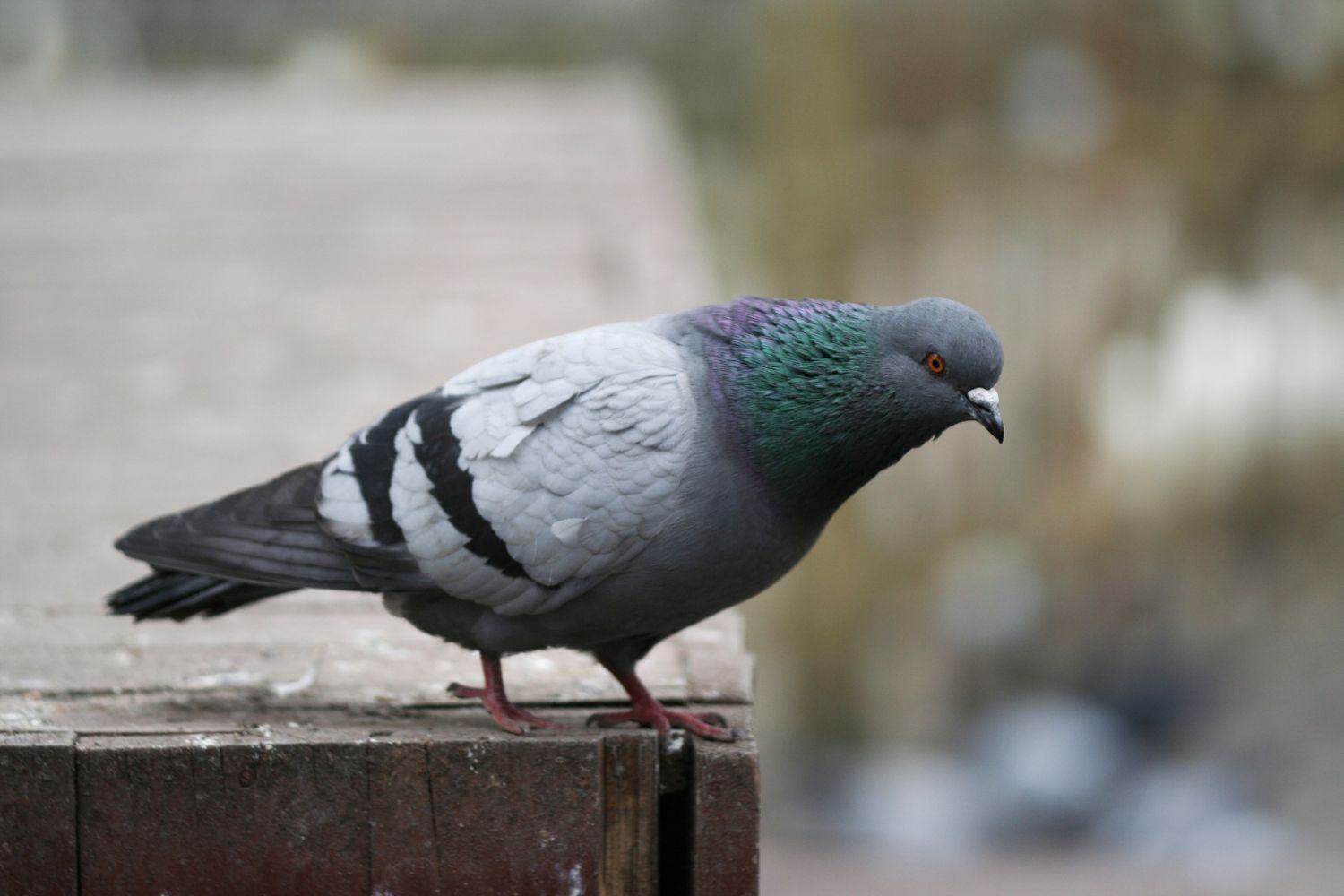
Pigeons, for their part, have found the ideal environment to thrive in Brazilian cities due to the absence of natural predators. These birds form monogamous pairs and can have up to six broods a year, with chicks reaching reproductive age within a few months. Their exceptional memory allows them to return repeatedly to the same building if the physical barriers for pigeon control are not permanent. They do not need trees to build their nests; they seek out crevices and flat surfaces in high places that mimic the rocky cliffs of their origin, making condominium roofs and canopies their preferred locations.
Risks to Health and Property: Why Pest Control Is a Safety Protocol
Neglecting urban pest control can lead to serious consequences for the condominium. The biological risk is the main concern: rodents are vectors of lethal diseases such as leptospirosis, transmitted through contact with the urine of infected animals, as well as hantavirus and plague. In enclosed, damp environments, such as lift pits and pump rooms, this risk is exponentially increased.
Pigeons, although they may seem harmless, are reservoirs of dangerous systemic mycoses. Cryptococcosis and histoplasmosis, for example, are diseases that can lead to meningitis or severe pneumonia, mainly affecting the elderly and children. Besides zoonoses, pigeons carry ectoparasites, such as mites and lice, which migrate into flats and cause dermatitis and severe allergies in residents.
As far as physical property is concerned, neglecting pigeon and rodent control leads to costly structural damage:
Chemical Corrosion: The uric acid present in pigeon droppings corrodes metal paintwork, slab waterproofing and marble and granite finishes.
Short Circuits and Fires: Rodents chew through the insulation on electrical cables, a common cause of failures in lighting and security systems.
Leaks and Blockages: Nests and droppings that build up in gutters and rainwater pipes cause overflows that damage the roof structure and cause mould in top-floor units.
Damage to Air-Conditioning Systems: Animals entering ventilation ducts compromise air quality and can permanently damage the coils of air-conditioning units.
Property Devaluation: Condominiums with visible infestations or recurring sanitary problems suffer a drop in market value and reputation among potential buyers.
A property manager who ignores these risks can be held civilly liable for administrative negligence. If an employee or resident contracts a disease due to a lack of maintenance in common areas, the condominium may be required to pay compensation for moral and material damages.
The Law and Ethical Management: Humane Methods for Pigeon Control
Pigeon management is subject to strict legal restrictions in Brazil. Birds are protected under the Environmental Crimes Law (Federal Law No. 9,605/1998). The use of poisons, such as "chumbinho" (illegal rat poison), or methods that cause suffering and death to birds constitutes a non-bailable crime, exposing the property manager to detention and heavy fines for the condominium.
The modern, legal strategy for pigeon control is ecological management, focused on altering the habitat so the animals no longer find conditions to stay. The goal is to eliminate the "4 As": water (Água), food (Alimento), shelter (Abrigo) and access (Acesso). For ethical, lasting pigeon control, the condominium should invest in physical barrier technologies:
Protective Netting: Installing nylon or polyethylene netting over roof openings and air-conditioning units physically prevents birds from entering.
Polycarbonate or Stainless-Steel Spikes: These are structures with blunt tips installed on eaves that make landing uncomfortable without harming the animal.
Tensioned Nylon Wires: Stretched a few centimetres above landing surfaces, they throw the bird off balance, forcing it to look for somewhere else to perch.
Changing the Slope of Surfaces: Altering the angle of parapets to more than 60 degrees prevents pigeons from gaining a foothold.
Non-Toxic Gel Repellents: Applied by professionals, these create an unpleasant tactile sensation on the birds' feet, prompting them to abandon the area.
In the case of rodent control, ethical practice is reflected in the use of slow-acting rodenticides approved by ANVISA (single-dose or multiple-dose anticoagulants). Fast-acting poisons are ineffective because the colony learns to avoid the bait after seeing a member die immediately. Modern products ensure the whole colony consumes the poison before symptoms appear, achieving complete extermination of the infestation safely, provided sealed bait stations are used to protect children and pets.
Financial Sustainability: NewSun Energy Group's Clean Energy Subscription

For the condominium to have the resources to invest in rigorous pest control programmes and other structural improvements, the property manager needs budget intelligence. One of the biggest fixed costs for common areas is the electricity bill, which is affected by tariff-band volatility and seasonal price adjustments. It is in this context that NewSun Energy Group positions itself as a key strategic partner.
The NewSun clean energy subscription stabilises the electricity bill for the condominium's common areas, giving the manager complete predictability over monthly costs. By taking out the service, the condominium starts consuming energy generated at remote solar farms, receiving credits that are automatically offset on the local utility's bill. The great advantage of this model is that it shields the bill from yellow or red tariff bands, because NewSun's rate is permanently linked to the green band — the most economical in the country. As a result, the condominium achieves progressive savings without needing heavy works, rooftop panel installation or any upfront investment.
In addition to the direct savings, NewSun Energy Group offers a genuinely human service, guiding the property manager and the council through every step of the transition to the sustainable model. The manager gains exclusive access to the NewSun Energy Club, a cutting-edge technology platform developed for detailed, real-time tracking of energy spending. Through the Energy Club, the property manager can monitor common-area consumption, view credits applied and demonstrate the savings generated, making it easier to provide transparent accounts to residents and reinforcing their image as a modern manager focused on ESG.
Discover our Solutions for Condominiums.
Action Schedule: How to Make Sure the Infestation Doesn't Return
Urban pest control is not a one-off action, but an ongoing, preventive process. The property manager should set up a strict maintenance calendar to prevent new colonies from settling in after the initial treatments. Nature is dynamic, and factors such as temperature changes, heavy rain and even building works on neighbouring plots can drive pests into the condominium.
For effective monitoring, the following schedule of actions in common areas is recommended:
Monthly Rodent Monitoring: Technical inspection of bait stations in garages, waste areas and external perimeters to assess consumption and replenish rodenticide.
Quarterly Inspection of Pigeon Barriers: Checking the condition of netting, spikes and seals, as sun and rain exposure can wear down the materials.
Six-Monthly Insect and Rodent Control: Preventive reinforcement in manholes, grease traps and sewers before the start of the warmer months, the peak breeding season for pests.
Annual Cleaning of Ceilings and Roofs: Technical cleaning of nests, removal of droppings with disinfectant moistening, and sealing of new gaps caused by structural wear.
Post-Rain Control: Increased vigilance of drains and basements after periods of flooding, which tend to displace sewer rats from public sewer networks.
Keeping these records in a sanitary dossier is essential for the building's governance. The property manager should require detailed technical reports from the contracted company confirming that services were carried out and flagging structural non-conformities that need immediate repair.
Green and Red Flags: How to Select a Reliable Pest Control Company
Choosing the pest control company is one of the most critical decisions for the condominium's safety. Poorly executed services not only fail to solve the problem, but can cause poisoning and environmental liabilities.
The property manager should watch out for signs of professionalism, the "Green Flags":
Sanitary Documentation: The company must hold an up-to-date Operating Licence from the Sanitary Surveillance Authority and an Environmental Licence.
Technical Responsibility: Require registration of the company with its professional body (Biologists, Chemists or Veterinarians) and the certificate of the Technical Officer (RT).
Compliance with NRs: Technicians working on façades or ceilings must hold valid certification for NR-35 (Working at Height) and NR-33 (Confined Spaces).
Registered Products: All chemical pesticides and repellents must be registered with ANVISA. The company must provide the Chemical Product Safety Data Sheet (FISPQ) for each product used.
On the other hand, the manager should steer clear of the "Red Flags" that indicate high risk for the management:
Price well below average: Indicates the use of unlicensed products, lack of PPE or an untrained team.
Selling by the litre of poison: Reputable companies offer fixed quotes based on a diagnosis of the site and the target pest, not on the volume of liquid applied.
Proposal to exterminate pigeons: Lethal methods for birds are illegal. Companies that suggest poisons or cruel captures are proposing an environmental crime.
Lack of Prior Inspection: Quotes given over the phone without a technical site visit are not reliable, since integrated pest management depends on the architecture and attractants specific to each building.
Communication and Engagement: How to Involve Residents in Prevention

The success of rodent control and pigeon control depends directly on residents' cooperation. Management can seal every gap in the common areas, but if a resident leaves pet food exposed on the balcony, the problem will persist. The property manager should act as an environmental educator, raising awareness through clear, transparent channels.
Guidelines for effective condominium communication:
Pest Control Notices: Announce the date and time of interventions at least 48 hours in advance. Provide guidance on precautions for children, the elderly and pets in the treated areas.
Education on Feeding: Educational campaigns should explain that artificially fed pigeons do not migrate and become dependent on unsuitable food, which leads to an unhealthy overpopulation.
Waste Management: Instruct residents on the correct disposal of organic waste, the use of sturdy bags and sealing containers. Exposed rubbish is the main attraction for rodents.
Caution with Pet Food: Recommend that food bowls are not left out overnight, especially in ground-floor areas or gardens, as the smell attracts rodents from long distances.
Sealing Individual Units: Encourage residents to install protective netting and door seals in their flats to create a secondary barrier against intruders.
Showing the results of technical inspections and the reduction in pest sightings helps validate the investment and motivates residents to keep cooperating with hygiene and safety rules.
Legal Governance: General Meetings and Investment Approval
Contracting ongoing pest control services and carrying out physical sealing works involve budgetary decisions that must follow the guidelines of the Civil Code. Legally, pigeon and rodent control falls under the category of "Necessary Improvements", as it aims to preserve shared property and protect residents' health.
Rules for approval at a general meeting:
Routine Maintenance: If the condominium already has a budget allocation for building maintenance, the property manager has the authority to contract monthly rodent control as part of recurring management.
Emergency Contracting: In cases of critical infestation that pose an immediate risk to habitability or the integrity of vital systems (such as lifts), the property manager can authorise the emergency expense, ratifying it at the next general meeting.
Large-Scale Structural Works: If pigeon control requires netting an entire façade or a complete roof replacement, the matter must be brought to a general meeting. As this is a necessary, non-urgent improvement of significant value, approval requires a simple majority of those present.
When presenting the agenda item, the property manager should focus on the "cost of inaction". Demonstrating that investment in pest control avoids sanitary surveillance fines and protects the building against legal proceedings is the most effective way to secure consensus among residents. Professionalising the management role demands this clear-eyed view of cost, risk and collective benefit.
The Future of Management: Energy Intelligence and Environmental Well-Being
Pigeon control and rodent control in condominiums is a pillar of modern governance, combining environmental technique with social responsibility. The property manager of the future does not just put out fires, but anticipates risks and implements solutions that promote sustainability and operational efficiency.
On this path towards modernisation, the pursuit of savings on fixed costs becomes essential. NewSun Energy Group's clean energy subscription emerges as the perfect financial solution to make these maintenance projects viable. By shielding the condominium's budget from tariff bands and guaranteeing energy stability, NewSun allows the condominium to direct its resources towards what really matters: health, safety and the appreciation of the property. Managing a condominium means caring for lives, and a life of quality demands an environment free of pests and transparent, sustainable administration.
You may also like
- Casos de Sucesso
 20/10/2026
 5m
5m - Dicas para Síndicos e PMES16/10/20265m
- Dicas para Síndicos e PMES13/10/20265m




Stop paying more for your energy bill
Find out in less than 1 minute how much you could save with clean energy every month — no works and no bureaucracy.
Join the energy revolution
Subscribe to our newsletter and receive exclusive content