
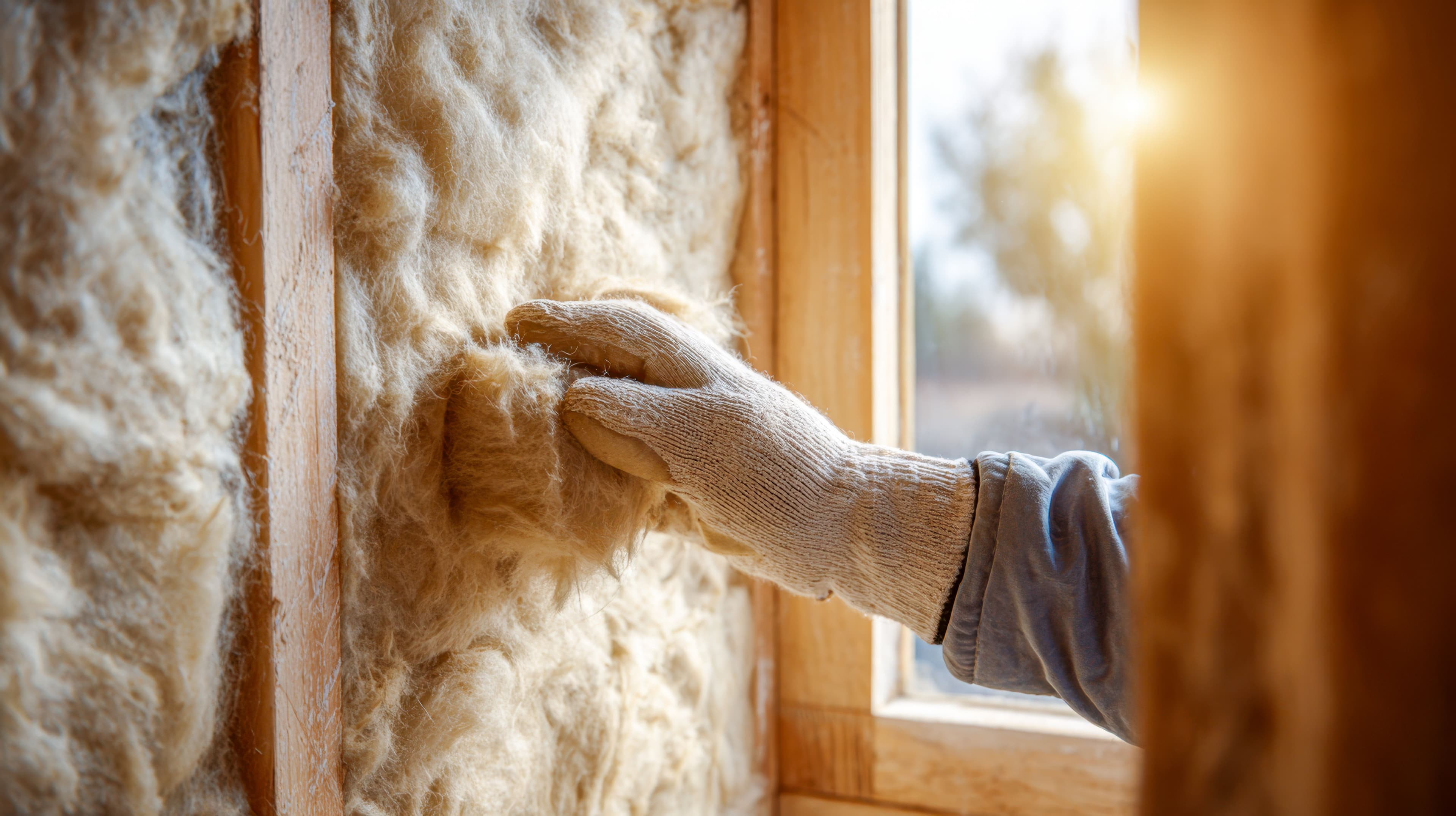
Thermal Insulation in Condominiums: Sealing and Inspection
Thermal Insulation in Condominiums: Sealing and Inspection
Dicas para Síndicos e PMES
 17/08/2026
 5 min
5 minThe arrival of mid-August signals the final stretch of winter in Brazil. Although temperatures begin to show the first signs of transition towards spring, dawns and mornings still bring mild or cold conditions across much of the country. It is precisely during this transition that a silent problem becomes apparent in residential and commercial condominiums: heat loss caused by failures in the sealing of window frames, windows, doors and façade joints.
During the colder months, the effort required to keep spaces warm and comfortable — whether in private units or enclosed communal areas such as gyms, function rooms and reception areas — demands continuous consumption of electricity and fuel gas. However, there is little benefit in investing in properly sized boilers, central heating systems and air-conditioning if the building envelope has gaps, perished rubber seals and worn sealants that allow warm air to escape and cold air to enter.
For condominium managers and management companies, who act as generalist administrators and must balance residents’ comfort, structural safety and budgetary stability, preventive maintenance of vertical enclosure systems is a strategic priority. Moreover, inspecting and restoring seals in mid-August prepares the condominium for the rainy season in the second half of the year, preventing gaps that currently allow heat to escape from soon becoming points of rainwater ingress.
In this comprehensive, in-depth guide, we will address the physics of heat loss in buildings, how to identify sealing failures in practice, the ideal inspection schedule for windows and frames in compliance with ABNT standards, and efficient thermal-insulation and budgetary solutions for your condominium.
The Physics of Heat Loss: Why Sealing Is the Hidden Pillar of Thermal Insulation
To understand the importance of sealing around windows and frames, it is necessary to understand how thermal energy behaves inside a building. Heat is a form of energy that naturally moves from the warmer environment to the colder one in search of thermal equilibrium. This process occurs through three main mechanisms: conduction, radiation and convection.
Whereas conduction occurs through solid surfaces (such as single glazing or an aluminium profile without a thermal break) and radiation occurs through sunlight, convection is directly responsible for the greatest energy wastage in poorly sealed spaces.
Unplanned Air Exchange (Exfiltration and Infiltration)
When there are micro-gaps around a window, the warm indoor air (which is lighter and expanded) tends to rise and escape through gaps at the top of the frame — a phenomenon known as exfiltration. At the same time, this movement creates negative pressure that ‘draws’ cold outdoor air in through gaps at the bottom — air infiltration.
This continuous airflow, commonly called a ‘draught’, turns the window into a veritable chimney for thermal leakage. The consequences of this phenomenon in day-to-day condominium operations are immediate:
Overloading of heating systems: Air-conditioning in heating mode, or electric and gas heaters, must operate continuously at maximum load to compensate for the uninterrupted inflow of cold air.
Significant increases in energy and gas bills: Equipment operating under overload uses more kilowatt-hours (kWh) and more cubic metres of gas, raising costs for both the condominium and households.
Localised thermal discomfort: Residents and staff experience an unpleasant ‘cold draught’ even when windows and doors appear to be closed.
Loss of sound insulation: Any gap through which air passes also provides a clear path for urban noise (traffic, construction work and street conversations), undermining the quiet of individual units.
On-Site Diagnosis: How to Identify Sealing Problems in Windows and Façades

Identifying faults in the insulation and sealing of window frames does not necessarily require destructive intervention in the structure. The condominium’s maintenance and caretaking team can carry out visual inspections and practical diagnostic tests.
See the five main indicators that the building’s seals are compromised:
1. Detection of Draughts (The Candle or Paper Test)
With all windows and doors closed, hold a lit candle, an incense stick or a thin sheet of paper near the joints between the glass and aluminium profile, or near the meeting gap between sliding panels. If the flame flickers markedly or the sheet of paper vibrates, there is external air infiltration. Another simple check is the trapped-paper test: close the window panel with a sheet of paper pressed against the rubber seal; if the paper slides out without any resistance when pulled, the rubber has lost its compression capacity and needs to be replaced.
2. Window ‘Sweating’ and Excessive Condensation
The presence of water droplets accumulating on the inner face of the glass or on the aluminium profile during cold mornings is a clear sign of thermal bridging and insufficient insulation. Condensation occurs when warm, humid indoor air comes into contact with the cold surface of the glass or frame. When the window-frame seal fails, moisture penetrates the surrounding masonry, creating the perfect environment for mould and mildew to develop.
3. Moisture Ingress and Staining Around the Frames
Examine the internal sill, plaster and paintwork on walls around the windows. Blistering paint, peeling filler or dark stains at the lower corners of the masonry indicate that the external silicone sealant or polyurethane (PU) mastic between the subframe and the wall has dried out, cracked or lost adhesion.
4. Deterioration of Rubber Seals (Gaskets) and Brush Seals
EPDM or PVC sealing gaskets and brush strips (weatherstripping) installed in sliding-frame tracks undergo natural degradation caused by ultraviolet (UV) radiation, dust and temperature fluctuations. Visually inspect these components:
Rubber seals that are dried out, hardened, cracked or retracted (having shrunk and pulled away from the corners) have lost their watertightness and airtightness.
Brush seals with flattened, missing or shedding bristles no longer prevent the passage of air and dust.
5. Harsh Noises When Closing or Difficulty Fitting into Place
If window panels require excessive force to close or produce clicking and metal-on-metal friction, the catches, rollers or articulated stays are misaligned. This mechanical maladjustment prevents the frame from properly compressing the rubber against the profile, leaving gaps open along its length.
Technical Standards and the Window-Frame Inspection Schedule (ABNT NBR 5674 and NBR 15575)
Building-maintenance management in condominiums is not an improvised or casual activity. It has a legal basis in the Brazilian Civil Code (Article 1,348) and technical support in rigorous standards issued by the Brazilian Association of Technical Standards (ABNT).
Two standards are essential reading and application for the condominium manager:
ABNT NBR 5674 (Building Maintenance — Requirements for the Maintenance Management System): Updated in its current version (NBR 5674:2024), this standard establishes the management system that the condominium must implement to prevent loss of performance in the building’s structures and components. It requires the condominium manager to maintain a documented annual plan, with a fixed inspection schedule and records of evidence to demonstrate management diligence in the event of audits or legal proceedings.
ABNT NBR 15575 (Residential Buildings — Performance): In Parts 4 (Internal and External Vertical Enclosure Systems) and 5 (Roofing Systems), the standard establishes the minimum levels of thermal, acoustic, water-tightness and airtightness performance that the building must provide throughout its Design Service Life (DSL).
Inspection and Preventive Maintenance Schedule for Window Frames and Windows
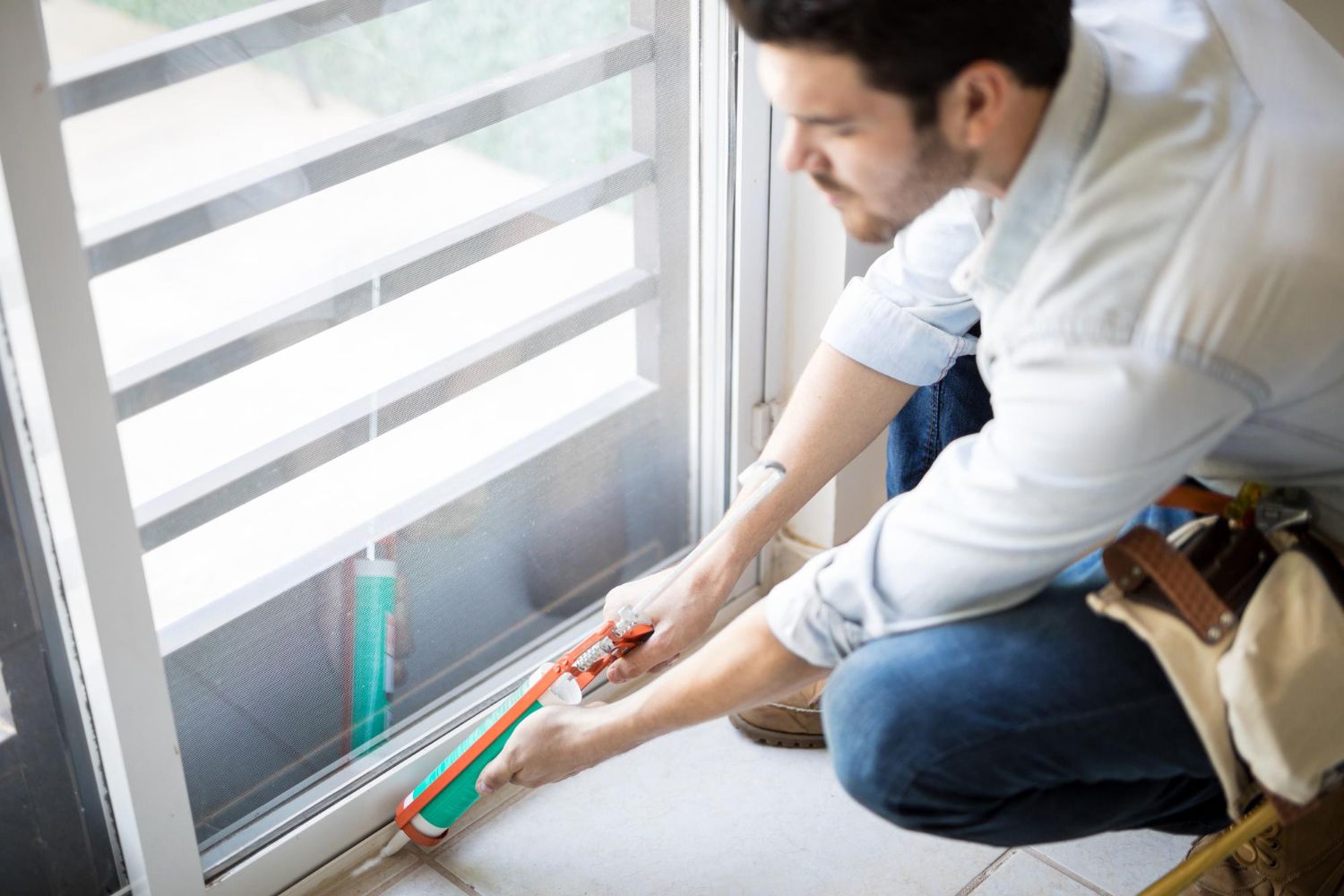
To meet the requirements of the technical standards and avoid emergency corrective-maintenance expenditure in the second half of the year, the condominium administration should adopt the following schedule:
Quarterly to Six-Monthly Routine
Cleaning drainage holes and channels: Clean the drainage holes and channels in the lower track of aluminium frames. Dust and soot accumulating in these drains prevent rainwater from escaping, causing it to overflow into the interior.
Mechanical lubrication of moving components: Apply a dry penetrating spray or neutral lubricant to joints, catches, espagnolette bolts, hinges and rollers on windows and balcony doors. Never use greasy products or heavy oils that collect dust and sand.
Visual inspection of gaskets and brush seals: Check the fixing and integrity of rubber seals around glazing and frames.
Annual Routine (August/September — Final Stretch of Winter)
Inspection of external sealants and mastics: Inspect the condition of neutral silicone or polyurethane (PU) applied at the joints between the frame and the masonry/cladding façade.
Checking the tightness of screws and fixings: Check that screws on hinges, projecting-window stays and catches are secure, preventing the window panel from sagging.
Watertightness and insulation testing: Carry out sample inspections in units and communal areas to assess airtightness performance before the onset of the rainy season and intense heat.
Routine Every 3 to 5 Years
Technical replacement of worn rubber seals and sealants: Arrange preventive replacement of all EPDM rubber gaskets and reapplication of façade mastics by a specialist company, supported by a Technical Responsibility Record (ART).
Practical Solutions for Restoring and Improving Building Thermal Insulation
When a technical inspection identifies a loss of thermal performance in the installations, management must act through corrective and modernisation measures.
See the main technological solutions available on the market to stop heat leakage:
1. Replacement of EPDM Rubber Seals and Brush Seals
Replacing old rubber seals with modern EPDM (ethylene propylene diene monomer) gaskets is one of the lowest-cost interventions with the greatest thermal return. EPDM rubber has excellent elastic memory and UV resistance, and remains flexible even at extremely low temperatures. In sliding windows, replacing brushes with models featuring a central polypropylene fin (fin-seal) reduces air passage by up to 80% compared with ordinary brush seals.
2. Application of polyurethane (PU) sealants and high-performance neutral silicone
At façade movement joints and around the external perimeter of frames, the use of unsuitable sealants (such as cheap acetoxy silicones) causes peeling and premature loss of sealing performance. The technical recommendation is to use polyurethane sealants (façade-grade PU) or high-cure neutral silicone, which accommodate the building’s directional movement without cracking or losing adhesion.
3. Application of Door Seals and Draught-Proofing Strips in Communal Areas
On access doors to social entrance halls, function rooms, gyms and reception areas, installing retractable drop-down door seals or bottom brush seals prevents low-level cold air from entering heated spaces. In gaps around door frames, high-density polyurethane foam adhesive tape provides a simple, immediate barrier against draughts.
4. Solar and Thermal Control Films (Thermal Window Film)
For glazed façades that experience substantial heat loss in winter and overheating in summer, applying ceramic thermal-control films to the glass reduces emissivity. These films reflect infrared heat back into the indoor environment in winter (preventing heat from escaping through the glass) and block excessive solar heat in summer.
Financial Climate Control: How NewSun Subscription Energy Seals the Condominium’s Budget Leaks

Just as invisible gaps in windows and frames cause warm air to escape continuously and force heaters to run for longer, condominium financial management often suffers from ‘budget gaps’ caused by inefficient fixed costs. Of all building expenses, the electricity bill for communal areas is among those most affected by invisible resource leakage.
The constant operation of lighting in corridors and garages, daily use of lifts and water booster pumps, and climate-control and heating systems keeps the building’s electricity demand high throughout the year. For the condominium manager and management company, managing this bill becomes a complex task because of the Force of Unpredictability in electricity charges. Periods of drought in the country prompt ANEEL to activate yellow or red tariff flags, causing price spikes per kilowatt-hour (kWh) that disrupt the budget forecast approved at the general meeting and create taxing friction during financial reporting.
To stop this financial leakage once and for all and provide complete stability for your building’s finances, NewSun has developed a revolutionary solution: financial climate control through clean energy by subscription.
Through this distributed-generation ecosystem, your condominium receives electricity credits originating from partner plants that use clean, renewable sources. The model’s great innovation is enabling the condominium to achieve progressive savings on electricity bills for communal areas without any capital investment (zero CAPEX), without installing solar panels on the roof and without any work on the building’s infrastructure.
Our value proposition is supported by the excellence of our 5D Matrix:
Cut red tape: We eliminate piles of documents and slow regulatory processes. Signing up to the subscription service is 100% digital and straightforward.
Decentralise: We connect your condominium directly to distributed clean-energy generation, democratising access to the benefits of the energy transition without the need for physical works in the building.
Digitalise: We provide an intuitive management technology platform, allowing the condominium manager to monitor consumption, savings and energy credits from the palm of their hand.
Decarbonise: We promote genuine, practical sustainability. The condominium reduces its carbon footprint, strengthens environmental indicators and adds market value to private units.
Decommoditise: We transform the electricity bill — previously seen as a passive, unpredictable invoice — into a strategic budget-efficiency asset, with competitive tariffs, protection against tariff spikes and guaranteed ongoing savings.
By subscribing to NewSun’s energy service, you seal the gaps in the condominium budget, ensuring genuine financial predictability and freeing up funds for improvements, security and building maintenance.
Conclusion
Inspecting and carrying out preventive maintenance on seals around window frames, windows and façades in mid-August is a highly strategic management decision. It immediately stops heat loss at the end of winter, ensures residents’ thermal comfort, reduces energy consumption by heating systems and protects the building against rainwater ingress during the second half of the year.
By aligning the condominium’s maintenance plan with the requirements of ABNT NBR 5674 and NBR 15575, the condominium manager demonstrates technical rigour, prevents premature deterioration of the property and safeguards their legal responsibility as administrator.
Alongside this care for the building’s physical envelope, adopting modern financial-intelligence solutions — such as NewSun subscription energy to neutralise tariff-flag spikes — consolidates forward-looking management, prepared to eliminate waste and deliver comfort, sustainability and genuine savings for the entire community.
You may also like
- Energia por Assinatura
 01/10/2026
 5m
5m - Dicas para Síndicos e PMES30/09/20265m
- Dicas para Síndicos e PMES29/09/20265m





Stop paying more for your energy bill
Find out in less than 1 minute how much you could save with clean energy every month — no works and no bureaucracy.
Join the energy revolution
Subscribe to our newsletter and receive exclusive content