
The New Era of Management: The Rise of Remote Concierge Services
The New Era of Management: The Rise of Remote Concierge Services
Dicas para Síndicos e PMES
 08/04/2026
 5 min
5 minBuilding management in Brazil is undergoing an unprecedented transformation. The role of the building manager, once focused on resolving minor neighbourly disputes, has evolved into a high-responsibility executive function, akin to running a “mini-city”. Against this backdrop of modernisation, remote concierge services have emerged as one of the most disruptive tools for ensuring operational efficiency and collective security. In 2026, the search for solutions that combine cost reduction with greater asset protection is what defines successful management in residential and commercial buildings.
Remote concierge technology is not merely a modern convenience; it is a strategic response to the economic and public-safety challenges faced in major urban centres. By centralising service in bases monitored 24 hours a day, buildings are able to eliminate human vulnerabilities and professionalise access control. The benefits of this transition are felt both in residents' pockets and in the building manager's peace of mind, who can now rely on auditable digital records and standardised processes for every visitor or service provider.
However, migrating to a remote concierge system requires the manager to understand the technological workings behind the service as well as its legal limits, particularly with regard to the protection of sensitive data. This article serves as an informative guide for building managers seeking to understand how remote concierge services can add value to a property, what real benefits they bring to day-to-day operations, and how NewSun Energy Group's energy efficiency solutions complete this ecosystem of modernisation and savings.
How Remote Concierge Services Work in Practice
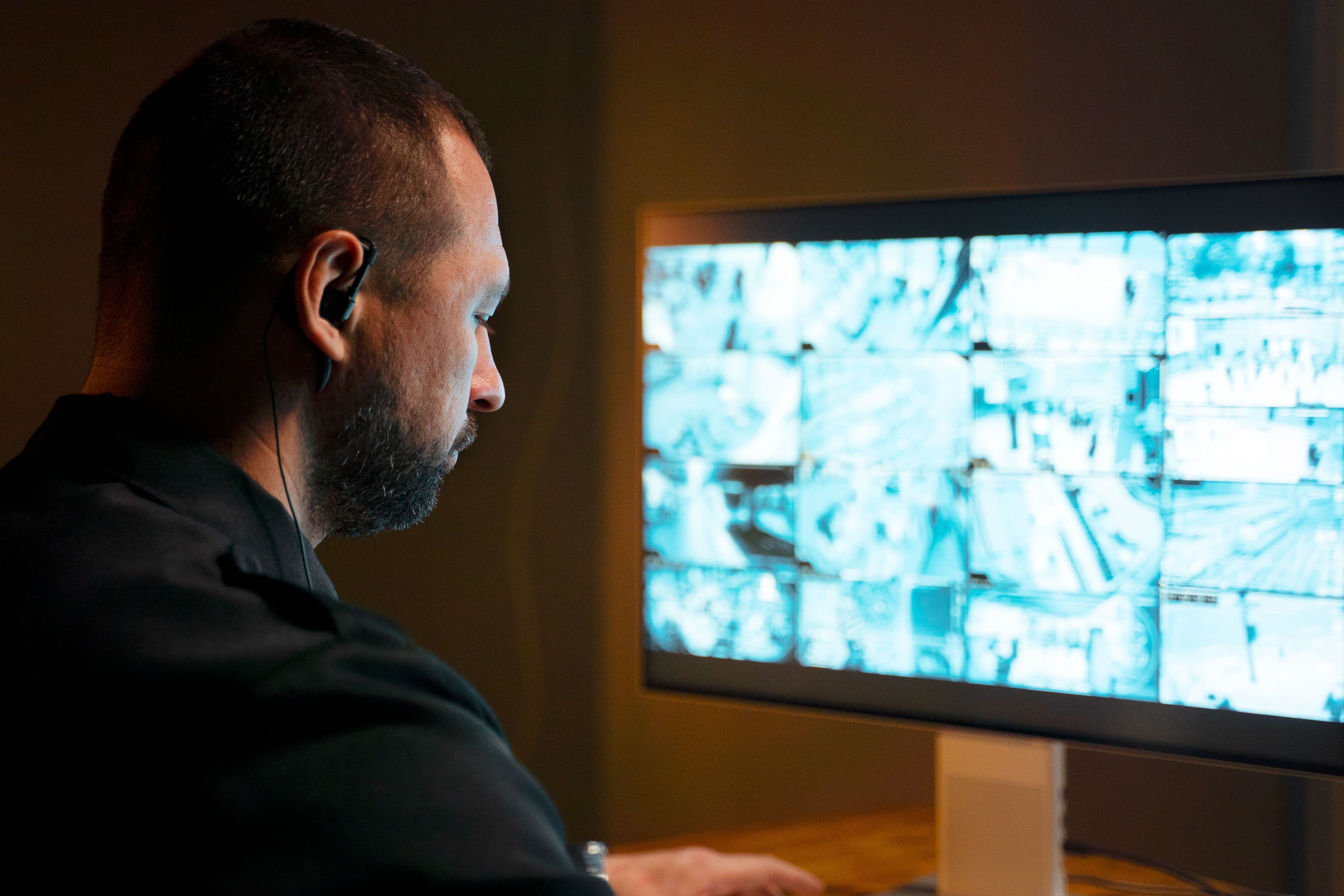
For the building manager and residents alike, the operation of remote concierge services should be simple and intuitive, even though it involves robust infrastructure behind the scenes. The basic concept is the replacement of the on-site doorman with agents based at an external monitoring centre. When a visitor arrives at the gate of one of the many buildings served, they use the intercom, which transmits voice and image in real time, via the internet, to the remote operator. This professional carries out screening, contacts the resident and, once authorised, releases access electronically.
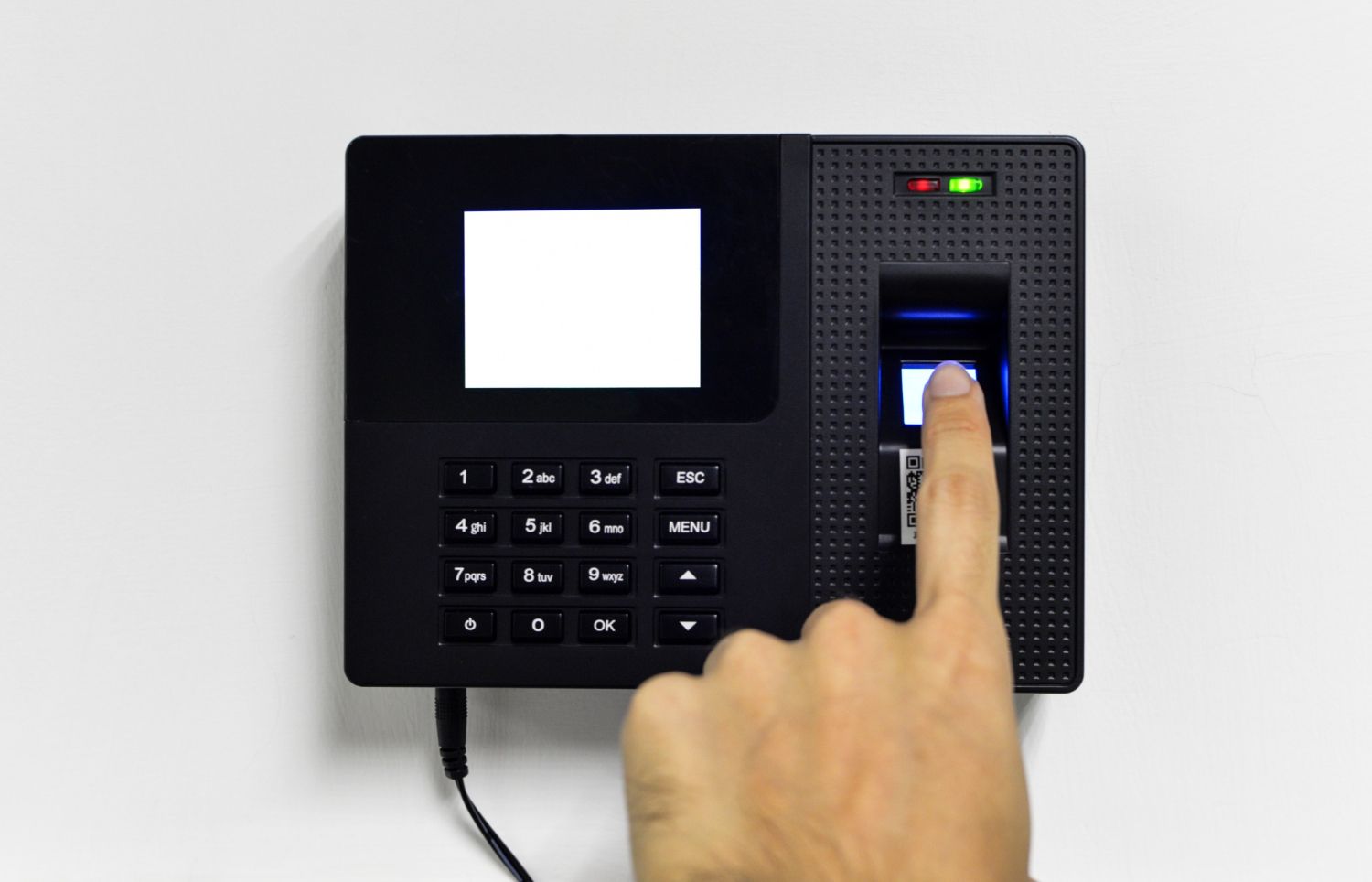
The technological backbone of remote concierge services rests on three pillars: redundant internet connectivity, high-definition CCTV systems (Closed-Circuit Television), and electronic identification devices. In modern buildings, residents have full autonomy to come and go using biometrics, facial recognition, RFID tags or mobile apps. These methods ensure the key benefits of speed and security are enjoyed without the need for constant human intervention, freeing up the monitoring centre to focus on attending to third parties and handling risk situations.
Beyond pedestrian control, remote concierge services also manage vehicle access with precision. Licence-plate reading systems and anti-cloning remote controls log every movement in the buildings' car parks. Should a "tailgating" attempt occur (when a stranger tries to enter right behind an authorised vehicle), sensors send an immediate alert to the monitoring centre, which can trigger alarms or call in security forces. Automation reduces human error and creates a digital audit trail that is one of the great benefits for the building manager's accountability.
Remote screening: Visitors are attended to by a specialist professional at a secure, protected base.
Resident autonomy: Use of biometrics, facial recognition or QR codes for quick entry into the buildings.
24-hour monitoring: Smart cameras that detect suspicious movement and send real-time alerts.
Digital record: Recording of all access audio and video for future reference and legal security.
Technical support: Maintenance teams ready to act in the event of faults with gates or cameras in the buildings.
The History of Remote Concierge Services in Brazil: From Innovation to Consolidation
The story of remote concierge services in Brazil began just over a decade ago, driven by a chronic public-safety crisis and the steep rise in labour costs at residential and commercial buildings. Initially, many building managers viewed the technology with suspicion, fearing a loss of personal touch or connection failures. However, advances in fibre-optic technology and improvements in video compression systems allowed remote concierge services to become a viable and extremely reliable solution.
The regulatory framework and the professionalisation of electronic security companies were fundamental to consolidating the model. ABESE (the Brazilian Association of Electronic Security Systems Companies) reports that the remote concierge sector has maintained growth rates above 25% a year, with even greater expansion expected for the 2025-2026 period. Today, it is estimated that more than 14,000 buildings across the country already use this technology, reaping the benefits of security that never sleeps, never gets distracted and cannot be overpowered by criminals.
Cultural change has also been a determining factor in the history of remote concierge services. With the popularisation of smartphones and service apps, the profile of building residents has changed. Today's public values speed and privacy, preferring to authorise a delivery from their phone rather than rely on a physical member of staff being available. This generational shift has turned remote concierge services from a technological luxury item into a basic infrastructure requirement for buildings that want to remain competitive in the property market.
Strategic Benefits for Residential Buildings
When a building manager evaluates migrating to remote concierge services, the first thing that stands out is the drastic reduction in ordinary expenses. In residential buildings, doorman payroll and associated labour costs can account for up to 70% of fixed costs. Remote concierge services can cut this expense by between 40% and 60%, allowing the money saved to be reinvested in improvement works or in reducing the condominium fee — one of the benefits residents notice the most.
Preventive security is the second major pillar of benefits. Unlike the traditional model, where the on-site doorman is the weakest link in the security chain — potentially overpowered or coerced in the event of a break-in — with remote concierge services the operator is protected at a secure centre. Should any incident occur at the buildings, the remote agent calls the police immediately without putting their own life at risk. This operational shielding is what genuinely ensures security protocols are followed with technical rigour, regardless of the pressure of the moment.
Furthermore, remote concierge services promote standardised service. All visitors and service providers arriving at the buildings go through the same identification process, reducing the risk of "courtesy" entries or recognition failures. Facial recognition and biometric technology ensure that only registered individuals move through common areas, raising the level of control and reducing the sense of insecurity that often haunts residents of buildings with inattentive on-site doormen.
Financial Savings: Significant reduction in spending on salaries, payroll charges and staff replacements.
Uninterrupted Security: 24/7 monitoring without the risks of human distraction or physical coercion.
Access Traceability: Complete history of everyone who entered and left the building, with audio and video records.
Asset Appreciation: Technological modernisation that attracts new buyers and investors to the buildings.
Parcel Management: Integration with smart lockers that make receiving online purchases easier without an on-site doorman.
Comparison: Traditional Concierge vs. Remote Concierge
The choice between the in-person model and remote concierge services sparks heated debate at owners' meetings. Traditional concierge is valued for its human touch and the warm welcome it offers. Many residents of older buildings feel safer with the physical presence of a professional who knows their routines. However, this model is vulnerable to operational failures, such as falling asleep during the night shift or getting distracted by side conversations, factors that remote concierge services eliminate completely through automation and centralised monitoring.
In terms of efficiency, remote concierge services have the edge by offering surveillance that uses artificial intelligence to detect anomalies. While an on-site doorman's view is limited to the monitors in the gatehouse, the remote system can process data from dozens of cameras simultaneously, identifying suspicious behaviour around the buildings' perimeters far more quickly. This technological advantage is one of the fundamental benefits for managers running developments with multiple access points or extensive leisure areas.
On the other hand, the drawback of remote concierge services lies in their total dependence on technology infrastructure. If there is an internet outage or a prolonged power cut, the building needs contingency plans, such as robust generators and uninterruptible power supplies. With an on-site doorman, by contrast, the professional remains there even without power. That said, modern remote concierge companies already offer redundant links and 24-hour support to mitigate these risks, ensuring buildings are never left unprotected. The cost-benefit balance tips towards the remote model in most cases where the priority is professionalisation and financial health.
The Efficiency of Remote Concierge Services in Commercial Environments
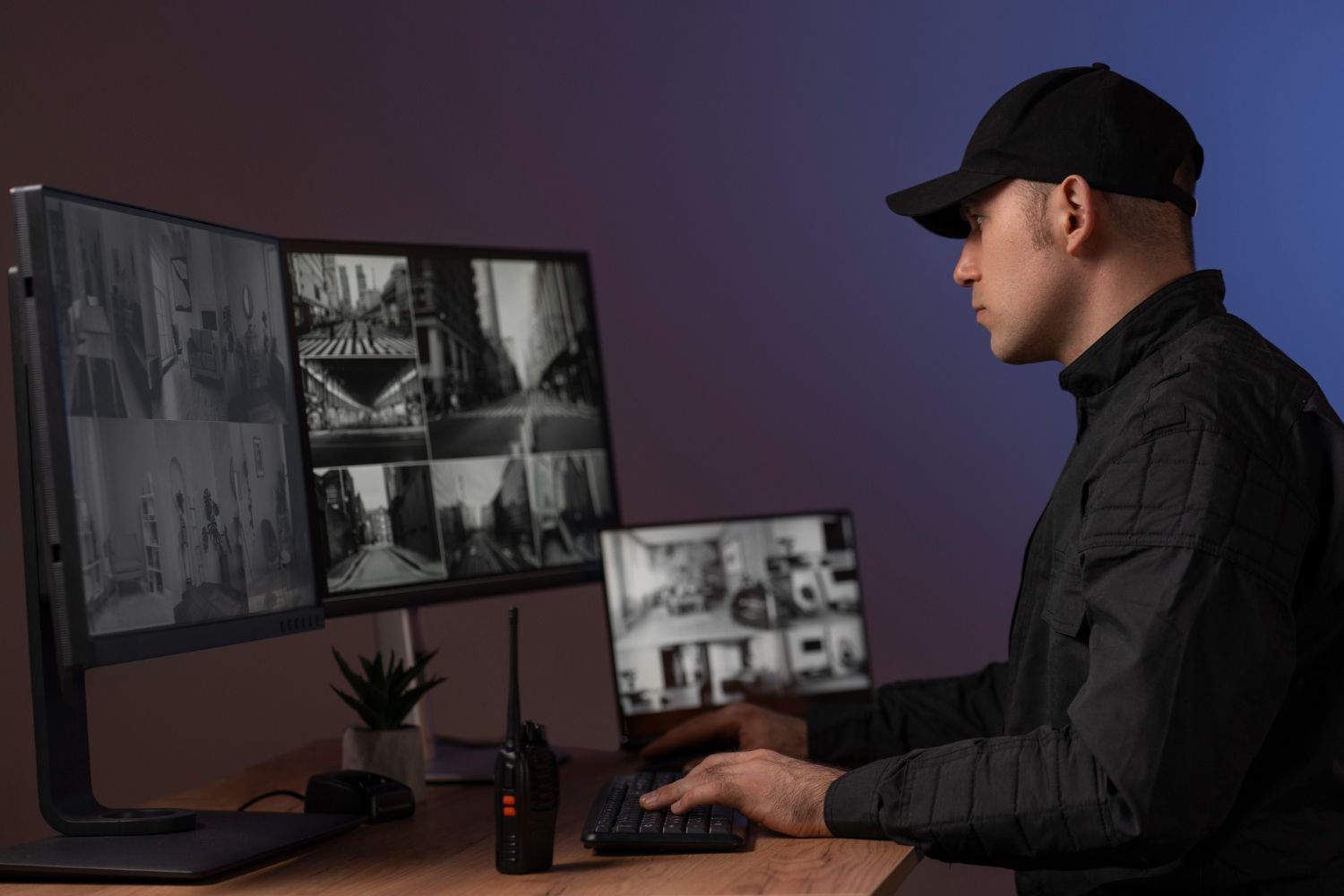
In commercial buildings, remote concierge services play a strategic role different from that in residential ones. Rather than focusing solely on welcoming visitors, the main objective is traffic flow and corporate security. Traditionally, these premises use badge systems and physical turnstiles. Remote concierge services raise the bar by integrating employee and visitor access into a centralised database that recognises biometrics and faces in a fraction of a second, delivering speed benefits that manual badge systems simply cannot match.
A comparison between badge systems and remote concierge services reveals that physical cards are expensive and bureaucratic. Badges are frequently lost or forgotten, creating queues at reception and replacement costs for companies located in commercial buildings. With remote technology, a visitor can receive a temporary QR code directly on their smartphone before even arriving at the building. This autonomous, monitored access is one of the major operational benefits, as it reduces waiting time in the lobby and boosts the productivity of everyone working in the building.
Beyond speed, remote concierge services in commercial environments offer superior auditing. The system stores not just the name of who entered, but the exact digital log of their movements within the building. In the event of corporate security incidents or lost materials, the building manager has detailed reports at hand that cross-reference camera footage with access records. This data intelligence turns security in commercial buildings into a strategic management and compliance tool, essential for attracting major companies and investors.
Drawbacks and Challenges: What Building Managers Need to Know
Despite its numerous strengths, implementing remote concierge services presents challenges that building managers must tackle with careful planning. The main obstacle is cultural resistance from residents, particularly older ones, who may find it difficult to adapt to biometric readers or apps. To overcome this challenge, it is essential to invest in training and clear communication, showing that the technology is there to make life easier and that the security and cost benefits outweigh the initial learning curve.
Another technical challenge is parcel receipt. Without an on-site doorman to receive e-commerce boxes during the day, buildings adopting remote concierge services need complementary solutions, such as smart lockers. These automated cabinets allow the courier to securely deposit the parcel, and the resident receives a notification to collect it at any time. Although it requires an additional investment, combining remote concierge services with lockers solves the logistical problem and keeps the delivery flow organised and free of losses.
Reliance on infrastructure is also a critical point of attention. Remote concierge services only work if there is stable internet and a constant power supply. Building managers migrating to this model must ensure the project includes fibre-optic links from different providers and a battery or generator system that can support locks and cameras during a blackout. Without these safeguards, management risks suffering operational paralysis that would negate the system's practicality benefits. Choosing a maintenance provider with a strict SLA (service-level agreement) for emergency repairs is therefore essential.
Technological dependence: Need for redundant internet and backup power systems in the buildings.
Logistical challenges: Receiving parcels and mail requires automation or smart lockers.
Resident adaptation: An initial training period so everyone feels comfortable with remote concierge services.
Initial investment: Costs of acquiring hardware, cameras and access-control software.
Ongoing support: Rigorous equipment maintenance to prevent gates and locks in the buildings from jamming.
Cost-Benefit and ROI Analysis for Management

Calculating the Return on Investment (ROI) is the definitive argument for convincing the owners' meeting to approve remote concierge services. Although the initial investment in equipment may seem high for some buildings, the "payback" (the time it takes to recover the amount spent) usually occurs within 12 to 18 months thanks to monthly payroll savings. After this period, the building operates with a much healthier cash position, allowing investment in other critical areas, such as modernising lifts or energy-efficiency systems.
From a corporate standpoint, remote concierge services add value to the property asset. Technologically advanced buildings with controlled service charges are far easier to sell or rent. The property market in 2026 penalises developments with bloated administrative fees and outdated security systems. By adopting remote concierge services, the building manager is, in effect, upgrading the building's brand, positioning it as a modern and secure location. These long-term benefits far outweigh the monthly maintenance costs of the monitoring service.
For commercial buildings, the economy of scale is even more pronounced. The remote system allows a single monitoring centre to manage multiple access points simultaneously, reducing the need for receptionists at every tower or entrance. Integration between the access-control system and finance automates billing and visitor control, reducing the administrative burden on the building manager's team. In short, the cost-benefit of remote concierge services is positive both from an immediate financial standpoint and from the perspective of lasting asset appreciation.
Massive Data Protection and LGPD in the Digital Age
With the implementation of remote concierge services, buildings become large repositories of personal and sensitive data. Facial images, fingerprints, document numbers and entry and exit routines are collected on a large scale every day. Under Brazil's General Data Protection Law (LGPD), the building manager takes on legal responsibility for the safekeeping and correct handling of this information. Cybersecurity is no longer just a technical detail — it becomes a legal obligation of administrative compliance.
Processing this massive volume of data requires companies to use end-to-end encryption and secure servers (preferably in the nuvem with international standards). One of the great benefits of hiring professional companies is that they already have privacy protocols built into their software, ensuring that footage from the buildings' cameras is not accessed by unauthorised individuals. The building manager should verify that the operating company respects the principle of data minimisation: collecting only what is strictly necessary for security purposes.
In practice under the LGPD, buildings must be transparent about the use of recordings. The building manager must ensure that residents and visitors are informed about the monitoring and that access to this footage only occurs by court order or proven need for incident investigation. Data security is, ultimately, the security of residents' privacy. Managers who master this subject inspire greater confidence and protect the building from heavy fines from the ANPD, ensuring that the technological advances of remote concierge services go hand in hand with ethics and legality.
NewSun Energy: Financial Shielding and Sustainability for Common Areas

The efficiency of a modern building reaches its peak when the technological innovation of remote concierge services is paired with a smart resource-management strategy. It is in this context that NewSun Energy Group's clean energy subscription becomes a strategic ally for the building manager. While access automation cuts staffing costs, NewSun's solutions stabilise the electricity bill for common areas — precisely where spending on lifts, pumps and remote concierge security equipment is concentrated. Through the distributed generation model, buildings can achieve real, progressive savings that directly impact the building's financial health.
One of NewSun's greatest advantages is protection against tariff surcharges. During energy crises, traditional bills see aggressive increases that throw building managers' budget planning off balance. With a solar energy subscription, the tariff is tied to the green rate band, guaranteeing predictability that is essential for managing buildings. Besides the financial savings, managers also have access to the NewSun Energy Club, an exclusive and intuitive platform for tracking every kilowatt-hour saved in detail. This level of digital transparency strengthens the building manager's authority at owners' meetings, proving with data and charts the benefits of modern, sustainable management focused on collective prosperity.
Beyond technology, NewSun Energy Group stands out for its genuinely human service. In a world increasingly automated by remote concierge systems, having accessible, consultative support for energy management makes all the difference for the building manager. The company provides educational materials and ready-made presentations so managers can explain the project's benefits to residents, fostering an ESG (Environmental, Social and Governance) culture that adds value to the property and protects the environment. Combining clean-energy savings with digital concierge efficiency is the complete formula for turning any building into a governance benchmark in 2026.
Learn more about our Solutions for Condominiums.
Implementation Guide: Steps for Approval at the Owners' Meeting
The decision to migrate to remote concierge services is a sovereign act of the residents' assembly. For the project to be approved without setbacks, the building manager must follow a democratic, informative process. The first step is preparing a technical and financial feasibility study, comparing current expenses for on-site concierge services with the cost of implementing and maintaining the remote system. Presenting clear figures and demonstrating the preventive security benefits are the best ways to overcome opposition based purely on resistance to change.
The calling of the meeting must be specific and strictly follow the internal bylaws and the Civil Code. It is recommended that the building manager invite a representative from the remote concierge company to give an educational presentation, answering technical questions about how the app works and the contingency plans in the event of an internet failure. The quorum required to approve remote concierge services is generally a simple majority of those present, but if the project involves significant structural works (useful works), a favourable vote of 50% of all the buildings' ideal fractions may be required. Following proper legal procedure in this process shields the management from future attempts to challenge the decision in court.
Finally, once approved, the implementation phase must be accompanied by educational campaigns. The building manager must use every communication channel to guide residents on biometric registration and the use of the new digital keys. The success of remote concierge services depends on everyone's cooperation; when the community understands it is taking part in a modernisation movement that brings savings and greater protection for their families, adaptation happens naturally. Being a leading building manager in 2026 means guiding buildings towards a future where technology and sustainability work together to create common spaces that are safe, smart and financially sustainable.
You may also like
- Casos de Sucesso
 20/10/2026
 5m
5m - Dicas para Síndicos e PMES16/10/20265m
- Dicas para Síndicos e PMES13/10/20265m




Stop paying more for your energy bill
Find out in less than 1 minute how much you could save with clean energy every month — no works and no bureaucracy.
Join the energy revolution
Subscribe to our newsletter and receive exclusive content