
Tackling Mould on Walls in Winter: A Guide for Condominiums
Tackling Mould on Walls in Winter: A Guide for Condominiums
Dicas para Síndicos e PMES
 16/06/2026
 5 min
5 minWith the official arrival of the cold months of the year, polar fronts begin to drive temperatures down and profoundly alter the daily routines and habits of collective housing. The immediate tendency of the resident community is to keep all windows and doors fully shut to retain indoor heat, reducing the natural circulation of air through the spaces to a minimum. This behaviour, though understandable for thermal comfort, creates an ideal environment for the emergence of silent problems linked to the build-up of moisture. It is precisely in this scenario that it becomes urgent to discuss tackling mould on walls, a building pathology that damages the condominium's assets and requires ongoing prevention to avoid collective health crises.
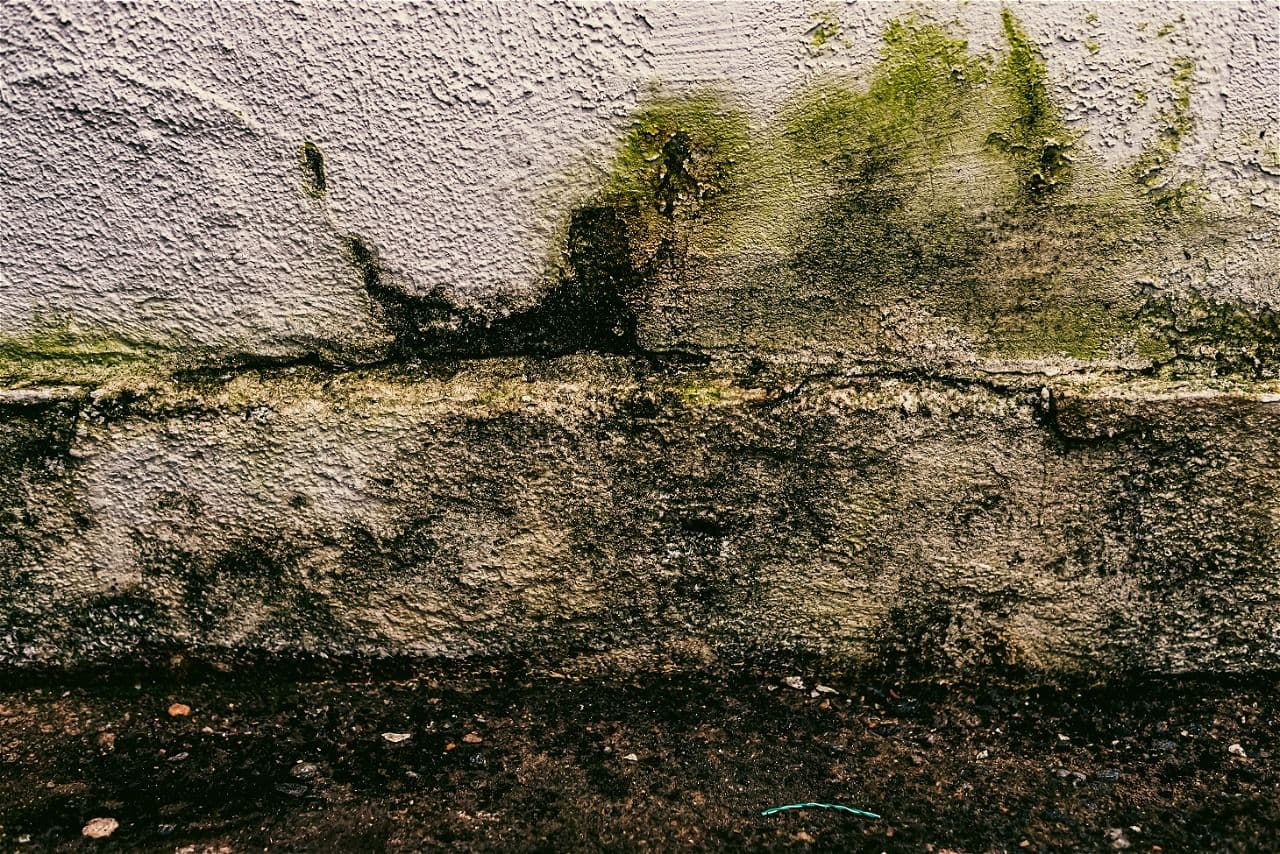
Mould on walls initially manifests as small dark or greenish stains that spread rapidly across masonry surfaces and the furniture in shared spaces. Effectively tackling this biological agent requires the building manager to draw up a rigorous prevention plan focused on moisture control, since delaying action leads to financial and aesthetic losses of considerable proportions for the condominium. Prevention should begin right at the start of the cold season, ensuring that mould on walls is tackled before the spores spread throughout the condominium. Understanding the mechanics of mould on walls makes it easier to tackle and improves prevention against the advance of moisture.
For proactive management, preventing mould on walls should be treated as a maintenance priority in the condominium. Establishing routines to tackle sources of water ingress is the first step towards preventing severe damage to the condominium's physical structure. Consistently tackling mould on walls restores wholesome conditions to common circulation areas, proving that investing in prevention and structured action protects lives and adds value to the condominium. Ignoring mould on walls and neglecting prevention undoes conservation efforts, turning the task into an exhausting and costly burden on the condominium's shared budget. Ongoing prevention and tackling mildew change the environment. Tackling the problem demands rigour and daily prevention in the condominium. Prevention reduces the costs of tackling it too late.
How mould appears on walls and furniture: The biology behind the problem
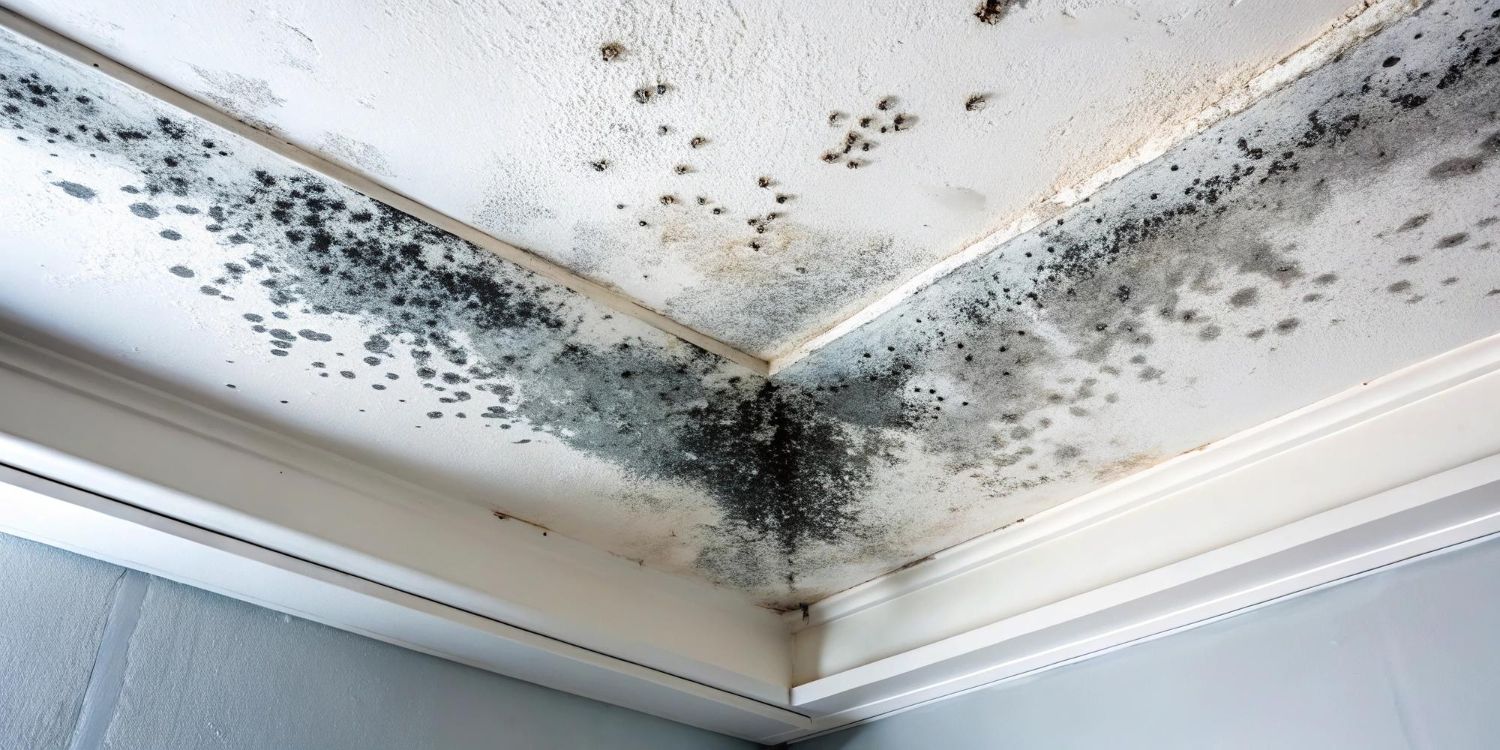
To mount an effective response against mildew, the building manager and the caretaking team need to understand the hidden biology behind the appearance of mould on walls and wooden surfaces. This micro-organism is made up of microscopic filamentous fungi whose spores float continuously in the atmospheric air, waiting for the perfect environmental conditions to settle and begin biological colonisation. Preventing mould on walls relies on eliminating the factors that trigger this settling, turning the response into a process focused on the structural causes affecting the condominium.
The key factors that fuel the proliferation and appearance of mould on walls are high humidity, the absence of direct sunlight and the presence of combustible organic matter, such as the cellulose found in paints, plaster fillers, wallpaper and wooden furniture in the condominium. When these three elements interact freely in winter, the spores germinate and form dense colonies that give rise to mould on walls. Tackling the problem by simply cleaning the visible stain without addressing chronic moisture leads to operational failures, requiring the condominium to maintain an ongoing prevention routine to support a definitive response.
The biology of the fungus shows that immediate chemical treatment must go hand in hand with environmental prevention in the condominium. Mould on walls feeds on the finishing materials themselves, destroying the physical integrity of surfaces and accelerating deterioration within the condominium. Without a clear prevention strategy focused on keeping spaces dry, tackling mould on walls becomes a losing, never-ending battle. The condominium needs to adopt strict prevention protocols, ensuring that action against mould on walls eliminates biological colonies at the root before they reach the condominium's furniture and storage rooms. Tackling the fungus depends on structural prevention. Prevention makes it easier to tackle the problem and brings better health. All prevention supports the fight against it in the condominium.
The direct influence of temperature on the appearance of fungi
The temperature drop typical of the winter months has a direct and decisive physical influence on the accelerated appearance of mould on the walls and ceilings of the condominium. This thermal phenomenon occurs due to the condensation of water vapour present in the air, which intensifies sharply when cold fronts hit the condominium's external concrete structures. Understanding this thermodynamic dynamic is essential for drawing up effective plans to prevent and tackle mould on walls, avoiding common operational mistakes in the caretaking routine.
When the condominium's indoor spaces are heated by showers, aquecedores or simply by occupants' breathing, the indoor air retains a greater amount of invisible moisture. This warm, humid air, on coming into direct contact with the inner faces of external walls that are extremely cold due to the winter climate, undergoes a sudden cooling. This thermal shock causes the water vapour to change from a gaseous to a liquid state, depositing tiny water droplets on the masonry surface and creating the ideal moisture conditions for mould on walls. Preventing this thermal shock supports the fight against mould in the condominium.
Condensation acts as the main thermal trigger for mould on walls during the coldest months in the condominium. Tackling this thermal process requires strategies focused on improving insulation or ensuring moisture is expelled through active prevention. If the condominium does not adopt measures to prevent the build-up of condensed water, tackling mould on walls will be ineffective. The building manager should therefore understand that winter calls for a distinct prevention routine, combining controlled ventilation with chemical treatment techniques to stop mould on walls from spreading through the condominium's shared and private areas.
To guide the technical team's actions and inform residents about the thermal causes that favour mildew in winter, the condominium should keep an eye on the following critical seasonal factors:
A sharp difference in temperature between the heated indoor environment and cold outdoor surfaces, generating condensation and mould on walls;
A drastic reduction in daily natural ventilation due to the systematic closing of windows, making it harder to tackle and prevent mould in the condominium;
An increase in relative humidity on rainy winter days, accelerating the settling of mould on the condominium's walls and furniture;
Absence of direct sunlight on the south-facing sides of buildings, requiring extra attention to prevention and technical action from the condominium;
Continuous use of heat-generating appliances without proper vapour extraction systems, feeding mould on walls and calling for prevention.
Hidden dangers to the health of residents and staff
The uncontrolled proliferation of mould on walls poses a serious, invisible and immediate danger to the public health of everyone who lives or works daily on the condominium's premises. Fungi continuously release thousands of toxic microparticles known as mycotoxins into the air, as well as allergenic spores that easily penetrate the human respiratory system. In light of this, tackling mould on walls is no longer just a matter of appearance but an urgent health requirement focused on preventing chronic illness in the condominium.
Staff who work fixed shifts in enclosed posts, such as the front desk, administration offices and storage rooms of the condominium, are the most vulnerable to the harmful effects of mould on walls should prevention fail. Continuous exposure to these airborne toxins triggers severe bouts of asthma, allergic rhinitis, bronchitis, sinusitis and contact dermatitis that are difficult to treat. The building manager, bound by the legal duty to ensure a safe and healthy working environment, should lead the fight against mildew, using prevention as a shield to protect the health of staff and residents of the condominium.
Besides the usual allergic reactions, mould on walls can worsen the clinical condition of immunocompromised people, the elderly and children who use the condominium's common areas. Neglecting prevention and delaying action against fungal colonies exposes the condominium to the risk of health inspections and lawsuits over occupational health hazards. Understanding mould on walls as an active biological risk therefore reinforces the need for a permanent prevention and response plan, ensuring the air breathed within the condominium is completely clean, healthy and free of harmful spores. Tackling spores requires active prevention from management. Preventing biological risks improves the response. Every response requires a focus on ongoing prevention.
The structural impacts threatening the condominium's assets
The damage caused by the chronic presence of mould on walls goes far beyond appearance or health risks, directly affecting the structural integrity and market value of the condominium's assets. Filamentous fungi break down the organic compounds present in construction and finishing materials, such as plaster, filler, wooden panels and layers of acrylic paint. Without a rigorous plan to prevent and tackle mould on walls, the condominium's structure suffers progressive, silent physico-chemical degradation.
Mould on walls corrodes the surface layers of masonry finishes, causing paint to blister, plaster to peel and internal render to crumble in affected areas of the condominium. This process of material deterioration, if not halted by decisive action, can mask severe leaks coming from the general plumbing system or waterproofing failures on the condominium's external facades. Preventing this structural damage requires regular inspections to identify mould on walls at the very first signs of biological growth.
Furthermore, mould on walls readily spreads to fitted furniture and wooden partitions installed in the condominium's common areas, causing premature rot and generating heavy replacement costs for the management's budget. The building manager must understand that inaction in the face of mildew destroys shared assets and lowers the commercial value of the residential units. Combining moisture prevention with modern chemical treatment techniques preserves the condominium's integrity, proving that eradicating mould on walls is an excellent strategic investment in building governance. Preventing damage and tackling the problem protect the property. The response preserves the structures when prevention is in place. Investing in prevention saves money on treatment.
Prevention strategies for shared living and leisure areas
A definitive response to mildew requires designing specific prevention strategies for the condominium's high-traffic and shared leisure areas. Spaces such as function rooms, social halls, administration offices, staff pantries and the critical area of the heated indoor pool demand extra attention from the caretaking team during winter. In these locations, moisture builds up constantly, turning mould on walls into a recurring threat that calls for integrated preventive action from the condominium.
The heated indoor pool area is the point of greatest vulnerability to mould on walls within the whole condominium, due to the continuous evaporation of heated water. The vapour produced condenses on the cold masonry and ceiling structures, requiring the condominium to install powerful mechanical extraction systems and industrial dehumidifiers to prevent mildew. The response in this environment must be daily, combining forced ventilation with the application of anti-mould waterproofing products to exposed surfaces of the condominium, ensuring mould on walls finds no foothold.
In function rooms and social halls, which remain closed for long periods in winter, preventing mould on walls relies on strict schedules for regularly opening windows to refresh the indoor air. The condominium's maintenance team should carry out weekly inspections of these common areas to act at the first sign of dark stains on walls or furniture. To build an efficient protection routine in shared leisure and communal areas, the condominium's management should implement the following ventilation and environmental control guidelines:
Installing mechanical extractors and automatic dehumidifiers in the covered pool area to prevent mould on walls;
Daily scheduled opening of windows and doors in function rooms and social halls for air circulation and prevention in the condominium;
Using washable acrylic paints with anti-mould bactericidal additives on the internal walls of bathrooms and common pantries in the condominium;
Rigorous weekly inspection of gaps, skirting boards and ceiling corners by the caretaking team to speed up the response to mould on walls;
Deep periodic cleaning of curtains, rugs and upholstery installed in the administration and reception offices of the condominium.
Specific care for storage rooms, front desks and plant rooms
Areas with less footfall and low natural light, such as storage rooms, front desk booths, basement car parks and plant rooms, are silent, dangerous hotspots for the appearance of mould on walls within the condominium. In these enclosed spaces, the build-up of old paperwork, cardboard boxes, uniforms and tools creates the perfect organic base for feeding fungi, making tackling mildew a complex task that requires rigorous prevention on the part of the condominium's management.
In the condominium's storage rooms, storing materials pressed directly against masonry surfaces blocks air circulation and traps indoor moisture, accelerating mould on walls. Effective prevention in these storage areas requires the use of suspended metal shelving kept away from physical surfaces, making it easier for the caretaking team to tackle the problem and clean regularly. The building manager should ban the storage of damp cardboard boxes, suggesting they be replaced with plastic organiser boxes that block fungal growth and support the fight against mould on walls in the condominium.
Front desk booths and plant rooms in the condominium also require specific measures to prevent mould on walls during the winter months. The heat generated by electric motors, computers and round-the-clock monitoring systems condenses on contact with cold glass and walls, creating mildew hotspots that threaten the health of front-desk staff. The condominium should install passive ventilation grilles in these enclosed structures and maintain preventive chemical treatment routines, ensuring mould on walls does not compromise the operational efficiency of the condominium's essential workstations.
NewSun Energy: Clean-energy subscription and budget predictability

While the building's management team focuses its operational efforts on fighting mildew, organises clean-up drives in the front desk booths and designs prevention strategies to eradicate mould on walls in the leisure areas, the condominium also needs to deal with the financial pressure caused by rising electricity consumption during winter. The uninterrupted operation of industrial dehumidifiers in indoor pools, mechanical extraction systems in plant rooms and electric heaters at front desks significantly increases the electricity bill for the condominium's common areas. To solve this budgetary challenge with full efficiency and sustainability, NewSun Energy Group presents a revolutionary clean-energy subscription model designed for the condominium market.
The clean-energy subscription developed by NewSun works as a sustainable, fully hassle-free solution that stabilises the electricity bill for the condominium's common areas, absorbing the electrical impact of extractors and dehumidifiers essential to preventing mildew. By joining this innovative renewable-matrix subscription scheme, the condominium starts consuming clean electricity generated from sustainable sources, obtaining direct discounts on its standard bill with no need for upfront investment in works or the installation of costly solar panels on the building's rooftop. The great benefit of this smart model is that it fully shields the condominium's bill from the severe impact of yellow or red tariff flags during the winter and dry-season months, delivering progressive savings throughout the entire contract period.
In addition to the real, guaranteed financial savings achieved through the subscription, NewSun Energy Group stands out in the market for offering a genuinely personal, approachable, responsive service free of cold bureaucracy for the condominium's manager and board members. Management also gains exclusive access to the NewSun Energy Club digital platform, a modern energy-management tool designed for detailed, real-time monitoring of the building's entire spending and consumption. Through NewSun Energy Club, the manager tracks electrical indicators at their fingertips, combining digital innovation with sustainability to optimise the shared budget, supporting ongoing investment in preventive maintenance, waterproofing works and the definitive fight against mould on walls throughout all the condominium's common areas.
Find out everything about our Clean Energy Subscription.
Practical guide to treatment: How to eliminate active fungal outbreaks
If prevention measures fail or hidden leaks trigger the emergence of active biological colonies, the building manager must act quickly and follow a practical treatment guide to eliminate mould on walls before it destroys the masonry and furniture of common areas. The response should not be purely visual, masking dark stains with a fresh coat of paint; removal must eradicate the fungi at the root using safe chemical solutions, efficient and affordable for the condominium's maintenance team.
The most recommended method for initially tackling mould on walls involves using a solution of household bleach (active chlorine) diluted in clean water in equal parts, or directly applying concentrated white vinegar mixed with bicarbonate of soda onto the condominium's fungal stains. These substances break down the fungi's cell membranes and eliminate the active spores present on the masonry, ensuring the treatment is effective. The condominium staff member responsible for cleaning should use personal protective equipment (PPE), such as respiratory masks and rubber gloves, to avoid inhaling dangerous spores while tackling mould on walls.
After applying the chemical solution and letting the treated surface dry completely, the condominium should invest in long-term prevention by applying cement-based waterproofing products and special acrylic paints with anti-mould additives to the restored wall. This technical finish creates a physical barrier that blocks moisture and prevents new spores from settling, consolidating the success of the treatment in the condominium. To guide caretaking staff in removing mildew safely and with full technical efficiency, the condominium's management should standardise the following chemical removal procedure on common surfaces:
Applying the bleach or white vinegar solution directly to the area affected by mould on the condominium's walls;
A mandatory thirty-minute dwell time for the chemical agent to eliminate deep-seated biological colonies in the condominium;
Careful scrubbing of the wall using stiff-bristled brushes to remove the remaining crusts of mould on walls;
Rinsing with a damp cloth and forced drying using fans to speed up evaporation and support moisture prevention;
Finishing coat using washable, anti-mould bactericidal paints to prevent new outbreaks in the condominium.
Essential guidance for residents inside their flats
Although the building management's main focus is the upkeep and wholesomeness of common and shared areas, the building manager should also act as an educator, issuing prevention guidance so residents can tackle mould on walls within their own flats. Indoor moisture generated in a private unit that neglects to tackle mildew can migrate through the concrete structure and cause structural problems in the ceilings and partitions of neighbouring flats, sparking internal conflicts that strain harmony within the condominium.
The main household recommendation for preventing mould on walls inside residential units is to keep heavy furniture, such as wardrobes, sofas and shelving units, at least ten centimetres away from walls that border the condominium's external area. This geometric gap creates an air cushion that allows natural circulation and prevents condensed water from building up in winter, making it easier to tackle mildew without financial cost. Opening wardrobe doors periodically for internal ventilation also supports the prevention of mould on walls within the condominium.
In addition to positioning furniture strategically, residents should be advised to keep windows open during sunny spells in June to refresh the air in the condominium's bedrooms and bathrooms. Using mechanical extractor fans in bathrooms without natural ventilation is essential to push shower steam out of the flat, eliminating the moisture that feeds mould on walls. Distributing these prevention leaflets reinforces the collective commitment to the building's internal health, showing that tackling mildew is a joint effort that adds value to the property and protects everyone's health in the condominium.
To create an effective protective barrier inside each home and avoid neighbourly friction caused by winter moisture, every resident of the condominium should adopt the following recommended household practices:
Keep wardrobes and beds at least ten centimetres away from external masonry structures to avoid mould on walls;
Keep windows open during periods of strongest sunlight for air circulation and biological prevention in the condominium;
Use silica-gel chemical dehumidifiers or electronic devices inside dark wardrobes to guard against mould on walls;
Preferably dry clothes in the external laundry area or in well-ventilated parts of the flat to contain moisture and support the response;
Call in the condominium's maintenance staff on noticing damp stains on the bathroom ceiling, which indicate leaks requiring treatment.
Proactive management to keep the building healthy all year round
Successfully concluding the management of a residential or commercial building requires the manager to have the courage to face invisible structural challenges with the necessary rigour and diligence. The ongoing fight against mildew and the rollout of robust campaigns to prevent mould on walls represent fundamental pillars of modern management, focused on preserving the physical integrity of shared assets, staff occupational health and the wellbeing of every family who has chosen the condominium as their permanent home.
By combining chemical treatment and building-cleaning routines with the smart use of financial and sustainable innovations in energy costs, such as the revolutionary clean-energy subscription model provided by NewSun Energy Group and monitored through NewSun Energy Club, the condominium manager creates a high-performing, efficient administration. The path to a healthy building requires careful planning, constant technical inspections of storage rooms and transparent communication with the resident community throughout winter to secure support for measures preventing mould on walls.
Taking the lead in this technological transformation of the condominium's electrical and sanitary systems leaves a lasting legacy of savings, comfort and modernity that will benefit everyone through exemplary preventive governance. Enjoying common areas that are clean, free of chronic damp and protected against mould on walls, knowing that electricity bills are optimised through renewable sources via the subscription, is the ideal scenario for a happy, thriving, sustainable and secure community life throughout every season of the year within the condominium.
You may also like
- Casos de Sucesso
 20/10/2026
 5m
5m - Dicas para Síndicos e PMES16/10/20265m
- Dicas para Síndicos e PMES13/10/20265m





Stop paying more for your energy bill
Find out in less than 1 minute how much you could save with clean energy every month — no works and no bureaucracy.
Join the energy revolution
Subscribe to our newsletter and receive exclusive content