
Street Markets and Food Trucks in Condominiums: Event Success without Compromising Community Living
Street Markets and Food Trucks in Condominiums: Event Success without Compromising Community Living
Dicas para Síndicos e PMES
 09/10/2026
 5 min
5 minFor quite some time, condominiums have been more than just places to live. Today, many developments seek to offer experiences that bring residents closer together, strengthen the sense of community and provide greater convenience in everyday life. In this context, events such as street markets, local producers’ markets, food trucks and gastronomic gatherings have become part of the routine in countless condominiums across Brazil.
The growth of this model has been driven by behavioural changes observed in recent years. More and more residents value convenience, practicality and experiences close to home. At the same time, building managers and management companies have realised that occasional events can help improve relationships between neighbours and increase the perceived value of the condominium.
However, despite the benefits, holding markets and gastronomic events requires planning. Safety, cleaning, people flow, timings and compliance with internal rules need to be handled carefully to avoid inconvenience and conflicts between residents.
When properly organised, these events can become important tools for social integration and for enhancing the condominium environment.
The benefits of having a street market inside the condominium
Holding street markets brings a range of advantages for residents and for condominium management itself.
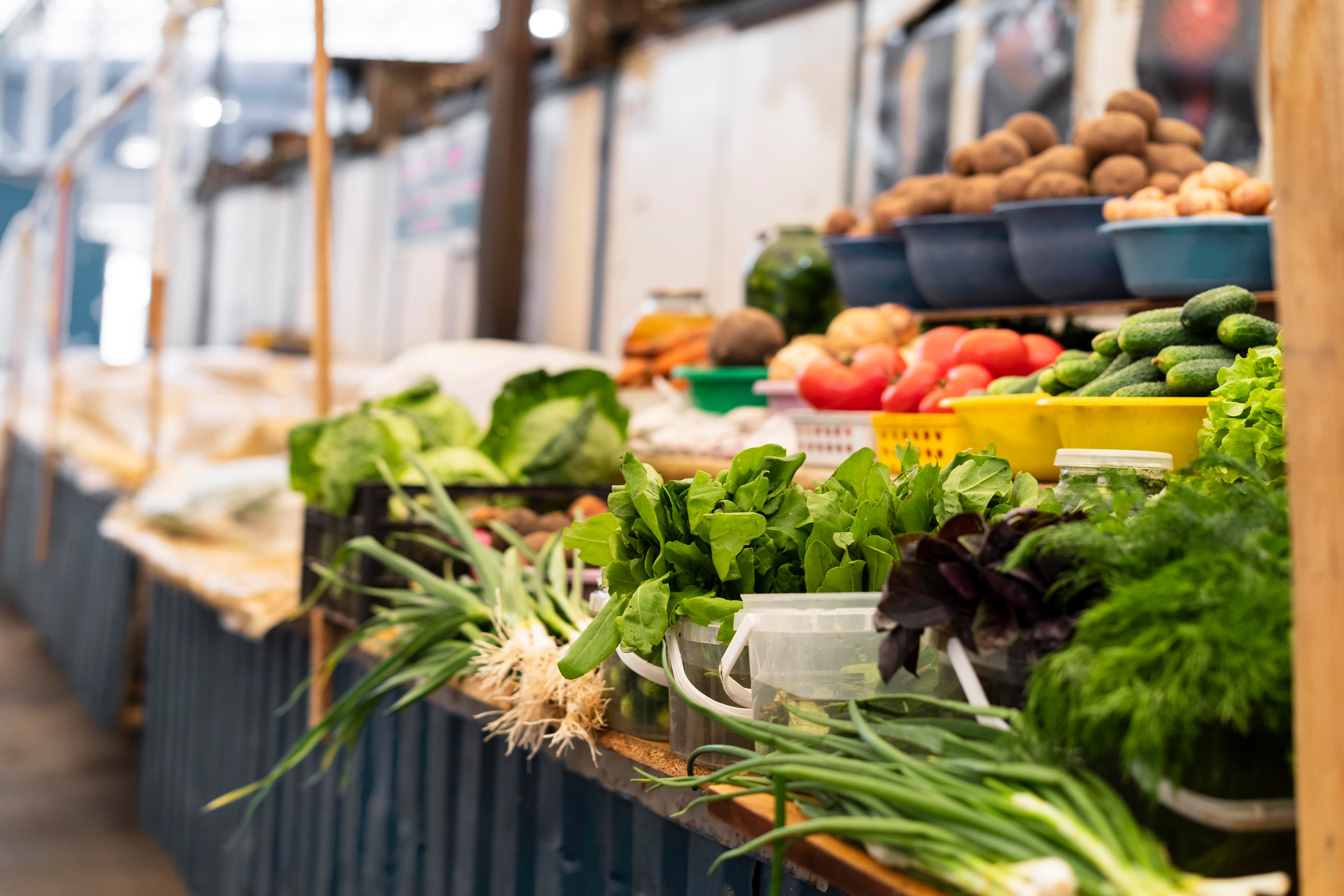
The first of these is related to convenience. Residents gain easy access to fruit, vegetables, greens, artisanal products and everyday consumer items without needing to travel further afield. In a scenario where time has become an increasingly valuable resource, this practicality is usually very well received.
Another important benefit is the strengthening of community living. While doing their shopping, residents interact with neighbours, meet new people and increase their participation in condominium life. This closer contact can contribute to a more collaborative and harmonious environment.
In addition, many markets help encourage small local producers, family entrepreneurs and regional businesses, strengthening the local economy and creating positive connections between the condominium and the surrounding community.
Why have food trucks become a trend in condominiums?
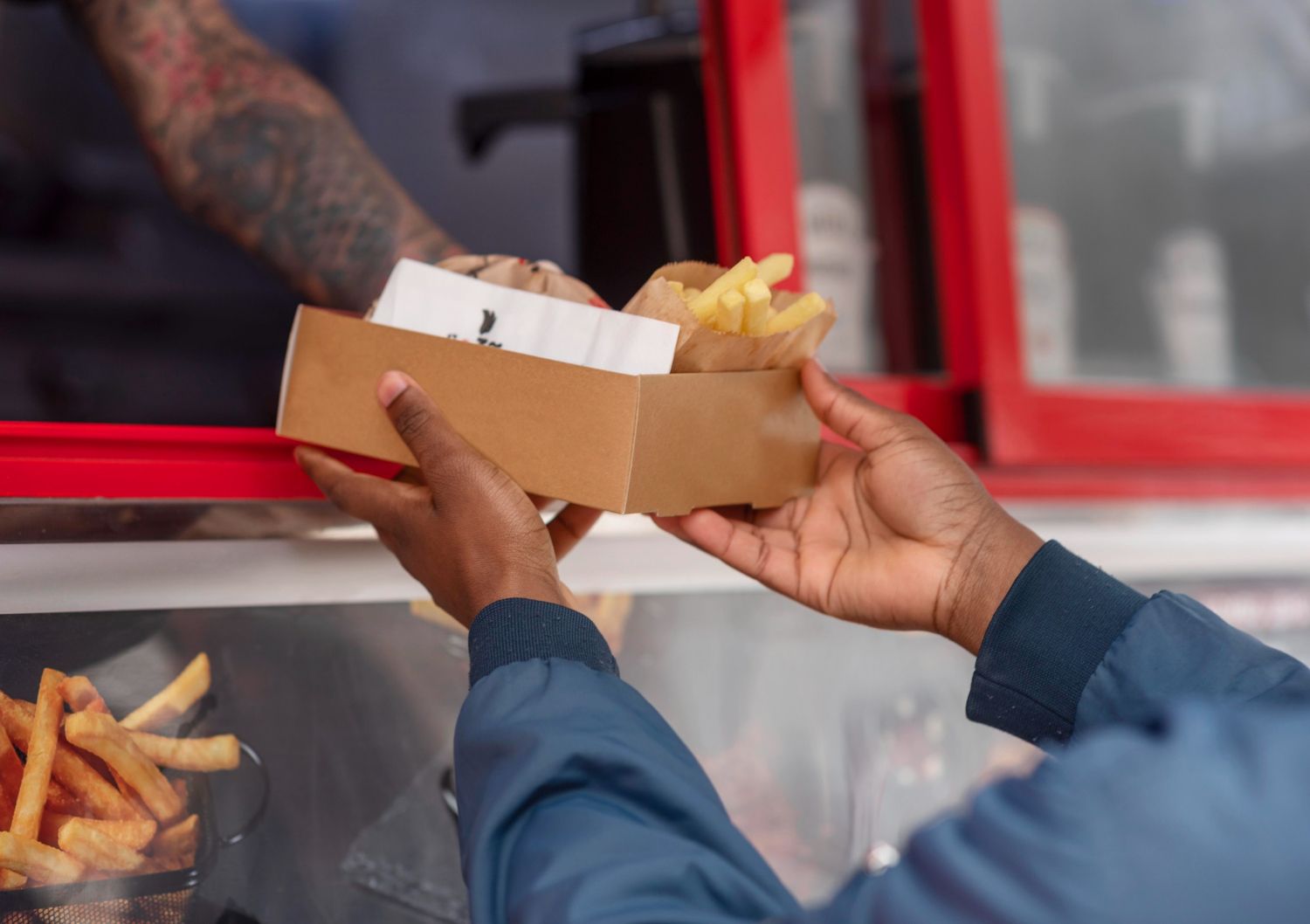
Food trucks offer a different but equally attractive dynamic.
By bringing varied food options into the condominium, they provide leisure moments without residents having to leave home. Artisan burgers, pizzas, regional cuisine, speciality coffees, gourmet sweets and many other options can form gastronomic events that cater to different audiences.
Beyond the gastronomic aspect, food trucks transform common areas into spaces for community interaction. Families, friends and neighbours find an opportunity to socialise in a lighter and more relaxed setting.
For condominiums seeking to increase resident engagement or strengthen seasonal events, food trucks often represent a simple alternative with high acceptance.
Can the condominium hold this type of event?
Generally speaking, yes.
There is no national prohibition preventing condominiums from holding street markets or receiving food trucks. However, these events must comply with the condominium convention, the internal regulations and any decisions approved at general meetings.
Ideally, building managers and management companies should check in advance which rules apply to the use of common areas. In some condominiums, certain spaces have specific restrictions regarding temporary commercial activities or collective events.
When there are relevant doubts about the interpretation of internal rules, support from the management company or specialised legal advice can help reduce risks.
Also check municipal requirements
Another important point is local legislation.
Depending on the city, market traders and food truck operators may be subject to sanitary requirements, specific licences or rules related to food sales.
For this reason, a good practice is to request basic documentation from participants and check whether suppliers have the authorisations required by the competent authorities.
This measure helps increase the legal security of the event and protect both residents and the condominium.
How to choose the ideal location for the market or food truck?
The choice of space directly influences the success of the event.
Very small areas may create congestion, while spaces that are too far away may reduce resident participation. The location should balance accessibility, comfort and safety.
Ideally, locations should allow people to circulate properly without compromising emergency routes, main entrances, essential parking spaces or the condominium’s operational areas.
It is also important to consider specific accessibility needs to ensure that residents with reduced mobility can take part in the event independently and comfortably.
Safety: one of the most important aspects of planning

Safety should be present at every stage of organising the event.
Although markets and food trucks are low-risk activities when well managed, the temporary increase in people flow requires some additional care.
Access control
When the event is aimed exclusively at residents, it is important to maintain the access control already adopted by the condominium.
For events involving external visitors, suppliers or service providers, management should define clear procedures for registering and identifying participants.
This organisation reduces risks and facilitates the work of the concierge team.
Pay attention to vehicle circulation
Food trucks require space for parking and operation.
Before approving the event, it is necessary to check that vehicles will not block access points, emergency exits or areas intended for residents’ circulation.
Advance planning avoids conflicts and reduces the possibility of accidents.
Care with electrical installations
Many food trucks depend on a power supply.
If the use of the condominium’s electrical infrastructure is required, prior assessment of technical conditions is recommended to avoid overloads or operational risks.
Whenever possible, the equipment used should comply with applicable safety standards.
How to organise the cleaning of common areas?
A successful event does not end when residents leave. It ends when the space is returned to suitable conditions for use.
That is why cleaning should be planned from the outset.
Define responsibilities clearly
Before the event, there should be alignment on who will be responsible for waste collection, dismantling structures and final cleaning.
Ideally, these responsibilities should be clearly agreed with the participating suppliers.
This definition prevents later disagreements and ensures greater operational organisation.
Provide an adequate number of bins
One of the most common mistakes at condominium events is underestimating the waste disposal structure required.
The more accessible the bins are, the less likely inappropriate disposal in common areas tends to be.
If possible, management can encourage the separation of recyclable materials and organic waste during the event.
Noise and community living: how to avoid complaints?

Every event held within a condominium should balance enjoyment with respect for the community.
The success of an initiative often depends less on the attraction offered and more on how well it respects residents who do not wish to take part.
Set an end time
Defining the start and end times in advance is one of the most important measures.
Events that are too long or held at unsuitable times tend to generate conflicts related to quiet enjoyment and community living.
The schedule should respect the rules set out in the internal regulations and take into account the profile of the development’s residents.
Communicate in advance
Transparent communication significantly reduces the chances of complaints.
Residents should be informed about:
Event date;
Location;
Operating hours;
Planned structure;
Any operational impacts.
The more predictability there is, the better the initiative tends to be received.
How to choose the best market traders?
The choice of participants directly influences the quality of the experience offered.
The lowest-cost supplier will not always be the most suitable.
Assess quality and reputation
Whenever possible, look for previous references.
Market traders who have already worked in other condominiums or events can usually present a track record of service, organisation and quality of the products sold.
This analysis reduces risks and increases resident satisfaction.
Seek variety
An attractive market usually offers a diversity of products.
Fruit, vegetables, organic items, cheeses, artisan breads, sweets, flowers and small producers can create a more interesting experience for residents.
The more balanced the range of offers, the greater the engagement tends to be.
How to select suitable food trucks?

The same quality criteria also apply to food trucks.
In addition, some specific points deserve attention.
Check sanitary conditions
As the service involves food handling, it is important to assess hygiene conditions and sanitary compliance.
This care helps protect residents and reduce risks for the condominium.
Consider the profile of residents
The menu should be compatible with the audience.
Condominiums with many families may have different demand from those predominantly occupied by young professionals or older residents.
Surveying residents’ interests in advance helps build more successful events.
How to measure whether the event was worthwhile?
Post-event evaluation is a stage that is often overlooked.
After it has taken place, it is worth collecting residents’ perceptions to understand positive points and opportunities for improvement.
Some useful indicators include:
Resident participation;
Number of complaints;
Overall satisfaction;
Supplier performance;
Operational impacts generated.
This information helps improve future editions.
How NewSun’s clean energy subscription helps reduce costs and simplify condominium management

At the same time as building managers seek to create positive experiences for residents, they also need to deal daily with the responsibility of maintaining the condominium’s financial balance.
In this scenario, NewSun’s clean energy subscription emerges as an alternative to help reduce costs related to energy consumption in common areas without increasing the operational complexity of management.
The model was developed to simplify access to clean energy. There is no need to purchase equipment, carry out building works or install dedicated systems in the condominium. Supply from the distributor continues to operate normally, while the condominium becomes part of an energy solution aligned with the current rules for distributed generation.
In addition to reducing the bureaucracy associated with own-generation energy projects, the proposal contributes to more predictable energy expenditure management, allowing building managers and management companies to focus their attention on strategic activities, improvements to residents’ experience and asset enhancement.
Markets and food trucks can strengthen community life
When well planned, events such as street markets and food trucks go far beyond offering products and food.
They create opportunities for community living, strengthen relationships between residents and transform common areas into spaces for interaction. For building managers and management companies, these initiatives represent a practical way to generate perceived value without the need for complex structural investments.
However, success depends on organisation. Safety, cleaning, communication, appropriate timings and careful supplier selection are fundamental factors in ensuring positive experiences.
The modern condominium is not just a collection of housing units. It is a community. And initiatives that bring people closer together, when conducted responsibly, help make that community more connected, participatory and welcoming.
You may also like
- Dicas para Síndicos e PMES
 09/10/2026
 5m
5m - Dicas para Síndicos e PMES08/10/20265m
- Dicas para Síndicos e PMES06/10/20265m



Stop paying more for your energy bill
Find out in less than 1 minute how much you could save with clean energy every month — no works and no bureaucracy.
Join the energy revolution
Subscribe to our newsletter and receive exclusive content