
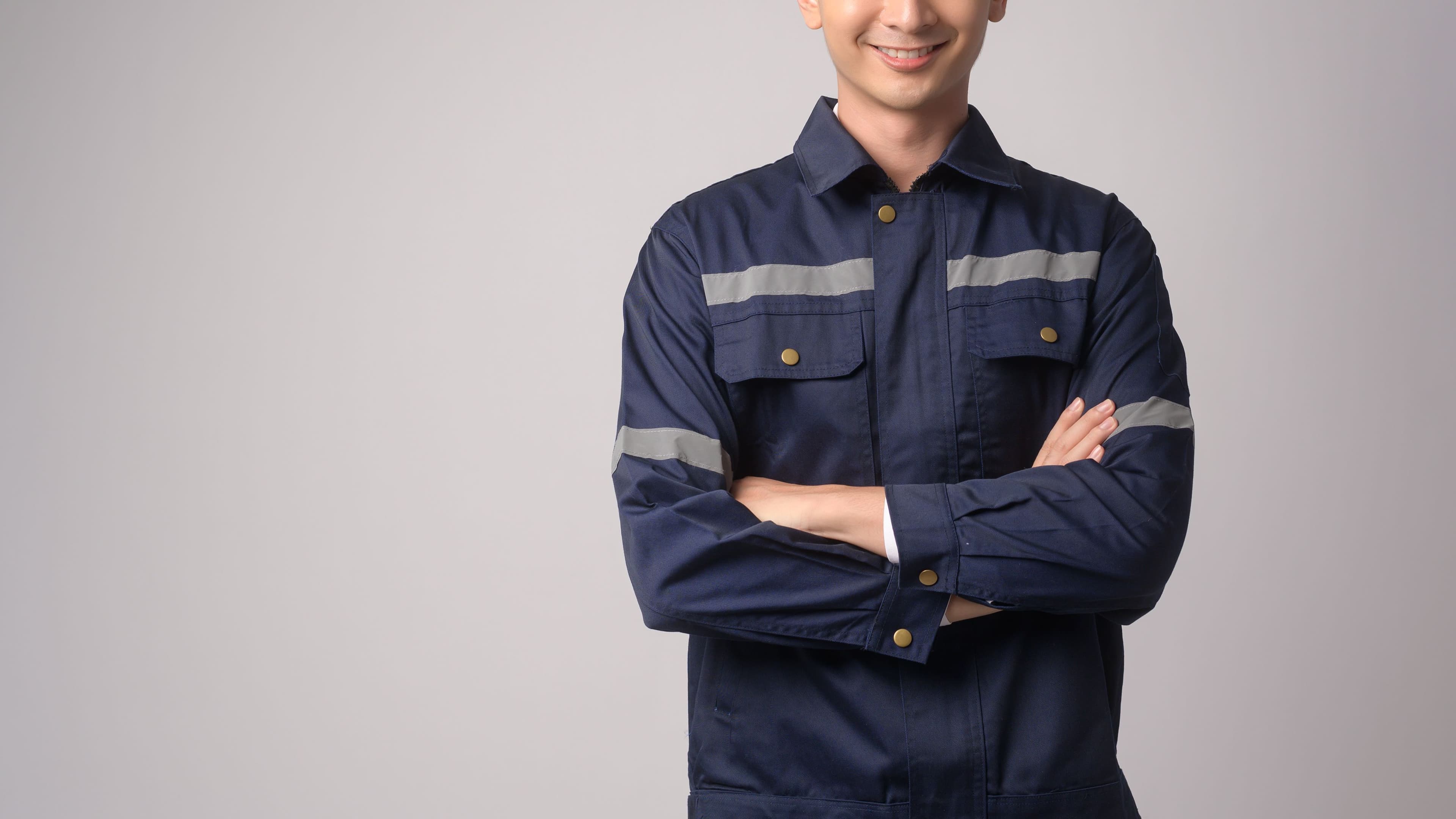
Standardising the team: why invest in condominium uniforms?
Standardising the team: why invest in condominium uniforms?
Dicas para Síndicos e PMES
 26/02/2026
 5 min
5 minIn condominiums, adopting uniforms for staff is not just a matter of aesthetics: it is an organisational, security and professionalism tool that improves how residents and visitors perceive the building, strengthens institutional identity and makes it easier to identify each employee's role. Visual standardisation of staff conveys order and seriousness, and is linked to residents being able to easily tell who is part of the team, reducing confusion and increasing confidence in the service provided.
Uniforms not only reinforce the condominium's organised image, but also contribute to visual security in the environment. Residents and visitors can quickly recognise staff, which makes it easier to request help, communicate and control access, especially during periods of higher footfall or emergencies.
Why uniforms matter in condominiums
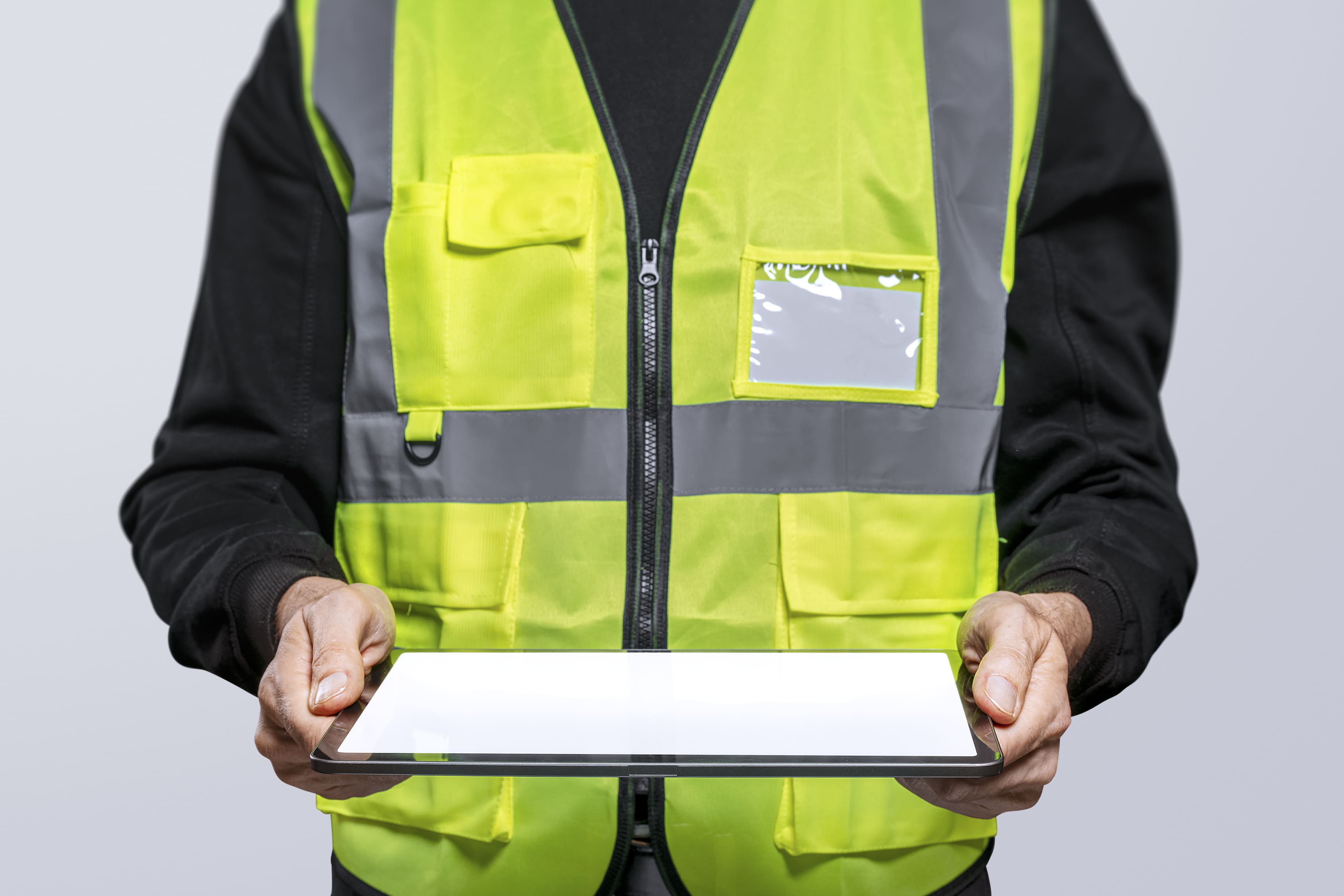
Uniforms wear more than fabric: they wear credibility. In well-managed condominiums, the uniformed team acts as a calling card — and it is no coincidence that managers who adopt uniform programmes report gains ranging from quick identification of staff to a greater sense of order and respect for the managed environment. Working with uniforms in the condominium also reduces any doubts about who is or isn't an employee, reinforcing everyday security.
In addition, market approaches highlight that uniform programmes have a positive impact on the sense of belonging and team unity: when staff wear the same clothing, it fosters team spirit and boosts morale, which can translate into greater productivity and better service delivered.
Comfort and functionality also matter: uniforms should be designed for the specific work each role requires, ensuring staff don't have to improvise with unsuitable clothing that could compromise mobility, performance or safety when carrying out operational tasks.
Criteria for choosing quality uniforms for the condominium

When choosing uniforms, the building manager and administration should assess several factors beyond aesthetics:
Comfort and ergonomics: lightweight, breathable fabrics that allow freedom of movement are essential, especially for physical roles or those requiring constant movement;
Identification and professionalism: uniforms should feature the condominium's logo or clear visual identification for residents and visitors;
Functionality according to role: different roles (concierge, cleaning, maintenance) require distinct items that meet the practical needs of the job;
Durability and value for money: quality uniforms, even if slightly more expensive, tend to last longer and reduce spending on frequent replacements;
Compliance with standards and safety: in cases requiring specific protection (such as footwear or equipment), the uniform can incorporate safety elements.
Uniforms also help with internal management, as they function as part of a professional work system that reduces visual clutter and reinforces organisational culture.
Uniform suggestions by role
Concierges
Professionals who have direct contact with residents and visitors need a clear, professional appearance. Here are the main recommended items:
Dress shirt or polo shirt with the condominium's logo;
Dress trousers or discreet twill trousers matching the institutional look;
Discreet belt and comfortable or non-slip shoes;
Visible identification badge;
Standardised jacket for outdoor environments or cold weather.
This set combines functionality (immediate identification) with visual professionalism, conveying credibility and organisation to the public.
Caretakers
Caretakers carry out a variety of tasks, from small repairs to support in indoor and outdoor areas, so their uniform needs to prioritise comfort and durability:
Reinforced polo shirt with identification;
Durable, comfortable twill trousers;
Closed, non-slip footwear;
Functional jacket or vest with pockets;
Functional badge.
This type of uniform is ideal for those who move around technical areas and require mobility, without sacrificing effective visual standardisation.
Cleaners
This activity demands comfort, hygiene and resistance to physical wear. Well-designed uniforms for this role include:
Durable T-shirt or work coat with identification;
Comfortable, hard-wearing trousers;
Apron or waterproof cover (when necessary);
Closed, non-slip footwear;
Functional badge.
As well as standardising appearance, this set allows staff to work with comfort and safety, which is essential for performing cleaning tasks well.
Security guards
In large condominiums or those with a high flow of visitors, the security team requires uniforms that convey authority, immediate identification and visual security:
Tactical shirt or reinforced polo shirt with identification;
Operational trousers with functional pockets;
Tactical belt compatible with equipment;
Non-slip safety footwear;
Standardised jacket for outdoor or night-time operations;
Identification badge.
Uniforms of this type increase visibility and help with quick recognition of staff during emergencies or periods of greater movement — something that also contributes to residents' overall sense of security.
How to formalise the uniform policy in the condominium

To avoid conflicts or differing interpretations, condominium management should incorporate the uniform policy into the bylaws or internal regulations, setting out responsibilities for issuing, maintaining and using uniforms. Although in many cases wearing a uniform is not a legal requirement, when adopted by the administration it must be provided free of charge to employees and reflect a standard that supports the presentation, comfort and safety of the whole team.
Establishing appropriate quantities of sets, replacement schedules and clear maintenance rules helps create an environment where staff feel identified with and respected by the condominium they represent. In addition, visual standardisation serves as a reference point for residents and service providers, reinforcing the perception of management that cares about both the team and the users of the space.
The use of uniforms among condominium staff brings a range of benefits that go beyond aesthetics. Uniformed professionals are more easily identified, convey a greater sense of organisation and security, and help build a solid institutional image for the development. Suitable uniforms also promote comfort, functionality and team integration, reinforcing values such as professionalism, respect and care for the environment.
You may also like
- Casos de Sucesso
 20/10/2026
 5m
5m - Dicas para Síndicos e PMES16/10/20265m
- Dicas para Síndicos e PMES13/10/20265m



Stop paying more for your energy bill
Find out in less than 1 minute how much you could save with clean energy every month — no works and no bureaucracy.
Join the energy revolution
Subscribe to our newsletter and receive exclusive content