
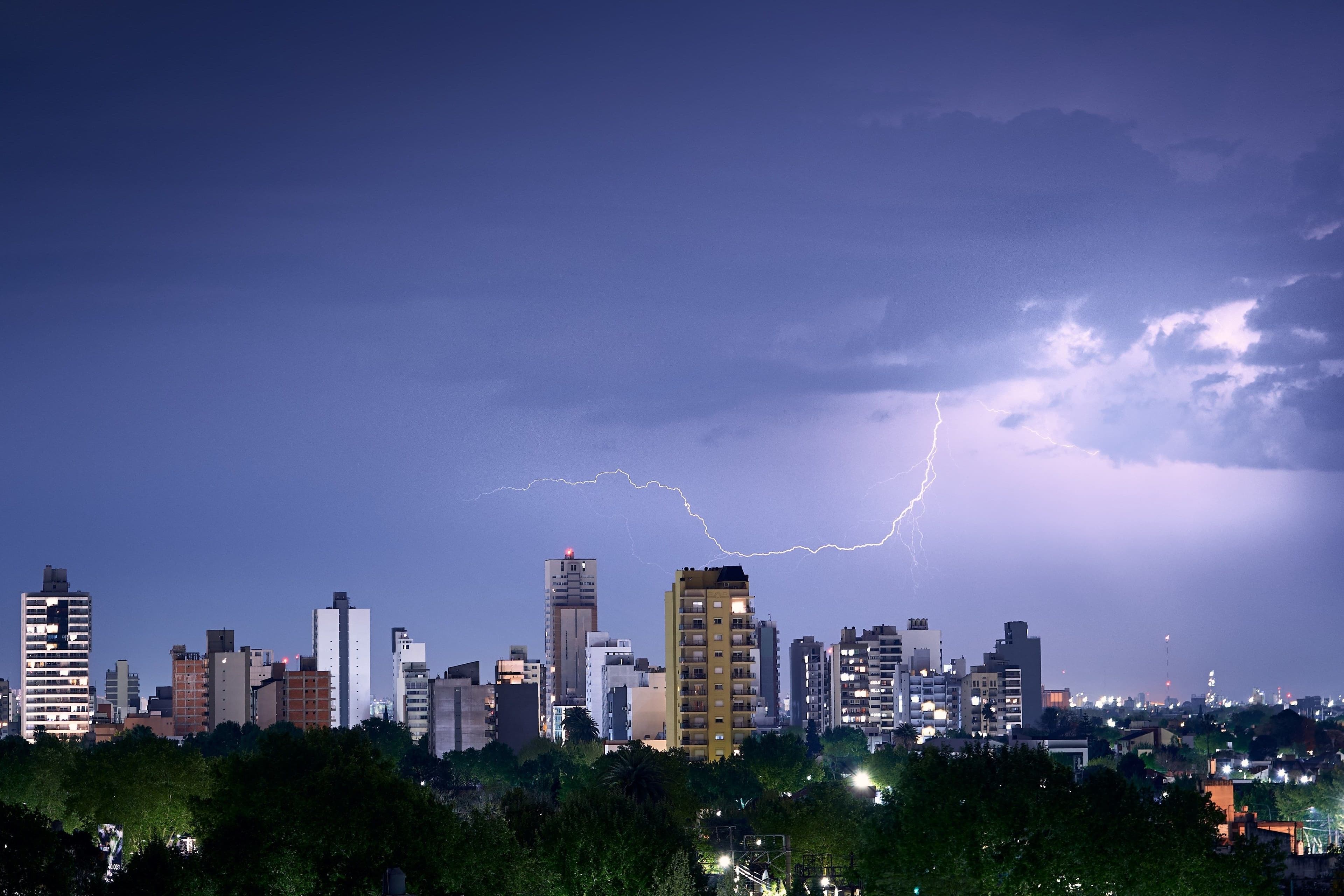
SPDA (Lightning Protection): Everything a Property Manager Needs to Know About the Report
SPDA (Lightning Protection): Everything a Property Manager Needs to Know About the Report
Dicas para Síndicos e PMES
 26/01/2026
 5 min
5 minprotection against atmospheric discharges, commonly known as SPDA (lightning protection system), is an essential feature in any building that could be struck by lightning — such as condominiums with tall blocks or areas open to the public. To ensure its effectiveness and technical compliance, the system must be periodically inspected and certified by means of a specific technical report.
The SPDA report is far more than a bureaucratic document: it certifies that the protection system complies with Brazilian Standard ABNT NBR 5419/2015, which sets performance and safety criteria for capturing, conducting and dissipating atmospheric discharges. In addition, the report must be issued by a legally qualified professional, generally an electrical engineer with an active registration with CREA, accompanied by an ART (Technical Responsibility Record).
When and how to issue the SPDA report
The first step in issuing the report is to hire a specialised company or qualified engineer, who will carry out a full inspection of the lightning protection system. This inspection includes:
Visual verification of the capture, down-conductor and earthing systems;
Measurements of electrical continuity and earthing resistance;
Analysis of compliance with the technical standard;
Photographic records and identification of non-conformities, where applicable;
Issuance of a final report with recommendations and a signed ART.
This document is required by Fire Departments, insurers, local authorities and in audit processes or the release of other official documents, as it certifies that the building has an adequate and functional system.
Validity and frequency of the SPDA report
The validity of the SPDA report is not the same for every building. According to the technical standard and expert recommendations, the document can be valid for 1 to 3 years, depending on the building's risk level and the environment in which it is located:
1 year — buildings in areas with a highly corrosive atmosphere (for example, coastal regions) or structures with essential services.
3 years — most condominiums and common commercial and industrial buildings.
It is important to note that, even when the technical validity is up to 3 years, a half-yearly visual inspection is recommended of the SPDA system to check for signs of corrosion, oxidation, loose connections or weather-related damage — factors that can compromise the system's efficiency before the original report expires.
In addition, whenever there are significant structural changes, roof refurbishments or impacts from atmospheric discharges, a new report must be requested before the previous document's validity period ends, ensuring that the SPDA continues to meet technical and legal requirements.
The importance of keeping the report up to date
Keeping the SPDA report up to date is an essential condominium governance practice. This keeps lives, equipment and property protected in the event of atmospheric discharges, while also preventing property insurance policies from being invalidated due to a lack of proof of regular maintenance. Up-to-date documentation also reduces the risk of fines and obstacles to issuing or renewing certificates such as the AVCB, and demonstrates due diligence on the part of the building management in caring for the safety of residents.
Scheduling inspections and keeping track of the report's issue and expiry dates is a vital part of preventive condominium management. Adopting an inspection calendar aligned with NBR 5419 and each building's local conditions reinforces residents' safety and peace of mind throughout the year, while also providing greater predictability in maintenance planning and condominium budgeting.
You may also like
- Casos de Sucesso
 20/10/2026
 5m
5m - Dicas para Síndicos e PMES16/10/20265m
- Dicas para Síndicos e PMES13/10/20265m




Stop paying more for your energy bill
Find out in less than 1 minute how much you could save with clean energy every month — no works and no bureaucracy.
Join the energy revolution
Subscribe to our newsletter and receive exclusive content