
Retrofitting Listed Condominiums: History and Modernity
Retrofitting Listed Condominiums: History and Modernity
Dicas para Síndicos e PMES
 01/07/2026
 5 min
5 minManaging older buildings located in major urban centres demands acute sensitivity and long-term technical planning from property managers. As the decades go by, the natural wear of materials and the ageing of internal structures begin to compromise the day-to-day functioning of common areas, calling for in-depth intervention to guarantee residents' safety and comfort. It is in this scenario of urban transition that the concept of retrofit gains extraordinary momentum in the property market. For a condominium of traditional architecture, this intervention emerges as the only viable way to rejuvenate the building, bringing the necessary safety without erasing the building's historic identity.
Undertaking a deep renovation project means understanding that contemporary housing needs have changed dramatically. A condominium built in the middle of the last century was not designed to bear the electrical load of hundreds of modern appliances or to offer efficient architectural accessibility routines. Faced with this technical shortfall, simply carrying out stopgap repairs or superficial cosmetic refurbishments does not solve chronic structural problems. The definitive way to restore the efficiency of the risers is to plan a full retrofit, allowing technological modernisation to bring the building up to the standards required in 2026.
When the building in question has recognised historic value or is protected by heritage listing laws, the challenge becomes even more complex for the management. The building manager needs to act with the rigour of a cultural heritage manager, understanding that the modernisation of electrical and plumbing installations meets strict limits in the obligation to preserve the original features of the façade and internal halls. Carrying out a retrofit in such a delicate scenario requires the support of specialist engineering firms, ensuring that necessary and useful improvements add market value to the property and provide a completely safe infrastructure for the daily life of all families in the condominium.
What retrofit is and its true impact on buildings

For the community of owners to support the management's strategic decisions, the building manager needs to translate the concept of retrofit in a simple, clear way that is fully accessible to laypeople. The term, of English origin, literally means putting into shape or updating the old. In the jargon of civil engineering and architecture, retrofit is not to be confused with an ordinary refurbishment or a simple cosmetic touch-up; it consists of a deep process of modernisation and technical upgrading of obsolete vital systems, replacing them with high-performance technologies that extend the service life of the entire condominium.
In the routine of a conventional building undergoing a traditional refurbishment, the work usually focuses on replacing tiles, painting gates or swapping out light fittings in the social hall. Although these actions improve the building's visual appearance, they leave untouched the old electrical wiring running inside the walls and the corroded cast-iron pipework that feeds the flats. Retrofit, on the other hand, acts directly on the heart of the hidden infrastructure, driving a radical modernisation of the sewage networks, fire prevention systems, generators and lifts, restructuring the condominium's entire operational base.
The true impact of this engineering work on an older condominium shows up in the drastic reduction in emergency corrective maintenance costs and the marked improvement in the energy efficiency of shared areas. Bringing in new materials and building automation through retrofit shields the property against the risk of chronic electrical faults and destructive water leaks that tend to drain the reserve fund of the management. Deep modernisation restores budgetary predictability and places the building in the era of practical sustainability, proving that retrofit is the smartest investment for rejuvenating and protecting the condominium's future.
The strategic advantages of carrying out a full retrofit
The decision to approve and carry out a retrofit plan in an older residential or commercial complex brings a range of tangible and intangible benefits that positively impact the financial health and quality of life of the entire community. The building manager, when proposing this journey of technological modernisation, should arm themselves with informative, journalistic data proving that restructuring building systems eliminates the invisible waste of ordinary resources and wards off the spectre of serious civil accidents, consolidating stability and harmony across various condominiums.
The first and most obvious economic advantage of the project is the significant increase in property value that all individual units receive immediately after the engineering works are completed. A flat located in an older building revitalised by retrofit gains market liquidity and starts competing on equal footing with modern, high-end new developments. This happens because today's buyers value the charm and spaciousness of classic architectural designs, but demand the safety, connectivity and efficiency brought by the structural modernisation carried out by the condominium's management.
Beyond the direct gain in property value, upgrading collective safety systems reduces fixed operating costs and minimises the risk of serious incidents that could lead to civil liability claims against the management. To illustrate the practical benefits this deep renovation brings to families' daily living, we can list the following strategic advantages of retrofit focused on modernising shared spaces in condominiums:
A significant increase in the market value of every flat in the condominium after the retrofit process;
A drastic reduction in emergency corrective maintenance costs thanks to the modernisation of the risers;
Full compliance of the condominium with modern fire-safety standards through retrofit;
A significant improvement in thermal, acoustic and hydraulic efficiency after the modernisation of the structures;
A reduction in the cost of the condominium's compulsory building insurance thanks to the safety brought by retrofit.
Specific challenges and essential points in listed buildings
Carrying out a retrofit project takes on a high level of technical and legal complexity when the building in question is classified as historic or cultural heritage and is subject to the protection laws set out by official oversight bodies such as IPHAN, Condephaat or the municipal Conpresp. In these specific scenarios, the modernisation of the installations cannot be carried out freely by the building management; it requires strict compliance with restoration protocols that block any drastic change to the original features that led to the condominium being listed.
The first major bureaucratic challenge faced by the building manager in carrying out a heritage retrofit is obtaining the special licences and permits for the works from the urban heritage protection councils. Attempting to start any demolition work on the walls or painting of protected façades without prior approval of the detailed architectural plans constitutes a very serious legal infringement, exposing the management to heavy fines and the immediate suspension of the modernisation works. Legal compliance with heritage listing regulations is the indispensable starting point for the success of any intervention in historic condominiums.
From a practical civil engineering standpoint, working on a listed building requires the use of non-invasive techniques and high-tech materials able to conceal new electrical cabling, fibre-optic networks and modern plumbing behind the old structures. The engineers responsible for the retrofit need to find creative solutions, such as using false shafts, removable plaster coving or underground ducts to run new electrical wiring without cutting into the original masonry or drilling through rare tile and marble finishes. This delicate, concealed modernisation ensures families' comfort and preserves the condominium's historic value.
Modernising without losing character: the aesthetic and architectural balance
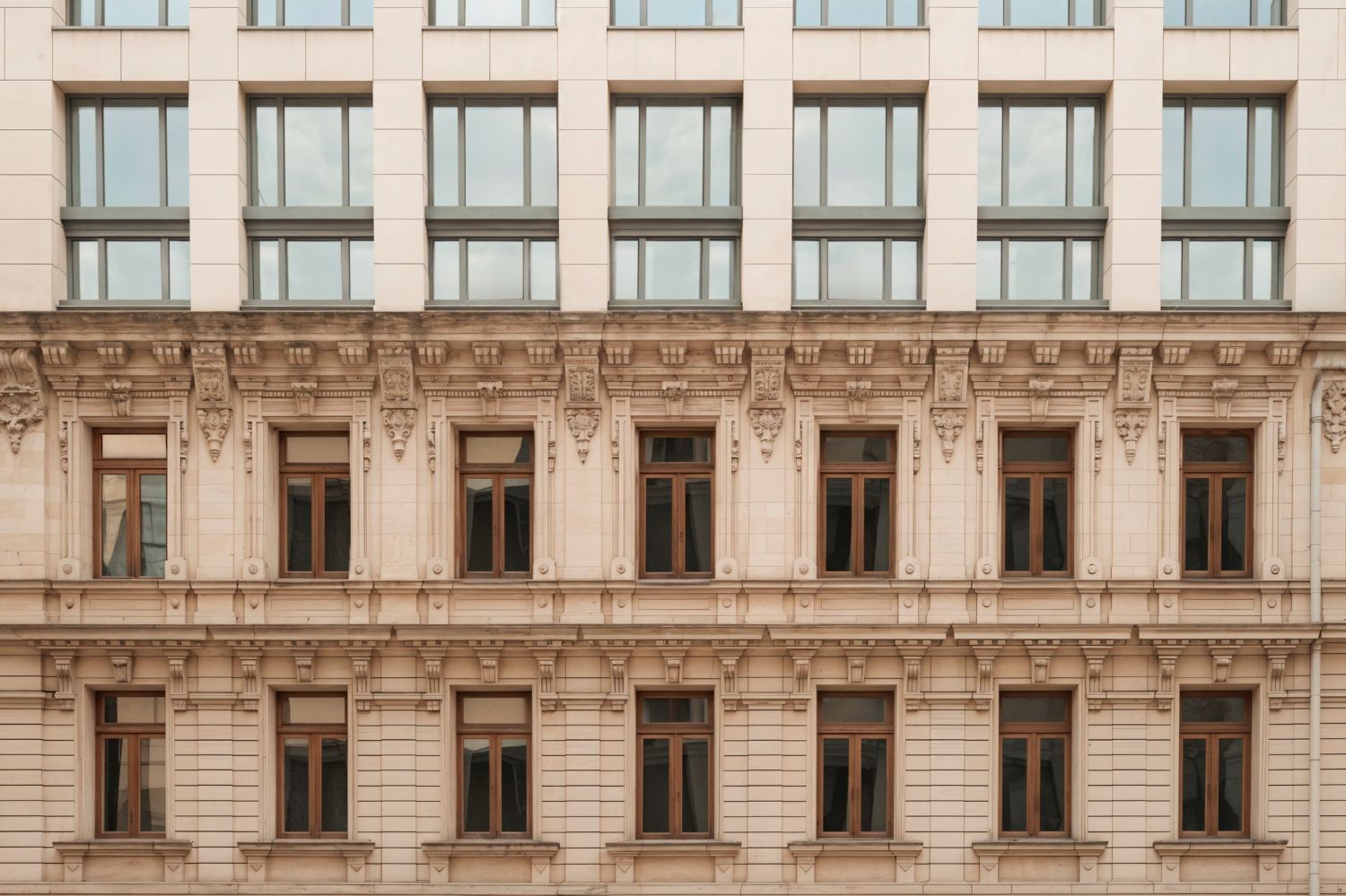
The secret to a successful retrofit carried out in historic buildings lies in the architecture team's ability to find the perfect balance between respecting the past and introducing the technological innovations demanded by the present. The management's motto should always be to modernise without losing character, ensuring that the building gains energy efficiency, fire safety and connectivity without this meaning the loss of the ornaments, volumes and fine materials that give the condominium its unique charm.
The external façade and the main entrance social halls are the elements that require the most artistic and technical restoration care during the civil works. In the modernisation process, the old paints must be analysed in a laboratory to produce pigments identical to those from the time the building was constructed, and decorative plaster or mortar mouldings damaged by time must be replicated by skilled craftspeople as part of the retrofit. Building managers should understand that preserving the classic aesthetic adds value to the property and attracts discerning residents to the condominium.
While the building's outer shell remains untouched in its original historic beauty, the interior of the walls and technical rooms receive the necessary jolt of contemporary technology through retrofit. This harmonious coexistence of history and modernity proves that it is perfectly feasible to install fast, high-performance digital lifts inside old forged-iron shaft casings, integrating home automation with cultural preservation. To guide the technical team in preserving protected features, the modernisation oversight committee must catalogue and protect the following historic architectural elements of the condominium:
Full preservation of the condominium's original external façades and decorative mouldings during the retrofit;
Conservation of fine wooden floors, artistic tiles and finishes of historic value during modernisation;
Technical maintenance and restoration of the condominium's original wooden or iron window and door frames via retrofit;
Protection and revitalisation of frescoes, murals, stained glass or period lighting fixtures during the wider modernisation;
Absolute respect for the volume, symmetry and original architectural design of the condominium when carrying out the retrofit.
What to prioritise in a large-scale structural refurbishment
Drawing up a building retrofit plan for an older property requires the building manager and the board to set strict engineering priorities, since attempting to refurbish every part of the residential towers all at once can drain ordinary financial resources and create unsustainable logistical chaos in families' daily routines. Building management must prioritise interventions based on people's physical safety and the elimination of imminent risks of chronic electrical or plumbing incidents across all condominiums.
The first and most urgent priority in any deep structural modernisation project should be the complete upgrade of the entire main electrical distribution board and the cable risers that feed the flats. Old wiring insulated with fabric or plastic dried out by time runs a real risk of thermal overheating due to the intensive use of modern appliances, leading to short circuits and dangerous fires. Electrical retrofit removes this deadly threat, ensures compliance with technical engineering standards and provides energy stability for the condominium.
The second priority should focus on fully replacing old galvanised iron or copper pipework with modern PPR or PEX pipes in the building's sewage and clean water network. This plumbing modernisation stops hidden leaks in the masonry that cause severe structural seepage and crumbling render in the garages, cutting the invisible waste of treated water. To organise the works in logical, progressive phases without disrupting common services, condominium management should adopt the following technical order of priorities in its retrofit plan:
Full upgrade of the main electrical panel and the condominium's power risers through safety-focused retrofit;
Replacement of old iron pipework with high-strength plastic materials as part of the plumbing modernisation;
Technical, aesthetic and technological renovation of the condominium's old lifts as part of the vertical retrofit plan;
Implementation of integrated architectural accessibility systems on ramps and halls as part of the wider modernisation;
Installation of modern fire prevention and firefighting systems with alarms in the condominium through retrofit.
Cost engineering: how to plan and budget for a building retrofit
Financial modelling and budget planning for a structural retrofit project require the building's management to apply far greater accounting rigour than in ordinary residential refurbishments. Building managers must understand that working with the hidden structures of a building constructed decades ago brings a high level of engineering uncertainty, since it is virtually impossible to predict with complete accuracy what workers will find behind the old masonry walls before the demolition work of modernisation begins in the condominium.
To mitigate the risk of budget overruns that could halt the works for lack of funds, the project's cost engineering should include a significant financial contingency margin in the special assessment spreadsheets, typically ranging between fifteen and twenty-five per cent of the total budgeted value for the retrofit. This specific financial reserve serves to absorb unforeseen costs for reinforced concrete structural work or corrections to misaligned risers found during the course of the intervention, providing accounting stability and security for the investments approved across various condominiums.
Commercial quotes should be sought from at least three large-scale building firms with a solid portfolio of completed works and technical capability certificates issued by CREA for restoration services. Building managers should present the detailed budgets at board meetings in a transparent, informative manner, demonstrating that the retrofit plan was designed to cut hidden waste and boost the market value per square metre of private units, proving that planned modernisation protects ordinary finances and secures a stable economic future for the whole condominium.
NewSun Energy: clean energy subscription and budget predictability
While the building's management committee focuses all its operational and engineering efforts on overseeing the historic façades, organising restoration work parties with skilled craftspeople, and designing informative strategies to implement the retrofit plan and carry out the modernisation of the electrical and plumbing risers without sparking friction or altering the historic architecture, the building's leadership also needs to demonstrate corporate competence in the long-term financial management of the ordinary accounts for shared common areas. Carrying out major structural works consumes a significant amount of extraordinary budgetary resources, requiring building managers to urgently seek smart alternatives that cut the fixed expenses of shared facilities and bring absolute accounting stability to the building's monthly balance sheet. Faced with this pressing need for energy efficiency, practical sustainability and tariff cost optimisation, NewSun Energy Group offers an innovative clean energy subscription model designed specifically for the residential property market and condominiums of every era.
The clean energy subscription developed by NewSun emerges as the perfect strategic solution for managers looking to implement a highly advantageous change of electricity source that is entirely free of heavy bureaucracy, abusive contractual quotes or new civil works that would cause disruption, noise and controversy among the residential blocks of the building — which would be even more critical and risky in structures protected by heritage listing laws. By adopting this sustainable supply system, powered by a 100% renewable energy mix, the building starts consuming clean electricity, obtaining direct, guaranteed discounts on its regular energy bill in a completely hassle-free way, with no need to make complex upfront financial investments in buying photovoltaic panels or carry out invasive refurbishments to the building's old roofs or slabs. The great practical advantage of this smart solution is that it stabilises the common areas' electricity bill immediately and permanently, fully shielding the ordinary fund's finances against the feared impact of tariff surcharge fluctuations during prolonged dry spells, delivering progressive savings throughout the entire contract term, fully in line with the budget planning of efficient condominiums.
In addition to the real financial and ecological advantages guaranteed by the brand's renewable energy subscription, NewSun Energy Group stands out on the national scene by offering genuinely human service, close, agile, personalised and focused on cutting red tape out of the daily routine of building managers and board members. The condominium also gains exclusive access to the digital platform NewSun Energy Club, a modern analytical monitoring tool designed for detailed, transparent, real-time tracking of the building's entire electricity consumption and spending profile across its risers. Through the transparent technology of the NewSun Energy Club, managers control electrical indicators right from their smartphone, combining digital innovation with sustainability to boost the financial health of ordinary management funds, freeing up valuable resources for ongoing investment in heritage conservation, restoration of historic façades and the completion of every phase of the retrofit plan and high-performance structural modernisation across the whole residential complex within condominiums.
Find out everything about our Clean Energy Subscription.
How to present the project to residents and secure approval
Securing approval for a large-scale, high-cost civil engineering project, such as a full building retrofit, requires the building manager to have excellent strategic communication skills, active transparency and community empathy before the building's general assembly of residents. As it is an invasive intervention that disrupts the routine of the garages and requires extraordinary special assessments to be split over many months, the building manager must prepare thoroughly to defuse heated arguments and overcome the legitimate financial resistance of the families living in the condominium.
The first step towards securing approval at an extraordinary general meeting is to demonstrate the correct legal framing of the works in light of the Brazilian Civil Code. Building managers must base their presentation on proving that work to upgrade obsolete electrical risers and replace corroded pipes does not constitute luxurious cosmetic improvements, but rather urgent necessary improvements, since they aim to preserve the shared property and ward off real risks of fire or plumbing collapse in the building. Urgent necessary improvements can be approved by a simple majority vote of the unit owners present at the condominium meeting, making it easier to move forward with the heritage modernisation plan.
To win the trust of long-standing residents and secure the collective engagement of owners in the official vote, building managers should adopt a visual, pedagogical and highly instructive approach, using three-dimensional models, illustrated photographic survey reports and realistic financial projections that demonstrate the long-term return on investment through the increased market value of the flats. To structure this high-impact presentation and settle internal debates at heavily attended meetings, condominium management should adopt the following strategic tactics for persuasion and social engagement:
Using photographic survey reports and engineering records to demonstrate the technical urgency of the retrofit in the condominium;
Presenting a detailed cash-flow structure and the real financial impact of the modernisation on residents' pockets;
Providing clear, documented evidence of the increase in property market value the condominium will gain after the retrofit is completed;
Sharing multiple detailed budgets from competing engineering firms in advance and transparently for the modernisation works;
Opening a democratic space to patiently address all owners' legal and operational questions about the retrofit.
Heritage compliance and the bodies protecting historic heritage
Carrying out civil engineering works in buildings of historic value requires building managers and the contracted construction firm to observe absolute rigour in complying with heritage compliance rules set out by urban zoning legislation and cultural preservation councils. Building managers must understand that heritage protection laws are sovereign and binding, taking precedence over isolated decisions recorded in the minutes of general resident meetings. Attempting to modernise a listed building against official guidelines exposes the building to serious legal and financial sanctions across all condominiums.
The oversight process carried out by public heritage preservation bodies technically scrutinises every detail of the intervention plan submitted for expert review. Heritage council technicians assess whether proposals to install new air-conditioning ducts, internet wiring or building automation systems respect the volume and original architectural design of the classic building. Any technical non-compliance or use of unsuitable materials results in the immediate suspension of the modernisation works and the opening of administrative inquiries against the condominium, halting the retrofit and causing heavy losses to the management's funds.
To ensure absolute legal certainty for the operation and the smooth progress of the engineering schedule, building managers must require that the restoration architectural project be signed by a professional specialising in listed historic heritage and duly registered with the local CREA or CAU. Presenting the special approval permits issued by public bodies gives the management informative transparency, demonstrating that the condominium operates in full compliance with the country's laws. Heritage compliance shields the residential property from government fines and ensures that the journey of technological modernisation through retrofit becomes synonymous with pride, legality and cultural value for everyone involved in the condominium.
Uniting past and present on the way to the smart condominium
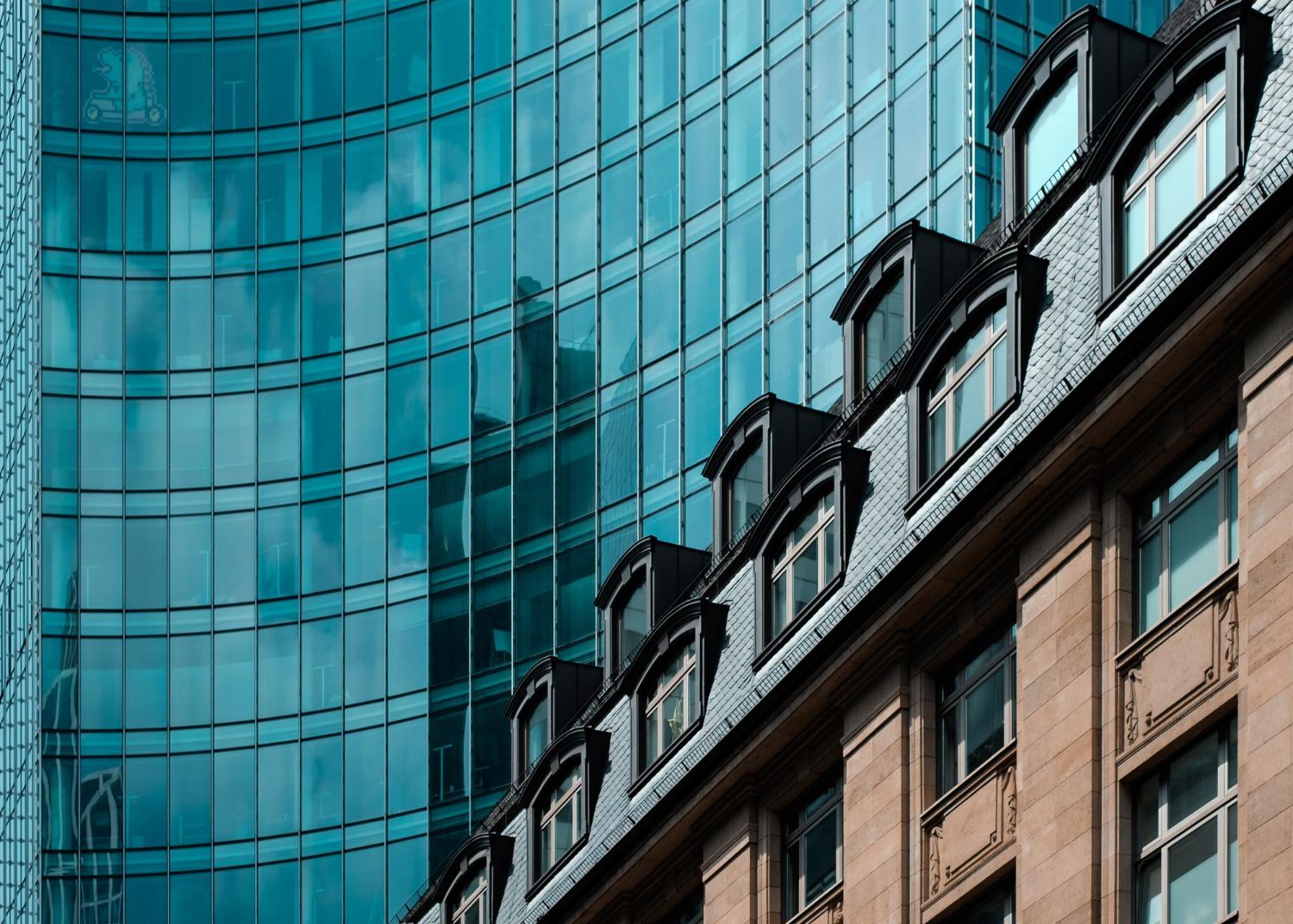
Successfully completing the journey of planning, approving and carrying out a retrofit project in older buildings or those protected by heritage listing laws represents a milestone of civil responsibility, administrative maturity and strong corporate governance led by today's building manager. The perfect balance between the ethical duty to preserve architectural memory and families' legitimate right to enjoy safe, connected building infrastructure free of hidden faults is the hallmark of modern, high-performing building management, capable of adding value to the shared heritage of all the owners who make up the condominium.
Having clear technical engineering plans, presented transparently at general resident meetings and carried out in strict compliance with Brazilian civil law guidelines, acts as the main pillar supporting the deep modernisation of electrical and plumbing risers taking place in an environment of full respect, civility and legal certainty for the community. When property investors see the market gains brought by technological innovation and long-standing residents enjoy the comfort of fast lifts and safe electrical wiring thanks to retrofit, neighbourhood conflicts disappear and the classic building gains a new, high-standard operational life within the condominium.
By combining impeccable organisation of civil engineering works with the smart pursuit of innovative sustainability solutions and tariff optimisation for the ordinary fixed expenses of common areas — such as the clean, renewable energy subscription model provided by NewSun Energy Group and closely monitored through the NewSun Energy Club analytical digital platform — the condominium manager builds an exemplary, financially balanced administration. Celebrating cultural heritage while embracing the technological future under the banner of administrative order and collective respect is the definitive formula for building a harmonious, safe, sustainable, thriving residential community that is pleasant to live in throughout every season of the year within modern condominiums.
You may also like
- Casos de Sucesso
 20/10/2026
 5m
5m - Dicas para Síndicos e PMES16/10/20265m
- Dicas para Síndicos e PMES13/10/20265m




Stop paying more for your energy bill
Find out in less than 1 minute how much you could save with clean energy every month — no works and no bureaucracy.
Join the energy revolution
Subscribe to our newsletter and receive exclusive content