

Renovation Works in Condominiums: A Cost-Benefit Guide for Building Managers
Renovation Works in Condominiums: A Cost-Benefit Guide for Building Managers
Dicas para Síndicos e PMES
 24/03/2026
 5 min
5 minManaging a condominium is, in many ways, similar to running a small city. At the centre of this machinery is the building manager, the figure responsible for safeguarding collective assets, ensuring safety and fostering harmony among individuals whose interests often diverge. Among the greatest challenges of this role, carrying out renovation works in a condominium stands out as a watershed moment. When well executed, such intervention can raise the property's value and quality of life; when poorly planned, it becomes an endless source of disputes, financial losses and emotional strain.
For today's building manager, the decision to start renovation works in a condominium should not be based on aesthetics or a desire for novelty alone, but on a rigorous cost-benefit analysis. In this context, cost is not limited to the monetary figure shown in contractors' quotes. It also encompasses the length of time common areas are closed off, the noise level families must endure, the build-up of dust and the impact on internal security. The benefit, on the other hand, shows up in property appreciation, reduced corrective maintenance costs and the satisfaction of living in an updated, safe environment. This guide details how building managers can navigate these complexities, ensuring every intervention is a strategic decision rather than merely an added expense.
Legal classification: the building manager's starting point

Before any technical or financial analysis, the building manager must ground the proposal in current legislation. The Brazilian Civil Code, in Articles 96 and 1,341 to 1,343, sets out the basis for any renovation works in a condominium, dividing them into three fundamental categories: necessary, useful and voluptuary (purely decorative). Understanding this distinction is the first step in assessing cost-benefit, as the nature of the works determines both the approval quorum required at the assembly and the autonomy the building manager has to act.
Necessary works are those aimed at preserving the property or preventing its deterioration. These interventions are directly tied to the building's structural safety, watertightness and basic functionality. Common examples include repairing leaks in slabs, maintaining façades (without changing colour or materials), urgent repairs to water or gas pipe risers and adjustments to lightning rods. The cost-benefit of necessary works is intrinsic: failing to carry them out can lead to system collapse or accelerated devaluation of the building. In governance terms, the building manager has greater autonomy in these situations, being able to start urgent, moderately priced repairs without prior authorisation, ratifying them at a subsequent assembly.
Useful works are those that increase or make it easier to use the property. Although not vital to the structure's survival, they add significant functional value. Installing security bars, individualising water meters, covering car park spaces or implementing remote-controlled entrances are classic examples. For these, the required quorum is an absolute majority of all co-owners (50% plus one of all ideal fractions). The building manager should present a cost-benefit case focused on long-term savings (such as reduced water loss) or increased comfort and security.
Lastly, voluptuary works are those undertaken purely for pleasure or leisure, which do not increase the property's habitual use but make it more pleasant or luxurious. Aesthetic refurbishments of social halls, sophisticated landscaping projects or building a new gourmet area fall into this category. The approval quorum here is the strictest: two-thirds of all co-owners. In this case, cost-benefit is purely focused on property appreciation and the development's status, requiring the building manager to present a solid argument about the increase in the units' resale value.
Necessary works: an urgency that cannot wait
When the building manager identifies a structural defect or an imminent risk, cost-benefit analysis becomes a matter of crisis management. Ignoring renovation works in a condominium that qualify as necessary can result in civil and criminal liability for the manager should an accident occur. The "expense" of an urgent electrical or plumbing repair should be seen as insurance for residents' physical wellbeing and for the condominium's finances, which could otherwise be drained by court-ordered compensation.
One of the biggest mistakes a building manager can make is postponing necessary works to avoid the conflict of a special assessment. However, the cost-benefit of preventive maintenance and immediate corrective action is unbeatable. An untreated leak can compromise a beam's steel reinforcement, turning a repair costing a few thousand reais into a structural intervention costing hundreds of thousands. The building manager should therefore educate residents about the "invisible savings" of necessary works: spend today so as not to lose the asset tomorrow.
Beyond safety, necessary works ensure the building's legal compliance. Fire department certifications (AVCB) or accessibility standards are not optional. The cost-benefit lies in maintaining the building's regularity, allowing co-owners to secure home insurance and bank financing when selling their units. A building with irregular paperwork or failing systems instantly loses liquidity, representing a real loss for all owners.
Useful and voluptuary works: where cost-benefit shines
Unlike emergency interventions, planned improvements let the building manager demonstrate their vision. The cost-benefit of renovation works in a condominium aimed at modernisation, such as a retrofit, is measured by the rejuvenation of the property asset. Buildings that are 20 or 30 years old often suffer from outdated systems and dated aesthetics. A façade retrofit, for example, can increase unit values by up to 40%, an enormous return compared with the works' apportioned cost.
When assessing whether renovation works in a condominium are worth the "headache", the building manager should consider the profile of today's resident. Nowadays, appreciation goes hand in hand with connectivity, sustainability and functionality. Turning an underused party hall into a co-working space or investing in a well-equipped gym are high cost-benefit decisions. These interventions increase what experts call "perceived value": the buyer is willing to pay more for a condominium that offers experiences aligned with their current lifestyle.
However, the building manager should be cautious with purely voluptuary works. The emotional cost-benefit may be high for whoever approves them, but the burden on whoever pays can breed resentment if the usefulness is not clear. The tip for building managers is to always try to convert a voluptuary project into a useful one, adding functionality to the embellishment. For example, when refurbishing the garden (voluptuary), a rainwater harvesting system (useful) could be included, improving the perceived cost-benefit of the whole intervention.
Key benefits of a retrofit for condominiums:
Immediate appreciation of individual units of between 20% and 40%, depending on the scope of the intervention.
A drastic reduction in corrective maintenance costs and emergency repair expenses.
Technological upgrades to systems (electrical, plumbing, security), increasing the building's operational efficiency.
Improved aesthetic perception and the building's "calling card", making it easier to sell and let flats.
Increased structural safety and compliance with new accessibility and fire-safety standards.
How to compare quotes for materials and services without making mistakes
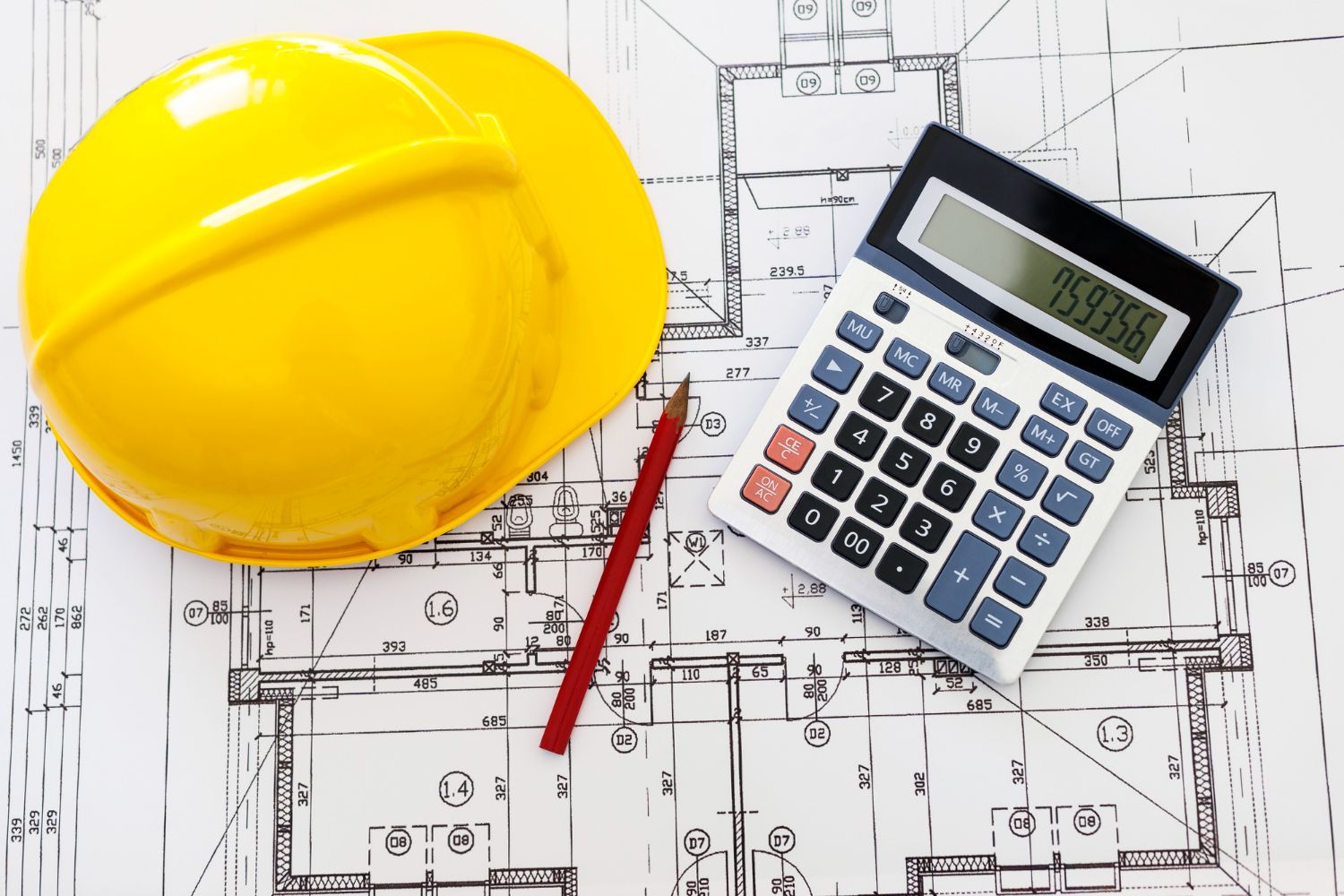
The quoting stage is where many condominium renovation projects start to go wrong. Building managers often face proposals that seem impossible to compare, with prices that vary drastically for what should be the same service. To achieve a genuine cost-benefit, the first step is drawing up a descriptive specification or executive project through an independent professional. Without this, each company will quote however it sees fit, using materials of different quality and omitting crucial steps to lower the price.
When comparing material prices, the building manager should look beyond the face value on the invoice. Yield, durability and future maintenance needs are factors that determine the real cost-benefit. A cheaper paint that requires three coats and peels within two years is much more expensive than a premium paint that lasts five years with just two coats. Using indices such as SINAPI (Brazil's National System for Construction Cost and Price Research) and CUB (Basic Unit Cost) helps the building manager establish a benchmark to check whether quoted prices reflect market reality.
When hiring services, the building manager should require proposals to detail the schedule, the allocated team and included statutory labour charges. The lowest price often hides a company that does not pay its taxes or that uses unqualified labour, increasing the risk of accidents and legal work stoppages. Using online quoting platforms lets the building manager access a marketplace of suppliers already rated by other managers, ensuring greater transparency and security in the choice.
Resident psychology: managing stress and area closures
The true cost of renovation works in a condominium lies not just in the extra bill, but in the psychological impact on those who live in the building. The building manager needs to understand that home is a refuge, and any disruption to that space generates anxiety and irritability. The noise of jackhammers, the presence of strangers in the corridors and dust invading flats are factors that can turn condominium life into genuine chaos if not managed with empathy.
The "headache" of an intervention can be eased through effective expectation management. The human brain copes far better with discomfort when it is predictable. The building manager should communicate a detailed schedule, stating which days and times will be the noisiest. If a common area will be closed off, the emotional cost-benefit should be maintained through alternatives: if the gym closes for refurbishment, the building manager might negotiate a temporary discount at a nearby gym for residents.
Emotional intelligence is the building manager's most valuable tool during renovation works in a condominium. Listening to complaints without reacting defensively and seeking stopgap solutions, such as stepping up cleaning of common areas during the works, shows that management cares about collective wellbeing. When residents feel the building manager is "in the same boat" and doing everything possible to reduce the disruption, acceptance of the works and their long-term cost-benefit increases considerably.
Essential tips for planning works:
Classify the works correctly (necessary, useful or voluptuary) to set the approval quorum and avoid legal challenges.
Hire an independent professional to draw up the descriptive specification before seeking quotes on the market.
Use online quoting platforms to compare suppliers based on genuine reviews and technical reputation.
Create an advance communication plan, informing residents of schedules, noisy hours and closed-off areas to manage anxiety.
Always require the ART or RRT, strictly complying with NBR 16280 to ensure structural safety and your own protection as manager.
Property appreciation: the real return on investment

Above all, the building manager should be a custodian of assets. Every decision on renovation works in a condominium must pass the test of appreciation. Studies show that revitalised façades and modernised common areas are the factors that most influence a buying decision. In competitive markets, a building that looks neglected can suffer depreciation of up to 20% compared with well-maintained neighbours. The cost-benefit of investing in an aesthetic renovation is, therefore, recovering that margin of value.
Modernisation is not limited to aesthetics; technological functionality is the new standard of luxury. Condominiums that invest in digital reception, smart parcel lockers and infrastructure for electric car charging are top of residents' wish lists. The building manager who presents these projects at the assembly should focus on increased liquidity: a unit in a modernised building sells far faster than one in a building stuck in time.
For the building manager to assess whether the investment is worthwhile, they should look at the "rate of return" in terms of reduced future condominium fees. A well-executed waterproofing job eliminates recurring costs for repainting and mould repairs, freeing up funds for other areas. The cost-benefit here is financial and direct: spend capital now to save on running costs later. By presenting this reasoning to residents, the building manager turns resistance into support.
NBR 16280: technical compliance and legal security
Carrying out renovation works in a condominium without observing technical standards is a risk no building manager should take. ABNT's NBR 16280 sets out the requirements for building refurbishments and clearly defines the responsibilities of everyone involved. The building manager is the guardian of this standard within the condominium, and it is their duty to require that any and all works — including those inside individual units — be accompanied by a refurbishment plan signed by a qualified professional, along with the corresponding ART (Technical Responsibility Record) or RRT (Technical Responsibility Registration).
The cost-benefit of following NBR 16280 is legal and structural protection for the building. Refurbishments that remove structural walls or overload slabs can cause tragedies. A building manager who neglects this oversight can be held personally liable for damage to the building. Investing in engineering consultancy to review residents' projects is therefore not a superfluous expense, but an indispensable safety measure for the community.
Documents the building manager should require before works begin:
An Executive Project or Descriptive Specification detailing all the materials and methods to be used.
A copy of the ART (Engineers) or RRT (Architects), duly paid and signed by the technically responsible professional.
A Service Agreement with clear clauses on deadlines, late-delivery penalties and civil liability.
Certificates of tax and labour compliance from the contracted company, as well as proof of accident insurance.
A physical-financial schedule so the council and residents can track the progress of the works.
Beyond safety, complying with the standard prevents conflicts between neighbours. The refurbishment plan requires residents to detail how debris will be disposed of, working hours that generate noise, and worker access. When the building manager enforces these rules, they protect everyone's peace and quiet and ensure renovation works in the condominium stay within ethical and legal limits. Ultimately, technical compliance guarantees that the cost-benefit of the works will not be undone by lawsuits or unforeseen structural damage.
NewSun: clean energy and predictability for the condominium

Among a building manager's top concerns is the electricity bill for common areas, often one of the condominium's largest expenses. This is where a clean energy subscription from NewSun Energy Group emerges as a highly cost-effective strategic solution. Unlike complex renovation works in a condominium to install your own solar panels — which involve drilling into the roof, heavy maintenance and a high upfront investment —, a NewSun subscription delivers the benefits of renewable energy without the technical red tape.
A NewSun subscription stabilises the electricity bill for common areas, providing essential protection against tariff surcharges, which so often haunt a building manager's budget planning. With a progressive savings model, the condominium cuts costs month after month, freeing up funds that can be reinvested in other improvements or even used to avoid special assessments. NewSun's edge is not just technological; the company prides itself on genuinely human service, supporting building managers with every query and steering clear of the impersonal feel of support bots.
In addition, managers have access to the NewSun Energy Club, an exclusive, intuitive platform for detailed tracking of energy spending. This transparency tool is an asset for building managers at assemblies, allowing them to show co-owners, with precise data, the real savings generated by choosing clean energy. In a market where sustainability adds direct value to property, holding the NewSun seal means raising the condominium's efficiency standard without having to deal with the mess and noise of conventional building works.
Find out more about our Solutions for Condominiums.
Preventive maintenance strategies and long-term cost-benefit
Very often, the need for large-scale renovation works in a condominium arises as a direct consequence of poor preventive maintenance. A building manager who neglects small inspections ends up condemned to carry out costly, high-"headache" corrective interventions. The cost-benefit of preventive maintenance is astronomical: every real invested in regular check-ups can save up to ten reais in future emergency works.
The building manager should set up an action calendar that includes gutter cleaning, servicing of water pumps, checking lightning rods and inspecting roofs. These actions, though less glamorous than refurbishing a social hall, are the ones that safeguard the condominium's financial health. A gate that receives regular lubrication does not break down on a Sunday night, avoiding the expense of emergency technicians and the stress of residents unable to get in or out of their homes.
To convince the assembly of the cost-benefit of preventive maintenance, the building manager can use the Property Manual, supplied by the developer, as a technical guide. Demonstrating that the building is following the manufacturer's protocols increases residents' confidence in management and preserves the building's warranties. Keeping the building "up to date" is the best way to prevent high turnover of building managers from resulting in a backlog of accumulated works that will later require unbearable special assessments for families.
The building manager as steward of value and harmony
Assessing whether renovation works in a condominium are worth the expense and the headache is an exercise in systemic vision. The building manager must be able to see beyond peeling walls and understand the impact of every brick on the community's financial and emotional life. The real cost-benefit is not simply the lowest price, but the combination of technical safety (NBR 16280), property appreciation and social peace. A successful project is one that, by its completion, leaves residents feeling that the investment was worth every minute of noise and every cent of the extra assessment.
For building managers, the practical tips for ensuring this success involve making intensive use of technology to compare prices, transparent communication that eases stress, and the pursuit of innovative solutions. By reducing fixed energy costs and investing intelligently in preventive maintenance, managers create a virtuous cycle of appreciation that benefits everyone. Renovation works in a condominium stop being a "necessary evil" and become a tool for the evolution of the collective asset.
In short, managing works requires the building manager to move beyond the role of mere executor and take on that of property strategist. By mastering the classification of works, demanding technical rigour and showing empathy for residents' daily lives, the manager turns the "headache" into a renewal process that strengthens community ties and secures a sustainable future for the building. A condominium's success lies in its management's ability to turn complex interventions into tangible results, celebrating the evolution of a home that becomes, day by day, safer, more modern and more efficient.
You may also like
- Casos de Sucesso
 20/10/2026
 5m
5m - Dicas para Síndicos e PMES16/10/20265m
- Dicas para Síndicos e PMES13/10/20265m





Stop paying more for your energy bill
Find out in less than 1 minute how much you could save with clean energy every month — no works and no bureaucracy.
Join the energy revolution
Subscribe to our newsletter and receive exclusive content