
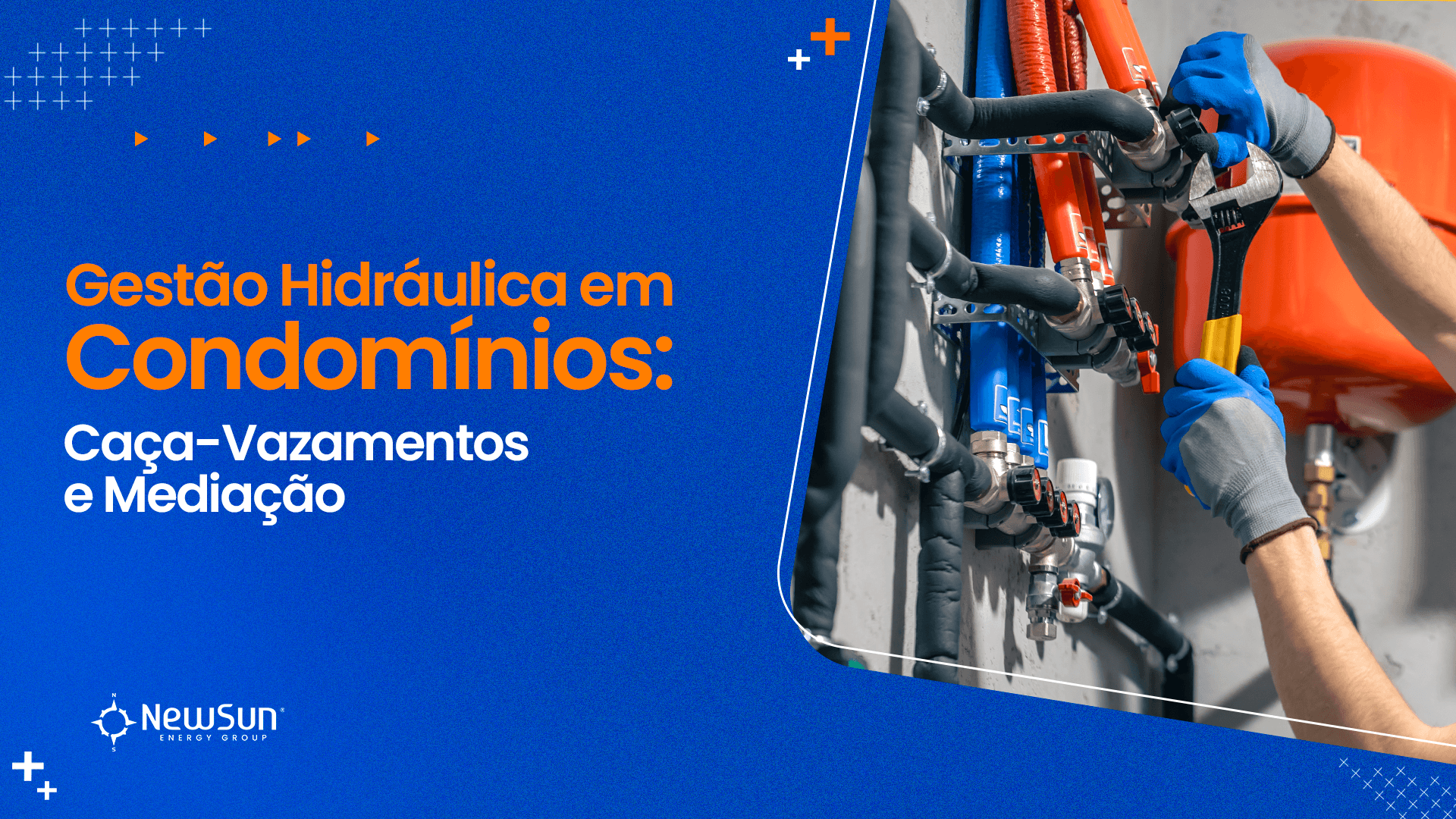
Plumbing Management in Condominiums: Leak Detection and Mediation
Plumbing Management in Condominiums: Leak Detection and Mediation
Dicas para Síndicos e PMES
 20/08/2026
 5 min
5 minManaging plumbing systems in residential and commercial condominiums is one of the most sensitive aspects of building management. Unlike other structural problems that are visible to the naked eye, water and sewage leaks often remain hidden, running through walls, floor slabs, service ducts and underground pipework. By the time the first outward signs appear — such as damp patches, blistering paint or an unexplained rise in the building’s water bill — the physical and financial damage may already be considerable.
For the condominium manager and the property management company, whose roles require broad expertise, dealing with plumbing incidents calls for a prompt technical response, well-organised preventive routines and diplomatic skill. Leaks do more than waste natural resources and create unexpected costs; they are also among the most common causes of heated disputes between neighbours, particularly when seepage from one unit affects the ceiling of the flat below.
In this comprehensive guide, you will learn about modern methods and technologies for detecting and stopping leaks without disruptive building work, how to mediate fairly and within the law between unit owners, and how to put together a preventive maintenance schedule for the building’s entire plumbing network, including pipework, swimming pools and sewage systems.
Modern Methods and Technologies for Identifying Leaks (Leak Detection)
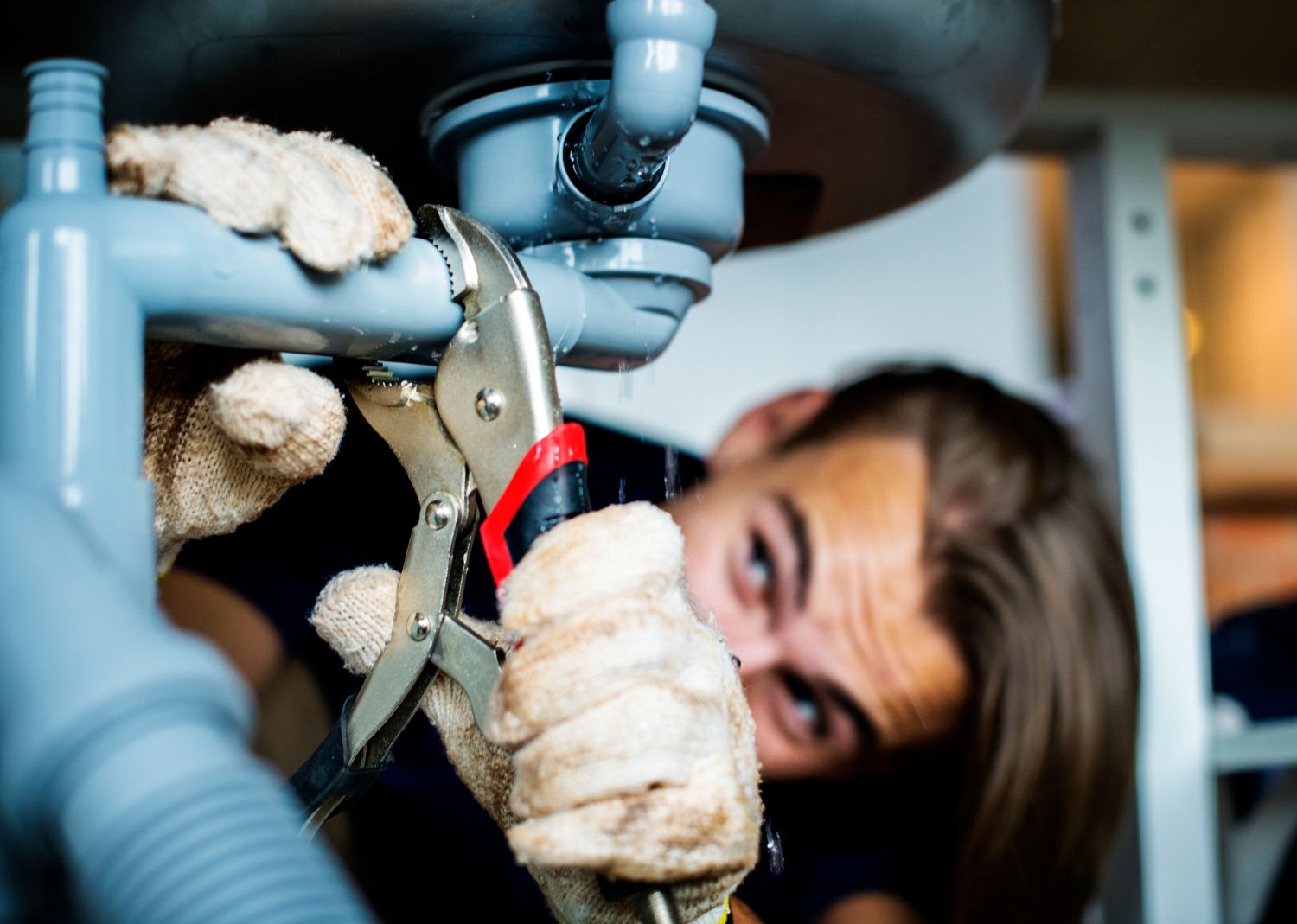
In the past, locating the source of a leak in a building involved exploratory demolition: floors, tiles and walls were broken open until the exact point of failure was found. Today, specialist providers use non-destructive diagnostic methods and practical tests that can identify faults with millimetre-level accuracy.
Practical Tests and Initial Diagnostics
Before calling in specialist companies, building staff and residents themselves can carry out preliminary tests to confirm the presence of water leaks:
Stationary Water Meter Test (Whole Building or Individual Unit): Close all stopcocks supplying taps, showers and other water outlets, and make sure the water tank is not refilling. Then observe the rotating disc or digital display on the water meter. If it continues to move or the reading changes, there is a continuous leak in the pressurised system.
Close-Coupled Cistern or Flush Valve Test: Toilets are a major source of silent clean-water waste. Put a little coffee powder, food colouring or ash into the toilet bowl. If it settles at the bottom without moving, the seal is sound. If the water moves or the colour is drawn towards the outlet, there is a leak in the flapper or cistern outlet valve.
Upper Reservoir (Water Tank) Test: Close the reservoir outlet valve and the mains supply float valve. Mark the exact water level with tape on the tank wall. After 2 to 3 hours, check the level: if it has fallen, there is a leak in the water tank structure or in the cleaning and overflow pipes.
Advanced Non-Invasive Detection Technologies (Professional Leak Detection)
When a leak is concealed or embedded in concrete slabs and walls, specialist leak-detection services use cutting-edge technological equipment:
Digital Electronic Ground Microphone: This works like a highly sensitive acoustic stethoscope. The sensor detects sound vibrations and low-frequency noise produced by pressurised water escaping through a small defect in the pipe. The device amplifies the signal hundreds of times and filters out background noise, allowing the technician to pinpoint the leak beneath floors or inside walls to within a few centimetres, without extensive demolition.
Infrared Camera Thermography: Thermal cameras record infrared radiation emitted by surfaces and map temperature variations in walls and ceilings. As leaking water changes the temperature of masonry materials — generally creating cooler areas because of moisture evaporation — the thermal image clearly reveals the path of concealed seepage behind ceramic finishes and plaster.
Robotic CCTV Pipe Inspection: This uses high-resolution miniature cameras connected to flexible cables or robotic crawlers that travel through sewer pipes, drains, grease traps and stormwater culverts. The live footage reveals fissures, cracks, invasive tree roots, broken connections and physical obstructions inside the pipework.
Hydraulic Pressure and Leak-Tightness Test: The suspect section of pipework is isolated and artificially pressurised with water or an inert tracer gas (nitrogen or helium), using calibrated digital pressure gauges. Any pressure drop indicates a break in the line, while gas-detection sensors pinpoint where the tracer gas is escaping.
Leaks Between Units: How to Mediate Disputes and Ensure a Fair Resolution

A dispute between neighbours arising from seepage through the ceilings of bathrooms, kitchens and utility rooms is one of the most stressful situations in condominium living. To handle such cases impartially and with legal certainty, the condominium manager must understand the technical and legal distinction between the building’s different pipe networks.
The Fundamental Rule: Vertical Network (Riser) vs Horizontal Network (Branch)
The Brazilian Civil Code and condominium legislation establish a clear division of financial and operational responsibility for building pipework:
Vertical Network (Main Riser or Stack): These are the main pipes that run vertically through the floors, carrying water from the upper tank to every storey or collecting sewage from the flats towards the public network. This structure is classified as a common area for collective use. Therefore, any leak originating in the main riser is the sole responsibility of the condominium, which must pay for the plumbing repair and restore damage caused to the affected units.
Horizontal Network (Private Branches): These are the pipes that leave the main riser and distribute water to points of use inside the flat (taps, showers and flushing systems), as well as private drains and traps. These networks are the sole responsibility of the owner of the individual unit.
Step-by-Step Dispute Mediation Guide for the Condominium Manager
When the resident of the lower flat (flat “B”) reports seepage from the ceiling and accuses the resident upstairs (flat “A”), management should act as a neutral technical mediator:
Initial Technical Inspection by Building Staff: The caretaker or maintenance supervisor should inspect both properties to gather visual evidence and record photographs of the affected area and the water meters.
Commissioning an Independent Technical Report (Leak Detection): To avoid allegations of favouritism, it is advisable to engage a specialist company to produce an Independent Leak-Detection Report. Drawing on technical evidence and thermal images, the report establishes whether the leak originates in the building’s main riser, the private pipework serving the upper flat, or defective grouting or waterproofing in the shower enclosure.
Formal Allocation of Responsibilities:
If the leak is in the condominium riser: The condominium manager immediately calls building maintenance, repairs the pipe, and authorises painting and restoration of the affected resident’s ceiling using condominium funds.
If the leak is in the branch serving the upper flat: Management formally notifies the owner of the upper unit, provides the technical report and sets a reasonable deadline — for example, 48 to 72 hours for an active leak — for the pipe to be repaired and for compensation for the damage to be agreed with the neighbour below.
Access to the Unit in Urgent Cases: If the owner of the flat responsible for the leak refuses access to the technician or fails to arrange the repair, and the escaping water is creating a structural or electrical safety risk, the condominium manager may intervene under Article 1,348 of the Brazilian Civil Code by serving formal notice on the unit owner and, if necessary, seeking a court order for access to stop the leak and limit the damage.
Inspection and Preventive Maintenance Plan for Condominium Plumbing
The best way to reduce high water bills and prevent litigation is to adopt a rigorous preventive schedule for the entire development’s plumbing system.
Pipes, Risers and Distribution Manifolds
Pressure-Reducing Valves (PRVs): In tall buildings, water descending from upper reservoirs develops excessive pressure on the lower floors. Pressure-reducing valves should be inspected every six months, with repair kits and seals replaced preventively where necessary. Incorrectly regulated pressure can burst PVC connections and rupture flexible hoses serving basins and toilets.
Distribution Manifold and Main Stop Valves: Inspect the distribution manifold — the assembly of pipes and fittings located just below the upper water tank — every six months. Check that gate and ball valves are operational and that there are no leaks at joints and flanges.
Cleaning Grease Traps: These should be cleaned periodically (every 1 to 3 months in residential condominiums). Accumulated solidified grease blocks drainage, causing sewage to back up through sinks in flats on the lower floors.
Swimming Pools and Wet Areas
Swimming Pool Leak-Tightness and Level Test: To check whether the pool has structural or pipework leaks, fill it to the normal level and mark the waterline with tape. Place a bucket of water on the same edge, at the same level. After 24 to 48 hours of sunshine, compare the water loss from the pool with the natural evaporation loss inside the bucket. If the pool level has fallen substantially more than the bucket level, there is an active leak in the pool shell or in the suction and return pipework.
Inspection of Recirculation Pumps and Filters: Inspect the mechanical seals on pumps in the pool plant room every month to prevent continuous dripping that corrodes electric motors.
Sewage Network, Inspection Chambers and Lift Pumps
Sewage Access and Inspection Chambers: Inspect every six months to identify cracks in the masonry, seepage into the ground and the formation of deposits that could block flow towards the public network.
Sewage and Stormwater Lift Pumps (Basement): The basement and garage drainage system should be tested monthly by activating the automatic float switches on the sump pumps. If a pump fails during a storm, sewage or rainwater will overflow into the garage.
Water Tanks and Reservoirs
Six-Monthly Cleaning and Disinfection (Required by Law): Every six months, the condominium should engage a specialist company to clean and disinfect the upper and lower reservoirs and issue a bacteriological report confirming that the water is safe to drink.
Structural Waterproofing: Annual inspections of the internal and external walls of concrete tanks identify cracks and detached waterproofing membranes before water reaches the slab’s steel reinforcement.
Water Efficiency and Financial Insight: How NewSun’s Energy Subscription Brings Predictability and Peace of Mind to Your Condominium

Maintaining the condominium’s plumbing infrastructure — eliminating leaks in pipework, keeping lift pumps properly regulated and ensuring reservoirs remain watertight — is essential to prevent waste and protect shared assets. However, keeping this building equipment running reliably consumes another costly resource: electricity.
The continuous operation of clean-water pump sets, pressurisation systems, swimming-pool recirculation pumps and basement drainage pumps creates a high, uninterrupted demand for electricity throughout the month. For condominium managers and property management companies, controlling these costs is a major challenge because electricity bills can be unpredictable. The frequent use of tariff flags during dry periods increases the rates charged by local distributors, causing cost spikes that disrupt budgets approved at owners’ meetings and create friction when the accounts are presented.
To give managers greater financial control and support genuine sustainability for the condominium, NewSun’s energy subscription offers an ideal solution.
Through an innovative digital platform, NewSun connects your condominium directly to partner plants that generate clean, renewable energy. The key advantage is that the building can benefit from progressive savings on electricity bills for communal areas, with no capital outlay, no need to buy solar panels and no building work.
Subscribing to NewSun provides direct benefits for day-to-day management:
Complete Budget Predictability: The subscription model reduces exposure to fluctuations and unexpected increases caused by tariff flags and distributor charges, allowing the condominium manager to plan expenditure on communal areas more accurately and with fewer surprises.
Convenience and 100% Digital Management: The switch to sustainable energy is quick and entirely administrative. There is no physical refurbishment, no risk of damage to the building fabric and no interruption to the building’s electricity supply.
Direct Savings for the Condominium’s Finances: Ongoing reductions in fixed electricity costs create more room in the monthly budget, allowing management to invest in plumbing upgrades, priority refurbishment or the reserve fund.
Genuine Sustainability and Increased Property Value: The condominium actively reduces its carbon footprint, modernises its energy mix and enhances the institutional and market value of all privately owned units.
By combining preventive plumbing management with the predictability of NewSun’s clean-energy subscription, you can protect the condominium against waste on every front while delivering efficiency, safety and peace of mind for the whole community.
Conclusion
Effective management of plumbing systems in condominiums depends on clear preventive procedures, accurate diagnosis and fair dispute mediation. Modern technologies such as the digital ground microphone and thermography make it possible to locate and repair leaks quickly, avoiding unnecessary demolition and protecting the building’s finances.
By applying objective technical criteria to distinguish responsibility for communal risers from responsibility for private branch pipework, the condominium manager can act as an effective mediator, resolving disputes between neighbours promptly, lawfully and transparently.
Likewise, extending this pursuit of efficiency and stability to fixed electricity costs — by adopting NewSun’s energy subscription to provide greater predictability and savings on bills for communal areas — demonstrates a modern, sustainable approach to management that is well placed to improve community living and enhance the value of the condominium.
You may also like
- Energia por Assinatura
 02/10/2026
 5m
5m - Energia por Assinatura01/10/20265m
- Dicas para Síndicos e PMES30/09/20265m





Stop paying more for your energy bill
Find out in less than 1 minute how much you could save with clean energy every month — no works and no bureaucracy.
Join the energy revolution
Subscribe to our newsletter and receive exclusive content