
Playground Safety: A Guide to Inspection and Impact-Absorbing Flooring
Playground Safety: A Guide to Inspection and Impact-Absorbing Flooring
Dicas para Síndicos e PMES
 07/05/2026
 5 min
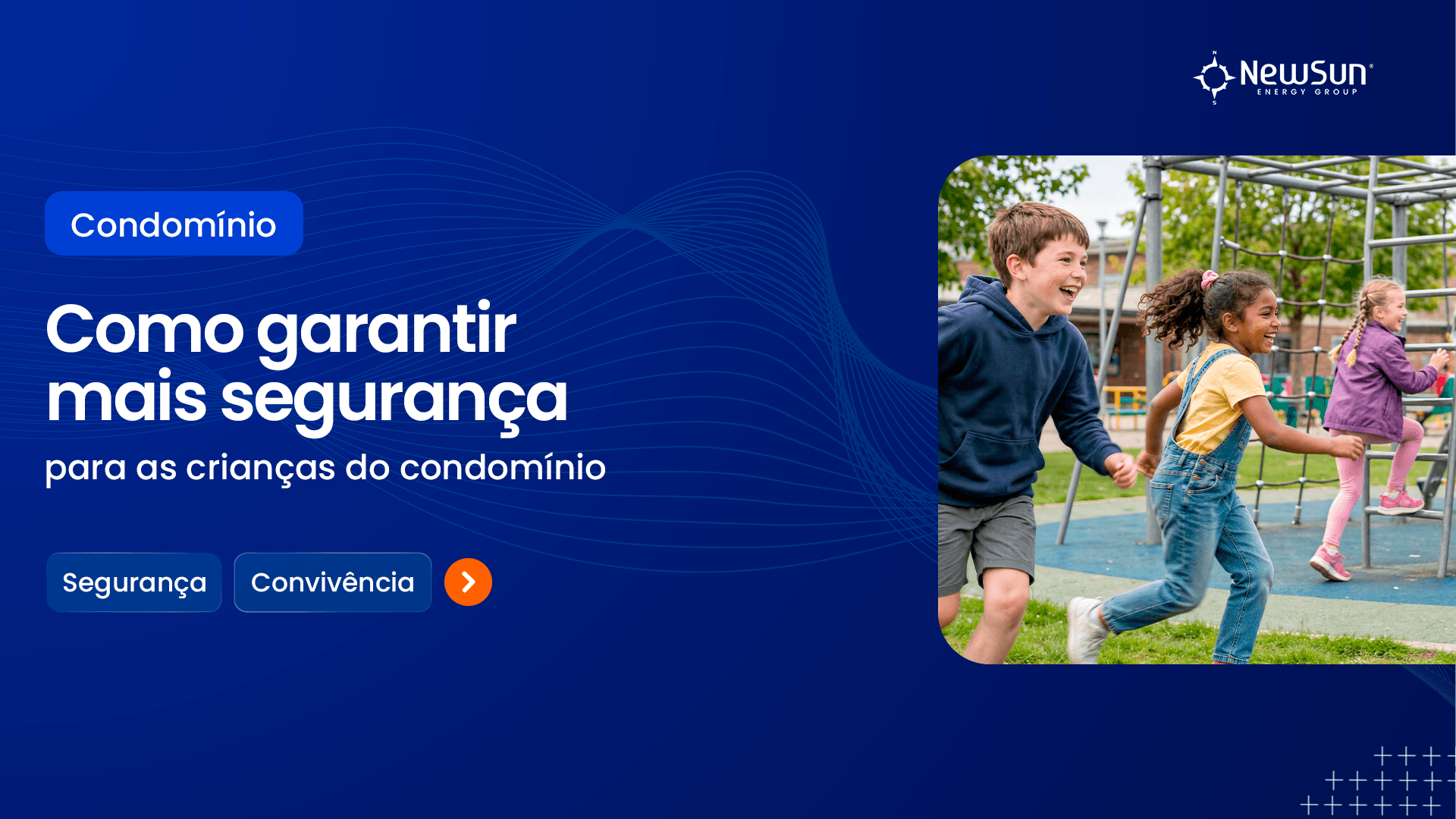
5 minManaging a contemporary condominium requires the building manager to take a multifaceted approach, balancing the maintenance of physical assets, legal compliance and the social well-being of residents. Among the most valued spaces — and, at the same time, the most critical from a liability standpoint — the children's playground stands out as a central element. This environment is not merely a place for recreation, but a laboratory for child development that requires rigorous care to ensure the safety of the children who use it. Neglecting playground maintenance can turn a space of joy into a scene of legal and physical risk, making it essential for the manager to master inspection protocols and technical safety specifications, such as the correct installation of impact-absorbing flooring.
The Strategic Importance of the Playground in the Condominium Environment
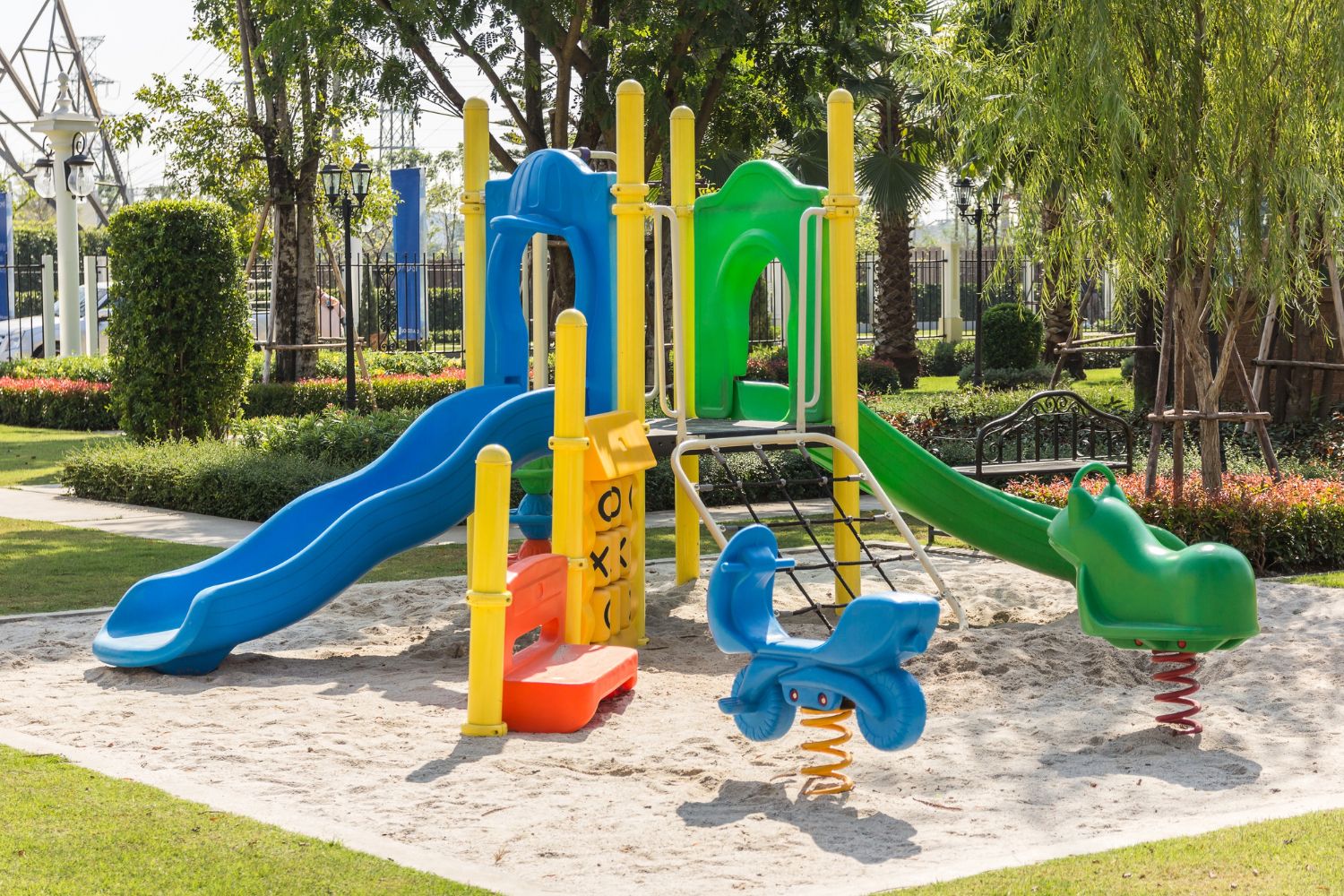
The children's playground represents far more than a set of equipment laid out in a common area; it is a vital component in both property value and the collective well-being of the condominium. For families, the presence of a safe, well-maintained playground is often one of the main criteria when choosing to buy or rent a residential unit. This space fosters neighbourly interaction, strengthening the sense of community and offering the children of the condominium a much-needed refuge amid the dense urbanisation of large cities.
From a child development perspective, the playground acts as a stimulus for physical, cognitive and emotional growth. By interacting with swings, slides and climbing frames, children exercise their motor coordination, balance and muscle strength. Furthermore, playing outdoors contributes to vitamin D synthesis through sun exposure and improves cardiovascular and respiratory health. Socially, the playground is where children learn to take turns, respect rules and resolve conflicts — essential skills for personality development. Maintaining this space with the utmost care is therefore a way for the building manager to invest directly in the quality of life of the condominium's future generations.
Civil and Criminal Liability of the Building Manager for the Playground
The safety of a playground in common areas is a legal obligation grounded in the Brazilian Civil Code. Article 1,348, item V, is clear in establishing that it is the building manager's duty to oversee the conservation and safekeeping of common areas, ensuring the provision of services that concern the residents. In the context of a playground, this responsibility translates into a duty to carry out preventive maintenance and ensure that all equipment complies with current technical standards.
When an accident occurs, Brazilian courts examine whether there is a causal link between the condominium's omission and the harm suffered by the victim. Recent case law shows that courts, such as the Court of Justice of the Federal District and Territories (TJDFT) and the Court of Justice of Rio Grande do Norte (TJRN), have ordered condominiums to pay substantial compensation for moral and material damages when it is proven that equipment was visibly damaged or inadequately maintained. In cases involving exposed sharp parts, loose screws or structurally compromised equipment, negligence is established as a matter of fact.
Beyond civil liability, the building manager may also face criminal consequences if the omission results in serious injury or death. Liability is shared jointly between the condominium and the manager, and the fact that the playground has usage rules does not exempt management from keeping the equipment safe. If a piece of equipment is found to be defective, it must be taken out of service immediately until repairs are carried out by a qualified professional. Proactive inspection is, therefore, the most effective tool for protecting the building manager legally and ensuring collective safety.
ABNT NBR 16071 Standards: The Gold Standard for Safety
To manage a playground to a high standard, the building manager should be familiar with the ABNT NBR 16071 standard, which is the leading technical reference for playground safety in Brazil. Created in 2012 and in effect since July 2013, this standard replaced earlier regulations and introduced far stricter criteria for the manufacture, installation, inspection and maintenance of playgrounds. It is divided into several parts, each addressing a critical aspect of the recreational environment.
NBR 16071 sets out, for example, impact zones and minimum safety distances between equipment, which must be at least 1.30 metres to prevent collisions between children using different pieces of equipment. The standard also details requirements for the materials used, which must be non-toxic and resistant to weather conditions. One of the central points of the standard is the requirement for impact-absorbing surfaces, particularly beneath equipment with a fall height greater than 60 centimetres.
The standard was recently updated to include accessibility and inclusion requirements (Part 8), determining that playgrounds must allow children with disabilities or reduced mobility to enjoy the space on equal terms. This requires the building manager to take special care when planning refurbishments or new acquisitions, ensuring accessible routes, suitable ramps and adapted equipment that promote full social interaction. Following NBR 16071 is not merely a technical choice, but an imperative for any condominium that values safety and legal compliance.
Inspection Schedule: Frequency and Procedures
Effective playground maintenance is based on a routine of periodic inspections that must be documented in a dedicated inspection log. The building manager should organise the maintenance team's workflow so that each level of inspection is carried out at the recommended frequency, ensuring that playground care is constant rather than merely reactive to visible problems.
Inspections should be divided into three main levels:
Routine Visual Inspection: Should be carried out daily by the caretaker or cleaning staff. The aim is to identify obvious hazards resulting from vandalism, misuse or weather conditions, such as broken bottles, accumulated rubbish, loose parts or surfaces that have become excessively hot in the sun.
Operational Inspection: Carried out monthly or quarterly (depending on how heavily the equipment is used), this inspection is more detailed and aims to verify the functioning and stability of the equipment. Bearing wear, chain integrity, rust on metal structures and whether equipment remains properly anchored to the ground should all be checked.
Main Annual Inspection: Should be conducted by a specialised professional or mechanical engineer. This inspection carries out an in-depth assessment of the playground's technical compliance with ABNT standards, including measuring the thickness of the impact-absorbing flooring and analysing structural fatigue in the equipment. At the end, the professional issues a technical report that serves as the condominium's legal safety document.
Each inspection should generate a dated and signed record, detailing any defects found and the corrective action taken. If a safety-compromising defect is found at any stage, the equipment must be taken out of service immediately with clear signage until the repair is completed.
Inspection Checklist: What the Building Manager Should Look For
When carrying out or overseeing a playground inspection, the building manager needs a keen eye for details that the average user might overlook. Natural wear and tear, though it may seem harmless at first, can quickly develop into a structural failure. Below, we outline the critical points that should feature on any condominium's preventive maintenance checklist.
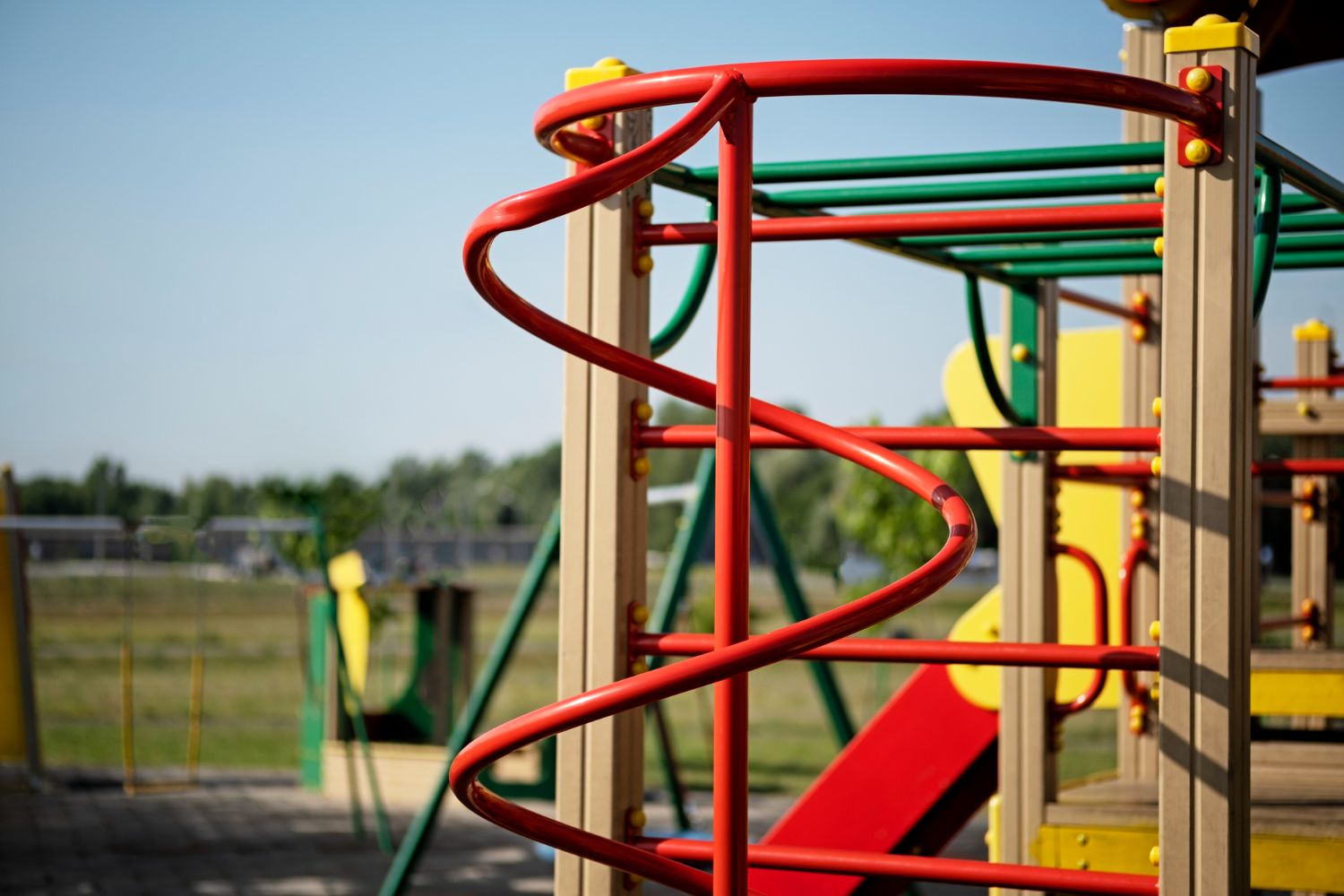
The integrity of surfaces is the first point of attention. On wooden equipment, look for splinters, deep cracks or signs of rot, especially at the base of posts that are in contact with the ground. In the case of metal equipment, rust is the biggest enemy; check whether the paintwork is intact and whether there are any corrosion points that could weaken the structure or cause cuts. As for plastic components, these should be assessed for brittleness caused by solar radiation, which can make them prone to cracking and dangerous.
Hardware and fixings also require close attention. Make sure there are no loose screws, missing nuts or protruding screw ends that could catch on clothing or cause injury. All moving joints, such as swing and see-saw axles, should be properly lubricated and free of excessive play. In addition, check that guards, such as plastic caps and screw covers, are in place, as they prevent children from coming into direct contact with rigid or sharp parts.
Finally, the surrounding area and the impact-absorbing flooring must be examined. The ground should be free of stones, exposed roots, puddles or any object that could cause tripping. If the playground is fenced, the gates should have safety latches that prevent small children from wandering out and animals from getting in. Adequate lighting is also an important safety factor, ensuring the space can be used with full visibility during the hours permitted by the condominium's internal regulations.
The Vital Role of Impact-Absorbing Flooring in Preventing Injuries
Statistical data on accidents in recreational areas show that most serious playground injuries result from falls onto unsuitable surfaces, such as concrete, asphalt or compacted earth. In such cases, the ground cannot absorb the energy of the impact, transferring it directly to the child's body, which can result in fractures and head trauma. This is where installing high-quality impact-absorbing flooring becomes the most critical investment for playground safety.
Safety flooring works as a technical system designed to reduce the deceleration experienced during a fall. The performance of these floors is measured using the head injury criterion, known by the acronym HIC (Head Injury Criterion), which correlates the thickness and density of the material with the critical fall height it can withstand. The ABNT NBR 16071-3 standard specifies that the flooring must be laboratory-tested to ensure that, should a child fall from the highest point of the equipment, the impact does not exceed biological safety limits.
For the building manager, understanding the concept of critical fall height is essential before contracting any work. Each piece of equipment has a specific free-fall height (the highest point from which a child could fall), and the chosen impact-absorbing flooring must have a technical report proving it protects up to that height. Installing very thin rubber flooring beneath a tall slide is effectively the same as having no protection at all; the technical match between the equipment's height and the flooring's cushioning capacity is what determines the real effectiveness of the safety system.
Types of Impact-Absorbing Flooring: A Comparison for Condominiums
The market offers various flooring options for playgrounds, each with advantages and disadvantages in terms of cost, maintenance and appearance. The ideal choice depends on the condominium's profile, the intensity of use and the budget available for ongoing care.
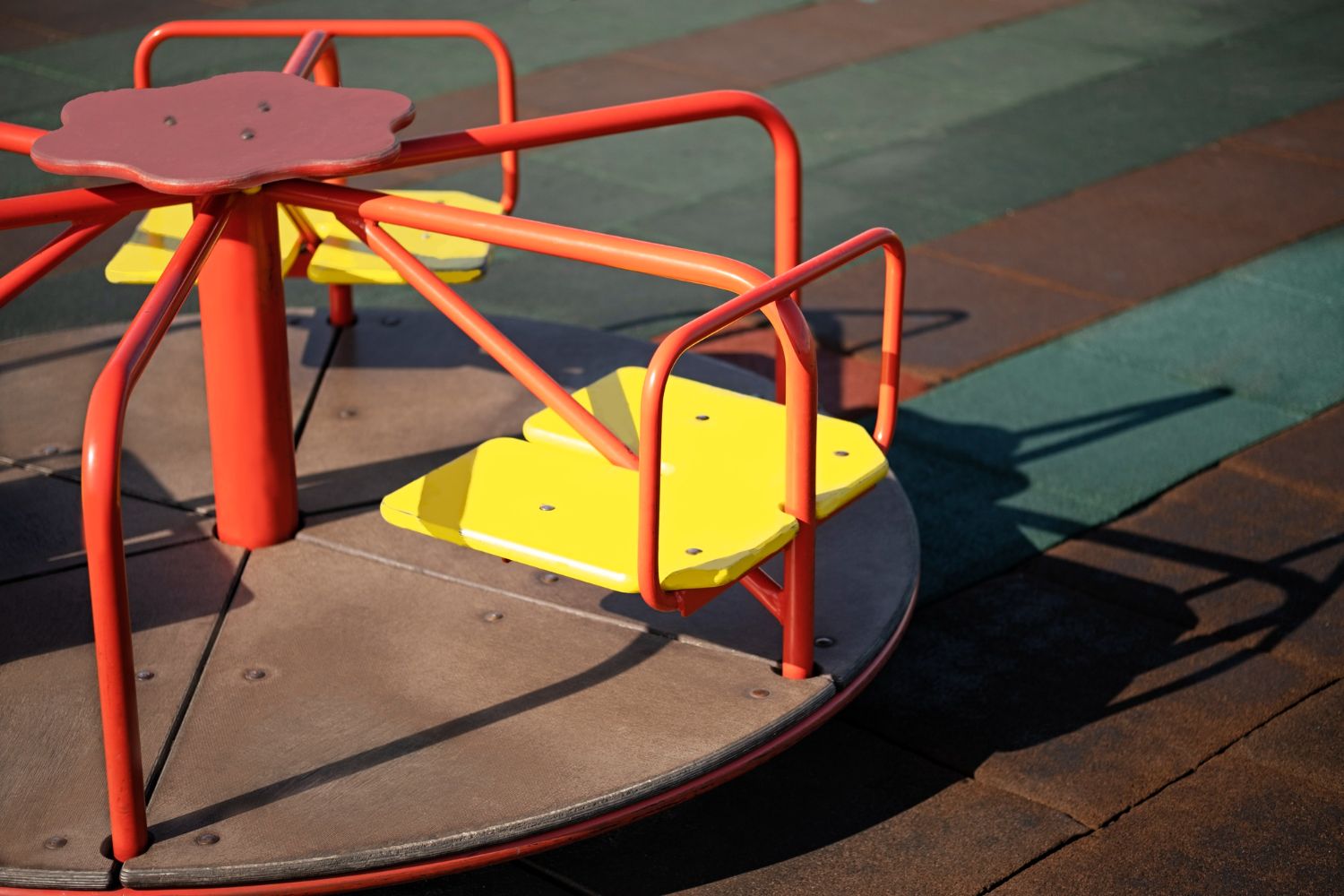
Rubber tile flooring is one of the most popular solutions due to its practicality. It offers excellent impact absorption, is slip-resistant and highly durable outdoors. It is also easy to maintain, as it allows individual tiles to be replaced if localised damage occurs. Meanwhile, poured-in-place rubber flooring (seamless) provides a superior aesthetic finish and allows for the creation of colourful designs and patterns, but requires more complex and expensive professional installation.
Synthetic turf with a cushioning base is another alternative that combines the natural look of a lawn with technical safety. To qualify as impact-absorbing flooring, synthetic turf must be installed over a cushioning layer (usually polyethylene foam pads), as the plastic fibre alone does not provide sufficient shock absorption. Although visually attractive and requiring no irrigation, synthetic turf can heat up significantly under strong sun, which requires care on very hot days.
Loose particulate materials, such as treated sand, pine bark or rubber mulch, are also recognised by the standard as impact-absorbing materials. However, they pose significant maintenance challenges for the building manager. Sand, for example, requires constant turning to prevent compaction (which reduces cushioning) and periodic sterilisation to prevent contamination by microorganisms and animal waste. In addition, these materials tend to spread beyond the playground area, requiring frequent replenishment and causing mess in adjacent common areas.
What to Know Before Installing Impact-Absorbing Flooring
The decision to install new impact-absorbing flooring should be preceded by careful technical planning to avoid wasted resources and safety failures. The first step is to survey the critical fall height of all equipment in the playground. With this data in hand, the building manager should require supplier companies to provide impact test reports, issued by accredited laboratories, proving the product's effectiveness for the required heights.
Preparing the base is another decisive factor for a successful installation. Rubber flooring requires a level concrete or asphalt sub-base with an efficient drainage system to prevent water pooling, which could compromise adhesion and cause mould growth. If the base is uneven, the rubber tiles may come loose or create gaps that pose a tripping hazard for children. The building manager should also check that the project includes accessibility, ensuring smooth transitions between the playground flooring and adjacent pavements, in line with NBR 9050.
Another important aspect is the toxicity of the materials used. The building manager should ensure that the rubber flooring and adhesives used in installation are non-toxic, as children come into direct skin contact with the surface and often put their hands to their mouths after playing. Choosing suppliers that use high-quality EPDM (Ethylene Propylene Diene Monomer) rubber ensures greater resistance to discolouration and drying out, extending the investment's lifespan and maintaining the condominium's aesthetic standard of care.
Maintenance and Cleaning of Impact-Absorbing Flooring
The durability of rubber flooring is directly linked to the cleaning routine adopted by the condominium. Unlike natural grass, rubber flooring does not need mowing, but does require the constant removal of debris that can act as an abrasive, accelerating surface wear. Daily cleaning should be done with soft-bristle brooms or blowers to remove dust, leaves and small objects.
For a deeper clean, it is recommended that the flooring be washed periodically with water and neutral detergent. It is essential that the building manager instruct the cleaning team never to use harsh chemical products, such as chlorine, concentrated bleach or acids, as these agents can degrade the rubber, cause permanent staining and compromise the material's elasticity. In heavily used areas, a pressure washer may be used, provided the jet is kept at a minimum distance of 30 centimetres from the surface and at moderate pressure so as not to tear off pieces of rubber or dislodge the tiles.
In addition to cleaning, care includes inspecting the joints between tiles. Over time, and with temperature variation, small gaps commonly appear; if these gaps become excessive, they should be filled with suitable sealant, or the tiles should be repositioned to prevent dirt from accumulating underneath the flooring or children from tripping. Well-executed maintenance preserves the colour and cushioning properties of the flooring for up to ten years, ensuring the playground's safety is maintained throughout the equipment's entire service life.
Energy Management as Support for Condominium Infrastructure

While the building manager focuses attention on the physical care of recreational areas and the safety of young residents, the condominium's financial health depends on efficient resource management on other fronts. The electricity bill for common areas is often one of the largest operating costs for a management company, subject to the unpredictability of tariff flags and constant rate increases. This is where the technology and business model of NewSun Energy Group become strategic allies for the modern manager.
NewSun's clean energy subscription stabilises the electricity bill for the condominium's common areas, shields the bill against tariff flags and delivers progressive savings. This innovative model allows the condominium to benefit from solar and biogas energy credits generated at remote power plants, with the benefit applied directly to the local distributor's invoice with no need for construction work, panel installation or maintenance costs. Beyond reducing costs, NewSun offers genuinely human support and an exclusive platform, the NewSun Energy Club, for tracking energy usage, giving the building manager full budgetary control and transparency in accounting. By significantly reducing the electricity bill, management frees up resources that can be reinvested in improving playground safety, replacing impact-absorbing flooring or modernising equipment, creating a virtuous cycle of property appreciation.
Discover our Solutions for Condominiums.
Hygiene Care: Sand and Indoor Play Areas
Although the focus of this article is the outdoor playground and impact-absorbing flooring, the building manager should not neglect surface hygiene, particularly in sand areas or enclosed spaces such as indoor play areas. If not kept scrupulously clean, sand can become a breeding ground for parasitic diseases and skin infections. It is essential that the sandbox be covered when not in use and that it undergo non-toxic chemical sterilisation every three to six months, depending on the number of children and the presence of animals in the area.
In indoor play areas, safety care extends to toy hygiene and checking electrical wires and sockets. Electronic equipment, such as TVs and games consoles, should have cables properly routed and out of the reach of small children to prevent risks of electric shock or strangulation. The flooring in these indoor areas should also meet cushioning standards, using materials such as high-density EVA foam or rubber tiles specific to covered environments, which provide thermal and acoustic comfort in addition to fall protection.
A Culture of Safety as a Pillar of Management
Maintaining a children's playground in a condominium is a task that requires technical diligence, legal responsibility and an empathetic understanding of child development. The building manager who implements a culture of preventive care, grounded in ABNT standards and the use of cutting-edge technologies such as impact-absorbing flooring, is not merely preserving a shared asset, but protecting lives and safeguarding the collective estate against avoidable litigation. Playground safety is not a static state, but the result of an ongoing process of inspection, cleaning and technical updating.
At the same time, modernising condominium management involves adopting sustainable, efficient solutions, such as NewSun's energy subscription, which provides the financial predictability needed for the building manager to prioritise investment in safety and infrastructure. A condominium that takes care of both its playground and its energy efficiency demonstrates a genuine commitment to quality of life and to the future. Ultimately, parents' peace of mind and children's carefree happiness are the best indicators of excellent management, where every detail of the playground is treated with the utmost rigour and dedication.
You may also like
- Casos de Sucesso
 20/10/2026
 5m
5m - Dicas para Síndicos e PMES16/10/20265m
- Dicas para Síndicos e PMES13/10/20265m



Stop paying more for your energy bill
Find out in less than 1 minute how much you could save with clean energy every month — no works and no bureaucracy.
Join the energy revolution
Subscribe to our newsletter and receive exclusive content