

Organising and Approving Works Funds in Condominiums
Organising and Approving Works Funds in Condominiums
Dicas para Síndicos e PMES
 31/08/2026
 5 min
5 minMaintaining the property and modernising communal areas are ongoing responsibilities in the management of any residential or commercial condominium. Over time, façade refurbishment, waterproofing flat roofs, modernising lifts, repainting garages and upgrading entrance facilities cease to be aesthetic aspirations and become essential measures to protect safety and property values.
For condominium managers and management companies, however, turning the need for refurbishment into reality involves one of the most contentious aspects of condominium life: raising the necessary funds. Proposals for special levies and additional contributions often meet immediate resistance from residents, leading to heated meetings, disputes over costs and mistrust that can bring management decisions to a standstill.
The key to overcoming this obstacle lies in the advance structuring of works funds, adherence to financial planning and mastery of communication and public-speaking techniques that turn the general meeting into a cooperative environment.
In this comprehensive guide, you will learn how to structure planned and emergency funds, understand why the money should be raised before disruptive building work begins, and discover the step-by-step process for approving projects through technical and transparent presentations.
Planned Works Funds vs Emergency Works Funds: How to Structure Them
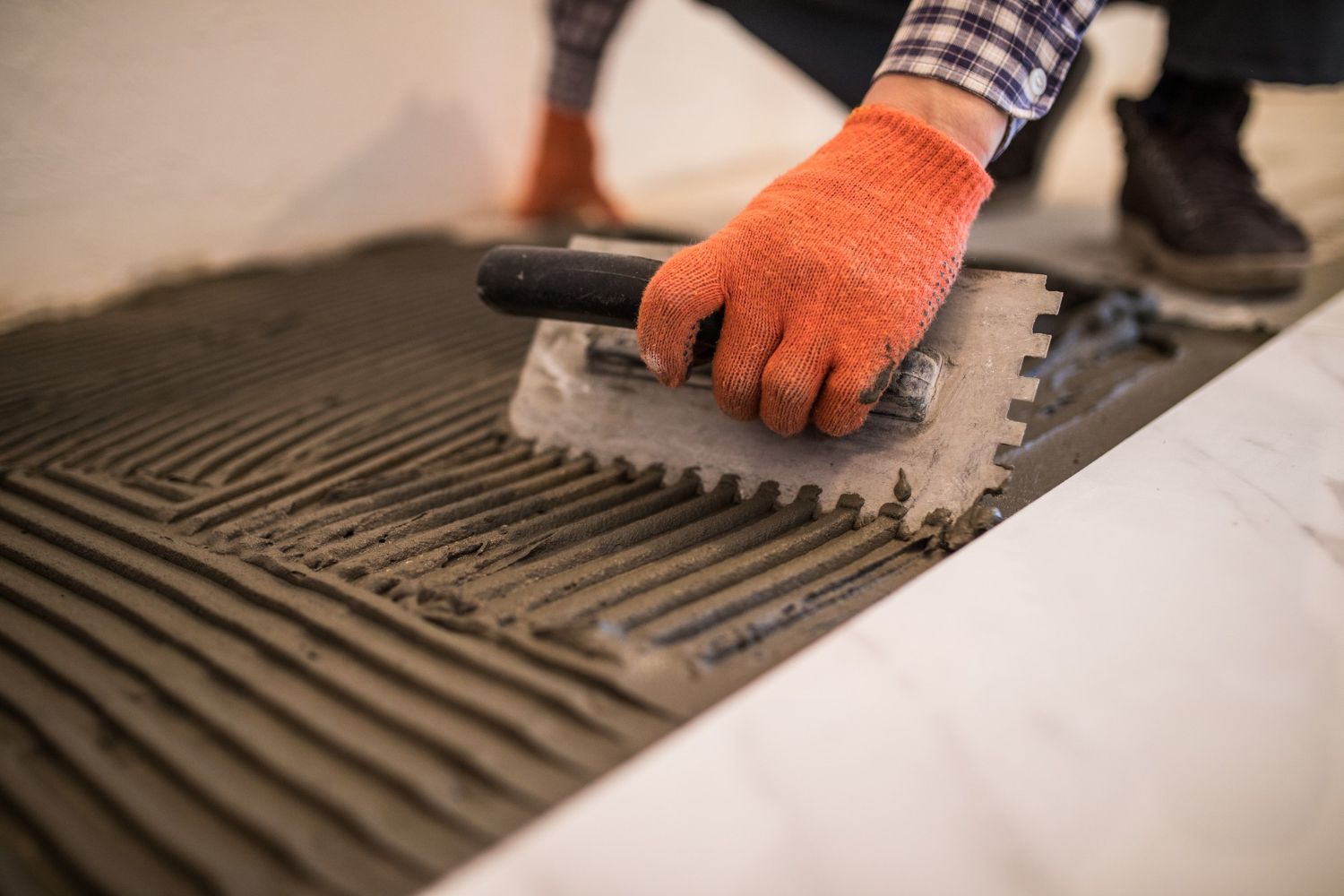
The first step towards sound financial governance is not to mix resources raised for different purposes. Condominium management should work with two distinct categories of reserves for physical interventions:
Planned Works Fund (Necessary, Beneficial or Luxury Works under Brazilian Law)
These are foreseeable works that can and should be scheduled months or years in advance. They include periodic façade painting (mandatory every five years under various municipal laws), refurbishment of the function room, replacement of the swimming-pool flooring or technological modernisation of entrance facilities.
Gradual Collection: The additional contribution is calculated and divided into 12, 24 or 36 manageable monthly instalments, enabling the condominium to accumulate the necessary capital without overwhelming household budgets.
Legal Voting Thresholds (Brazilian Civil Code, Article 1,341):
Necessary Works (which preserve the property or prevent its deterioration): a simple majority of votes cast by those present at the general meeting.
Useful Works (which increase or facilitate use of the property, such as individual water metering): a majority of all unit owners in the building (50% + 1).
Luxury Works (which make the condominium more pleasant or are purely for enjoyment, such as luxurious lobby decoration): a two-thirds (2/3) vote of all unit owners.
Emergency Works Fund (Necessary and Urgent Works)
Unlike planned works, an emergency arises from sudden and unforeseeable incidents that immediately endanger the building’s physical safety, sanitation or habitability — such as the rupture of a main water riser, complete failure of the sewage-pump system or imminent collapse of a retaining wall following heavy rain.
Immediate Action by the Building Manager (Article 1,341, paragraph 1 of the Brazilian Civil Code): In cases of serious urgency, the building manager has a legal duty to commission emergency repairs immediately, even without prior authorisation from the general meeting, provided the costs are moderate.
Ratification at a General Meeting: If the intervention requires substantial expenditure, the building manager must immediately convene an Extraordinary General Meeting to account for the spending, inform residents and approve replenishment of the fund or an emergency contribution to cover the balance.
The Golden Rule: Raise the Money Before Starting Disruptive Building Work
One of the most serious and damaging mistakes in building management is to start major works while relying on monthly collection of instalments to pay the construction company or contractors as the work progresses.
This practice places the condominium’s financial health at extreme risk for three critical reasons:
Vulnerability to Default on Additional Contributions: During the collection period, it is statistically common for some unit owners to fall behind with the works levy. If the condominium does not have the money in hand and relies on that monthly income to pay the construction company’s progress claims, the payment flow is interrupted.
Risk of Work Stoppage and Deterioration: If payment is not received, the contractor withdraws its workforce and stops the work. The building becomes an abandoned construction site, with scaffolding in place, dust, rubble, loss of contractual warranties and accelerated deterioration of materials exposed to the weather.
Bargaining Power and Upfront-Payment Discounts: When the condominium accumulates the full amount in a dedicated investment account before the first hammer is swung, the building manager gains considerable negotiating power. Discounts of 10% to 20% on the total value of contracts with construction companies may be obtained by guaranteeing punctual payment against completed and inspected stages, protecting the reserve fund against budgetary surprises.
Advance planning must be rigorous: first, raise the full amount with a safety margin of 10% to 15% for contingencies and variations; only once the funds are secured should physical work be authorised to begin.
The Approval Process: General Meetings, Technical Committees and Documentation

Approval of a works fund requires a well-structured formal process so that the decision of the general meeting has unquestionable legal validity and is not challenged through proceedings seeking annulment.
Convening the Extraordinary General Meeting (EGM)
The notice of meeting must be precise. The agenda must not contain generic descriptions such as “Any Other Business” or simply “Works”. It must clearly specify the matter for decision: “Presentation, Consideration and Approval of the Façade Refurbishment Project, including Creation of a Dedicated Works Fund and Definition of the Amount and Duration of the Additional Contribution”.
Establishing Works Committees (Technical Committees — TCs)
One of the most intelligent strategies for a building manager is not to conduct the works process alone. Establishing a Works Committee or Technical Committee (TC) at an earlier general meeting brings substantial management benefits:
Involvement of In-House Specialists: Condominiums often include residents who are engineers, architects, accountants, lawyers or project managers. Inviting them to join the voluntary committee adds technical knowledge to the administration at no cost.
Transparency and Shared Responsibility: The committee helps prepare the technical brief, compare proposals and monitor inspections. This dispels unfounded suspicions of supplier favouritism and shares the burden of decisions with the community itself.
Mandatory Documents and Metrics to Present
To enable unit owners to vote with confidence, the building manager should present a comprehensive technical dossier before and during the general meeting:
At Least 3 Comparable Quotations: Detailed commercial proposals from reputable companies, strictly based on the same technical scope (Specification).
Physical and Financial Programme: A simple chart detailing each phase of the works (e.g. washing, crack repair, painting) and the exact amount to be released for payment following inspection.
ART/RRT Requirement and Compliance with ABNT NBR 16280: Evidence that the company will provide an Annotation of Technical Responsibility (ART through CREA) or a Technical Responsibility Record (RRT through CAU) before work begins.
Impact Simulation by Ownership Share: A transparent spreadsheet showing the exact monthly instalment payable by each type of flat, with simulations for different collection periods (e.g. 12 months vs 24 months).
How to Increase the Chances of Approval: Effective Communication, Public Speaking and Presentation
Successful approval of a works fund does not depend solely on accurate figures; it also depends on how the message is conveyed to residents. Most unit owners are not specialists in engineering or finance and may react with anxiety when they hear complex technical terms or references to additional expenditure.
To conduct the general meeting skilfully and secure majority approval, the manager should apply the following techniques:
1. Start the Dialogue Early (Informal Meetings and Drop-in Question Sessions)
Never present a major works proposal for the first time on the day of the formal vote. In the weeks before the official meeting, hold informal explanatory meetings in person or online and organise drop-in question sessions through the condominium app. When residents have an opportunity to ask questions, make suggestions and clarify doubts in advance, they arrive at the official meeting much more confident and inclined to vote in favour.
2. Public Speaking Focused on Value and Safety (Rather Than “Costs”)
The speaker’s language shapes the audience’s perception:
Instead of saying: “We need to approve this R$200,000 expense to repair the cracks in the façade”, say instead: “This R$200,000 investment will eliminate the risk of water ingress into the flats and could deliver an immediate estimated increase of up to 15% in the market value of each of our units”.
Focus on the Cost of Inaction: Show what will happen if the work is not carried out now. Explain calmly that delaying waterproofing of a slab for two years will turn R$30,000 of maintenance into R$100,000 of structural refurbishment because of corrosion of the steel reinforcement.
3. Clear and Compelling Visual Presentations (Slides)
Replace bulky paper packs with a professional slide presentation projected on screen:
Photographs of the Current Condition: Show clear photographs of the defects identified (loose tiles, exposed reinforcement, corroded pumps). Visual evidence creates a legitimate sense of urgency.
Images and 3D Renders of the Final Project: Display visual projections of how the entrance or façade will look after refurbishment. Visual appeal generates enthusiasm and a desire for transformation.
Financial Summaries in Simple Charts: Present bar charts comparing the costs of the three competing companies and a clean table showing the monthly additional contribution per resident.
Improving Cash Flow without Building Work: How NewSun Subscription Energy Stabilises Costs and Releases Funds for Your Refurbishment Reserve

Approving a works fund requires meetings, rigorous quotations, creation of technical committees and intensive discussion at a general meeting to address the financial impact of additional contributions on residents. Faced with so much bureaucracy and operational strain, the last thing a condominium needs is another complex civil-engineering project to modernise its energy infrastructure.
Many condominiums seeking to reduce electricity expenditure consider installing their own solar panels on the roof. However, this option entails precisely the arduous process described in this article: expensive quotations, approval of substantial capital calls, drilling through the slab, invasive building work and the risk of water ingress at the top of the building.
To achieve sustainability and save on electricity bills without any of these obstacles, NewSun subscription energy is the smartest and most practical solution on the market.
NewSun’s major innovation is to offer a sustainable energy transition entirely without building work:
No Works Procedures and No Disruption: The condominium does not need to approve civil-engineering projects, drill through slabs, install metal structures or turn communal areas into a construction site. Joining the clean-energy subscription service is a 100% digital and administrative process.
No Capital Calls or Additional Contributions (Zero CAPEX): The condominium does not spend a single cent from its reserve fund or require any investment from unit owners. Clean, renewable energy credits generated by partner power plants are fed directly into the grid and offset against the communal-area bill.
Tariff Stability and Predictability: The subscription acts as a shield against tariff-band peaks and market fluctuations charged by local distributors. Electricity bills become stable and predictable over the long term, making the building manager’s financial reporting easier.
Immediate Financial Relief to Create Your Works Fund: By delivering progressive savings on communal-area electricity bills, NewSun curbs waste and creates ongoing headroom in the condominium’s cash flow.
This monthly financial relief can be directed to the reserve fund or used to create the building’s works fund. With more resources available in the ordinary budget, management can begin essential refurbishment much more quickly, reducing or even eliminating the need for substantial additional contributions from residents.
With NewSun, the condominium gains innovation, genuine sustainability and savings without the stress of new building work, paving the way for management to carry out the structural improvements the property truly needs.
Conclusion
Organising and approving a works fund is one of the most worthwhile and challenging tasks in condominium leadership. By separating resources between planned investments and emergency reserves, the manager creates protection against non-payment and ensures continuity of interventions from start to finish.
Successful approval at a general meeting rests on three pillars: technical transparency, community involvement through Works Committees, and empathetic, visually structured communication focused on property value and the safety of unit owners.
Combining this rigorous planning with modern solutions that reduce the building’s operating expenses — such as NewSun clean-energy subscription, which lowers fixed costs without requiring building work or financial investment — ensures the budgetary health essential for the condominium to carry out refurbishment with confidence, stability and the admiration of all residents.
You may also like
- Dicas para Síndicos e PMES
 13/10/2026
 5m
5m - Dicas para Síndicos e PMES09/10/20265m
- Dicas para Síndicos e PMES08/10/20265m





Stop paying more for your energy bill
Find out in less than 1 minute how much you could save with clean energy every month — no works and no bureaucracy.
Join the energy revolution
Subscribe to our newsletter and receive exclusive content