
Maintaining gyms in residential complexes: what to look out for and how to extend equipment lifespan
Maintaining gyms in residential complexes: what to look out for and how to extend equipment lifespan
Dicas para Síndicos e PMES
 20/02/2026
 5 min
5 minThe gym in a residential complex tends to be one of the spaces most valued by residents: an area dedicated to health, wellbeing and quality of life. However, despite seeming straightforward, gym maintenance in residential buildings involves important technical care. Intensive use of shared equipment can lead to mechanical faults, accelerated wear and even safety risks if there is no regular inspection and maintenance, along with responsible conduct among users.
To meet this challenge, building managers need to know the key points of attention during inspections and maintenance, establish an organised schedule of care and guide residents on the proper use of the equipment. Below is a guide with practical information to make the gym more safe, functional and durable over time.
Key points of attention during inspections and maintenance
When the building manager or maintenance team carries out an inspection of the residential complex's gym, both the equipment and the physical environment in which it is installed need to be assessed. According to specialists in fitness equipment maintenance, a regular care routine is essential to identify faults before they become bigger problems, extend the equipment's lifespan and ensure users' safety.
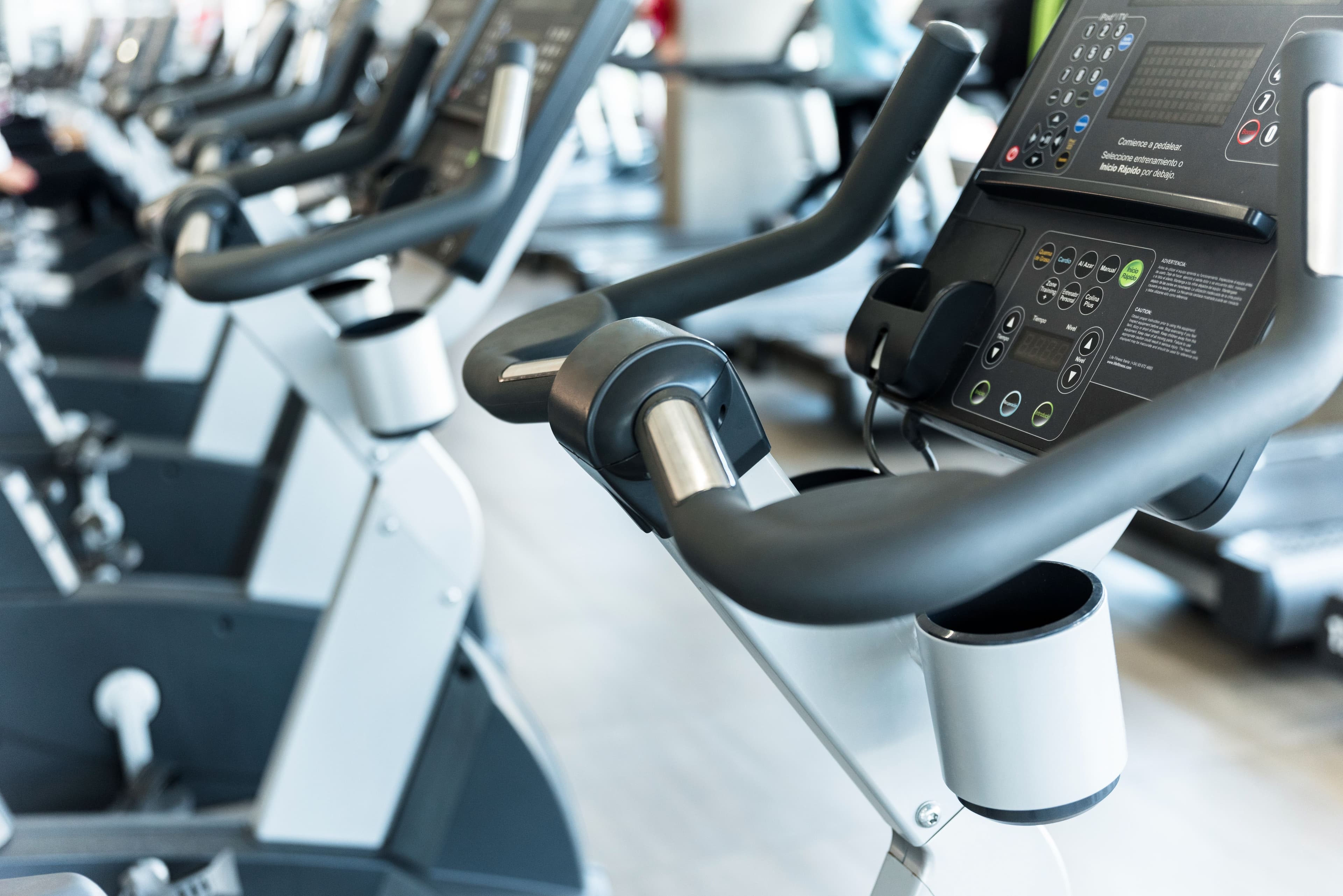
Mechanical and electronic equipment – Treadmills, exercise bikes, cross-trainers and weight machines should be checked for belts, pulleys, sensors, motors, rails and control panels. Unusual noises, vibrations, loose parts or excessive wear indicate the need for immediate maintenance.
Movement and stability systems – Items such as steel cables, weight machine pulleys and fixing bolts need to be checked regularly. Proper lubrication of moving components also reduces friction and prevents premature failures.
Physical environment and infrastructure – The floor should be non-slip and free of irregularities that could cause falls; lighting needs to be adequate in every corner of the gym; air conditioning and ventilation systems must work properly for greater user comfort.
Hygiene and cleanliness – Accumulated sweat, dust and dirt can accelerate equipment wear and create environments conducive to bacterial growth. Regular cleaning of the equipment and the space as a whole reduces this risk and improves the user experience.
These points are essential not only for preserving the equipment, but also for preventing hazardous situations that could result in injuries or even legal action following an accident.
Recommended maintenance schedule
Establishing a clear routine of inspections and maintenance helps turn one-off actions into a preventive plan that reduces the need for corrective repairs and increases the equipment's lifespan. An efficient schedule structure can be divided into short and medium-term stages:
Daily inspection: cleaning of contact surfaces and visual assessment of any visible damage;
Weekly inspection: functional testing of the main equipment, checking of bolts and cables, basic inspection for mechanical wear;
Monthly maintenance: lubrication of moving parts, detailed testing of electronic and mechanical systems, minor preventive adjustments and corrections;
Quarterly or half-yearly reviews: inspections by a specialist technician, replacement of worn parts, advanced calibration and a review of the whole gym.
This schedule can be adapted according to how frequently the space is used and the number of pieces of equipment, but a foundation of ongoing action ensures problems are detected early, before they worsen.
Guidance for residents: preserving the gym through good practice
Residents' cooperation in the gym's day-to-day use makes a real difference to the upkeep of the equipment and the maintenance of the space. Some useful recommendations include:
Cleaning equipment after use: leaving disposable wipes and hand sanitiser available encourages every user to clean treadmills, benches and surfaces after use.
Storing weights and accessories in the right place: dumbbells and other accessories left scattered about can cause premature wear on racks and make it harder to move around the space.
Avoiding improper use of the equipment: trying to force machines beyond the limits recommended by the manufacturer damages gears and electronic systems.
Reporting faults or unusual noises: when a piece of equipment behaves abnormally, notifying management immediately allows the problem to be resolved before it worsens.
Adopting these practices among users helps to reduce the natural wear of the equipment, lessens the need for corrective intervention and contributes to a safer, more pleasant environment.
How preventive maintenance cuts costs and extends lifespan
Investing in preventive maintenance is, in practice, a strategy that cuts costs over time and avoids unexpected gym shutdowns. Early detection of problems prevents a simple loose belt from causing greater damage to an electronic panel, for example, or a damaged component from suffering further under continuous use.
Studies by the US Department of Energy indicate that preventive maintenance can reduce emergency repair costs by up to 40% and extend equipment lifespan by several years compared with corrective maintenance alone. Planning, whether monthly, quarterly or half-yearly, helps turn unpredictable costs into predictable costs within the condominium's budget.
Well-maintained gyms represent an important asset for the residential community, promoting health, integration and greater overall satisfaction. The building manager's work in organising and recording maintenance not only protects the collective assets, but also strengthens trust and the sense that the residential complex is being well managed.
You may also like
- Dicas para Síndicos e PMES
 22/10/2026
 5m
5m - Casos de Sucesso20/10/20265m
- Dicas para Síndicos e PMES16/10/20265m





Stop paying more for your energy bill
Find out in less than 1 minute how much you could save with clean energy every month — no works and no bureaucracy.
Join the energy revolution
Subscribe to our newsletter and receive exclusive content