
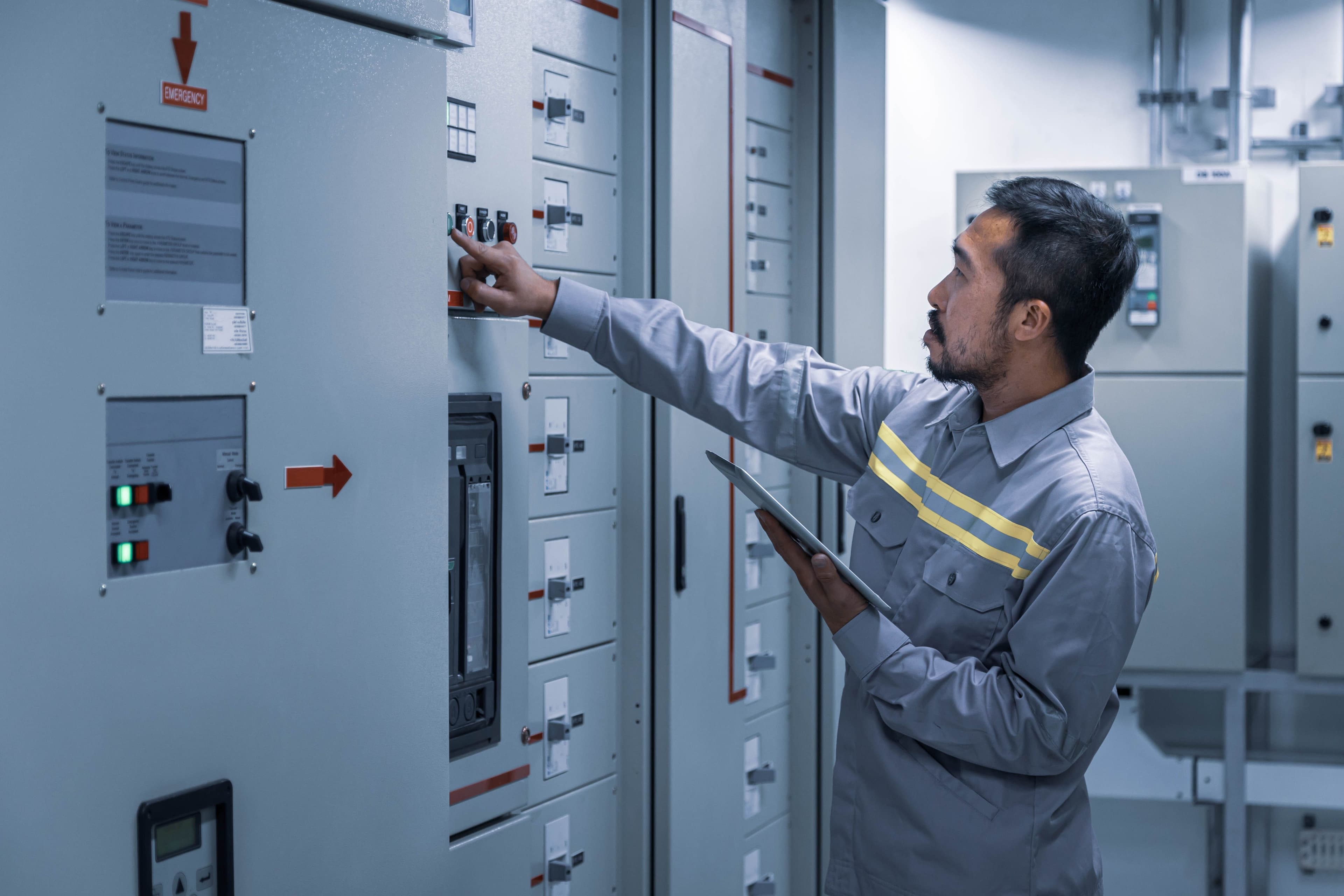
Machine Room Responsibilities and Safety
Machine Room Responsibilities and Safety
Dicas para Síndicos e PMES
 16/03/2026
 5 min
5 minThe operational complexity of contemporary residential complexes has transformed technical areas, once overlooked, into highly critical nerve centres. The machine room, understood as the space housing lift traction systems, booster pumps, fire pressurisation systems and electrical control panels, constitutes the technological heart of the building.
Managing this environment requires a multidisciplinary approach that integrates regulatory compliance, technical rigour in maintenance and a solid understanding of the civil and criminal liabilities inherent to building management. A property manager's distance from the procedures carried out inside the machine room does not exempt them from blame in the event of an incident. On the contrary, negligence regarding access control, technical cleaning and inspection frequency is often the catalyst for severe legal disputes and avoidable tragedies.
The regulatory framework and rules governing technical areas
Safety in environments operating under high electrical loads and significant mechanical forces is governed by a network of Regulatory Standards (NRs) and Brazilian Standards (NBRs) that set the minimum standards for protecting life and property. NR-10, which addresses safety in electrical installations and services, is the fundamental pillar for any intervention in the machine room. It establishes that all work carried out near energised parts must be preceded by a risk analysis and performed exclusively by legally qualified and trained professionals, with mandatory refresher training every two years.
In a residential complex context, this means that hiring unqualified handymen for repairs to control panels constitutes serious negligence, placing direct responsibility on the property manager for any electrical arc or fatal shock resulting from incompetence.
In addition, NR-12 focuses on safety in work involving machinery and equipment, requiring that moving parts, such as pulleys and pump shafts, have fixed or interlocked physical guards to prevent accidental contact. The integration of NR-10 and NR-12 is vital in technological modernisation (retrofit) projects, ensuring that automating the systems does not introduce new mechanical risks or earthing faults. The main applicable guidelines include:
NR-10 (Electrical Installations): Requires maintaining an Installation Records Handbook, continuous earthing and up-to-date single-line diagrams.
NR-12 (Machinery and Equipment): Requires physical barriers on moving parts and the installation of emergency stop systems.
NR-23 (Fire Protection): Establishes route signage, operational alarms and the availability of suitable extinguishers (CO2 or dry chemical powder).
NBR 15597 (Lift Modernisation): Governs the upgrading of older lifts to current safety standards.
NBR 16083 (Maintenance Instructions): Defines mandatory checklists and minimum qualifications for maintenance companies.
Failure to observe these standards not only creates a risk of accidents but also brings immediate financial impacts. Technical audits frequently identify non-conformities such as outdated electrical diagrams, panels without a padlocked main switch and the absence of a Technical Responsibility Record (ART) for work carried out. Such failures can result in the shutdown of machinery by the Ministry of Labour, refusal of insurance cover and fines that depreciate the building's market value.
Access control and physical security: Restriction protocols
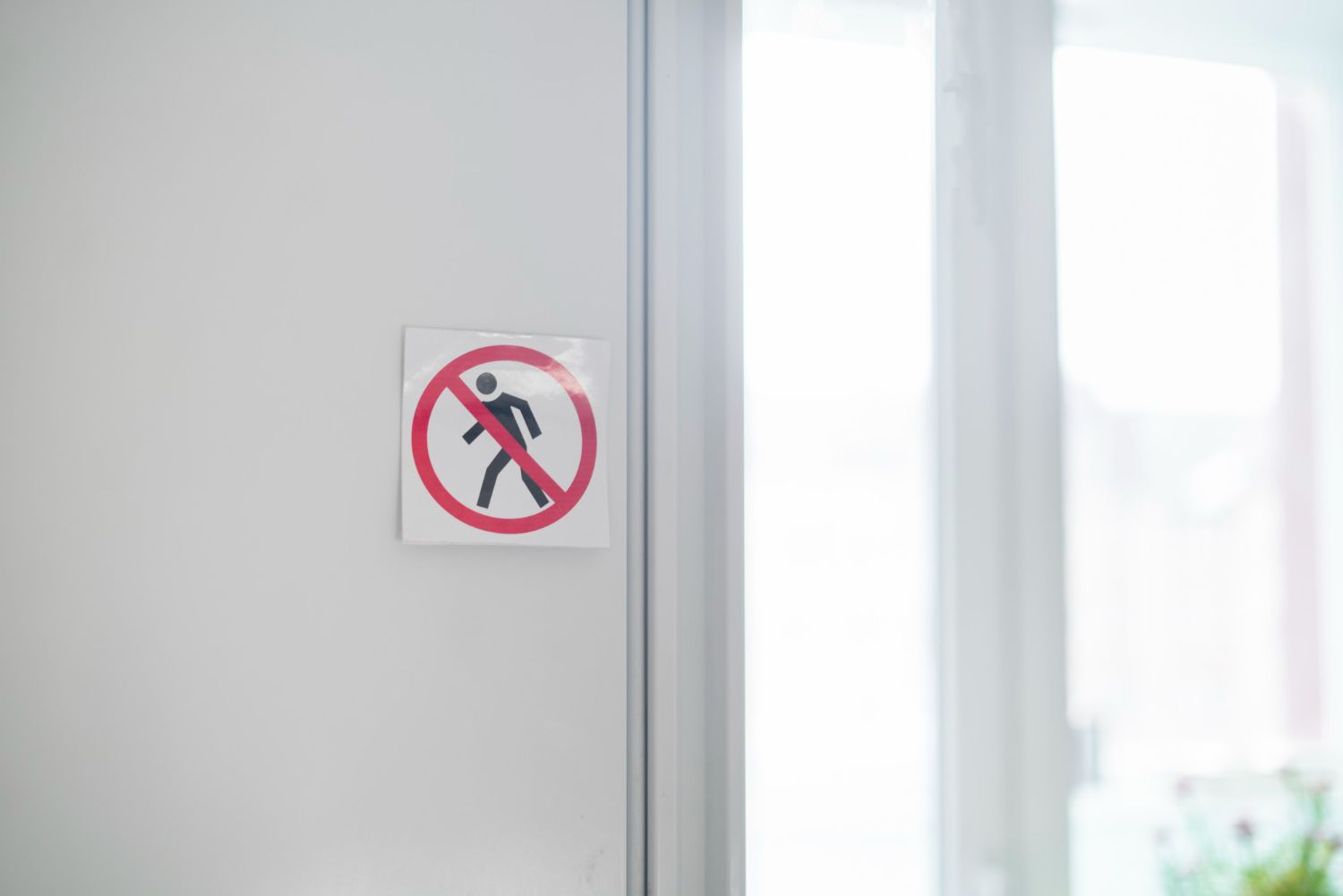
The machine room is legally classified as a restricted-access technical service area, and should not be accessible to the general public or even to residents without technical supervision. The property manager, backed by Article 1,348 of the Civil Code, has a duty of care over this area, which requires the implementation of robust physical and procedural barriers. Access must be strictly controlled and limited to qualified maintenance technicians, caretakers trained in basic visual inspections, and inspecting authorities.
In emergency situations, such as rescuing passengers trapped in lifts, the manager must ensure that the maintenance company has immediate, unimpeded access. Outside these critical situations, however, entry should be logged in a logbook or electronic log system, recording the time of entry, the professional responsible and the nature of the work carried out. The absence of such controls makes it harder to establish causal links in the event of breakdowns caused by improper operation or vandalism.
Monitoring and intrusion-detection technologies
To mitigate the risk of intrusion by children or curious residents, the use of technology is essential. Magnetic opening sensors fitted to machine room doors, integrated with the alarm system and monitored by the gatehouse or via an app, provide a layer of immediate response against unauthorised access. Passive infrared (PIR) sensors can monitor the interior of the room, detecting human movement at times when no maintenance is scheduled.
The application of artificial intelligence (AI) in CCTV (Closed-Circuit Television) allows the system to "understand" suspicious behaviour near technical areas. Smart cameras can be programmed to issue automatic alerts if they detect unaccompanied minors on technical access routes, allowing the security team to intervene before access is gained. This technological proactivity is essential to prevent tragedies, such as contact with exposed wires or falls into lift pits, which result in severe liability for management due to a failure in the duty of vigilance.
Improper use as storage and the associated risks
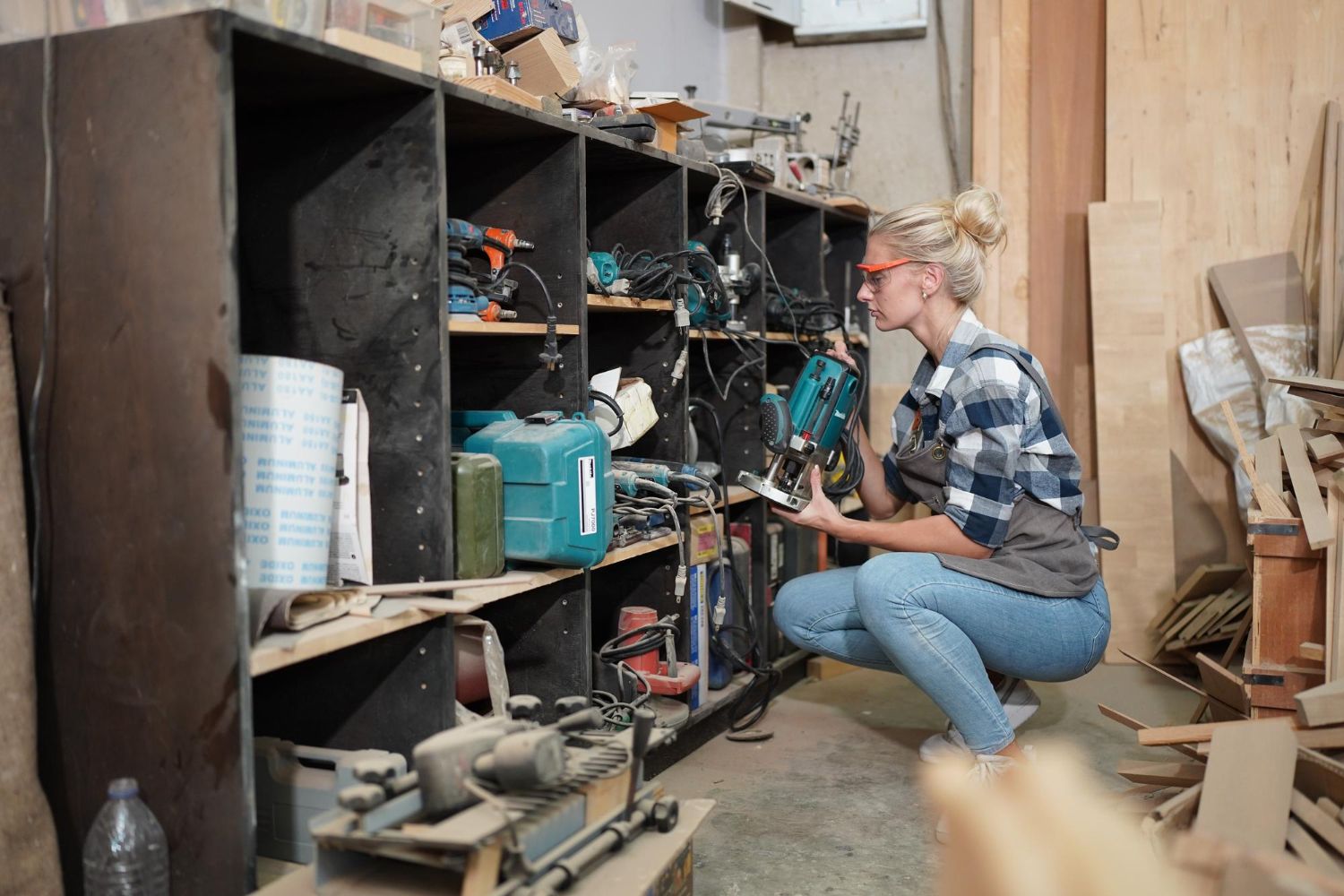
A recurring administrative failing in residential complexes is the transformation of the machine room into a makeshift storeroom for building materials, old furniture, archived documents and chemical supplies. This practice, driven by a lack of space, breaches multiple safety principles and drastically reduces the equipment's service life. The accumulation of objects unrelated to the machinery's operation blocks natural ventilation routes, which are essential for dissipating heat from traction motors and frequency inverters.
According to NBR NM-207, the machine room must operate at a controlled temperature, preferably below 40ºC. Blocked airflow causes overheating, which degrades wire and cable insulation, increasing the risk of electrical fires.
Furthermore, the presence of flammable items such as cardboard and fabric near electrical panels creates a fire load that, in the event of a short circuit, can spread fire to lower floors through the lift shaft, acting as a thermal chimney. The risks by object category include:
Pool Supplies (Chlorine): Highly oxidising chemical gases that corrode electrical contacts and weaken traction cables.
Paints and Solvents: Risk of explosion and fire due to vapours being ignited by sparks from motors in poorly ventilated environments.
Files and Paper: Increased fire load, allowing flames to spread rapidly in the event of an electrical fault.
Furniture and Rubble: Physical obstruction that hinders evacuation and prevents teams from quickly accessing equipment for emergency repairs.
Chemical hazards and accelerated corrosion
Storing chemical products in the machine room is particularly dangerous. Paints and solvents release vapours that, in confined spaces, can reach explosive concentrations in the presence of sparks from electric motors. The danger is amplified by the common practice of storing chlorine and other oxidising agents used for pool treatment.
These chemical gases are highly corrosive; when drawn in by the machinery's forced ventilation systems, they attack printed circuit boards and oxidise traction cables. Chemical corrosion of cables is an invisible risk that can lead to structural failure, a catastrophic event whose legal consequences for the property manager are devastating, potentially being classified as manslaughter through omission.
Preventive, predictive and corrective maintenance
A building's operational sustainability depends on a maintenance strategy that minimises downtime and maximises user safety. The lack of preventive maintenance is the root cause of approximately 66% of accidents in urban buildings. In the machine room environment, the property manager must manage three levels of technical intervention.
The preventive maintenance, established by NBR 5674, consists of scheduled actions based on time or usage to prevent failures from occurring. This includes monthly lubrication of lift guides, and inspection of brakes and control panels by certified companies. In turn, predictive maintenance uses condition-monitoring technology, such as vibration sensors on pump motors and thermographic analysis of electrical panels, to identify functional anomalies before a breakdown occurs. Finally, corrective maintenance should be regarded as an exceptional measure, requiring emergency response contracts that guarantee the safe restoration of service within minimum timeframes.
The LOTO protocol in workplace safety
Every maintenance activity in the machine room must be carried out under the LOTO protocol (Lockout/Tagout or Lockout and Tagging). This procedure, required by NRs 10 and 12, consists of physically isolating energy sources (switching off breakers and closing valves) and applying lockout devices with padlocks and warning tags.
The purpose is to prevent equipment from being accidentally switched on while a technician is carrying out repairs in hazardous areas. Accidents caused by improper re-energisation are often fatal and generate joint liability between the residential complex and the service provider if the safety procedures were not overseen by management.
Technical hygiene and environmental cleaning

Cleaning the machine room is not a conventional cleaning service; it is a technical procedure that affects the reliability of the systems. The accumulation of mineral dust and textile fibres acts as an unwanted thermal insulator on motors and electronic components, causing overheating. Furthermore, in humid environments, accumulated dirt can become conductive, facilitating current leakage and short circuits.
Specific procedures for panels and surfaces
Cleaning electrical panels must be carried out with the power switched off, using industrial vacuum cleaners with soft-bristle nozzles to remove settled dust. Compressed air should be avoided or used with extreme caution, so as not to push dirt into components that are sensitive or cause electrostatic discharges. In cases of oxidation or heavy soiling, dielectric solvents should be applied, products with high dielectric strength (up to 40,000V) that leave no conductive residue or moisture.
For the technical flooring, the use of hoses and buckets is strictly prohibited due to the risk of seepage into lift pits and splashes onto energised equipment. Cleaning should be done with damp mops and neutral detergents, ensuring the environment remains dry. Maintaining the epoxy floor coating is a recommended measure to prevent concrete dust from coming loose, making cleaning easier and reducing wear on bearings and gears.
Civil and criminal liability of the management
The property manager holds the position of legal representative and administrator of the collective property, which gives them an objective duty of care over the common areas. Under Brazilian law (the Civil Code and the Criminal Code), a failure to ensure the upkeep and safety of the machine room constitutes negligence, recklessness or incompetence, the three faces of legal fault.
Civil liability entails the obligation to compensate for material and non-material damages caused to residents, staff or third parties as a result of accidents in the technical area. Recent case law shows that residential complexes and maintenance companies are frequently held jointly liable in cases of lift accidents caused by inadequate maintenance or doors left unlocked. Criminal liability, in turn, arises when administrative omission results in bodily harm or death, with the property manager potentially being held personally liable for negligent offences if it is proven that they were aware of risks (such as exposed wiring or lack of signage) and failed to act to resolve them.
Technological frontiers: Energy efficiency and 5.0 monitoring
Modernising machine rooms is not limited to mechanical safety, but extends to financial efficiency and environmental sustainability, aligning management with ESG criteria (Environmental, Social and Governance). Electricity consumed by pumps and lifts can account for up to 25% of a residential complex's ordinary expenses. In this scenario, solutions such as clean energy by subscription from NewSun Energy Group emerge as a strategic alternative to cut costs without the need for structural works or on-site maintenance.
This distributed generation model allows the residential complex to use energy credits produced at remote green power plants, delivering not only progressive savings but also stabilising electricity costs. Management of these resources is centralised on digital platforms such as the Energy Club, which gives the property manager full transparency over consumption and credits applied, making it easier to report to residents at meetings.
Find out more about our Solutions for Residential Complexes.
The era of telemetry and predictive AI
The integration of telemetry systems allows the machine room to become a 5.0 monitoring environment. Sensors connected to the Internet of Things (IoT) monitor pump flow rates, instantaneous energy consumption and bearing vibration levels in real time. AI algorithms analyse this data to detect early failure patterns, allowing maintenance teams to intervene before a mechanical jam or water leak occurs. This shift from reactive to predictive maintenance not only increases operational safety but also avoids unexpected extra levies for costly emergency repairs.
Conclusion and guidelines for safe management
The machine room is the technological foundation of the residential complex, and its management must be treated with the rigour of an industrial operation. The property manager's responsibility goes beyond bureaucratic matters, requiring the implementation of safety protocols that shield the building from physical and legal risks. To safeguard the integrity of the system, management should adopt the following key guidelines:
Full Regulatory Compliance: Ensure that installations meet NRs 10, 12 and 23, keeping the Electrical Installation Records Handbook and the Fire Department Inspection Certificate (AVCB) always up to date.
Strict Access Control: Implement high-security physical barriers and electronic monitoring systems with entry logging for technicians, and absolute restriction for residents and children.
Zero Tolerance for Improper Storage: Ban the use of the machine room as a storeroom, immediately removing combustible materials, rubble and corrosive chemical agents that compromise the machinery's service life.
Community Education and Transparency: Use communication channels and meetings to inform residents about the risks of technical areas and the impact of preventive maintenance on property value and collective safety.
Adoption of Efficiency Technologies: Explore sustainable savings models, such as energy by subscription and predictive monitoring via telemetry, aimed at reducing operating costs and mitigating catastrophic failures.
By embracing these principles, the property manager protects not only their own legal standing and freedom, but ensures a harmonious, safe and technologically enhanced living environment for all residents and staff of the development.
You may also like
- Casos de Sucesso
 20/10/2026
 5m
5m - Dicas para Síndicos e PMES16/10/20265m
- Dicas para Síndicos e PMES13/10/20265m




Stop paying more for your energy bill
Find out in less than 1 minute how much you could save with clean energy every month — no works and no bureaucracy.
Join the energy revolution
Subscribe to our newsletter and receive exclusive content