
Lift Modernisation: Savings and Efficiency
Lift Modernisation: Savings and Efficiency
Dicas para Síndicos e PMES
 29/05/2026
 5 min
5 minManaging a residential or commercial building increasingly requires a property manager to adopt the posture of a corporate manager. Handling rising expenses, dealing with the maintenance of ageing structures and balancing the interests of dozens or hundreds of residents are complex tasks that demand long-term strategic planning. In recent years, one of the main villains of the building's budget has been the cost of electricity, driven by frequent tariff increases and the need to keep robust equipment running around the clock. Faced with this challenging scenario, managers and administrators look for viable alternatives to optimise available resources and promote healthy, sustainable financial management by focusing on efficiency. As the search for energy efficiency reduces costs, investing in efficiency becomes a priority. Every strategic investment focused on efficiency brings immediate financial relief to the building's coffers.
A large share of a building's electricity consumption is concentrated in its common areas, where the lighting system, water pumps and lifts run continuously. To keep the machinery running smoothly, the building often finds itself locked into rigid supply contracts and outdated equipment that consumes far more than necessary. The search for energy efficiency has stopped being merely an isolated environmental concern and has become an urgent economic necessity. Reducing waste in shared areas means easing the service charge paid by every resident, generating a direct positive impact on the wallets of the whole community. To improve transport, analysing the equipment and its efficiency is essential. Lifts require constant efficiency, since inefficient equipment generates excessive expenses. Therefore, assessing the lifts and pursuing efficiency in these systems is the best investment a property manager can make.
To achieve a genuine reduction in costs, the property manager needs to look at the heaviest assets in the building's infrastructure. It is essential to assess where energy is being wasted and which outdated technologies can be replaced with modern solutions. Focusing only on small actions, such as changing light bulbs, although important, does not solve the structural problem of high consumption. Courage and strategic vision are needed to tackle major infrastructure projects. Making a significant investment in technological improvements may seem daunting at first, but it is the safest path to ensuring the financial sustainability of the shared property in the medium and long term. This initial investment converts into a gain in asset value. Investing in modernisation is a smart investment, one that protects the building. After all, every investment in infrastructure represents an investment in safety.
The role of lifts in common-area energy consumption
When we look closely at the electricity bill of a residential tower, it becomes clear that the vertical transport system tops the list of the biggest consumers. Lifts account for a significant share of the total consumption of common areas, reaching as much as forty per cent of this expense in older buildings. This impact occurs because these lifts operate under severe cycles of load, braking and constant acceleration throughout the day and night. Keeping these old lifts fully operational demands a massive amount of electricity, especially during peak hours, when the flow of residents entering and leaving using the lifts reaches its maximum. Assessing the efficiency of these lifts is essential, since old lifts suffer from chronic energy inefficiency.
Many buildings still use lifts installed two or three decades ago, whose traction and control systems were designed at a time when energy was cheap and technological resources were limited. These old lifts run on single-speed direct-current or alternating-current motors, which generate enormous surges in electrical current with every start made by these lifts. This mechanical and electrical behaviour of the equipment causes significant wear on components and results in a continuous waste of energy in the form of heat. Without technology focused on efficiency, the building keeps paying dearly for equipment that converts much of the electricity consumed into thermal losses and unnecessary vibration. The pursuit of efficiency in lifts transforms the routine, bringing real technical efficiency and operational efficiency.
Beyond the technical waste, heavy and disorganised passenger traffic further worsens energy consumption. Lifts that make unnecessary trips or cabins that respond to calls inefficiently generate premature wear and increase the amount of the electricity bill at the end of the month. For the property manager, understanding the direct relationship between the technological condition of the equipment and the total cost of energy expenditure is the first step towards proposing effective structural changes. Without this understanding, any effort to save money in other common areas will be wiped out by the financial weight of outdated, energy-hungry equipment. Modernising this equipment improves the building's efficiency, permanently combining efficiency with savings.
What does modernising lifts actually mean?
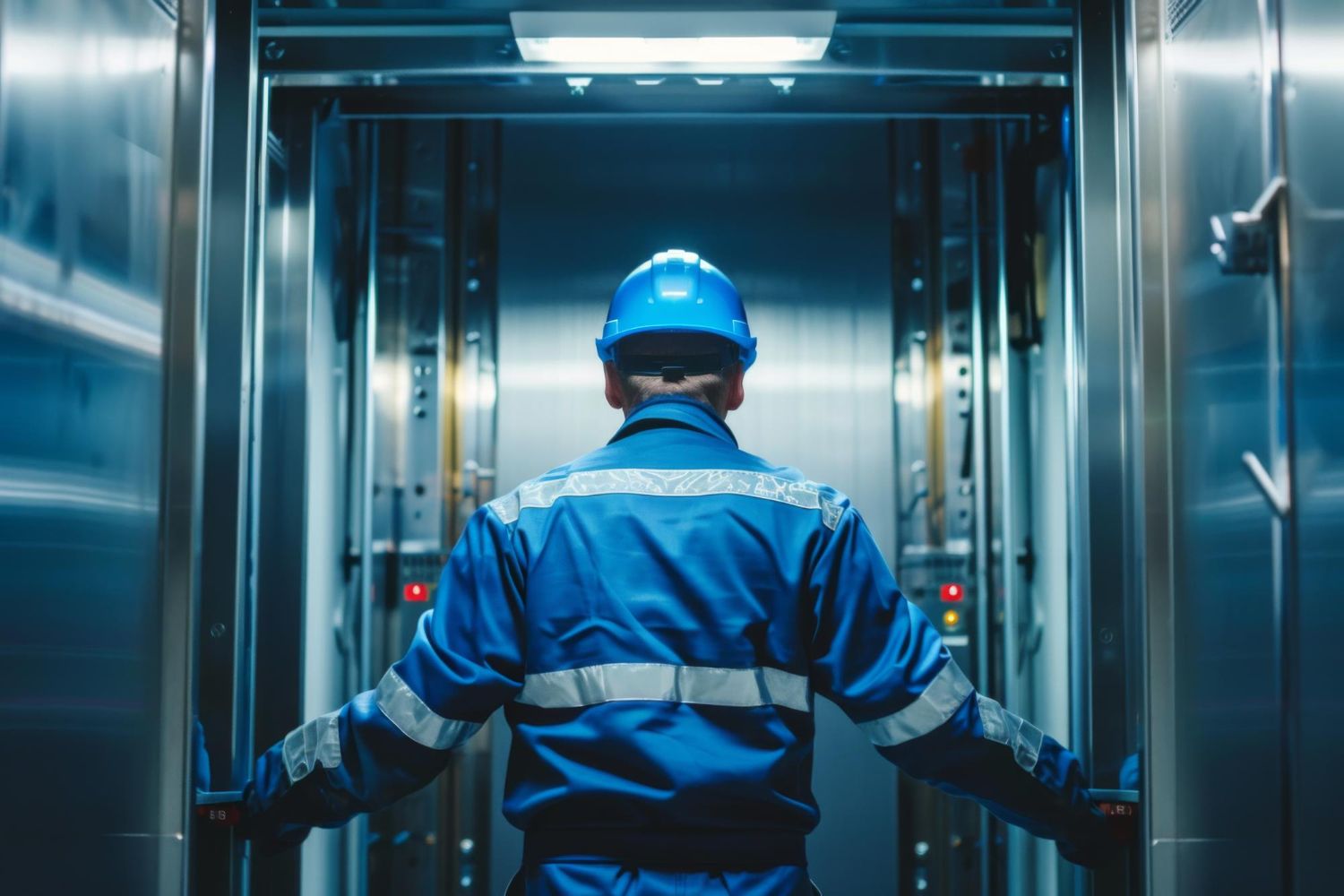
Many managers and residents confuse lift modernisation with a simple cosmetic refurbishment of the cabin, such as replacing mirrors, flooring or wall panelling. However, the technical modernisation process for lifts goes far beyond visual appearance. It is a deep upgrade of the intelligence and mechanics the equipment requires. At the heart of this transformation is the replacement of the old electromechanical control panels with the latest generation of microprocessor-based electronic systems that control the lifts. These new electronic brains control the operation of every lift with pinpoint precision, optimising the lifts' travel routes, smoothly controlling speed and managing the calls of the users who depend on this equipment.
Another fundamental pillar of modernisation aimed at efficiency is the replacement of the motor and traction machine with high-technology models that deliver extreme efficiency. These modern motors work together with VVVF-type frequency inverters, guaranteeing full energy efficiency. This completely eliminates power surges at start and stop, providing smooth acceleration and controlled deceleration that raises the system's efficiency. Besides drastically cutting electricity consumption through this efficiency, this technology offers unmatched smoothness of movement and comfort to passengers, eliminating the uncomfortable jolts common in systems without this efficiency. Mechanical efficiency goes hand in hand with cost efficiency.
In practice, modernising the lifts also means installing intelligent LED lighting systems inside the lift cabins, which switch off automatically when the lifts are idle. It also includes implementing regenerative energy systems in the lifts, an innovative technology that converts the mechanical energy generated by the lifts during braking or while descending with a full cabin into electricity the building itself can use. This process therefore represents a comprehensive investment in the building's technological upgrade, turning noisy, inefficient lifts into smart, economical and safe lifts. This strategic investment enhances the property's value.
The pros of investing in upgrading the vertical transport system
The decision to carry out the technological modernisation of all the lifts brings a series of significant advantages that justify the financial outlay and the investment made by the building. The main benefit of this investment is, without doubt, the gain in energy efficiency, which translates into an immediate and permanent reduction in the electricity consumption of common areas. This efficiency gain can range from thirty to fifty per cent of the specific expense generated by the equipment, considerably easing the administration's monthly cash flow through this efficiency gain. By spending less on energy thanks to this efficiency, the building gains financial breathing room and the investment is justified. Every investment that generates efficiency delivers a fast return on the investment made.
In addition to the direct financial savings generated by the investment, user safety increases substantially with the installation of modern electronic components in all the lifts. Systems with precise floor levelling prevent steps at the lift doors, while modern door sensors ensure no one gets hurt. There is also a drastic reduction in the rate of equipment breakdowns due to technical failures, which reduces the stress of residents who use the lifts daily. The property's appreciation in value is another direct outcome of this type of investment in transport infrastructure. This investment adds value to the building, being both a safe investment and a highly profitable investment for the owners.
Modernisation brings the following direct benefits to the building:
A significant reduction in electricity consumption through the efficiency gained from new lifts;
A significant increase in user safety with precise levelling systems in the lifts;
Financial savings through reduced expenses, validating the investment in new components;
Immediate commercial appreciation of the flats thanks to the excellent investment made in the equipment;
Superior comfort and real efficiency gains, eliminating noise from the cabin motors.
The cons and financial challenges of this major step
Despite all the clear advantages in efficiency and savings, lift modernisation also presents complex challenges that the property manager needs to analyse with extreme caution before starting this investment. The main obstacle to this investment is the high amount of financial outlay required to carry out the work on the machinery. Being a large-scale investment in the equipment, it requires strict financial planning, which often forces the building to introduce extended special levies, making the investment a sensitive topic. Assessing this investment requires care, as the investment affects the pockets of the co-owners, requiring long instalment plans to make the investment feasible.
Another point that causes considerable friction and internal complaints is the logistical disruption caused by the works carried out on the building. The modernisation process requires each piece of equipment to be taken completely out of service for an extended period. In buildings with only two lifts, this means residents will have to share a single lift for weeks, creating long queues and testing the patience of everyone who uses the equipment. If the building has only one lift, the challenge becomes even greater, requiring complex logistics to operate the cabins fairly. Balancing the temporary loss of efficiency with the promise of future efficiency is the manager's role.
The main challenges and points of attention for the project can be highlighted as follows:
High initial financial cost, requiring planned investment and extra levies from the co-owners;
Temporary shutdown of the equipment, directly affecting circulation and the efficiency of daily flow;
Risk of contract addenda that increase the total investment initially planned for the equipment;
Need for rigorous oversight so that the investment delivers the promised efficiency on schedule;
Potential increase in noise in common areas during the physical replacement of the old equipment.
Clear signs that the time has come to make the investment
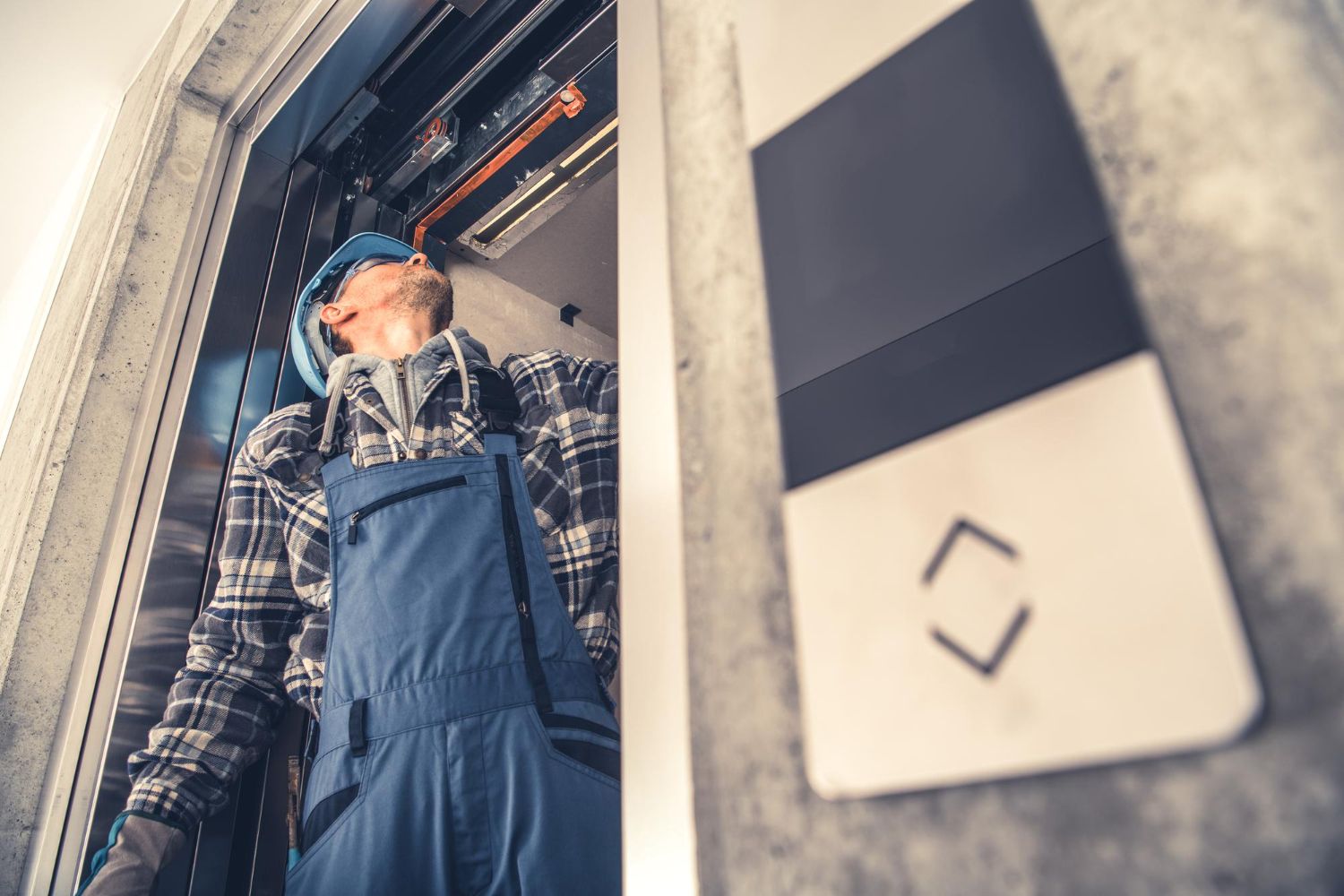
Knowing the exact moment to propose modernisation and make the investment in the system is one of the great dilemmas faced by property managers. Waiting for the equipment to break down for good is not a viable option, as it puts everyone's safety at risk and generates excessive emergency costs without delivering any efficiency. The first clear sign that the equipment needs this investment is the high frequency of daily faults and unexpected technical breakdowns suffered by the cabins. If the building needs to call in the maintenance company several times a week to fix the cabins, it is clear the equipment has reached its limit and requires urgent investment to restore its efficiency.
Another strong technical indicator that the investment is necessary is the growing difficulty in finding suitable replacement parts for the equipment on the market. When the original manufacturer discontinues parts for the equipment, the waiting time for repairs increases dramatically, leaving residents without lift access for days or weeks. Furthermore, the cost of these one-off corrective repairs on the equipment starts to weigh so heavily on the budget that it exceeds the value of the instalments for a structured investment in efficiency. The property manager should monitor these machinery costs closely to demonstrate that postponing the investment will bring even less efficiency and more expenses in future.
Watch out for the following practical indicators of system wear:
Frequent equipment breakdowns, signalling that the equipment has lost its reliability and efficiency;
Constant misalignment between the lift cabin and the floor level, requiring investment in repairs;
Excessive noise coming from the lifts, along with violent jolts that call for corrective investment;
Continuous rise in lift-related expenses, justifying bringing the investment in efficiency forward;
Widespread complaints from residents about the lifts, highlighting the chronic lack of efficiency.
Planning and quoting: How to budget for modernisation without straining the building's cash flow
After identifying the genuine need to modernise the lifts and secure greater efficiency, the property manager should begin a detailed planning phase to structure this investment. The first recommended step to ensure the efficiency of the process is hiring an independent technical consultancy. This specialist will issue a thorough technical report pinpointing exactly which lift components need immediate investment to restore efficiency and safety, and which can be reused to save resources. This document will serve as a standard guide, ensuring the investment is directed with total efficiency and transparency.
With the technical report in hand, the manager should request commercial proposals detailing the lifts from at least three established companies. It is essential to assess not only the final price quoted for the lifts, but also the technical specifications geared towards efficiency, the execution timelines and the guarantees of the investment. The property manager should analyse the available payment terms for this investment, seeking to negotiate long instalment plans that align with the schedule of works on the lifts, thereby avoiding the need for huge lump sums that could undermine the building's financial efficiency. Every penny of the investment should focus on efficiency.
When analysing the quotes for the lifts, it is prudent to check whether the proposed systems use open technology that facilitates future maintenance of the lifts. This ensures that the efficiency gained from the investment is not lost due to abusive, exclusive maintenance contracts. Financial planning for the lifts should also include a contingency margin of around ten per cent of the total investment value to cover any unforeseen issues in the structures involved with the lifts, ensuring the investment proceeds with maximum administrative efficiency and no surprises for the building's finances.
Strategies to present the project and secure approval at the general meeting
Approving a large-scale financial investment for lift modernisation requires the property manager to have an excellent strategy for communication and active transparency. Many excellent projects focused on energy efficiency fail at building meetings simply because residents do not understand the financial return and the efficiency the investment will bring to the lifts. To prevent the general meeting from rejecting the investment in the lifts, the manager should prepare well in advance, turning complex technical data into simple language about the efficiency of the lifts and the return on investment, demonstrating the real value behind every penny spent.
Days before the general meeting called to decide on the investment in the lifts, the property manager should distribute a detailed information sheet to the owners about the expected efficiency. On the day of the meeting, the presentation should focus primarily on the safety and efficiency the new lifts will bring to the building. Showing simple charts demonstrating the projected savings on the electricity bill achieved through the lifts' efficiency helps co-owners see the investment as a necessary and smart step. Showing that the investment pays for itself over time through the efficiency it generates is the key to overcoming every objection.
To secure engagement and unanimous approval from those present, use the following communication tactics:
Present the independent technical report to legitimise the urgency of the investment in the lifts and its efficiency gains;
Show comparative images of similar projects, highlighting the efficiency of the new lifts and the success of the investment;
Transparently detail all the options for funding the investment, prioritising budget efficiency;
Explain in detail how the lift shutdown logistics will work to maintain the efficiency of resident flow;
Make room for everyone to ask questions about the investment, link
ing every cost to the future efficiency of the lifts.
NewSun Energy: Clean energy subscription and predictability for your building
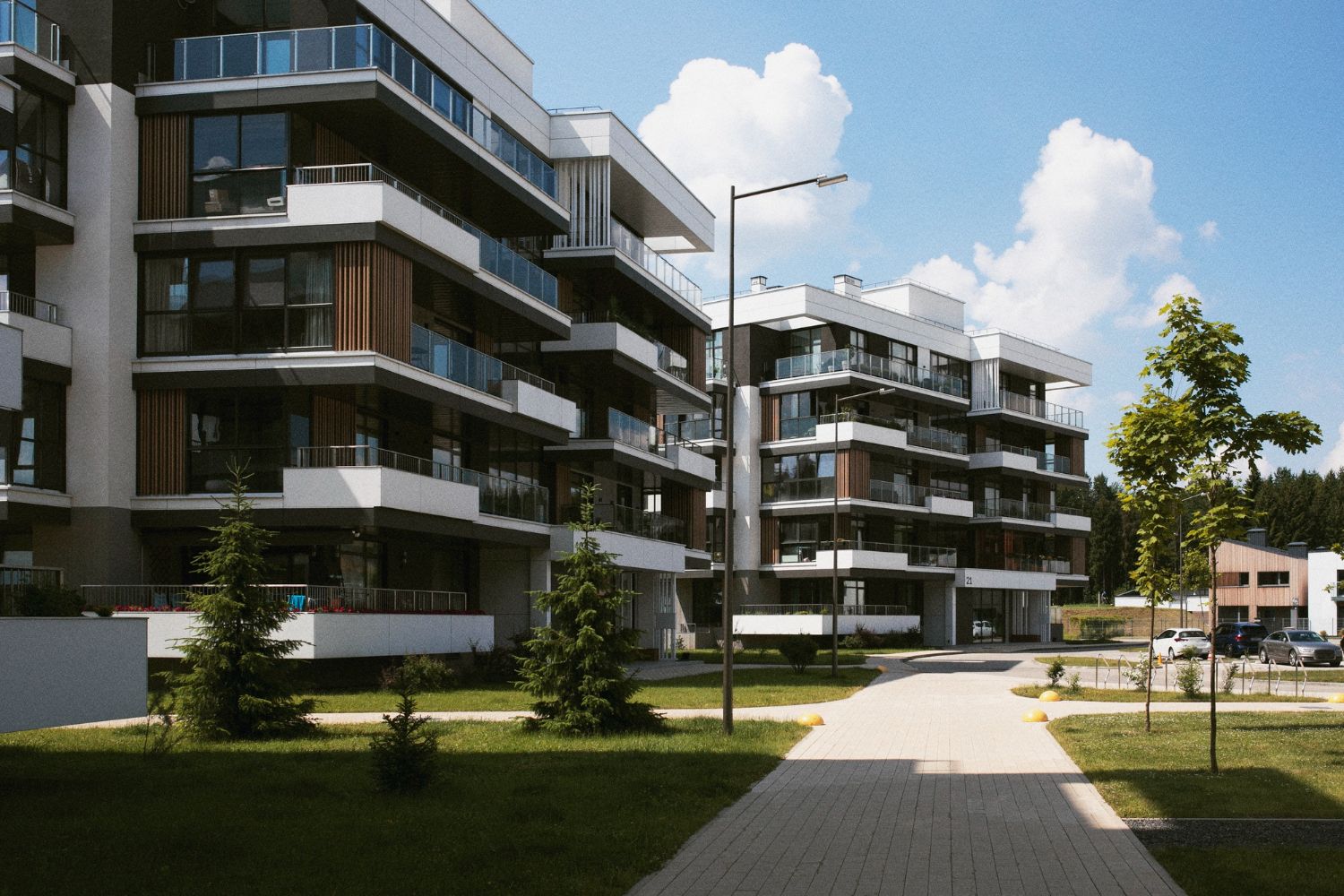
While the building plans or carries out the investment in the technological modernisation of its lifts to achieve greater efficiency, there is an equally smart and immediate way to reduce energy costs without needing to make any upfront financial outlay or carry out complex works in common areas. The clean energy subscription offered by NewSun Energy Group emerges as the perfect solution for property managers seeking maximum efficiency and guaranteed savings. Through this innovative model, the building starts consuming electricity generated from renewable, sustainable sources, obtaining direct discounts on its traditional energy bill in a completely hassle-free way.
The major differentiator of NewSun's clean energy subscription model is that it stabilises the electricity bill for the building's common areas, complementing the efficiency gained from lift modernisation. This stabilisation brings enormous relief to the property manager's budget planning, eliminating unpleasant surprises at the end of the month and boosting the return on the infrastructure investment. In addition, the service fully shields the building's account against the financial impact of fluctuations in tariff bands (red or yellow), which tend to make electricity more expensive during prolonged dry spells. In this way, the administration secures progressive savings throughout the entire contract, freeing up more resources for new investments.
Alongside the real financial savings, NewSun Energy Group stands out in the market for offering genuinely human, approachable and responsive service, doing away with the cold bureaucracy typical of traditional utility companies. The building also gains exclusive access to the digital platform NewSun Energy Club, a modern energy management tool designed for detailed, real-time tracking of the building's entire spending and consumption. Through NewSun Energy Club, the property manager has complete control over the building's energy performance right at their fingertips, combining cutting-edge technology with sustainability to boost the operational efficiency of their management and closely monitor the efficiency of their new lifts.
Find out how we turn clean energy into advantages for your building.
The future of residential buildings: Sustainability combined with property appreciation
The property market is undergoing a profound cultural shift, where sustainability criteria and operational efficiency have become decisive factors in choosing a property for living in or investing in. Today's buyers are far more conscious and demanding, valuing buildings that adopt environmentally responsible practices and that have intelligent infrastructure capable of curbing the waste of natural resources. In this new landscape, buildings that insist on keeping outdated lifts and outmoded energy management methods lose ground in the market, suffering progressive commercial devaluation of their individual units due to a lack of investment in efficiency.
The pursuit of solutions that combine reduced environmental impact with real financial gain is a global trend that is here to stay. When a property manager decides to modernise the vertical transport system and, at the same time, adopts modern solutions such as a renewable energy subscription, they position the building at a higher level of modernity and environmental and social responsibility, reaping the rewards of a sound investment in efficiency. This strategic positioning attracts new, qualified residents and raises the market value of the entire shared property, turning the building into a benchmark for efficiency in its area through modern, sustainable lifts.
Investing in the modernisation of shared infrastructure is, therefore, about creating a shield of asset protection against urban obsolescence. Buildings that prepare today for the energy challenges of the future will be the most resilient, economical and sought-after in the property market in the years ahead, justifying every investment made in lifts and electrical systems. The transition to a greener, smarter operating model is not just an appealing marketing edge, but an essential strategy for economic survival for any community that wants to maintain the relevance, safety and liquidity of its property assets in the long term with total efficiency.
Making strategic decisions for successful management
Successfully concluding a building's administration requires the property manager to have the courage to propose structural investments that break the cycle of emergency spending and invisible waste. The technical and aesthetic modernisation of lifts represents a watershed moment in the management of any residential or commercial building, consolidating the commitment to energy efficiency, user safety and the real appreciation of the assets of every owner who supported this investment. Although the initial financial challenge is significant, the economic return generated by the ongoing reduction in electricity bills and operating costs fully justifies carrying out this major investment in efficiency.
By aligning the modernisation of mechanical systems with the smart use of financial and environmentally friendly solutions, such as an energy subscription, the property manager creates an exemplary, sustainable, high-performance administrative model focused on efficiency. The path to success requires careful planning, rigorous market quotes for the lifts and transparent communication with the community of residents during general meetings to approve the investment. By taking on the role of leader of this technological transformation of the lifts, the property manager leaves behind a lasting legacy of savings, comfort and efficiency that will benefit everyone through this investment.
You may also like
- Casos de Sucesso
 20/10/2026
 5m
5m - Dicas para Síndicos e PMES16/10/20265m
- Dicas para Síndicos e PMES13/10/20265m




Stop paying more for your energy bill
Find out in less than 1 minute how much you could save with clean energy every month — no works and no bureaucracy.
Join the energy revolution
Subscribe to our newsletter and receive exclusive content