

LGPD in Condominiums: How to Adapt Biometric Registration and Image Capture at the Concierge Desk
LGPD in Condominiums: How to Adapt Biometric Registration and Image Capture at the Concierge Desk
Dicas para Síndicos e PMES
 14/09/2026
 5 min
5 minDigital transformation has arrived definitively in condominiums. Today, it is increasingly common to find concierge desks with facial recognition, biometric registration, smart cameras, integrated access systems and digital visitor management platforms. These tools have brought important gains in security, speed and operational control, reducing human error and helping to protect property.
However, alongside these benefits came a responsibility that many condominiums are still learning to manage: the protection of personal data collected daily at the concierge desk.
Every time a visitor provides their identity document, registers a photograph, supplies biometric data or has their image captured by monitoring cameras, sensitive information is stored and processed by the condominium or by third-party companies hired to provide this service. When this process is not conducted correctly, the risks of leaks, misuse of information and legal liability increase significantly.
In this context, the General Data Protection Law (LGPD) has come to play a central role in condominium management. More than a legal obligation, it represents a set of good practices that help protect residents, visitors, service providers and the condominium itself against problems that could affect its reputation and security.
What is the LGPD and why does it affect condominiums?
The General Data Protection Law (LGPD), established by Law No. 13,709/2018, created rules for the collection, storage, use, sharing and deletion of personal data in Brazil.
Its main objective is to ensure that citizens’ information is processed transparently, securely and only for legitimate and necessary purposes.
Although many people associate the LGPD only with large technology companies or financial institutions, the law also applies to condominiums. This is because condominiums collect and store various types of personal data in their daily activities.
This information includes:
Residents’ registration data;
Visitor records;
Security camera images;
Biometric data used for access control;
Service providers’ information.
In practice, whenever a condominium collects, stores or consults information that makes it possible to identify a person, it assumes responsibilities related to the protection of that data.
Why biometric data requires special attention

Not all personal data has the same level of sensitivity. The LGPD classifies biometric information as sensitive personal data. This means it requires additional protective measures because it can directly affect individuals’ privacy, security and rights. Unlike a password or an access card, a biometric characteristic cannot simply be changed in the event of a leak. If a fingerprint, for example, is compromised by a security failure, the data subject cannot replace it as they would with a password.
For this reason, facial recognition systems, fingerprint readers and other biometric technologies require strict criteria for collecting, storing and protecting data. When poorly implemented, these systems can create vulnerabilities that affect not only registered visitors, but also residents, employees and service providers who circulate through the condominium every day.
The risks of poorly managed biometric registration
Many condominiums invest in advanced access technologies without properly assessing the level of protection offered by suppliers. The result is that physical security increases, but digital security remains vulnerable. Inadequate management of biometric data can lead to problems such as unauthorised access to registrations, improper sharing of information, storage without adequate protection and even use of the data for purposes other than those stated at the time of collection.
In addition to legal and financial losses, there is an even greater concern: the exposure of residents’ and users’ circulation routines. Depending on how the systems are structured, information about entry and exit times, visit frequency and movement patterns may be stored for long periods. If this information is accessed by unauthorised people, it may pose a risk to users’ privacy and security. For this reason, the protection of biometric data must be treated as an integral part of the condominium’s security strategy and not merely as a legal requirement.
How to assess whether a biometric concierge system complies with the LGPD
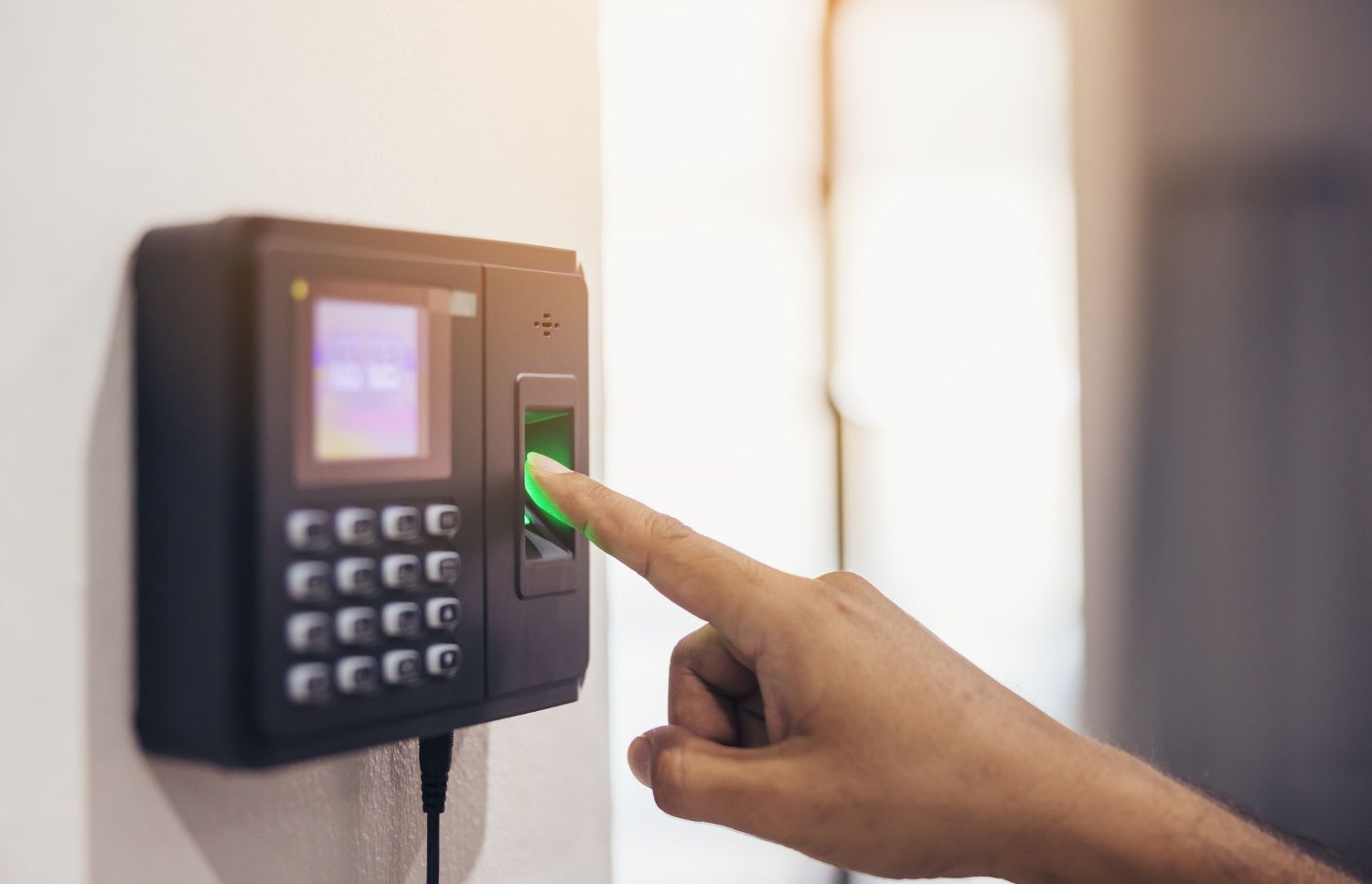
The hiring of a concierge system should not consider only features, access speed or implementation cost. The supplier’s ability to protect the data collected must also be part of the analysis. Before hiring, building managers and administrators should check whether the company has clear data protection policies and whether it can explain transparently how the information will be processed.
Another important point is to understand where the data is stored. Systems that use external servers or cloud storage must state which protection mechanisms are used to prevent improper access. It is also essential to check whether the supplier carries out internal access control. Not all employees of a company should have permission to view biometric data or images recorded by the condominium.
Likewise, it is advisable to confirm which measures are adopted to record who accessed the information, when that access took place and what its purpose was.
A system that is truly aligned with the LGPD does not treat data protection as an additional feature. It must be integrated into the architecture of the solution from its conception.
Care with images captured by security cameras
Images recorded by cameras also deserve special attention. Although many managers associate the LGPD only with digital registrations, video recordings can identify people and are therefore also considered personal data in various situations.
The use of these images must be linked to legitimate purposes related to the condominium’s security, access control and property protection. This means that the condominium should avoid storing images for longer than necessary or allowing indiscriminate consultation of records.
Access to recordings should follow clear and restricted criteria, with responsible persons defined and requests recorded. Another relatively common mistake occurs when images are shared in messaging groups or on social networks without adequate justification. This type of practice may create privacy risks for those involved and increase the condominium’s legal exposure.
The importance of training concierge teams
Technology alone does not guarantee compliance with the LGPD. A large proportion of incidents involving personal data is related to human error, inadequate procedures or lack of knowledge of protection rules.
For this reason, investing in training is as important as investing in equipment and software.
The professionals working at the concierge desk need to understand what information may be collected, how it should be stored and who may access it. They should also know basic protocols to avoid improper exposure of data during in-person assistance, telephone calls or requests made by third parties.
In addition, it is important that the whole team understands the importance of confidentiality. Information about residents, visitors and service providers should not be shared without authorisation or a legitimate operational need. When employees understand the risks involved, the chances of incidents decrease significantly.
Good practices to strengthen data protection in the condominium
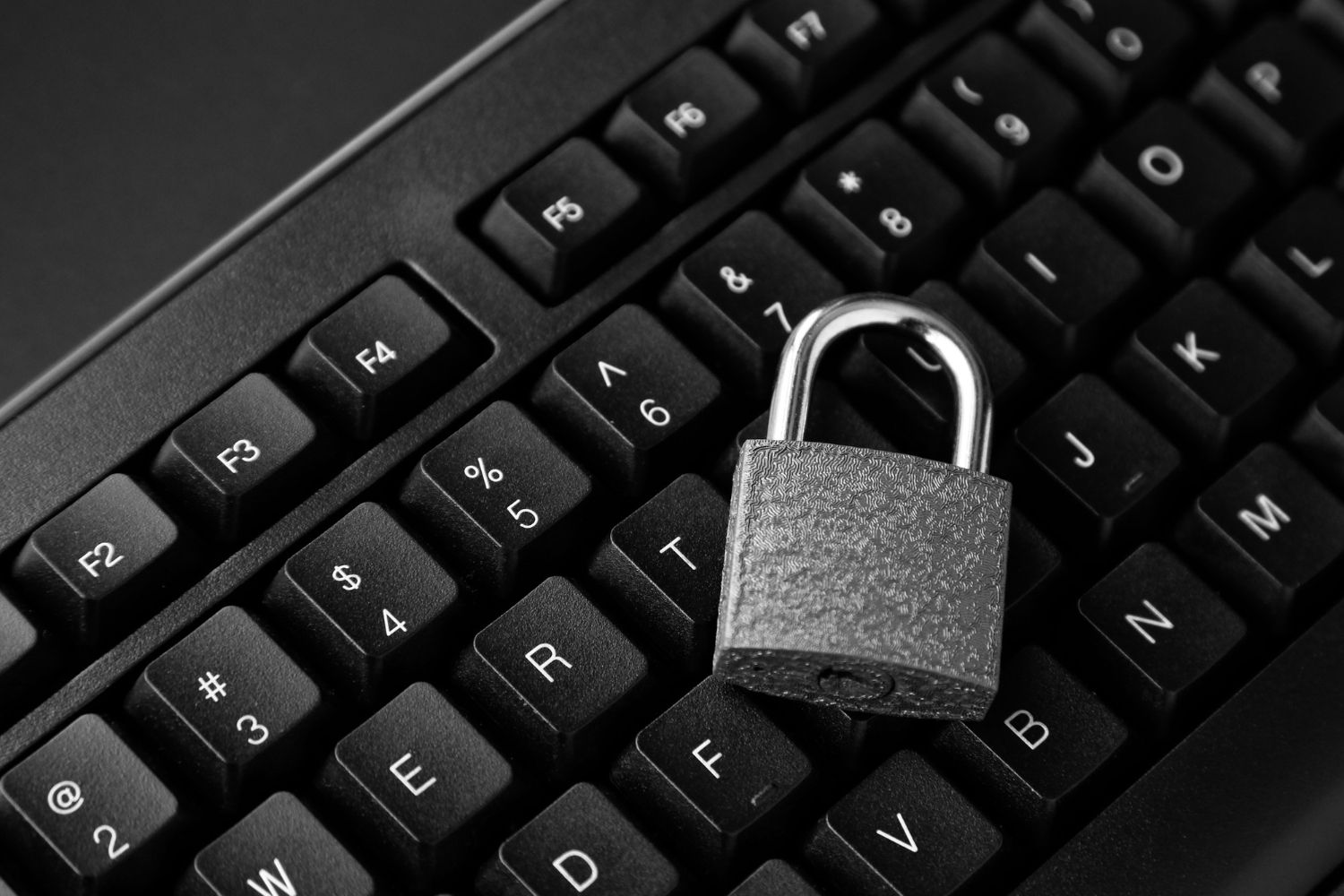
Adapting to the LGPD does not depend on a single measure. It results from the combination of processes, technology and organisational culture. Responsible data management begins with the principle of necessity. The condominium should collect only the information that is essential to fulfil its security and access control purposes.
It is also important to periodically review existing registrations to prevent outdated information from remaining stored without justification. Contracts with suppliers should clearly address responsibilities related to data protection, while internal procedures need to define who may access sensitive information and under what circumstances. Finally, condominium management should constantly monitor the evolution of the systems used. Digital security is not a project with an end date, but a continuous practice of updating and monitoring.
Digital security also depends on reliable infrastructure
Facial recognition systems, biometric controls, visitor management platforms and monitoring centres operate continuously. In many condominiums, these structures function twenty-four hours a day, seven days a week, supporting operations that are critical to residents’ security.
This means that the efficiency of condominium infrastructure is directly related to the availability of energy to keep equipment, servers, cameras, remote concierge systems and connected devices running. For this reason, more and more building managers are seeking strategies that contribute to more predictable financial management of communal areas, especially in structures with a high dependence on technology.
How NewSun’s clean energy subscription contributes to increasingly digital condominiums
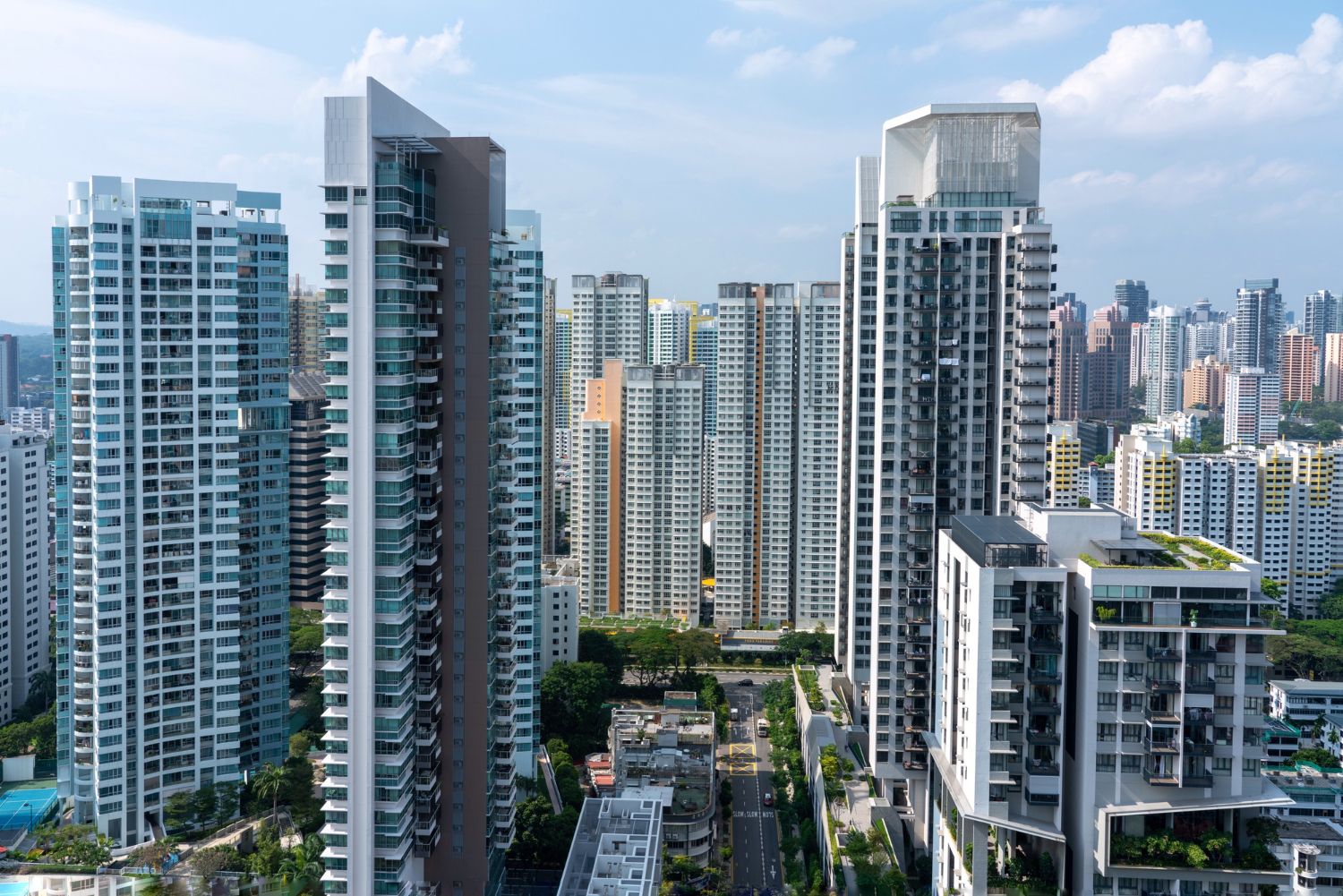
The modernisation of concierge desks and security systems requires constant investment in technology. At the same time, condominiums need to balance these advances with responsible and sustainable financial management. Within this reality, NewSun’s clean energy subscription can become an ally for the forward-looking building manager seeking operational efficiency without increasing administrative complexity.
By enabling access to energy from renewable sources through a simplified model, NewSun contributes to management aligned with key principles, especially debureaucratisation, digitalisation and decarbonisation.
For condominiums operating continuous security structures, such as electronic concierge desks, biometric systems, monitoring centres and camera networks, a smarter energy strategy helps strengthen financial predictability in communal areas and enables investment in innovation. In this way, energy efficiency and property protection cease to be isolated topics and become part of the same vision for condominium modernisation.
Data protection is part of condominium security
For a long time, condominium security was associated exclusively with walls, gates, cameras and access control. Today, this view needs to be broadened. In an increasingly digital environment, protecting the data of residents, visitors and service providers has become as important as protecting the physical spaces of the development.
The LGPD has introduced guidelines so that this protection takes place in a structured, transparent and responsible manner. When the condominium chooses suppliers committed to privacy, trains its teams and implements appropriate processes, it reduces risks and strengthens the confidence of everyone who circulates through the development.
More than complying with a legal requirement, adapting biometric and monitoring systems to the LGPD is a way of building a safer, more modern condominium that is better prepared for the challenges of today’s management.
You may also like
- Dicas para Síndicos e PMES
 14/09/2026
 5m
5m - Dicas para Síndicos e PMES11/09/20265m
- Energia por Assinatura10/09/20265m



Stop paying more for your energy bill
Find out in less than 1 minute how much you could save with clean energy every month — no works and no bureaucracy.
Join the energy revolution
Subscribe to our newsletter and receive exclusive content