Labour Day: A Guide to Workplace Safety and PPE in Condominiums
Labour Day: A Guide to Workplace Safety and PPE in Condominiums
Dicas para Síndicos e PMES
 30/04/2026
 5 min
5 minThe celebration of Labour Day in Brazil, officially established in 1924, carries a symbolism that goes beyond the festivities to touch the very core of human dignity: the protection of those who produce and serve. In the context of contemporary condominium management, this date serves as a milestone for reflecting on the complexity of turning residential and commercial buildings into safe working environments, healthy ones that comply with current legislation. A condominium operates as a micro corporate entity, where workplace safety is not merely an item of bureaucratic compliance but a strategy for protecting assets and shielding against severe legal risks. For building managers and property administration professionals, understanding the workings of the Regulatory Standards and the practical application of PPE in each role is the first step towards high-performance management and social responsibility.
The building manager's civil and criminal liability in workplace accidents
The figure of the building manager, under Article 1,348 of the Civil Code, holds the authority to represent the condominium both actively and passively, carrying out the acts necessary to defend common interests. In the field of workplace safety, this responsibility is far-reaching and can extend to the manager's personal assets in cases of proven negligence. Civil liability arises when the omission or inadequate performance of duties — such as failing to provide suitable PPE or proper training — causes physical or material harm to the worker. Criminal liability, in turn, arises when the manager's conduct falls under criminal offences, such as exposing a worker to imminent danger due to the absence of preventive measures.
Brazilian case law has been rigorous in holding condominiums accountable for both direct employees and outsourced service providers. Real cases, such as the fatal accident in Caldas Novas involving an untrained employee who fell from a water tank, expose the fragility of management that ignores NR-35 (work at height). In such situations, besides administrative fines applied by the Labour Inspectorate, the building manager may face public civil actions brought by the Public Labour Prosecutor's Office and heavy compensation payments to victims' families. The condominium's legal protection therefore depends on active oversight of PPE use and on requiring contracted companies to prove the regularity of their health and safety programmes.
Fundamental Regulatory Standards for condominium management
To navigate the complex ecosystem of workplace safety, building managers and administrators must master the Regulatory Standards (NRs) most relevant to daily building operations. NR-1 is the parent standard, establishing that every condominium must implement Occupational Risk Management (GRO) through the PGR. This programme must identify all hazards, from a slippery floor to electrical risks, and set out action plans with clear mitigation timelines. In addition, NR-5 requires the appointment of a representative for the Internal Accident Prevention Commission (CIPA) in smaller condominiums, or the establishment of the full commission in larger structures, aimed at the ongoing monitoring of risks.
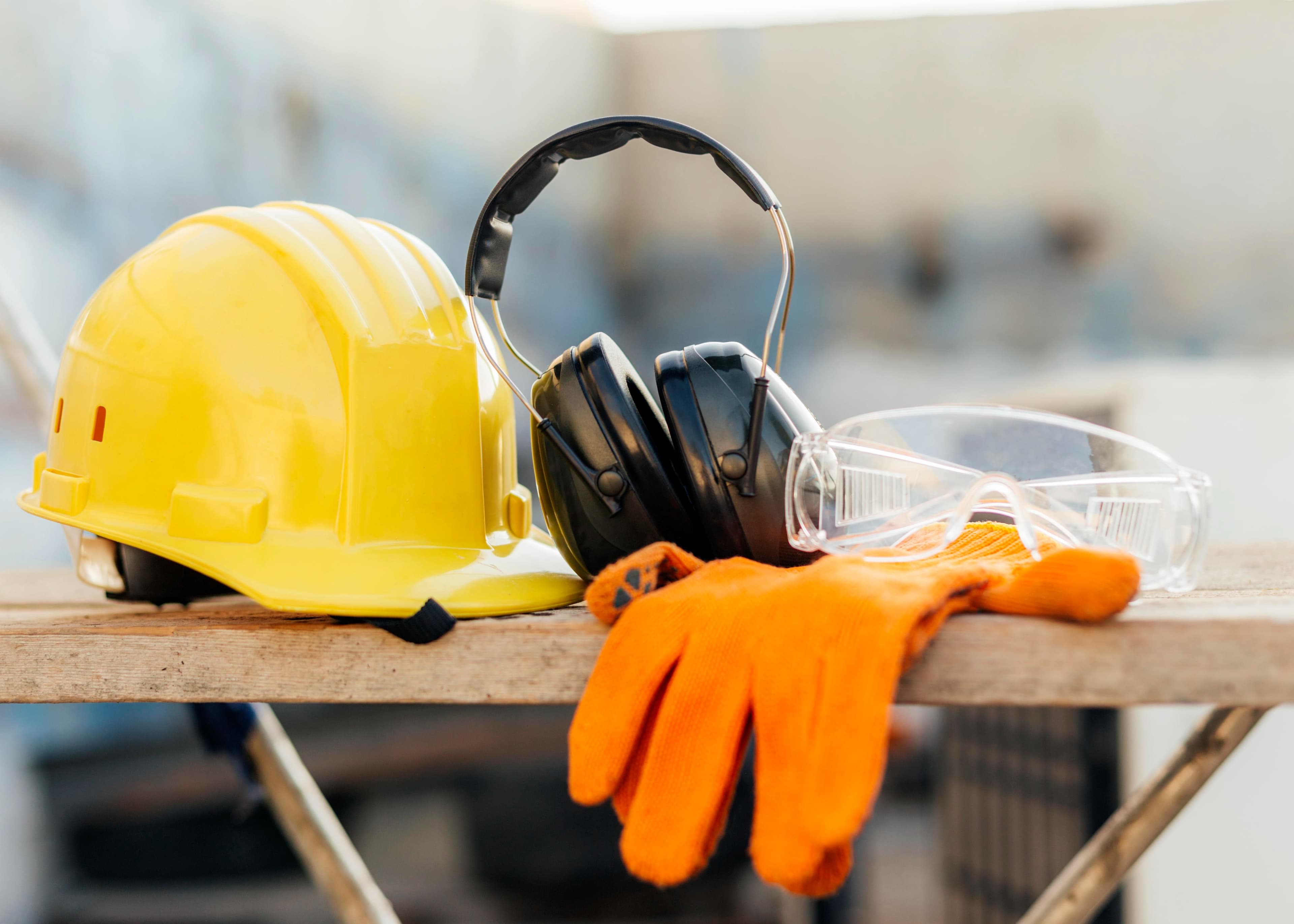
NR-6 is the central pillar defining the guidelines for Personal Protective Equipment (PPE), establishing that provision must be free of charge and that items must carry the Certificate of Approval (CA) issued by the Ministry of Labour. NR-7, meanwhile, covers the PCMSO, ensuring that workers' clinical health is monitored periodically to detect potential occupational illnesses early. Other standards, such as NR-10 (electrical installation safety), NR-17 (ergonomics) and NR-35 (work at height), set out technical procedures that save lives during routine interventions, such as repairing fuse boxes or cleaning façades and gutters.
Psychosocial risks and the new era of mental health under NR-1
A profound shift in workplace safety began in May 2025, when NR-1 was updated to include the management of psychosocial risks. This change requires building managers and administrators to add the protection of employees' mental health — for staff such as porters and caretakers, who often face high levels of stress due to direct contact with residents — to their compliance checklist. Burnout, which has seen an exponential rise in work absences in Brazil over four years, has become a real threat to condominium management. The condominium must now identify factors such as psychological harassment, excessive workload and undue pressure exerted by residents, which can create a toxic work environment.
Adapting to this new reality requires diagnostic tools, such as organisational climate surveys and Ergonomic Work Analysis (AET) focused on cognitive factors. The building manager should promote internal policies that reinforce official communication channels: residents should never give direct orders to or complain aggressively at staff; such interactions should take place via the occurrence log or the administrator's portal. Environments that neglect these psychosocial risks are subject to fines ranging from R$500 to R$6,000 per occurrence, as well as reputational damage that devalues the condominium in the market. Mental health, therefore, is no longer a subjective topic but has become a technical workplace safety requirement.
Ergonomics and safety for porters and receptionists
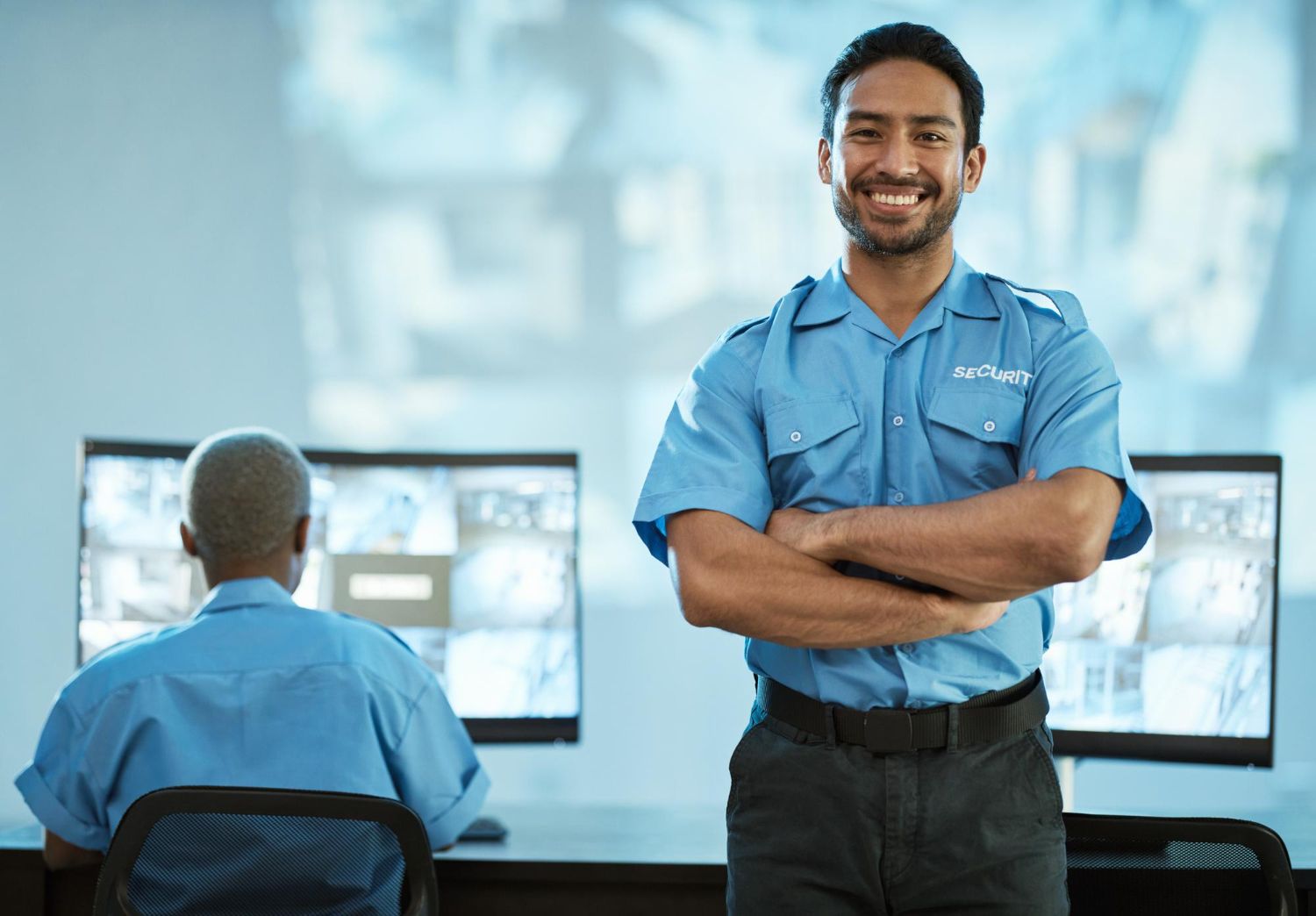
The porter's workstation is, more often than not, the place where NR-17 is most frequently disregarded. These professionals spend long periods in the same position, which requires furniture that meets strict dimensional requirements to prevent repetitive strain injuries or musculoskeletal disorders. The porter's lodge should be designed to provide thermal comfort, adequate lighting and ventilation, minimising fatigue and maintaining the visual acuity needed for surveillance. The building manager should carry out a preliminary ergonomic assessment to ensure the working environment is not a factor contributing to illness.
With regard to specific equipment and adjustments for the porter's wellbeing, the following points are essential for compliance with NR-17:
Seats with adjustable height and lumbar support: The chair must allow the professional to keep their feet supported and their spine properly sustained, with a rounded front edge so as not to restrict circulation.
Footrest: Essential when the height of the work surface is fixed and does not allow the worker to rest the soles of their feet fully on the floor after adjusting the seat.
Positioning of monitors and keyboards: Camera monitoring equipment should be at eye level, avoiding abrupt neck movements or forced postures during the shift.
Glare-free lighting: The lodge's internal lighting system should be designed to avoid glare on screens or reflections that cause eye fatigue for the professional.
Sunscreen and thermal clothing: For porters who carry out external patrols or access control in open areas, providing protection against UV radiation and adverse weather is a health requirement.
Protection for cleaning and maintenance of common areas
A condominium's cleaning team is exposed to a triad of hazards: chemical, biological and mechanical risks. The daily handling of disinfectants, alkaline detergents and sodium hypochlorite can cause anything from contact dermatitis to severe irritation of the respiratory tract and eye mucosa. In addition, cleaning bathrooms and collecting household waste bring workers into contact with pathogenic micro-organisms, requiring effective protective barriers. In this scenario, PPE acts as the last line of defence between the harmful agent and the worker's physical integrity.
The condominium must ensure the supply and immediate replacement of items such as rubber or nitrile protective gloves, which prevent direct contact with corrosive substances and biological agents. PVC boots with non-slip soles are crucial, as slips on wet surfaces are among the most common workplace accidents in building cleaning. Respiratory masks for organic vapours and safety goggles against splashes must be mandatory when handling concentrated chemical products. Raising staff awareness through training on the correct disposal of sharp materials, such as broken glass found in common areas, is also an essential part of workplace safety.
Caretaking and building maintenance: The challenges of electricity and height
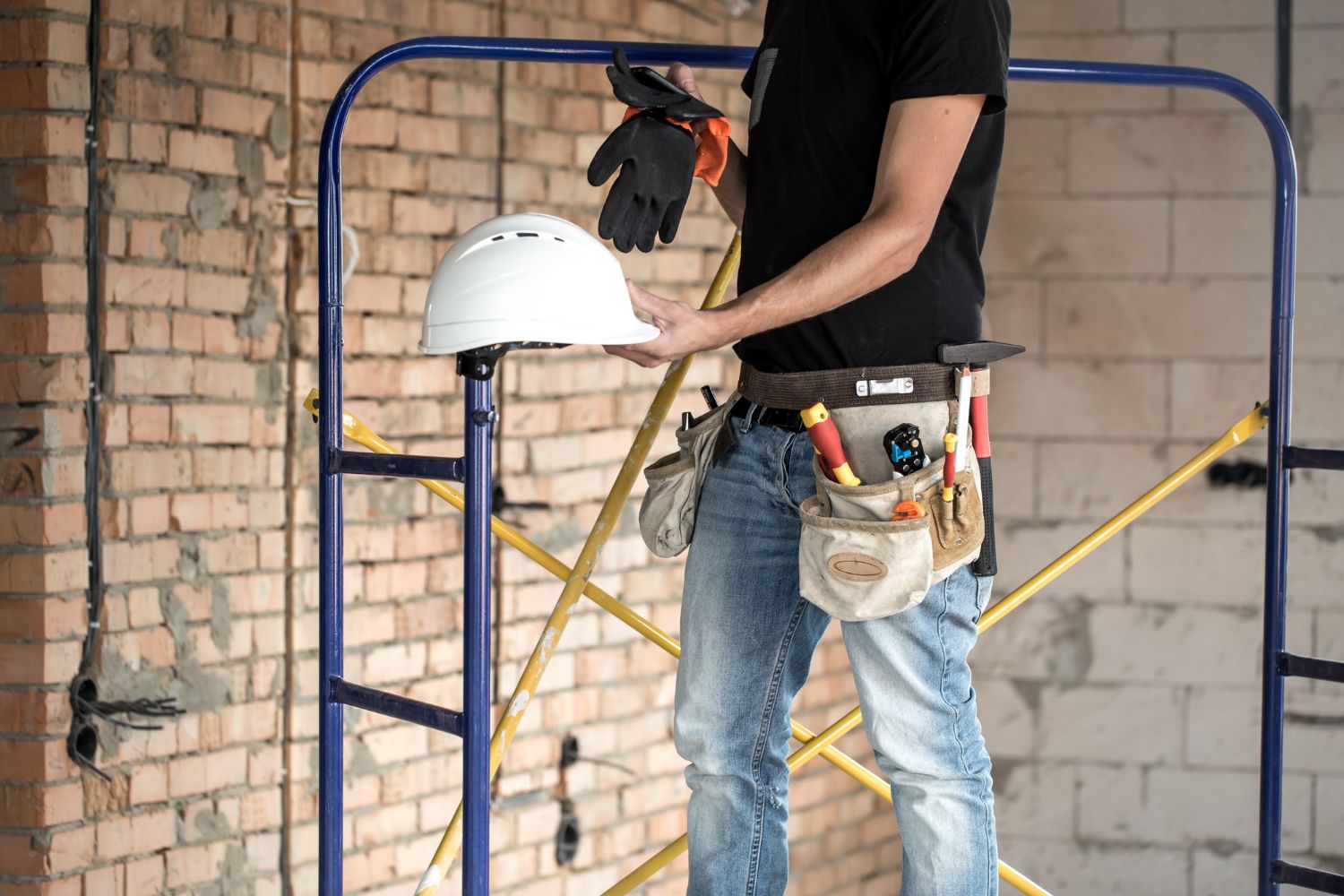
The caretaker performs a multi-skilled role that, if not well managed, can lead to situations of extreme risk. Minor electrical repairs, such as replacing ballasts or maintaining pumps, must strictly follow NR-10 guidelines. This entails using tools with insulation certified for 1,000V, insulating rubber gloves and footwear free of metal components that could act as conductors in the event of a discharge. The building manager must ensure that only professionals with basic NR-10 training carry out such work, or risk being held liable for allowing a hazardous activity to be performed by an unqualified person.
NR-35, meanwhile, regulates work at height, defined as any activity carried out more than two metres above the lower level where there is a risk of falling. Activities such as cleaning gutters, replacing lightbulbs in high ceilings or maintaining water tanks require the use of a full-body safety harness connected to robust anchorage systems via lanyards or fall arresters. It is vital that the condominium keep records of initial and periodic (two-yearly) 8-hour training for all employees who carry out these tasks. In addition, issuing a Work Permit (PT) and carrying out an on-site Risk Analysis (AR) before starting the activity are legal requirements that ensure workplace safety and protect the administration against labour liabilities.
Equipment for security and asset protection
The protection of security professionals in condominiums involves risks of both a mechanical nature and, unfortunately, interpersonal violence. NR-6 includes bulletproof vests (ballistic vests) among the PPE items for this role, which must be provided free of charge and carry a valid CA. The condominium or the outsourced security company must rigorously monitor the expiry date of the ballistic layers, as material degradation compromises the equipment's effectiveness. In addition to the vest, impact-absorbing safety footwear is essential for professionals who carry out constant patrols, preventing fatigue and joint injuries.
Effective communication is another pillar of workplace safety for security guards and porters. Two-way radios allow for rapid backup requests in critical situations, preventing workers from exposing themselves alone to external dangers. The building manager should also invest in Collective Protective Equipment (EPC), such as signage for restricted areas, physical barriers and emergency lighting, which help security staff maintain order and safety in the condominium without the need for risky direct intervention. First aid training completes the protection profile, enabling staff to act safely until specialised help arrives in the event of accidents on the building's premises.
NewSun's clean energy subscription: Savings and technology in condominium management

The pursuit of efficiency in a modern condominium necessarily involves intelligent resource management and reduced operating costs. NewSun Energy Group's clean energy subscription offers a strategic solution that stabilises the electricity bill for the condominium's common areas, shields the bill against tariff flag surcharges and delivers progressive savings without the need for works or infrastructure investment. Through this model, the condominium uses solar energy credits generated at remote power plants, converting sustainability into direct relief for the monthly cash flow.
Beyond the financial gains, NewSun stands out for its genuinely human service, helping building managers and administrators navigate the transition to a sustainable energy mix with specialist support. Management becomes transparent and data-driven with the NewSun Energy Club, an exclusive platform for tracking energy spending, where it is possible to monitor consumption, applied credits and savings generated in real time. This digital tool empowers managers with accurate information for accountability reports at general meetings, demonstrating how innovation can go hand in hand with asset appreciation and the condominium's environmental responsibility.
Find out more about our Solutions for Condominiums.
Document management, eSocial and the correct delivery of PPE
Compliance with workplace safety requires documentary rigour that has been heightened with the advent of eSocial. All health and safety records, such as the delivery of PPE and medical examination results (events S-2210, S-2220 and S-2240), must be transmitted digitally to the federal government. The PPE record is the fundamental document to prove, in court, that the condominium fulfilled its obligation to protect the worker. It must contain a detailed description of the equipment, the batch number and, mandatorily, the CA number, which certifies that the product has undergone laboratory testing and has proven effectiveness for the risk it is intended to address.
To modernise this process and ensure greater legal security, many administrators and condominiums are adopting electronic registration and biometric systems for PPE delivery. Ordinance SIT 107 regulated the use of these systems, which make it easier to extract reports for inspection purposes and prevent physical records from being lost. It is the building manager's duty to ensure that the PPE provided is within its validity period, both for the product and the CA, regularly checking the Ministry of Labour's portal to verify that the manufacturer's certification has not been suspended or cancelled. Proper document management is a condominium's strongest defence against fines that can severely affect the reserve fund.
Step by step to implementing an effective workplace safety programme
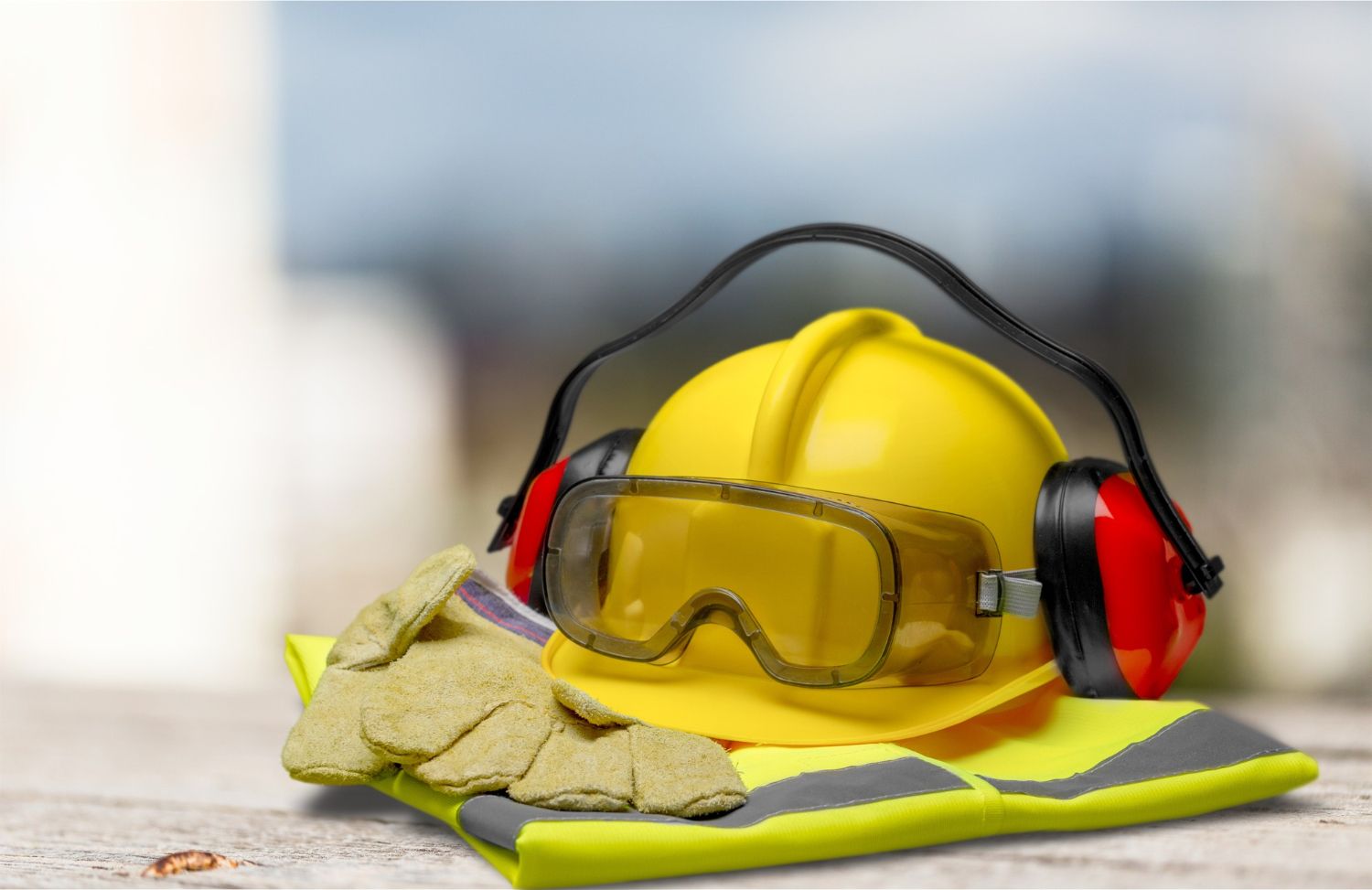
Building a safe environment requires technical planning involving both the in-house team and specialist consultancies in safety engineering and occupational medicine. The building manager must act as the conductor of this process, ensuring that the guidelines of the Regulatory Standards permeate all of the condominium's routines. Implementing a culture of prevention reduces absenteeism, improves team morale and prevents minor accidents from turning into legal and human tragedies.
Managers and administrators can follow this structured roadmap to ensure the condominium's full compliance:
Risk Diagnosis and PGR Preparation: Hire a workplace safety firm to identify physical, chemical, biological, ergonomic and accident-related hazards across all areas of the condominium.
Purchase of Certified PPE: Buy only equipment bearing a visible and indelible CA number, ensuring the PPE is suitable for the risks identified in the PGR.
Training and Development: Carry out induction and periodic training for at-risk roles, such as NR-35 (height), NR-10 (electricity) and NR-1 (psychosocial risk prevention).
Medical Examination Control (PCMSO): Keep the schedule of Occupational Health Certificates (ASOs) strictly up to date, ensuring workers are fit for their specific role.
Inspection and Documentation: Record the delivery of each item of PPE, monitor its active use during working hours and submit the mandatory events to eSocial within the legal deadlines.
Safety as a pillar of value creation and human management
Workplace safety in condominiums goes beyond a mere legal obligation to become a pillar of ethical and efficient management. Labour Day is the ideal moment for building managers and administrators to reaffirm their commitment to the wellbeing of those who ensure the smooth running and safety of our homes and offices. By investing in quality PPE, rigorous training and technological solutions — such as NewSun's clean energy subscription, which frees up resources for reinvestment in safety —, the condominium positions itself as a professional environment of excellence. Accident prevention and care for employees' mental health are the best paths towards prosperous management, free of liabilities and truly human.
You may also like
- Casos de Sucesso
 20/10/2026
 5m
5m - Dicas para Síndicos e PMES16/10/20265m
- Dicas para Síndicos e PMES13/10/20265m


Stop paying more for your energy bill
Find out in less than 1 minute how much you could save with clean energy every month — no works and no bureaucracy.
Join the energy revolution
Subscribe to our newsletter and receive exclusive content