
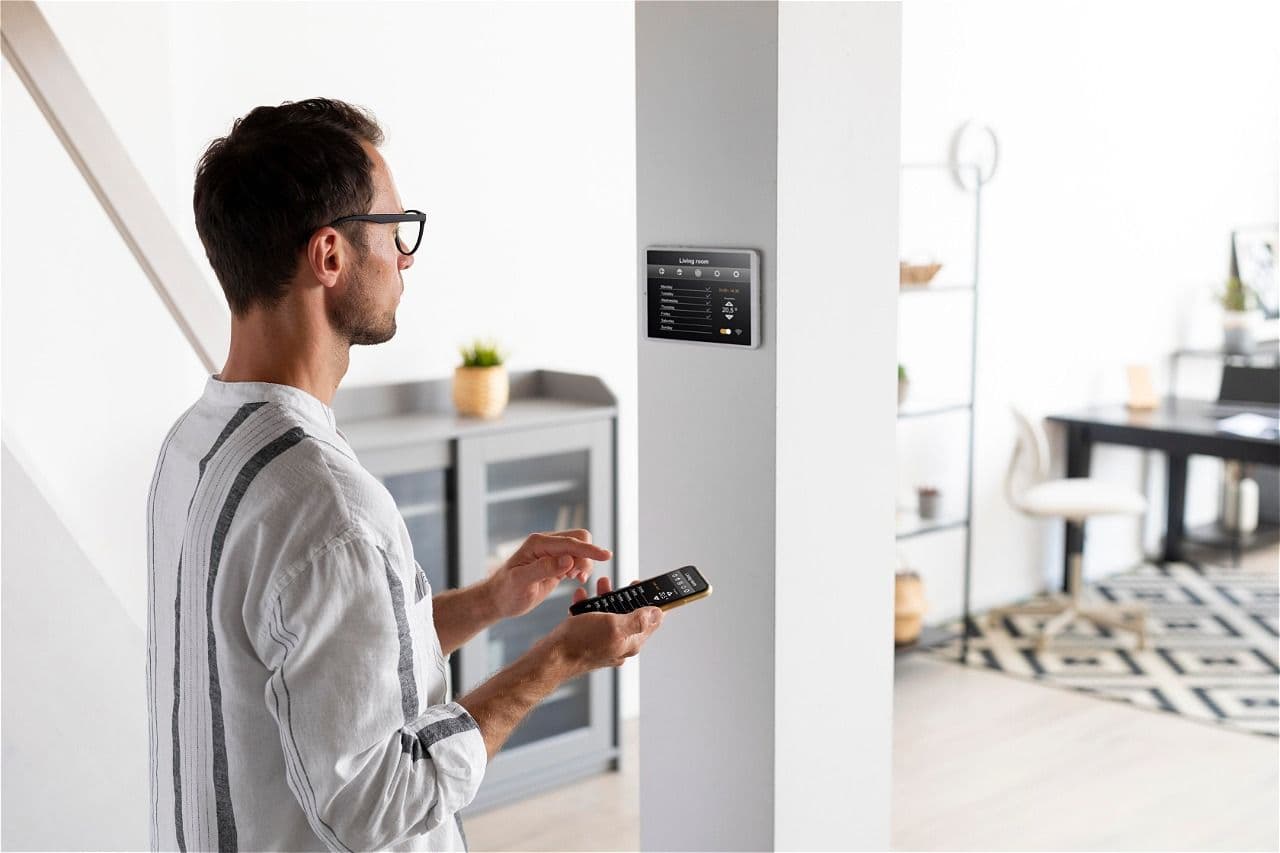
Intercom and Virtual PBX: The Future of Condominium Management
Intercom and Virtual PBX: The Future of Condominium Management
Dicas para Síndicos e PMES
 31/03/2026
 5 min
5 minCondominium management in Brazil is going through a period of unprecedented digital transformation, in which the role of the property manager is no longer just about handling conflicts but about becoming a manager of technology and innovation. At the heart of this evolution lies the primary need of any human community: secure and efficient communication. The intercom system, long neglected as a basic, static piece of infrastructure, now takes centre stage in building modernisation. Replacing the analogue model with a virtual PBX and mobile phone intercom is not just a passing trend, but a direct response to the demand for greater security, lower operating costs and convenience for residents. For the property manager, understanding the mechanics of these technologies is the first step towards raising the governance standard of the condominium.
The Silent Revolution in the Corridors: The Evolution of the Intercom
The history of communication in condominiums is marked by corroded wires, constant noise and reliance on physical telephone exchanges that often become obsolete before the end of their expected lifespan. The traditional intercom, that analogue device fixed to the wall of each unit, operates through a complex network of cables running through entire columns of the building. Although functional for a long time, this model presents critical vulnerabilities: maintenance is invasive, expensive and often requires rewiring in both common and private areas. When an analogue exchange fails, the condominium can go days without communication, compromising everyone's security.
Digitalisation brought the first breath of change, allowing systems to use existing network infrastructure to improve audio quality and reduce interference. However, it was the arrival of cloud computing that truly broke down the physical barriers of the front desk. Today, the intercom is no longer an object, but a service accessible from anywhere. This evolution from analogue to digital and, finally, to virtual reflects the change in residents' behaviour, who expect the same agility from their condominium that they enjoy in their connected lives. The mobile phone intercom emerges as the definitive solution for mobility, while the virtual PBX gives the property manager an auditable, scalable management tool.
This technological shift also adds value to the property. Buildings that keep obsolete systems tend to have higher maintenance fees and find it harder to attract new residents, especially among younger generations who prioritise technology. The modern intercom acts as a technological calling card, signalling that management is efficient and attuned to market innovations. For the property manager, deciding to migrate to a virtual PBX or mobile phone intercom system represents a commitment to the condominium's longevity and security.
The End of the Wired Era: How the Mobile Phone Intercom Works
The concept of the mobile phone intercom, often called mobile concierge or cellular intercom, is based on the premise that the most efficient communication device is the one the resident already carries in their pocket. There are two main ways these systems operate: GSM-based (conventional mobile telephony) and app-based (VoIP/data). In the GSM system, the intercom panel installed at the front desk has a mobile network SIM card and places a phone call to the resident's registered number every time the apartment button is pressed. The resident answers the call just like a normal phone call and, to grant access, presses a key on their smartphone's keypad, sending a command that releases the gate lock.
The app-based system, meanwhile, uses the internet to transmit voice and video. When a visitor rings the intercom, the resident's smartphone receives a notification or video call, letting them see who is at the door before even answering. This type of system requires the condominium to have a stable internet connection at the front desk and the resident to have data or Wi-Fi signal on their phone. Its great advantage is the wealth of features: besides talking, it is possible to receive photos of the visitor, check the history of who has called and even generate temporary QR codes for guests, all integrated into a single interface.
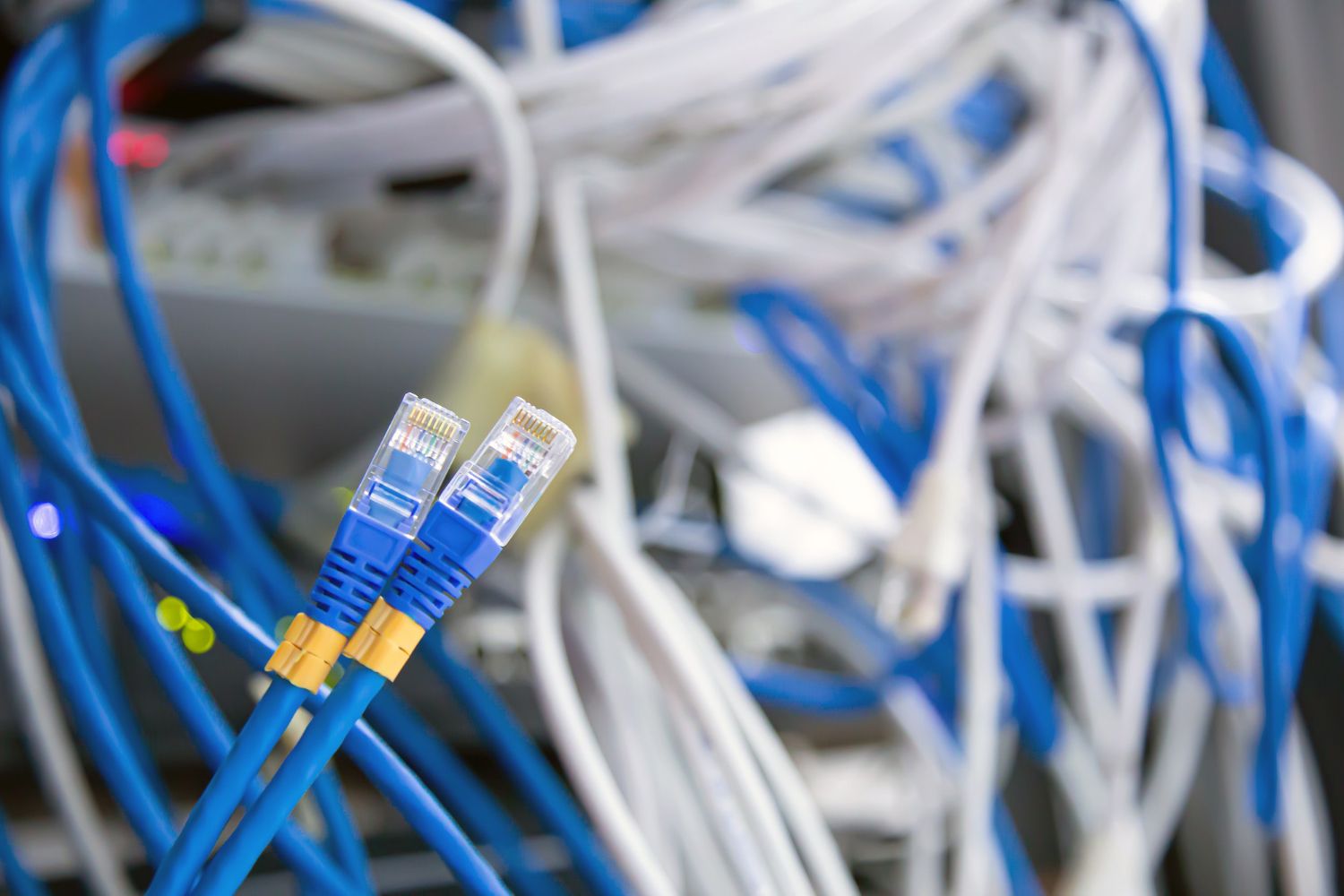
This technology completely eliminates the need for kilometres of copper cabling, which are frequent targets for theft and suffer from corrosion. For the property manager, installing a mobile phone intercom system is quick and causes very little disruption, as it requires no works inside the flats. The implementation cost is noticeably lower than that of a traditional wired system, and maintenance is focused solely on the street-level panel, drastically simplifying the day-to-day routine of caretaking and upkeep.
Virtual PBX: The Intelligence Hub That Lives in the Cloud
The virtual PBX is an evolution of the physical telephone exchange (Private Automatic Branch Exchange) we already know. In the past, condominiums needed large metal cabinets installed in maintenance rooms, packed with circuit boards and manual connections. The virtual PBX replaces this hardware with software hosted on secure cloud servers. In practical terms, each flat or service extension in the condominium becomes a digital account connecting to this central server via the internet. This means communication no longer depends on an internal physical network, but on a global logical connection.
Using a virtual PBX allows the property manager to organise communication professionally, similar to what happens in large companies. It is possible to create IVRs (Interactive Voice Response), where visitors choose who to speak to, or call groups that ring several devices simultaneously until someone answers. In addition, the virtual PBX offers call recording, an indispensable tool for the condominium's legal protection in the event of incidents or complaints from residents.
Another technical advantage of the virtual PBX is scalability. If the condominium decides to build a new tower or common area, there is no need to buy new physical exchanges or run new trunk cables. It is simply a matter of creating new virtual extensions in the system and configuring the end devices, which can be IP intercoms, tablets or smartphones. This flexibility ensures that the condominium's initial investment does not become obsolete as the development's needs grow or change over the years.
Crucial Differences: Traditional Intercom versus Digital Modernity
The gap between the traditional intercom and the new digital and virtual solutions is huge, especially when we look at resilience and functionality. In a traditional system, if a cable breaks on the 5th floor, every flat above it can lose communication. With a virtual PBX or mobile phone intercom, a fault in one unit does not affect the others, since each connection is individual and cloud-based. This decentralised architecture exponentially increases service availability, ensuring the condominium never goes "silent".
The user experience also changes radically. The traditional intercom forces the resident to go to a fixed point on the kitchen or living-room wall to answer a call. If the resident is in the shower, in the garden or away from home, the call is missed, which often results in undelivered parcels or frustrated visitors. With the mobile phone intercom, this barrier disappears: mobility is total, allowing residents to answer from wherever they are, even from another city or country, as long as there is an internet connection.
To help the property manager understand the main functional differences, consider the following points:
Infrastructure: The traditional system requires dedicated conduits and cables; the mobile phone intercom and virtual PBX use existing data infrastructure or the mobile network.
Mobility: With the traditional system, answering is fixed; with the new technologies, answering is mobile and remote.
Auditability: Virtual systems log calls, timestamps and audio recordings; analogue systems keep no records at all.
Maintenance: Traditional maintenance is physical and invasive; virtual maintenance is focused on software and data networks.
Extra features: The virtual PBX offers video, messaging, QR codes and camera integration, features that simply do not exist in analogue systems.
This shift to digital is not just a change of device, but a change in how the condominium relates to the outside world. Integration with facial recognition and artificial intelligence systems, already a reality in many modern condominiums, is only possible thanks to the technological foundation provided by IP intercom systems and the virtual PBX.
Strategic Advantages: Why the Property Manager Should Migrate Now

The property manager who chooses to migrate to a virtual PBX and mobile phone intercom gains a powerful ally in reducing condominium fees. Savings come from several fronts: the monthly maintenance fee for physical exchanges is eliminated, wiring repair costs drop, and in many cases it becomes viable to implement remote or unstaffed front desks, which are the biggest factor in reducing staffing costs. In smaller condominiums, the savings generated can be the difference between a healthy reserve fund and a budget stretched to the limit.
Beyond the direct savings, security is the greatest benefit. The mobile phone intercom lets residents monitor who enters and leaves their unit in real time. If a visitor is announced and the resident is not expecting anyone, they can intervene immediately, even from far away. With the virtual PBX, the property manager has access to detailed reports showing the front desk's response time, helping to assess the efficiency of staff or the outsourced company. This measurement capability turns subjective management into administration based on real data.
For residents, the benefits are equally tangible, as listed below:
The convenience of answering calls and releasing gates from a smartphone, from anywhere.
Greater security by seeing the visitor on video before granting access.
The elimination of fixed intercom units that take up space and clash with interior decor.
The ability to register multiple numbers so the whole family receives the intercom call.
Easier handling of deliveries and service providers with digital scheduling.
Technological modernisation also reduces conflicts between neighbours. Analogue intercoms often produce noise and crossed calls, which causes irritation among neighbours. The virtual PBX, on the other hand, offers high-fidelity audio and complete privacy in communications, ensuring interaction between resident and front desk is always clear and professional.
Implementation Challenges and the Technology Barrier for Older Residents
No technological transition is without its challenges, and for the property manager, the biggest one is usually cultural resistance from some residents, especially older ones. For this segment of the population, the fixed wall-mounted intercom is a symbol of security and simplicity. Migrating to a mobile phone intercom system can generate anxiety and a sense of digital exclusion. It is essential that implementation be accompanied by a training and support plan, showing that the new system can be just as simple as answering a normal phone call.
Another point of attention is reliance on internet infrastructure. A virtual PBX or mobile phone intercom that depends solely on a single broadband connection is vulnerable to provider outages. To mitigate this risk, the property manager should invest in internet redundancy, contracting two links from different providers and using routers with automatic failover. If one link goes down, the other takes over instantly, keeping the intercom system running. This precaution is what sets amateur management apart from professional administration.
Below are some strategies to help with digital inclusion in the condominium:
Holding in-person workshops to teach residents how to use the intercom app.
Providing printed manuals with large print and an illustrated step-by-step guide.
Offering hybrid options: residents who prefer it can keep a fixed handset (IP phone) at home, which works via the internet but keeps the traditional physical interface.
Configuring the system to make GSM calls for those without a smartphone or mobile data.
Having a trained caretaking team on hand to solve simple configuration problems on residents' phones during the first few days of use.
Overcoming these challenges takes patience and empathy. When an older resident realises they can answer the intercom and see their grandchild arriving on their phone, initial resistance turns into enthusiasm. The property manager's role is to be the facilitator of this discovery, ensuring technology serves people, not the other way round.
Security and Auditability: The Value of Records in the Virtual PBX
Amid growing concern about public safety, the condominium needs to be a fortress of information. The traditional intercom is a "blind system", with no trace of what was said or who authorised a stranger's entry. The virtual PBX changes this picture by offering full auditability. Every call generates a digital record containing the origin, destination, duration and, if configured, a full recording of the conversation. For the property manager, this is vital protection. In the event of theft or an incident in the common areas, it is possible to trace exactly which resident or member of staff gave the command to open the gate.
This transparency also discourages improper conduct. Knowing that communications are recorded, the relationship between residents and doorstaff tends to be more cordial and professional. In addition, the virtual PBX allows monitoring of "orphan extensions" or unauthorised attempts to access the system, alerting the administrator to possible cyber vulnerabilities. Integration with CCTV systems means that, at the moment of an intercom call, the corresponding camera feed can be displayed on the manager's screen, creating a ring of visual and audio security.
Modern management requires the property manager to have quick answers for the board and the general assembly. With the reports generated by the virtual PBX, the property manager can present concrete data on visitor flow during holidays, average waiting time at the front desk, and even identify demand peaks that justify hiring extra security staff. This turns the condominium into an intelligent, responsive structure, where security is based not on assumptions, but on traceable digital evidence.
NewSun Clean Energy Subscription: Savings and Smart Management

All of a condominium's technological infrastructure, from virtual PBX servers to the cameras and routers that power the mobile phone intercom, depends on stable, low-cost electricity. This is where NewSun Energy Group becomes a strategic partner for the modern property manager. NewSun offers a clean energy subscription service that stabilises the electricity bill for the condominium's common areas, eliminating the unpleasant surprises caused by the yellow and red tariff flags. By signing up, the condominium starts consuming energy generated by solar farms and biogas plants, which shields the bill from seasonal spikes and drives progressive savings that directly impact the monthly budget.
Unlike installing your own solar panels, which requires a high initial investment and ongoing maintenance, NewSun's solution is 100% digital and requires no building works. The property manager does not need to worry about roof integrity or cleaning solar panels. NewSun also stands out for its genuinely human customer service, supporting the property manager through every step of the energy transition. For full control, the condominium has access to the exclusive NewSun Energy Club platform, where energy spend, injected credits and the real savings generated each month can be tracked in detail. It is the perfect combination of sustainability and financial efficiency, allowing the funds saved on the electricity bill to be reinvested in modernising the intercom system and improving the condominium's security.
Discover our Solutions for Condominiums.
The Financial Impact: ROI and Property Value Appreciation
Many condominium boards hesitate to approve replacing the intercom system because of the initial cost of migrating to virtual PBX technology. However, the Return on Investment (ROI) is one of the fastest and most evident in the world of building maintenance. Comparing the cost of maintaining 30-year-old analogue wiring — with its recurring technical visits and replacement of expensive equipment — against the fixed monthly fee for a cloud-based mobile phone intercom service, the savings become clear within a few months. In many cases, the amount saved by dropping preventive maintenance contracts for physical exchanges covers the cost of the virtual system's subscription.
Beyond the direct savings, there is also the factor of property value appreciation. A "technologically up-to-date" condominium has a higher market value. Modern buyers and tenants value the convenience of being able to open the gate from their phone for a delivery, or of receiving a video notification when their child arrives home from school. It is estimated that adopting digital management and smart security systems can raise unit sale prices by up to 10%, as well as reducing vacancy times for rental properties.
The property manager should present these figures to residents in an educational way. This is not an "expense", but a necessary upgrade to avoid the building becoming obsolete. The cost of not innovating is often greater than the investment in the upgrade, since older systems tend to fail at the most critical moments, generating emergency expenses that weigh on every resident's pocket.
Trends for 2026: Artificial Intelligence and the Front Desks of the Future
Looking ahead to 2026, condominium communication will become increasingly proactive and less reactive. Integrating the virtual PBX with Artificial Intelligence (AI) will allow the system to automatically identify suspicious behaviour patterns at the front desk and alert the resident or monitoring centre even before the intercom is triggered. AI could also act as a virtual secretary for the property manager, filtering intercom calls from service providers and checking credentials against security databases within milliseconds.
Full digitalisation of management will become the standard. Virtual general assemblies, booking common areas via app, and granting visitor access through facial recognition will all be connected to the same digital "brain" of the condominium. The mobile phone intercom will stop being a standalone app and become part of a Smart Home ecosystem, where a front-desk call can be answered on the television or even the connected fridge. For the property manager, this convergence means less fragmented information and a full 360-degree view of what is happening in the condominium.
Preparing the condominium today with a virtual PBX system ensures it will be compatible with these innovations coming in the years ahead. Buildings that remain tied to analogue cabling will face an insurmountable technical barrier to adopting 2026's technologies, falling behind in the race for efficiency and security. Innovation is an ongoing process, and the property manager is the captain who must steer the condominium towards this digital, sustainable future.
Completing a condominium's modernisation journey takes courage to change established ideas and vision to invest in what really matters. The virtual PBX and mobile phone intercom are not luxuries, but essential tools for the dignity and peace of mind of those living in community. By combining this technology with the savings generated by NewSun Energy Group's clean energy subscription, the property manager creates a virtuous cycle of efficiency, value appreciation and sustainability. The result is a safer condominium, cheaper to maintain and, above all, a better place to live, where technology works quietly in the background to ensure the only thing that reaches residents' doors is convenience and peace of mind.
You may also like
- Casos de Sucesso
 20/10/2026
 5m
5m - Dicas para Síndicos e PMES16/10/20265m
- Dicas para Síndicos e PMES13/10/20265m


Stop paying more for your energy bill
Find out in less than 1 minute how much you could save with clean energy every month — no works and no bureaucracy.
Join the energy revolution
Subscribe to our newsletter and receive exclusive content