How to resolve condominium conflicts with authority
How to resolve condominium conflicts with authority
Dicas para Síndicos e PMES
 12/05/2026
 5 min
5 minRapid urbanisation and the resulting verticalisation of cities have transformed residential condominiums into true micro-societies, where hundreds of individuals share spaces, resources and everyday decisions. This urban arrangement, though it offers numerous structural advantages, inevitably generates an environment of high social complexity. In this dynamic scenario, the role of the condominium manager goes beyond traditional administrative tasks, demanding deep competencies in social governance and community psychology. The modern building manager acts as the principal guarantor of order and collective peace, with conflict resolution being one of the most challenging and strategic responsibilities of their day-to-day work.
When small everyday disagreements fail to receive due attention, the natural tendency is for the divergences to deepen, turning into resentments that poison the community atmosphere. The absence of structured processes for handling these crises can lead to the rapid deterioration of neighbourly relations and, ultimately, to disputes being taken to court, which burdens the collective finances with legal costs and lawyers' fees. For this reason, the pursuit of suitable techniques, such as mediating disagreements and conciliating interests, has become established as an indispensable pillar for management aiming at operational efficiency and collective well-being.
The nature of interpersonal friction in the condominium environment
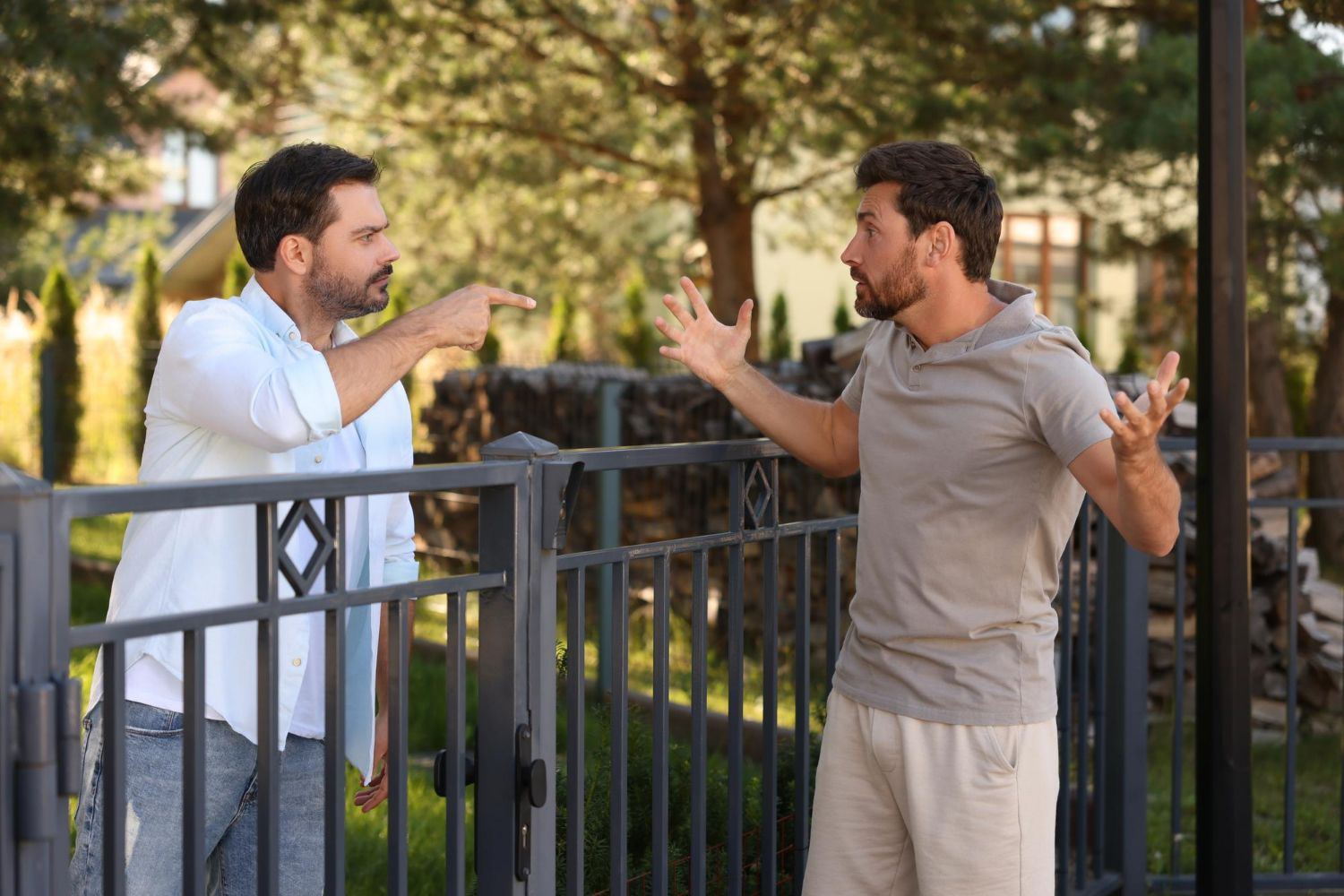
To intervene effectively in a dispute, it is essential to understand the underlying causes that trigger the disagreement. Conflicts in condominiums rarely stem from a single isolated event; they tend to be the result of an accumulation of small daily irritations that, due to a lack of dialogue and empathy, end up escalating into larger crises. Bringing together people with different family backgrounds, education levels, lifestyle habits and expectations about the use of shared space creates fertile ground for divergences. If management lacks established methods of conflict resolution, these individual differences quickly turn into power struggles and harmful polarisation.
From a sociological perspective, internal tensions in condominiums tend to follow the concept of behavioural and attitudinal polarisation, where those involved tend to see the dispute through a rigid lens of "us versus them" or "me versus the other". This destructive dynamic dehumanises the opposing party and prevents any spontaneous attempt at mutual understanding, requiring the intervention of a neutral third party to re-establish channels of dialogue. The use of techniques such as conflict mediation and assisted conciliation is precisely aimed at defusing this polarisation, encouraging those involved to identify their real shared interests and to rebuild a lasting, respectful relationship of coexistence.
The absence of a sense of collective belonging is another factor that substantially worsens community friction. When a resident prioritises their individual rights over the social duties set out in the bylaws, the harmony of the condominium is broken. It falls to the management to act in an educational manner, making residents aware that their individual unit is part of an interdependent collective whole. In this pedagogical effort, the building manager can draw on structured mediation processes and conciliation proposals to demonstrate in practice that mutual respect and self-discipline are the keys to avoiding the escalation of crises.
Early detection of signs of dissatisfaction among residents represents the best crisis-prevention strategy available to the administrator. Ignoring initial complaints on the grounds that they are "minor problems" or a "neighbour squabble" allows emotional wear to build up, making those involved less receptive to a friendly agreement in future. Therefore, acting quickly and applying preventive conflict-resolution methods, underpinned by the principles of mediation and conciliation, saves resources, avoids litigation and preserves collective mental health.
The impact of noise and the use of shared areas
Among the various factors that generate formal complaints to condominium administrations, excessive noise stands out on its own as the main catalyst for interpersonal friction. Unwanted noise produced during rest hours — such as prolonged parties, building work outside the authorised schedule, high heels on laminate flooring and persistent barking — directly affects residents' rest and privacy, triggering psychological responses of stress and irritability. Without swift intervention aimed at conflict resolution, this acoustic nuisance can escalate into verbal abuse and direct confrontations in the building's corridors.
Likewise, disputes concerning the use of shared areas, such as function rooms, barbecue areas, gyms, swimming pools and sports courts, are recurring sources of community tension. Conflicts tend to arise from failure to comply with booking rules, guests exceeding the permitted number, rubbish left behind, or inappropriate behaviour by users. The building manager must use conciliation techniques to resolve these divergences swiftly, applying the internal rules fairly and demonstrating that the restrictions exist to guarantee equitable access to leisure spaces for all residents.
The application of mediation processes also proves valuable for resolving chronic disagreements arising from renovations and private building work in individual units. Structural alterations that cause persistent noise, dust in communal circulation areas and heavy traffic from service providers generate strong resistance from neighbouring residents. When the administration fosters conciliation meetings between the owner carrying out the work and the affected residents, it becomes possible to agree specific work schedules and dust-mitigation measures, promoting conflict resolution before the situation requires the imposition of heavy fines.
Parking disputes and coexistence with pets
The car park in residential condominiums represents one of the areas of greatest physical and operational friction, given the limited space and the high frequency of daily use. Routine disputes involve vehicles parked incorrectly over the boundary line, accidental damage from car doors opening, the unauthorised use of other residents' spaces, and the inappropriate storage of furniture and rubbish in these areas. Swift intervention by the manager, guided by conciliation and objective dialogue, prevents small material damage from escalating into complex and costly legal disputes.
Living alongside pets also requires attentive and balanced action on the part of the condominium administration. Complaints about constant barking, poor hygiene in cleaning up after animals in corridors and pavements, dogs roaming without a lead or in prohibited areas, and fear caused by large animals without a muzzle are frequent topics raised through customer-service channels. The building manager, when resolving conflicts of this nature, must seek a balance between a resident's right to own an animal and the community's right to peace and quiet, hygiene and safety.
Mediation carried out with empathy and common sense helps the pet's owner understand the impact of the noise or lack of hygiene on their neighbours' daily lives, encouraging the voluntary adoption of corrective measures. Conciliation sessions, on the other hand, can establish practical agreements on the flow of pets through shared areas. This dialogue-based approach reduces the need for unilateral administrative punishments and strengthens the spirit of cooperation, showing that resolving conflicts through friendly means is always the most efficient path to internal harmony in the condominium.
Practical differences between mediation and conciliation

To ensure excellence in condominium management, it is essential that the administrator thoroughly understands the conceptual and methodological distinctions between the main alternative instruments of social pacification. Although the terms are routinely treated as synonyms by laypeople, mediation and conciliation have distinct operational characteristics, and are suited to specific everyday scenarios and problems. The appropriate use of each of these techniques optimises management's time and dramatically increases the rate of amicable agreement.
Mediation is characterised as a structured, technical procedure through which an impartial and independent third party helps the parties in conflict re-establish broken communication and independently identify solutions to their dispute. In this method, the facilitator does not pass judgement, does not suggest settlement proposals and does not decide on behalf of the parties. Their role is to apply active-listening techniques and reflective questions so that those involved themselves come to understand the mutual feelings and interests underlying the impasse. This process is highly recommended for deep, ongoing disagreements, in which those involved maintain a lasting relationship of coexistence that needs to be preserved in the long term, such as chronic friction between neighbours sharing a wall.
Conciliation, in turn, involves a much swifter, more pragmatic and more directive approach on the facilitator's part. In conducting this method, the neutral third party takes an active role in the discussion, being able to directly suggest solutions to the impasse, point out legal avenues and warn participants about the costs and strain of any eventual court proceedings. Conciliation is especially suited to one-off disputes, of lower relationship complexity and essentially financial or property-related in nature. Within condominiums, this technique is the ideal instrument for renegotiating overdue service charges, discussions about reimbursement for material damage to shared areas, or isolated disagreements over car-park rules.
So that the manager can grasp the full range of resources available to maintain internal harmony within the development, it is worth examining the main methods that make up the spectrum of conflict resolution in the community environment:
Negotiation: A direct, informal process in which the residents involved in the dispute talk cooperatively to reach a satisfactory consensus, without the need for third-party intervention.
Mediation: A structured method conducted by an impartial, neutral third party, aimed at re-establishing communication and helping the parties build a long-term solution to relational problems together.
Conciliation: Active intervention by a facilitator who proposes practical, immediate solutions to one-off or financial disputes, aiming for a quick agreement between those involved.
Arbitration: A procedure in which the parties choose a neutral arbitrator or expert to review the arguments and hand down a binding, mandatory decision, very useful for resolving complex contracts and commercial disputes.
Problem-solving: A technique of mutual collaboration between the administration and residents focused on jointly identifying the root cause of engineering and maintenance problems, such as leaks or seepage, minimising damage and expenses.
Conflict-resolution therapy: Psychosocial support sessions led by mental-health professionals to untangle deep, longstanding resentments between neighbours that are already affecting the wider community.
Court litigation: Formal recourse to the judiciary so that a judge decides the case, which should always be adopted as a last resort given the high financial cost, extreme slowness and emotional strain involved.
A conscious, technically informed choice between mediation and conciliation ensures that the condominium administration handles each occurrence with the right tool, saving the condominium's energy and resources. By institutionalising these peaceful methods, the building manager builds a transparent, modern administration that is widely respected by the whole community of residents.
The legal and ethical limits of condominium management's role
One of the most common mistakes made by well-intentioned managers is trying to directly and informally conduct technical mediation processes for conflicts that require absolute neutrality. It is essential to understand that the social function of managing the condominium and easing everyday friction is not the same as the technical role of a professional mediator or conciliator, for strong ethical, moral and legal reasons. Not knowing these limits of action can compromise the credibility of the management and expose the condominium to court challenges over the validity of agreements.
From a purely legal standpoint, the building manager faces a clear representation impediment that clashes with the pillars of professional mediation. Under Article 6 of the Mediation Act (Law No. 13,140/2015), the mediator must be a completely impartial and neutral third party, legally barred from representing either of the parties taking part in the process. However, under Article 1,348, item II, of the Brazilian Civil Code, the building manager is formally elected to be the active and passive representative of the condominium community. This overlap of roles prevents the manager from acting with the legal neutrality required of a genuine mediator, since their legal priority must always be to defend the interests of the condominium as a whole.
From an ethical and moral standpoint, the building manager's personal involvement with residents and community life is also a complicating factor. Whether they are a resident building manager who lives alongside their neighbours every day, or a professional building manager who depends on the approval of their accounts and their contract, the manager is inevitably subject to political pressures and personal sympathies. Trying to act as a mediator in private disputes under these conditions can make one of the parties feel wronged or perceive favouritism on the part of the administration, generating gossip, internal divisions and weakening the authority of the management.
Therefore, the role of the condominium administrator when facing complex relationship crises should be that of a facilitator of access to appropriate means of pacification. It is up to the building manager to apply dialogue techniques to calm tempers in everyday conversations, but if the disagreement persists, the recommended course is to guide residents towards seeking help from formal mediation chambers or hiring independent, external professionals to conduct the process. Recognising one's own legal and operational limitations is an attitude that lends authority to the management, demonstrating responsibility, professionalism and commitment to genuine conflict resolution.
Best practices in conflict resolution for building managers
Building a peaceful, integrated community environment requires the administration to adopt a set of preventive procedures and principles of procedural fairness. Conflict resolution should not be seen as a reactive or improvised activity, but rather as an integral part of a social-management plan tailored to the specific coexistence needs of that development. When the condominium adopts consistent best practices, residents feel protected by the impartiality of the rules, which substantially reduces the propensity for serious disagreements.
To ensure that administrative interventions carry moral authority and legal legitimacy, the condominium manager should guide their actions by established mediation principles, as described in the list of guidelines below:
Absolute impartiality and neutrality: Hear all sides of a dispute without passing premature judgement or showing favouritism towards any resident, regardless of their political influence within the condominium.
Procedural fairness: Offer the same amount of time to speak and the same level of receptiveness to everyone involved in the friction, ensuring the bylaws are applied in a rigorously identical way to all.
Confidentiality and discretion: Conduct alignment conversations in closed, private settings, ensuring that sensitive information disclosed is not shared with third parties or board members, avoiding gossip.
Active pursuit of consensus: Act as a facilitator who encourages cooperation and empathy, helping those involved build joint solutions that meet both parties' interests, rather than imposing unilateral decisions.
Empathy and active listening: Pay genuine attention not only to the words spoken but also to the feelings and concerns behind the complaint, showing understanding before proposing next steps.
Specialist legal support: Consult legal advisers specialising in condominium law before issuing warnings, applying heavy fines for antisocial conduct, or mediating agreements that involve owners' civil rights.
Beyond respecting these ethical principles, keeping the internal bylaws up to date and clear is one of the best preventive practices available to the administrator. The collective rules should undergo periodic review at general meetings to reflect the social changes within the condominium, and should be widely publicised through information campaigns and digital leaflets. When the boundaries of coexistence are clearly communicated and understood by everyone, the chances of misunderstandings decrease dramatically, making the residential environment safer, more harmonious and more welcoming for families.
The importance of clear communication in conflict resolution

The vast majority of crises that erupt in contemporary condominiums are not the result of the severity of the original problem itself, but rather of a breakdown in communication channels between people. A simple plumbing leak or a minor noise nuisance can turn into a gruelling legal dispute if the initial message is delivered with aggression, sarcasm or unfounded accusations. For this reason, improving interpersonal communication is the most powerful and lowest-cost tool the manager has for promoting healthy conflict resolution.
Applying the concepts of Nonviolent Communication (NVC) in the condominium's day-to-day administration helps disarm the psychological defence-and-attack mechanisms that tend to block dialogue between residents. NVC suggests that, when dealing with friction, management should initially focus on strictly factual, objective observations, avoiding judgements and derogatory labels about others' conduct. Instead of the building manager labelling a resident as "noisy and irresponsible", the technically appropriate approach is to calmly report that the sound produced after the quiet hours exceeded the tolerable limit set out in the internal rules, rationally demonstrating the impact of that noise on collective well-being and rest.
In handling difficult conversations, the building manager should continually practise active listening, maintaining a stance that shows respect for and acknowledgement of those involved's grievances, even in the face of hostile attitudes. Listening with full attention means not interrupting a resident's speech to justify oneself, but rather trying to grasp the essence of their legitimate concern in order to subsequently propose practical conciliation solutions. This calm, empathetic stance from the administrator serves as a model of conduct, calming heightened tempers and preparing the ground for mediation to take place on rational, cooperative terms.
Training the condominium's customer-facing staff, including doorkeepers, caretakers and building managers, to communicate with clarity, empathy and professional firmness is also essential to prevent small, routine friction from spiralling out of control. The right word, said in the right tone at the right moment, can dissolve hostility before it turns into formal aggression. Clear, nonviolent communication forms the foundation on which the manager's authority to conduct fair, civilised conflict resolution, widely backed by the community, rests.
Strategies for managing tense general meetings and crucial moments
Condominium general meetings should function as democratic spaces for constructive discussion, collective decision-making and transparency in accounting. In practice, however, these gatherings often turn into moments of intense emotional stress for building managers, marked by heated discussions, mutual accusations and serious friction between residents. Estimates indicate that around 40% of all conflicts affecting urban condominiums originate directly from controversial decisions or discussions that took place in tense, disorganised general meetings.
To turn these condominium meetings into spaces for civilised debate, productive and harmonious, the administration should adopt a set of operational-planning and debate-moderation guidelines, detailed in the list below:
Setting and circulating a clear, specific agenda: Communicating the topics up for vote well in advance allows residents to prepare rationally, reducing impulsive discussions and pointless prolongation. Research shows that around 80% of general meetings held without a clearly structured agenda end in confusion and loss of focus.
Transparency and accuracy in calculating quorums: Clarifying in advance the legal quorum required to approve each matter — such as 1/4 of residents for routine accounts and 2/3 for non-essential improvements or façade alterations — avoiding disputes over the legal validity of decisions.
Use of digital platforms and tools: Enabling virtual or hybrid general meetings, a format already adopted by around 50% of condominiums in urban areas, which facilitates democratic participation and helps moderate contributions through technological tools.
Electing a firm, neutral meeting chair: Ensuring proceedings are led by a calm resident or a qualified professional responsible for controlling speaking times fairly and cutting off disrespectful remarks.
Objective drafting and prompt publication of minutes: Recording resolutions in clear, concise minutes and sharing the document transparently with all residents within a few days to avoid rumours or distrust.
During discussion of high-impact financial matters, such as the accounts or increases to the ordinary service charge, emotional strain and resident resistance tend to intensify sharply. The best strategy for easing this tension is to break down the condominium's figures in a thorough, transparent and educational way, demonstrating the genuine technical need for each investment. If the administration knows in advance that an agenda item will cause irreconcilable divisions, it can be highly worthwhile to bring in external conciliation professionals to lead the debate. Delegating these critical meetings to a neutral technical third party preserves the building manager's political authority and ensures that the resolution of financial conflicts takes place calmly and harmoniously for everyone present.
How to prevent crises involving residents and staff from escalating
One of the most delicate and legally risky areas of condominium governance concerns the professional relationship between residents and the staff working at the development. Situations in which residents verbally abuse, humiliate or treat doorkeepers, caretakers, cleaners or building managers with disrespect require an extremely firm, authoritative and immediately supportive stance from the building manager. Inaction by the administration in defending its staff demotivates the team, damages the quality of services provided and exposes the condominium to costly employment claims and civil damages actions for pain and suffering.
Valuing staff professionally is a highly strategic decision for reducing tension within the condominium, since a motivated, respected team works more attentively and empathetically, preventing the small errors that tend to irritate residents. When, however, a serious incident of disrespect by a resident towards staff does occur, the manager should adopt a rigorous administrative protocol to carry out conflict resolution safely, as set out in the list of steps below:
Immediate support for the employee: Remove the employee from the stressful situation, take their detailed written account, and advise them never to respond to verbal provocation, protecting their well-being.
Gathering solid material evidence: Promptly review CCTV footage, entries in the incident log, and statements from residents or contractors who witnessed the disrespectful incident.
Holding a private conversation with the resident: Call the offending resident to a confidential meeting to set out the seriousness of the matter and warn them of the legal and social consequences of their behaviour.
Applying the sanctions set out in the bylaws: Issue formal warnings or apply the fines for antisocial behaviour provided for in the internal rules, guaranteeing the resident's right of defence to prevent future legal challenges.
Crisis-mediation training for staff: Run ongoing training programmes so that employees know how to respond to rude residents, maintaining a professional stance and recording the facts without escalating the conflict.
If the affected employee belongs to an outsourced company, conflict resolution tends to be administratively simpler, since the building manager can arrange for the employee to be replaced or request support from the partner company to safeguard coexistence procedures. Regardless of the employment model, however, the manager's authority and firm presence are essential to show the whole community that respect for staff is a non-negotiable rule of coexistence. Using structured conciliation proposals to resolve relationship impasses between residents and staff, combined with firmness in applying the penalties provided for, is the ideal way to protect the condominium's legal security and bring peace to the working environment.
Savings and predictability with a NewSun clean-energy subscription

Beyond the inherent complexity of handling interpersonal friction and the relationship between residents and staff, the condominium administrator faces the constant challenge of maintaining financial stability and environmental sustainability for the condominium amid frequent fluctuations in the national electricity market. It is against this backdrop of seeking operational efficiency and cost reduction that the clean-energy subscription offered by NewSun Energy Group establishes itself as a strategic ally of great value for modern condominiums. By adopting this innovative energy-supply model with no need for construction work or structural investment, the condominium permanently stabilises the electricity bill for shared areas, shields expenses against the abrupt variations caused by tariff flags and delivers genuine, progressive savings that flow straight back into the collective coffers.
This budgetary stability plays a prominent role in resolving financial conflicts, since unexpected increases in electricity bills and the need for last-minute extra levies are historic factors that tend to generate distrust and heated disputes between residents during general meetings. By eliminating these unpleasant financial surprises, the building manager gains the peace of mind needed to focus their attention on pacifying the condominium, backed by truly human, close and personalised support from NewSun to clarify any questions the administration may have. In addition, the condominium gains access to an exclusive, intuitive platform, NewSun Energy Club, which allows detailed, real-time monitoring of the condominium's energy spend, improving financial control and generating accurate data for accounting purposes. With shared-area expenses stabilised and transparent, the manager can draw on structured mediation processes and conciliation proposals to address other community demands with far greater focus and authority, knowing that the condominium's finances and energy sustainability are fully secured by a modern, environmentally responsible model.
Discover our Solutions for Condominiums.
The path to a peaceful, sustainable and integrated community
The evolution of condominium governance requires managers to adopt a holistic view that harmoniously integrates financial sustainability, environmental responsibility and peace in interpersonal relations. The old profile of the building manager focused solely on collecting fees and applying fines has given way to capable leaders who see the condominium as a complex ecosystem in which social well-being is the greatest asset to be preserved. The ability to promote conflict resolution through humanised methods of mediating disagreements and conciliating interests has become the leading criterion for assessing high-performing management.
By understanding the ethical and legal limits of their representative role, the modern building manager acts as a facilitator of dialogue, knowing exactly when to seek help from formal mediation chambers and external specialists to handle deep relational crises. This professional stance, backed by best practices in clear communication and fairness in day-to-day dealings, prevents political wear on the management and strengthens the community's trust in decisions taken collectively. The condominium ceases to be merely a cluster of homes and becomes an integrated community, guided by respect and cooperation among all.
Innovative strategic partnerships, such as the NewSun Energy Group clean-energy subscription and the financial monitoring offered by the NewSun Energy Club, show that it is possible to optimise operating costs with environmental responsibility, eliminating the dreaded budget swings that so wear down condominium general meetings. Combining economic sustainability with the social competence to mediate and conciliate everyday disagreements represents the definitive path to modern, efficient condominium management, genuinely committed to the harmony and future of the families who share community life.
You may also like
- Casos de Sucesso
 20/10/2026
 5m
5m - Dicas para Síndicos e PMES16/10/20265m
- Dicas para Síndicos e PMES13/10/20265m


Stop paying more for your energy bill
Find out in less than 1 minute how much you could save with clean energy every month — no works and no bureaucracy.
Join the energy revolution
Subscribe to our newsletter and receive exclusive content