
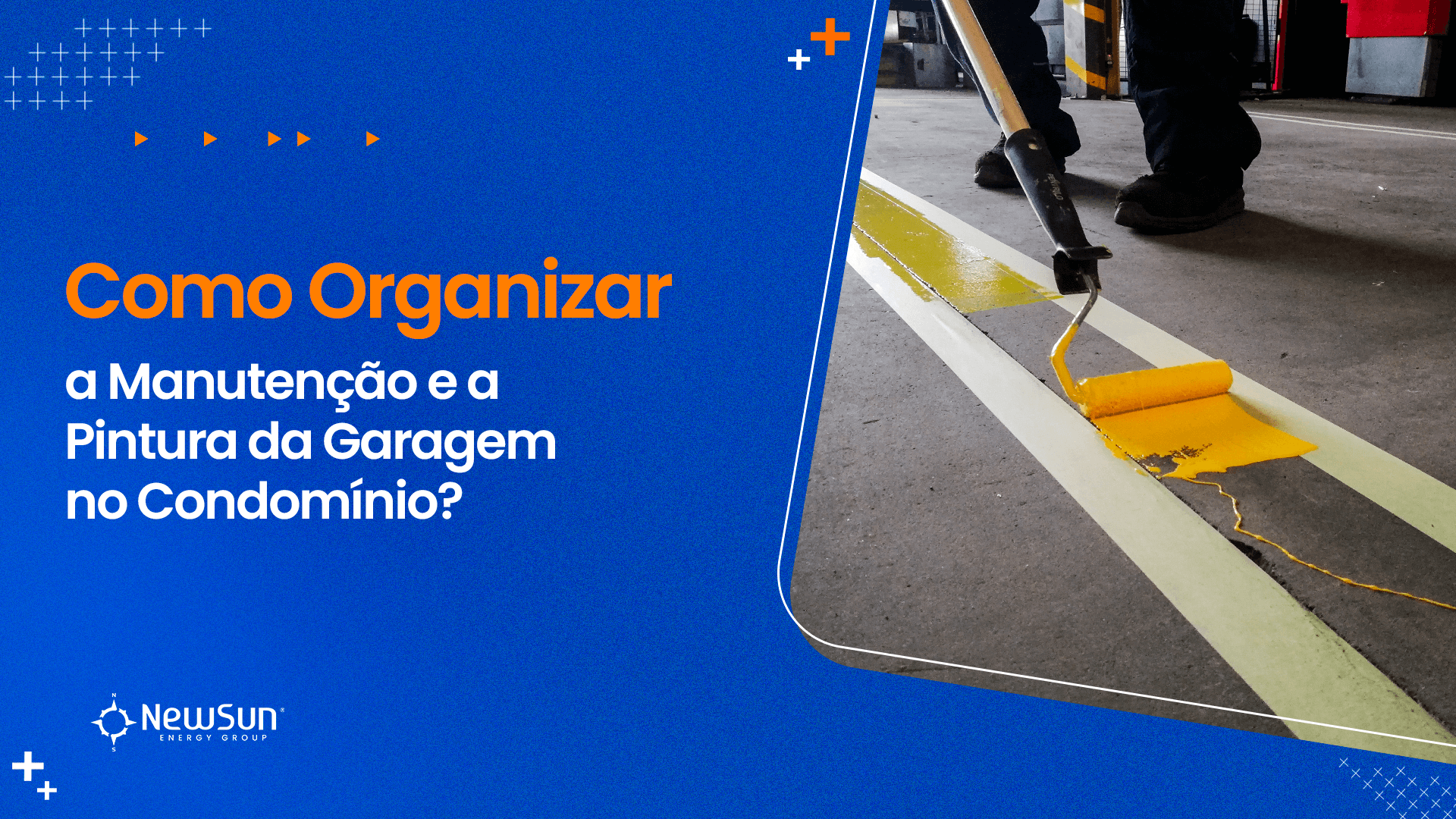
How to Organise Garage Maintenance and Painting in a Condominium?
How to Organise Garage Maintenance and Painting in a Condominium?
Dicas para Síndicos e PMES
 21/08/2026
 5 min
5 minA residential or commercial development’s garage is far more than simply a place to park: for most residents, it is the main point of entry and exit each day, and it houses vehicles of considerable financial and personal value. Constant heavy traffic exposes basement floors, columns, drainage systems and lighting to wear caused by tyre friction, engine heat, leaking automotive fluids and structural vibration.
Over time, accumulated oil marks, faded floor markings, poor lighting and worn surfaces not only undermine the building’s appearance, but also increase the risk of accidents, hazardous manoeuvres and water ingress into the structural slab.
However, for the building manager and condominium management company, carrying out garage maintenance is one of the greatest logistical and people-management challenges of their term. Closing parking spaces and altering internal traffic flow directly affects residents’ routines and comfort. When the process is not planned and communicated in advance, the work may generate dissatisfaction, operational delays and unnecessary friction.
In this practical and comprehensive guide, you will learn how to plan vehicle removal in stages, organise internal traffic while areas are cordoned off, manage repainting, lighting and heavy-duty cleaning to a high standard, and integrate sustainability and cost predictability into the management of communal areas.
Planning and Vehicle Removal: The Key to Zoning
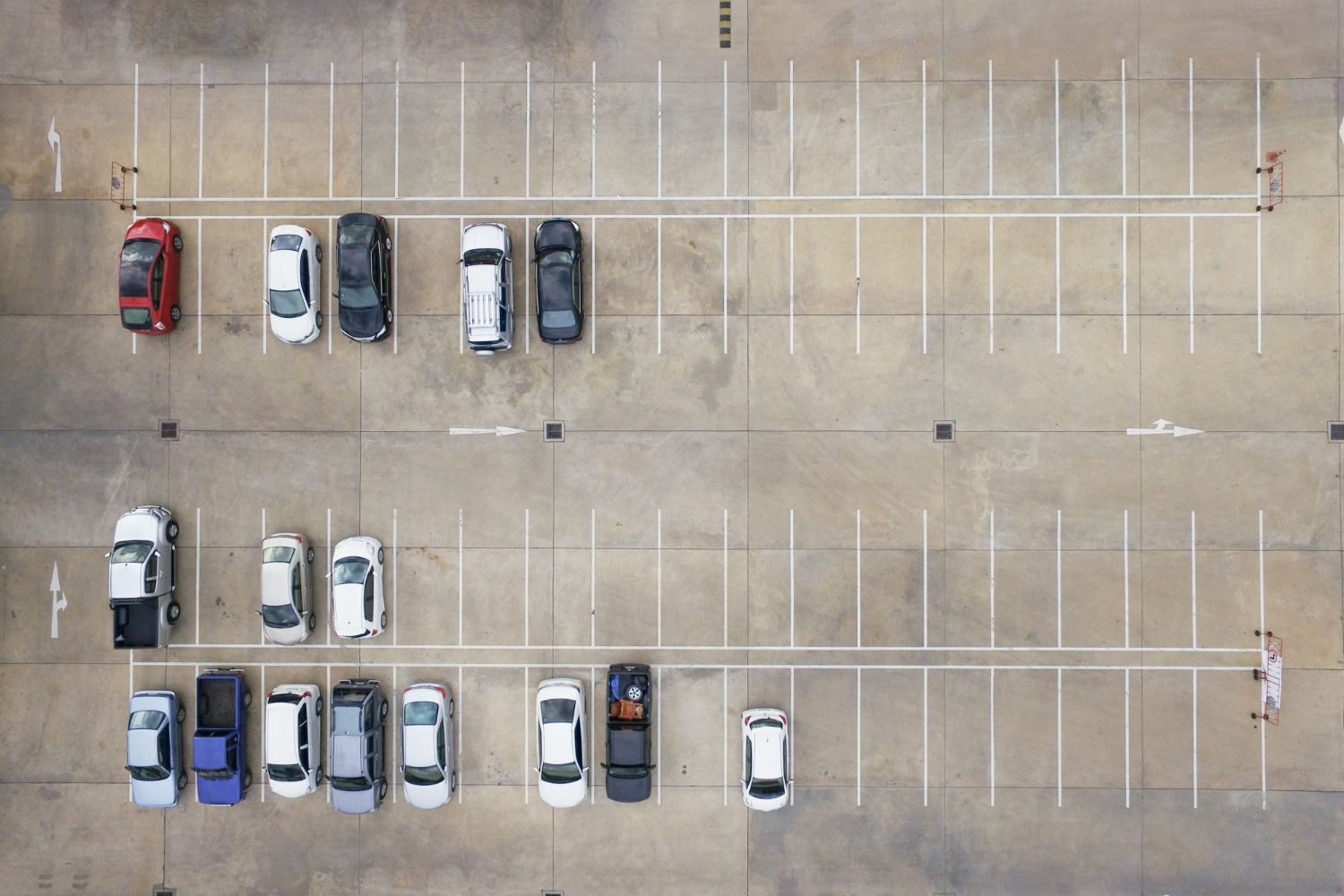
The most common mistake in garage refurbishment projects is attempting to close off large areas all at once. Closing an entire basement level, or even half of one, can severely disrupt parking arrangements, place excessive pressure on the remaining spaces and frustrate residents who have nowhere to park.
The best operational strategy is based on phased maintenance (modular zoning):
Division into small blocks of parking spaces: Management divides the garage plan into small zones, for example Zone A covering spaces 01 to 15 and Zone B covering spaces 16 to 30. Each zone is closed, prepared, painted, left to dry and reopened before the team moves on to the next.
Temporary parking-space relocation plan: For each blocked zone, management should offer viable alternatives to displaced residents, such as:
Temporary use of visitor parking spaces or the condominium’s loading and unloading areas.
Making available vacant spaces belonging to owners who are away or do not own vehicles (subject to prior written authorisation).
In condominiums with a severe shortage of space, temporarily arranging agreements with private car parks near the building during the most critical days of painting and floor curing.
How to Communicate with and Guide Residents Effectively
Transparent communication is the main tool for preventing vehicles from being ‘forgotten’ in their spaces on the day work begins:
Staggered advance notice: Send the first official notice through the management app and display it in the lifts at least 15 days in advance, detailing the full schedule by parking-space number and exact closure date.
Reminder the day before: On the day before each zone is blocked, reception or the caretaker should place an adhesive notice or leaflet on the windscreen of cars in that specific zone, as well as sending a direct notification to each resident’s mobile phone.
Protocol for forgotten vehicles: The works regulations approved at a general meeting or communicated to residents should require each unit to provide reception with an emergency contact in advance and, if the resident is travelling, leave the car key with a trusted person. The condominium must never attempt to manoeuvre, push or tow vehicles on its own without regulatory authorisation, thereby avoiding liability for possible mechanical or bodywork damage.
Signage and Traffic Diversion in Cordoned-Off Areas
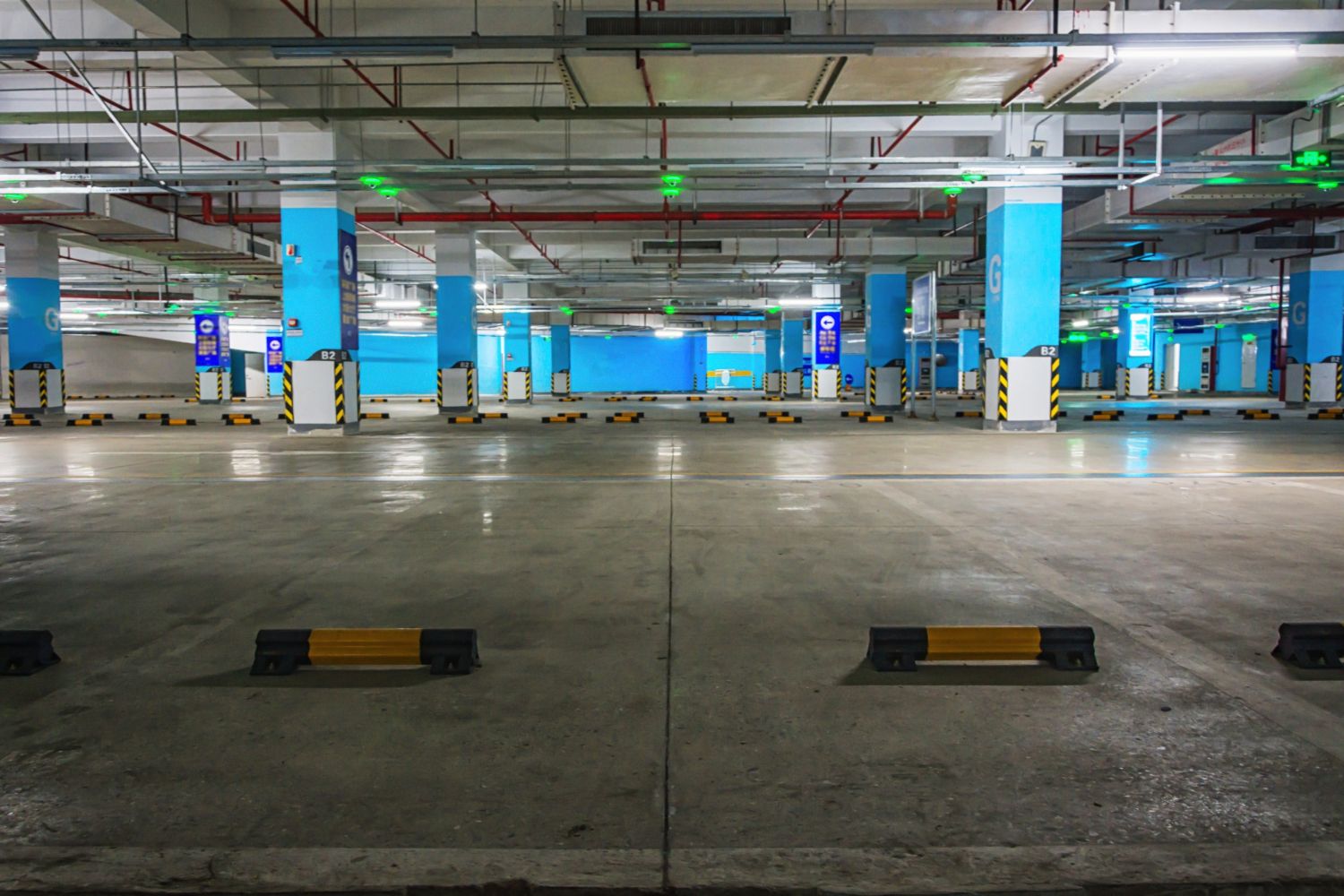
During pressure-washing, floor scraping or epoxy-painting work, chemicals and airborne dust can damage neighbouring vehicles. The work zone must be rigorously isolated to protect residents’ property and ensure the safety of contractors.
See the best practices for reorganising internal traffic during the work:
Physical isolation barriers: Mark out the perimeter of the work zone with reflective cones, high-visibility hazard tape and protective plastic sheeting. If paint is applied by spraying (spray/airless), floor-to-ceiling plastic curtains are essential to contain paint mist.
Temporary one-way system: When one of the basement traffic lanes needs to be closed, circulation along the remaining section should temporarily become one-way. Temporary upright signs with reflective arrows should be installed at corners and on pillars to indicate diversion routes.
Traffic marshals at peak times: During the busiest periods for vehicles entering and leaving (6.30–8.30 am and 6–8 pm), a maintenance or caretaker team member wearing a reflective vest should act as a traffic marshal, assisting with manoeuvres in narrowed sections.
Safe pedestrian routes: Cordoning off the garage must not block escape routes or residents’ safe access to lift lobbies and pressurised stairwells. Dedicated pedestrian lanes must be kept clean and unobstructed at all times.
Critical Areas of Garage Maintenance
A successful garage refurbishment encompasses three coordinated workstreams: repainting, lighting upgrades and heavy-duty technical cleaning.
Repainting and Technical Marking
Garage painting has a dual role: protecting against abrasive wear and organising the physical space:
Floor painting (Epoxy or Polyurethane Paint): For covered garages and basements, paints based on epoxy or polyurethane (PU) resin are the most suitable because of their extremely high mechanical resistance to hot-tyre traffic and chemical resistance to oils and solvents.
Marking parking spaces and pedestrian crossings: Apply marking lines with a regulation-compliant width (generally 10 cm), clearly identify parking-space numbers on the floor and use prominent blue and yellow paint for spaces reserved for disabled people and older people, in compliance with accessibility legislation.
Painting pillars and height signage: Pillars and corner protectors should receive contrasting hazard stripes (black and yellow) at bumper height to aid depth perception during manoeuvres. Low beams and suspended pipework should display the maximum permitted height prominently.
Lighting Adjustments and Upgrades
Garage lighting often accounts for a significant portion of a building’s electricity consumption and directly affects residents’ sense of safety:
Replacement with high-efficiency LED luminaires: Replacing old fluorescent tubes with LED battens or floodlights fitted with opal diffusers provides uniform light, without excessive shadows, and immediately reduces energy consumption.
Smart occupancy sensors and dimming: In low-traffic corridors, installing occupancy sensors with a dimmable system (maintaining lighting at 20% or 30% in standby mode and switching to 100% only when an approaching car or pedestrian is detected) balances visual comfort, protection against blind spots and savings.
Emergency lighting and escape routes: Inspect self-contained emergency luminaires and emergency lighting units, ensuring the minimum operating duration in the event of a mains power cut, in accordance with Fire Brigade regulations.
Heavy-Duty Cleaning and Degreasing
Before any painting work, or periodically as part of preventive maintenance, the garage floor should undergo deep cleaning:
Removal of built-up oil and grease: Automotive oil stains prevent paint adhesion and create slippery surfaces that may cause pedestrians to fall or vehicles to skid. Cleaning should be carried out with biodegradable industrial degreasers and floor-scrubbing machines with rotary brushes.
Clearing channels and drains: Wash and remove sand, leaves and solid waste from perimeter channels and stormwater grilles to ensure rapid water drainage and prevent garage flooding during storms.
Sustainability and Basement Efficiency: How NewSun’s Subscription Energy Enhances Condominium Management
The infrastructure of condominium garages and basements requires a continuous, reliable electricity supply to keep high-speed automatic gates operating hundreds of times a day, dozens of luminaires lit along manoeuvring lanes, mechanical extract fans dispersing carbon monoxide and drainage pumps ready to operate at all times.
However, for building managers and management companies, administering this level of consumption in communal areas frequently comes up against the financial unpredictability of electricity bills. The activation of tariff flags during dry periods increases the rates charged by local distributors, creating unforeseen spikes in the building’s routine expenses and destabilising the budget planning approved at a general meeting.
To solve this challenge with innovation, financial intelligence and environmental commitment, NewSun’s subscription energy is the ideal choice for your condominium.
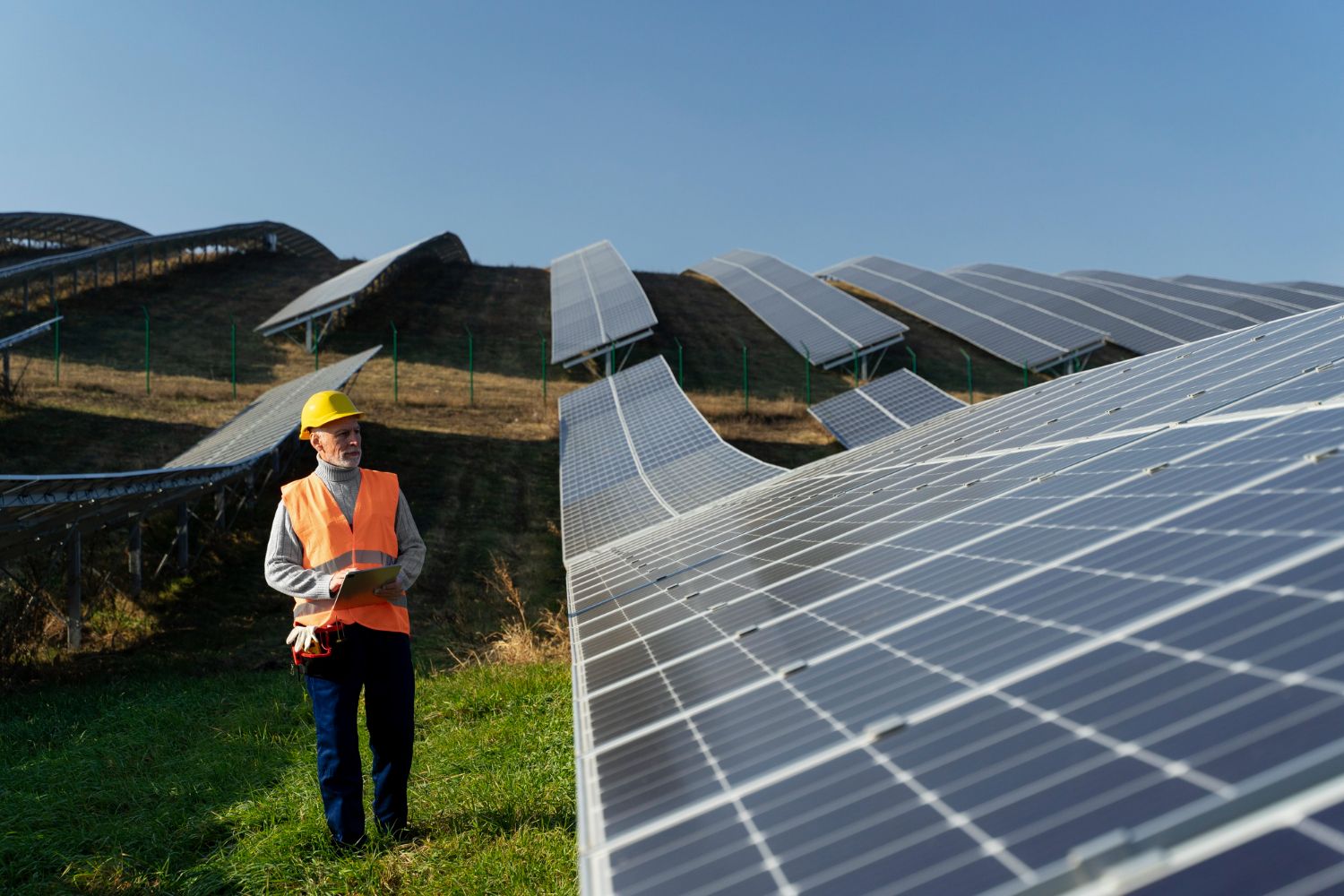
Through a modern digital platform, NewSun connects the condominium directly to partner plants generating clean, renewable energy. The model’s major advantage is that it enables the building to benefit from progressive savings on communal-area electricity bills, with no need for financial investment (zero CAPEX), no purchase of solar panels and no physical work on the building structure.
Joining the NewSun ecosystem offers direct strategic advantages for your management:
Budget predictability and stability: The model neutralises the impact of tariff variations and additional tariff-flag charges, providing complete control over fixed electricity costs and simplifying financial reporting.
Ongoing savings for the reserve fund: Lower spending on communal-area energy frees up funds in the condominium’s budget, which can be directed towards preventive garage maintenance, equipment upgrades or security-system improvements.
Convenience and a 100% digital transition: Contracting is handled entirely administratively, without breaking walls, altering the incoming electrical panel or interrupting the energy supply.
Genuine sustainability and increased property value: By using clean energy from renewable sources, the condominium actively reduces its carbon footprint, modernises its management in the eyes of residents and adds market value to every privately owned unit.
By combining preventive technical management of garage infrastructure with the sustainability and savings of NewSun’s subscription energy, you eliminate waste on every front, ensuring a modern, safe and financially balanced condominium.
Conclusion
Preventive garage maintenance is a strategic investment that protects the building structure, ensures safety in daily traffic and enhances the value of every resident’s property. The success of these interventions lies in management’s ability to plan the work in modular zones, signpost traffic diversions clearly and maintain close, transparent communication with residents.
By renewing floor paint with highly durable materials, upgrading lighting with efficient LED solutions and carrying out periodic technical cleaning, management transforms the basement into a pleasant, safe and functional environment.
Likewise, extending this pursuit of efficiency to communal-area energy costs — relying on NewSun’s clean subscription energy to ensure financial predictability and ongoing sustainability — confirms forward-looking management focused on delivering the highest standard of quality and peace of mind for the entire condominium community.
You may also like
- Dicas para Síndicos e PMES
 05/10/2026
 5m
5m - Energia por Assinatura02/10/20265m
- Energia por Assinatura01/10/20265m





Stop paying more for your energy bill
Find out in less than 1 minute how much you could save with clean energy every month — no works and no bureaucracy.
Join the energy revolution
Subscribe to our newsletter and receive exclusive content