
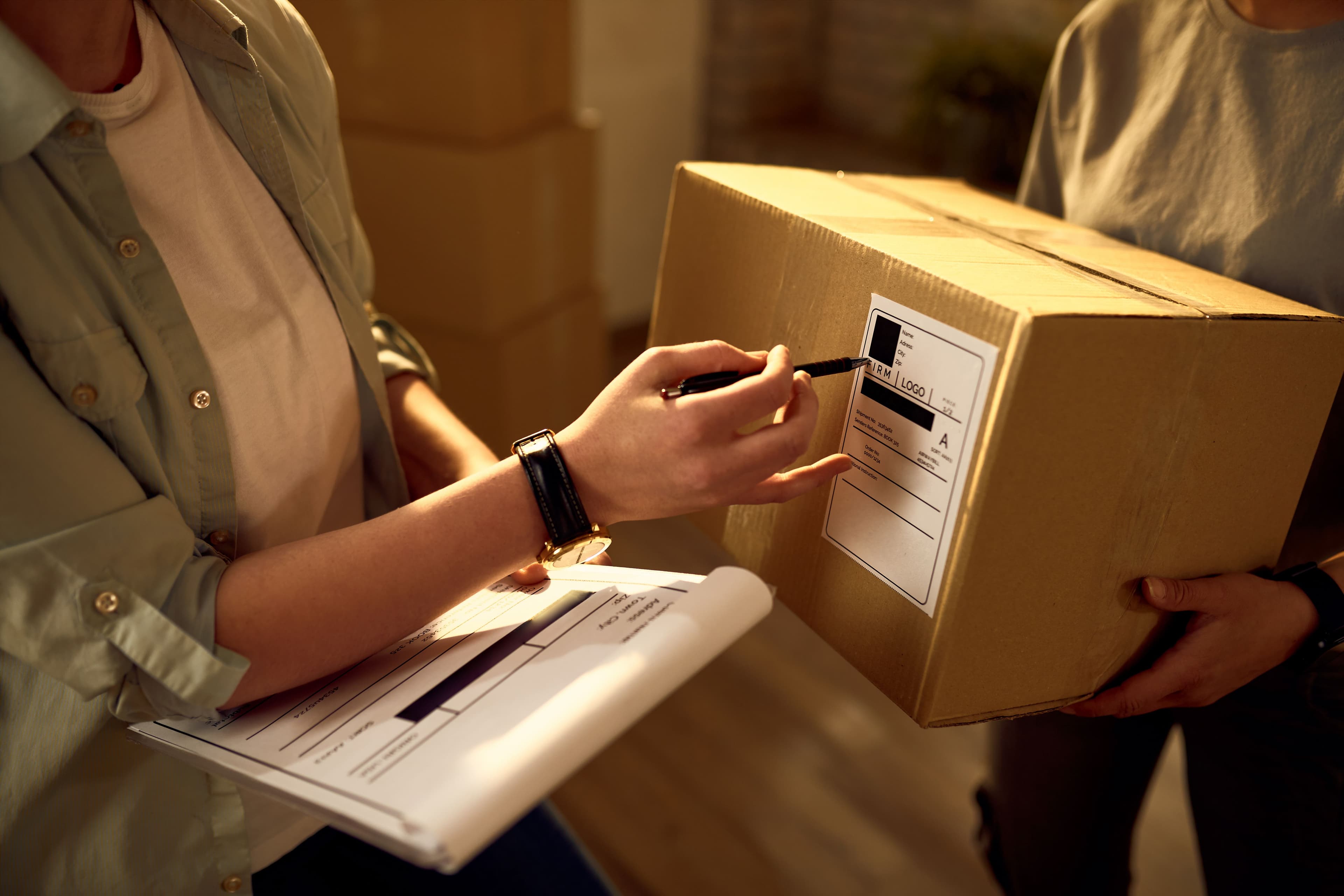
How to optimise parcel management and logistics with smart lockers
How to optimise parcel management and logistics with smart lockers
Dicas para Síndicos e PMES
 23/04/2026
 5 min
5 minTo understand why so many residential buildings are adopting smart lockers, it is essential to look at the figures shaping current consumer behaviour. In 2024, Brazil consolidated its online retail growth with revenue increasing by more than 10%, reaching transaction volumes that place direct pressure on buildings' physical infrastructure. The forecast for 2025 is even more challenging, with projections pointing to more than 435 million orders placed annually. This veritable tsunami of parcels turns the front desk into an improvised distribution centre, where the doorman often abandons his surveillance duties to act as a warehouse manager.
Traditional manual receiving logistics have failed to keep pace with the speed of e-commerce. The build-up of parcels creates risks ranging from physical loss to the building's civil liability for damage to high-value products. Furthermore, the loss of operational time is significant: it is estimated that in medium-sized buildings, the front desk team spends dozens of hours a month simply signing for parcels and using the intercom to notify residents of deliveries. Smart lockers solve this equation by automating the registration and custody of parcels, ensuring that internal logistics are as fast as the purchase made through the app.
Installation and technical infrastructure for smart lockers
Implementing a smart locker system requires technical planning that goes well beyond simply placing a unit in the lobby. As equipment combining robust hardware with cloud-based management software, the infrastructure must be prepared to ensure service continuity. The primary requirement for any smart locker is a stable mains power supply. Although consumption is low, stability ensures the electronic locks and control terminal operate without interruption.
Connectivity is the second essential pillar. The locker needs internet access, whether via network cable, Wi-Fi or a dedicated 4G/5G SIM, in order to synchronise data and send real-time notifications. An important differentiator when choosing a supplier is offline operating capability: the system should allow parcels to be collected even during a temporary network outage, syncing the logs once the connection is restored. As for physical space, the modularity of modern lockers allows the building to make use of underused areas, such as airlocks, corridor corners or even outdoor areas, provided they are properly covered.
Below are the essential steps for structuring the locker infrastructure:
Assessing the daily parcel volume to size the number of small, medium and large compartments required.
Choosing an easily accessible location for couriers, preferably before the second security airlock, or for doormen.
Installing a dedicated electrical circuit with earthing and surge protection.
Confirming that the internet signal at the chosen location has sufficiently low latency for the software to run reliably.
Levelling the ground to support the weight of the steel structure and ensure the electronic doors close properly.
Optimising logistics and courier flow at the front desk
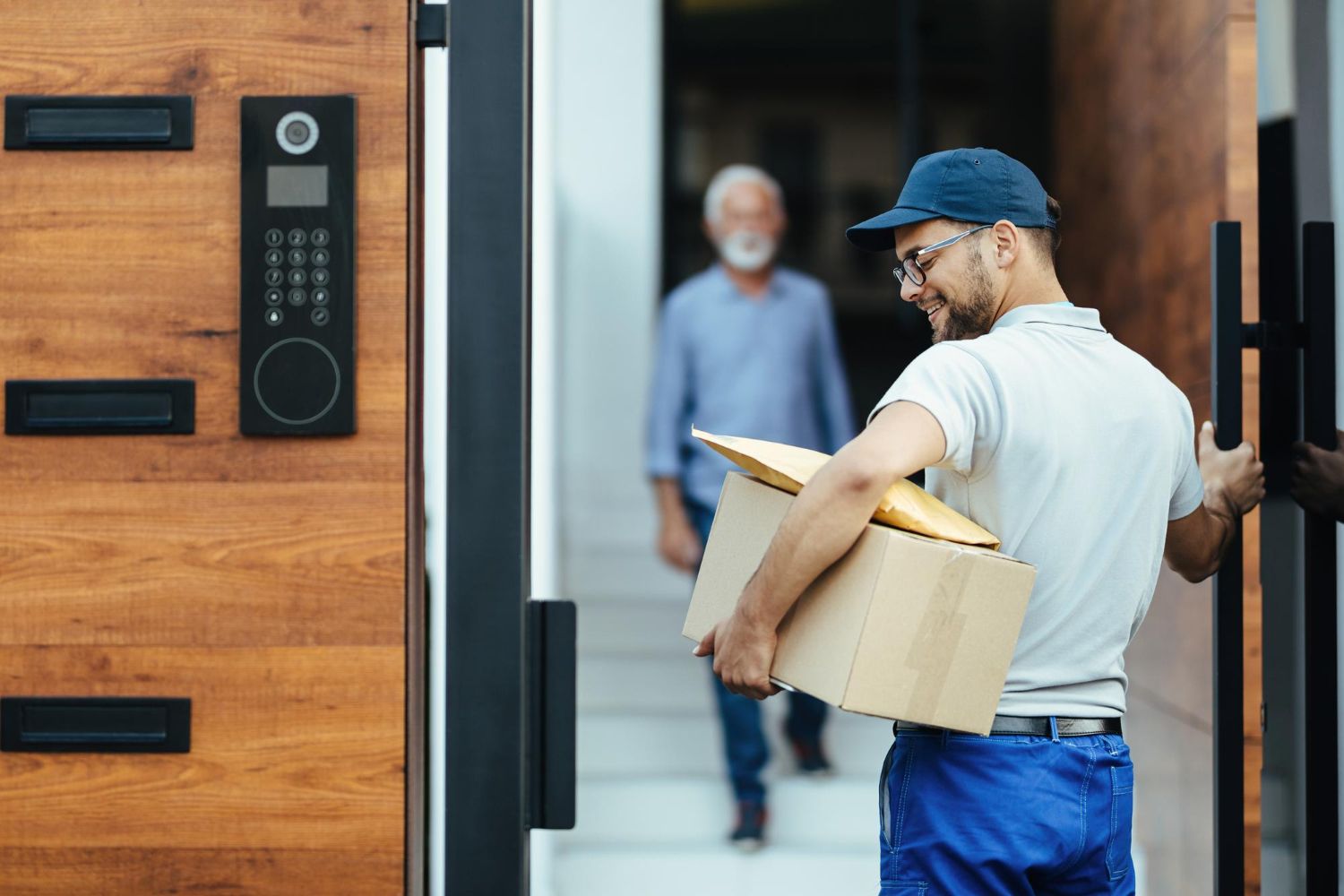
One of the greatest benefits of smart lockers is the restructuring of foot traffic at the front desk. In the conventional model, each courier requires identification time, contact with the resident and a wait for the parcel to be received, which creates bottlenecks and vulnerabilities in perimeter security. With lockers, the process becomes self-service. The courier arrives at the terminal, identifies themselves, selects the recipient's unit and deposits the parcel in a compartment suggested by the system based on the package size.
This automation drastically reduces direct interaction between strangers and building staff, a crucial factor for preventive security. Internal logistics gain in agility, as the system automatically triggers a notification to the resident via SMS, email or app, containing a unique code or collection QR code. This removes the need for the doorman to use the intercom repeatedly, allowing him to focus solely on monitoring cameras and controlling visitor access. Furthermore, giving residents the autonomy to collect their parcels at any time, 24/7, eliminates queues at the front desk during peak times, such as late afternoon, when many arrive home from work simultaneously.
Preventive maintenance and the longevity of the locker system
For smart lockers to maintain their efficiency, the building manager must pay close attention to maintenance protocols. As equipment combining mechanics and electronics, the natural wear of hinges and magnetic locks must be monitored. Preventive maintenance, generally carried out quarterly, includes calibrating door sensors, cleaning touch terminals and checking the integrity of the network cabling.
The software, however, is the part that requires constant updates. As smart lockers rely on integrations with logistics apps and building management systems, the developer must provide security patches and interface improvements remotely. It is highly advisable for the building to opt for subscription or leasing (SaaS) models, where technical support and part replacement are included in the monthly fee. This prevents the building from being caught off guard by unexpected repair costs and ensures the system never becomes obsolete amid the rapid technological changes in the e-commerce sector.
Usage rules and updating the internal regulations
The introduction of smart lockers requires a careful review of the building's collective rules. The internal regulations must be updated to define the responsibilities of each party involved in the parcel flow. It is essential to set maximum time limits for collecting parcels, given that locker space is finite and logistics depend on compartment turnover. Common rules stipulate a period of 48 to 72 hours for releasing the compartment, after which the parcel is moved to a manual custody area or the resident is charged an occupancy fee.
Another fundamental legal point is the delineation of civil liability. Although Law 6.538/1978 and the Code of Civil Procedure (CPC) impose receiving obligations on the administration, the use of smart lockers with digital logs serves as robust proof of delivery. The regulations should make clear that once a parcel has been successfully deposited and the code sent to the resident, the building is released from liability for damage caused by the length of time the parcel remained in storage or for product faults not recorded at the time of receipt. Clarity in these rules prevents conflicts and ensures the technology is used fairly by the whole community.
Tracking and the resident's digital experience

Transparency is what sets smart lockers apart from ordinary metal lockers. Every stage of the internal logistics process is traceable, generating an auditable history that the building manager can consult in the event of a dispute. When the courier completes the deposit, the system records photos of the package and, in some models, of the person making the delivery, linking this data to the carrier's original tracking code.
For the resident, the experience is one of total convenience. Receiving the instant notification allows them to know exactly when their purchase has arrived, eliminating anxiety and unnecessary trips to the front desk. Collection via QR code or biometrics is a process that takes less than ten seconds, guaranteeing the privacy of purchases, since no one other than the recipient knows what is being collected or which shop the parcel came from. This digitalisation of logistics raises the standard of living, bringing the building closer to the concept of a "Smart Building" and increasing residents' overall satisfaction with the building manager's administration.
Security and video monitoring in the locker area
The physical security of parcels is guaranteed by the strength of the steel and the encryption of access, but the perimeter security of the area where the locker is installed is equally vital. The location must be under the watchful eye of the building's closed-circuit television (CCTV) system. High-resolution cameras integrated with the security system make it possible to identify not only who operates the terminal, but also to monitor the behaviour of unfamiliar couriers moving through the area.
Intelligent security protocols suggest that the locker be positioned in a transition zone, where the courier can make the deposit without gaining access to internal leisure areas or residential blocks. Furthermore, integration with access control systems allows the building manager to receive alerts if a door is left open for too long or if there are repeated attempts using invalid codes. This extra layer of technology turns the parcel area into one of the safest and most controlled points in the building, reducing theft or "mix-ups" between neighbours' parcels to virtually zero.
Logistics for large-volume parcels and special items
Despite the versatility of smart lockers, extra-large items such as fridges, large televisions and furniture still pose a logistical challenge. These items do not fit in standard compartments and require an in-person receiving protocol. Residents should be advised to schedule these deliveries for times when they can be present themselves to receive and check the condition of the product.
To manage these cases without overloading the front desk, the building manager can designate a "Delivery Space" or large-item room, where logistics are controlled manually via management software, without the building holding the item for an extended period. As for perishable items, the growing trend is towards refrigerated lockers. These modules have temperature control for storing supermarket purchases, meat and medicines that require a cold chain, allowing residents to receive food deliveries even when they are not at home at the exact time of delivery. Integrating solutions for large volumes and refrigerated items is what sets basic management apart from high-performance administration.
NewSun: clean energy and savings for common areas

A building's technological modernisation, which includes installing security systems and smart lockers, calls for intelligent, sustainable financial management. This is where NewSun Energy Group becomes a strategic ally for Brazilian building managers. By choosing NewSun's clean energy subscription, the building can stabilise the electricity bill for common areas, shielding cash flow from the unpredictable swings of tariff bands and securing progressive savings that can be reinvested in further infrastructure improvements.
In addition to the direct economic advantage, NewSun offers genuinely personal service, understanding the nuances of building management and providing specialist support at every stage. Building managers have access to the NewSun Energy Club, an exclusive platform designed for precise tracking of energy spending, enabling transparent, data-driven accountability. By promoting the use of clean energy, the building not only saves money but also positions itself as a sustainable, modern development, raising its market value and attracting residents who prioritise environmental responsibility and technological efficiency.
Discover our Solutions for Residential Buildings.
Cost-benefit analysis and property appreciation
Investment in smart lockers should be viewed through the lens of Return on Investment (ROI). Although there is a monthly leasing or acquisition cost, the savings generated by optimising front-desk labour and eliminating costs from compensation for lost parcels are significant. A doorman who does not need to manage parcels manually is a professional who is more attentive to security, which can even allow for a reduction in staff numbers in buildings that move towards remote or hybrid front-desk models.
Furthermore, the increase in property value is immediate. Flats in buildings equipped with technologies that make digital life easier are in much greater demand among buyers and tenants from younger generations, who see parcel logistics as an essential service, on a par with a good internet connection or a well-equipped gym. In an increasingly competitive property market, offering smart parcel-receiving solutions is no longer a differentiator but a requirement for keeping units in demand.
Trends and the future of building logistics in 2026

Looking to the near future, logistics in residential buildings will become increasingly integrated with the Internet of Things (IoT) ecosystem. By 2026, the trend is for smart lockers to communicate directly with autonomous delivery robots that will move through building corridors to bring parcels to residents' doors. Artificial intelligence will be used to optimise compartment distribution, forecasting periods of high demand by analysing past purchasing data and proactively suggesting modular expansions.
The full digitalisation of these processes will mean the building's app becomes the command centre for everything: from opening the locker to managing energy consumption supplied by NewSun. Sustainability will be the central pillar, with lockers built from recyclable materials and operating in an energy-efficient way. The building manager who prepares today for these changes, adopting smart lockers and clean energy solutions, is paving the way for resilient, technologically advanced management focused on delivering a superior resident experience.
Steps for immediate implementation
To conclude this guide, it is clear that parcel logistics has become one of the most critical areas of building management. A building manager who ignores automation risks seeing the front desk collapse, facing constant complaints and avoidable legal risks. Adopting smart lockers is the most effective solution for restoring order, ensuring security and promoting operational efficiency.
The recommended steps for the modern building manager begin with a diagnosis of delivery volume and a search for trustworthy suppliers offering leasing models with maintenance included. At the same time, reviewing the internal regulations and implementing cost-saving solutions, such as NewSun's clean energy, ensure the building has the financial health to sustain its technological evolution. In the end, the result is management recognised for its innovation, satisfied residents and a valued property ready for the challenges of the digital economy in the years ahead.
NewSun always strives to bring savings, sustainability and convenience to its customers' everyday lives. We have already asked our CS team to get in touch to better understand what happened.
You may also like
- Dicas para Síndicos e PMES
 22/10/2026
 5m
5m - Casos de Sucesso20/10/20265m
- Dicas para Síndicos e PMES16/10/20265m




Stop paying more for your energy bill
Find out in less than 1 minute how much you could save with clean energy every month — no works and no bureaucracy.
Join the energy revolution
Subscribe to our newsletter and receive exclusive content