
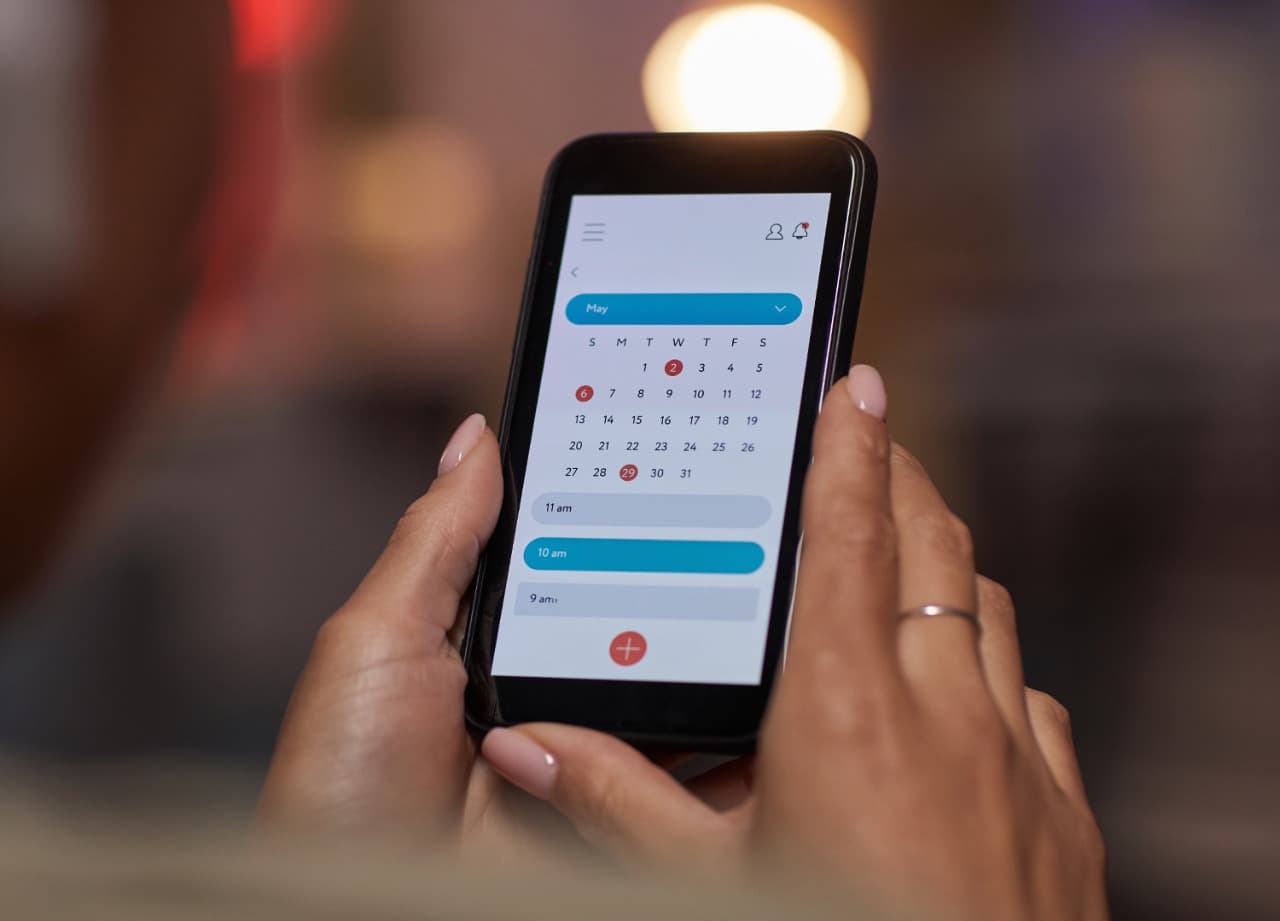
How to Manage Bookings for Shared Condominium Facilities without Conflict
How to Manage Bookings for Shared Condominium Facilities without Conflict
Dicas para Síndicos e PMES
 28/07/2026
 5 min
5 minShared leisure facilities — such as function rooms, sports courts, barbecue areas and study or coworking rooms — are among the biggest attractions and strongest selling points of a residential condominium. However, for property managers and management companies, managing bookings for these shared spaces is often one of the main sources of questions, uncertainty and conflict between residents.
Reconciling high demand at weekends with the need to ensure fairness, neutrality and transparency requires clear criteria and the support of technology. For the condominium manager, who acts as a generalist specialist, organising this flow intelligently not only prevents friction, but also enhances the value of the property and consolidates a modern administration admired by all.
The Use of Software and Digital Platforms to Automate Rules and Avoid Conflict

Historically, booking time slots depended on a physical paper logbook at reception or manual message exchanges with the administration — slow processes that were susceptible to mistakes, loss of history or unfair suspicions of favouritism. The adoption of condominium management software and dedicated mobile apps has transformed this routine, bringing speed and security:
Automation of the internal rules: The system itself applies the rules approved at the general meeting. If a unit reaches the monthly booking limit or is in arrears (if the regulations provide for this restriction), the app automatically blocks the request, without the property manager needing to intervene personally.
Transparency and auditable history: Residents and managers can view date and time availability in real time, putting an end to disputes about order of arrival or the integrity of bookings.
Simplified fee collection: The usage or cleaning fee can be integrated directly into the unit’s condominium charge, making the management company’s accounting easier.
Neutrality and Deadlines: How Far in Advance Should New Bookings Be Released?

Defining how far in advance the booking calendar opens is one of the most important points for maintaining equity in the condominium:
Ideal opening window: Recommended market practice for function rooms and barbecue areas is to release the schedule 30 to 60 days in advance. Very long periods (such as six months or one year) encourage “just-in-case” bookings that end up being cancelled at the last minute, blocking the calendar and preventing other condominium owners from using the space.
Standardised release time: Opening the calendar at a fixed, pre-determined time (for example, at midnight on the first day of each month via the app) ensures that all condominium owners have exactly the same opportunities to book their desired date.
Limit on simultaneous bookings: To prevent a single family from monopolising the month’s weekends, the regulations should stipulate a limit on active bookings per unit (for example, only one open weekend booking per flat).
Usage Formats and Management of Popular Commemorative Dates
Not all communal areas have the same usage dynamics, and the scheduling model should be adapted to each type of facility:
Bookings by day or shift vs. hourly bookings: Large spaces and social events, such as function rooms and gourmet areas, work better under the daily or shift-based booking model (morning, afternoon or evening), ensuring enough time for set-up, the event itself and cleaning. Structures with continuous and rotating use, such as sports courts, study rooms and coworking areas, should be managed in hourly blocks (for example, allowing one to two hours per resident per day), enabling multiple families to enjoy the space each day.
Popular festive and commemorative dates: Occasions such as Christmas, New Year’s Eve, Mother’s Day and Father’s Day generate demand far greater than the condominium’s capacity. In these cases, the first-come, first-served rule may cause significant dissatisfaction. The fairest and most transparent solution is to hold an auditable draw (at a general meeting or via the app), combined with a rotation system: the unit selected in one year is prevented from competing for the same date the following year, ensuring an opportunity for everyone.
How to Bypass Tariff Flags and Stabilise Electricity Bills with NewSun’s Energy Subscription

The expanded use of communal areas — with floodlights switched on at the courts, air conditioning running continuously in study rooms and high-power equipment in function rooms — has a direct and significant impact on the condominium’s electricity bill. In addition, the management’s budget planning constantly faces the threat of tariff unpredictability, caused by the tariff flags activated during periods of drought.
To protect the condominium’s cash flow against these unexpected increases and ensure stability in electricity bills, NewSun’s energy subscription emerges as a practical, safe and modern alternative. Through this ecosystem, the condominium begins to receive clean and renewable energy credits generated by partner plants, without requiring any physical works, installation of solar panels on the roof or changes to the building’s electrical standard.
The advantages of NewSun’s energy subscription for condominium administration include:
Protection and financial predictability: The model neutralises the impact of tariff flags and price fluctuations charged by local distributors, bringing real control and predictability to the budget approved at the general meeting.
Progressive savings: It reduces the fixed electricity costs of communal areas, freeing up funds for investment in maintaining the leisure spaces themselves or strengthening the building’s reserve fund.
No building works and a 100% digital transition: Sign-up takes place administratively and digitally, with no refurbishments, no interventions in the infrastructure and no risk of interruption to the electricity supply.
Leadership and added value with the Green Visionary Property Manager: By adopting a sustainable energy mix, the manager positions themselves as a Green Visionary Property Manager, promoting environmental responsibility in the community and adding asset value to the condominium.
By integrating the digital organisation of bookings with the stability and predictability offered by NewSun, the manager shields the condominium against waste, eliminating friction and ensuring a superior experience for all residents.
Learn more about NewSun’s Clean Energy Subscription.
Transparency and Efficiency
Efficient and harmonious condominium management is based on clear processes, fair rules and tools that simplify everyday life for residents and administrators. By organising the booking of communal areas with the help of software, defining appropriate advance notice periods and managing popular dates impartially, the property manager eliminates conflict and ensures democratic use of the property.
Likewise, relying on intelligent solutions for managing operating costs — such as NewSun’s energy subscription — ensures the financial predictability needed to keep communal areas fully operational at all times, without shocks in electricity bills and with a constant focus on the community’s wellbeing.
You may also like
- Dicas para Síndicos e PMES
 22/10/2026
 5m
5m - Casos de Sucesso20/10/20265m
- Dicas para Síndicos e PMES16/10/20265m



Stop paying more for your energy bill
Find out in less than 1 minute how much you could save with clean energy every month — no works and no bureaucracy.
Join the energy revolution
Subscribe to our newsletter and receive exclusive content