

How to Care for a Condominium Garden in Winter
How to Care for a Condominium Garden in Winter
Dicas para Síndicos e PMES
 14/08/2026
 5 min
5 minThe arrival of the colder seasons profoundly changes both the operational dynamics and the appearance of residential and commercial condominiums. While building management usually turns its attention to heating systems, boilers and thermal insulation, the development’s green spaces undergo a quiet transformation. Trees lose their leaves, lawns grow more slowly and flower beds seem to lose the brilliance they displayed in spring and summer.
For property managers, board members and condominium management companies, who must oversee a wide range of property-related matters, it is easy to assume that a winter garden enters a state of ‘natural neglect’ and requires no specialist attention. Nothing could be further from the truth. Winter is not a pause in gardening; it is the most important period of preparation in the annual cycle.
How the condominium cares for the soil, adjusts watering, manages fallen leaves and applies the right fertiliser during the colder months will determine whether the planting withstands frost and returns with vigour and beauty the following spring.
In this comprehensive guide, you will learn how plants behave in cold weather, which preventive maintenance measures are essential for soil and flower beds, how to turn dry leaves into a source of thermal protection, which species flower during the season and how to preserve the property’s visual appeal throughout the year.
Plant Dormancy: Understanding Plant Behaviour in Cold Weather
To manage the condominium’s gardening services effectively, the manager needs to understand what happens to plants biologically during winter.
As temperatures fall, sunlight weakens and the days grow shorter, most plant species enter a physiological state known as dormancy. This is an evolutionary survival mechanism: the plant slows its metabolism, reduces sap flow to its upper branches and redirects its energy reserves to the root system, protecting itself from freezing temperatures and reduced light.
Yellowing and Fallen Leaves: Disease or a Natural Process?
During this phase, residents often contact the maintenance team because they believe the plants are dying or are not being properly cared for. Management should explain that deciduous species — such as ipê, jequitibá and mango trees, together with various plane trees and ornamental species — deliberately shed their leaves in autumn and winter to conserve water and energy.
By contrast, excessive yellowing in tropical species that do not normally shed their leaves, such as palms, philodendrons and heliconias, may indicate cold stress, excess moisture around the roots or an attack by opportunistic fungi associated with damp, cold conditions. Recognising the difference helps prevent inappropriate measures, such as overwatering or applying unsuitable fertilisers.
Winter Irrigation and Pruning Management: Where the Biggest Mistakes Occur
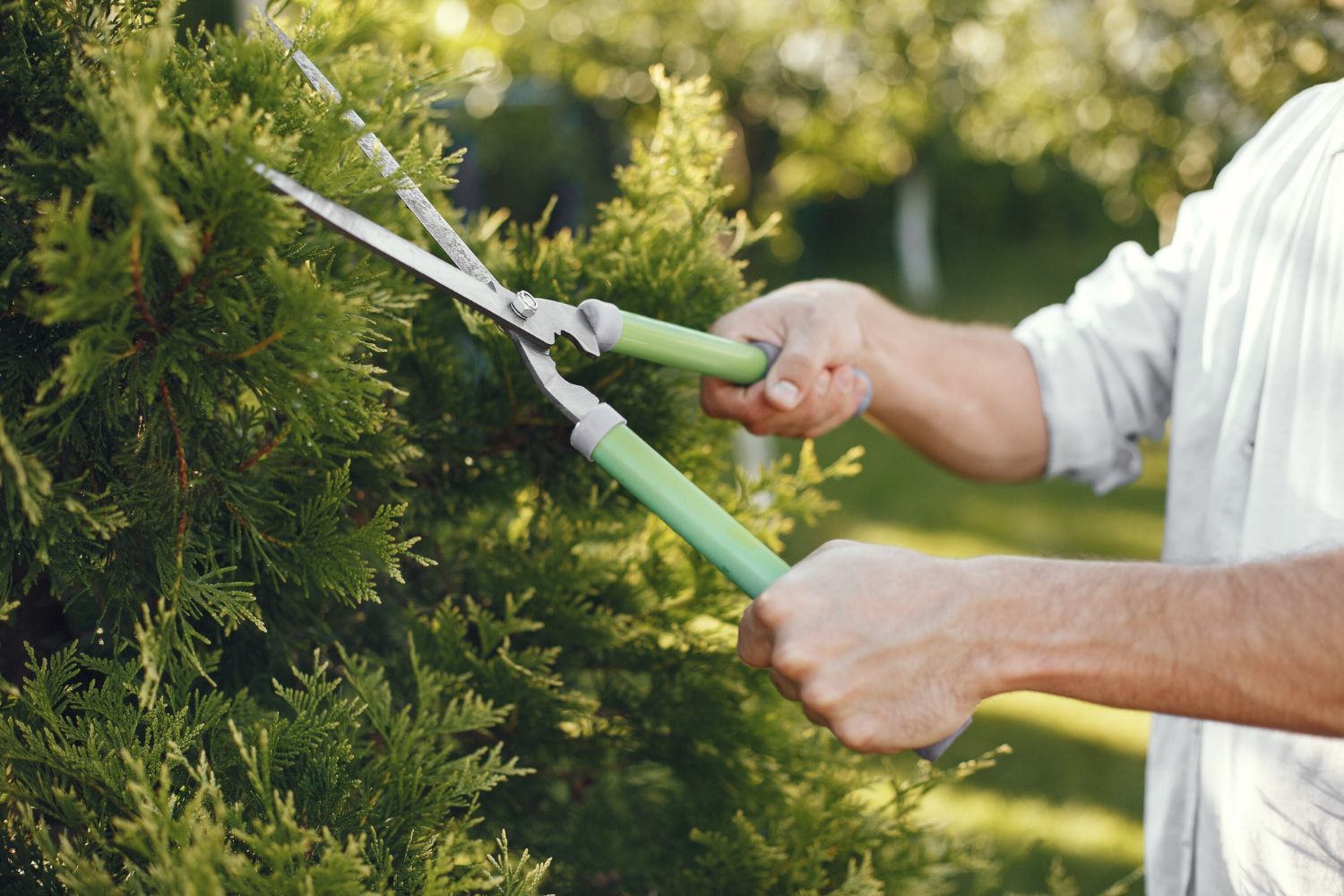
Changing weather conditions require immediate adjustments to the routine of the condominium’s in-house or outsourced gardening team. Maintaining the same watering and pruning frequency in winter as in summer is one of the main causes of plant loss in communal areas.
Strategic Reduction in Irrigation
During winter, the rate of water evaporation from the soil drops sharply. If the condominium keeps its automated irrigation system running for the same duration and at the same frequency as in summer, the soil will remain permanently waterlogged.
The risk of waterlogging: Water held in cold soil reduces oxygen around the roots, causing root rot and creating the perfect environment for soil fungi and destructive bacteria.
The Soil ‘Finger Test’: Gardeners should be instructed to water only when the top 3–5 cm of soil feels clearly dry to the touch.
Best time to water: Irrigation should preferably take place early in the morning. Watering in the late afternoon or evening leaves water on foliage and in the soil during cold nights, where it may freeze or encourage leaf scorch and disease.
Maintenance Pruning vs Formative Pruning
Winter is often described as ‘pruning season’, but that statement needs important qualification:
Maintenance Pruning (Recommended): This is the ideal time to remove dead, broken or diseased branches, as well as branches obstructing pedestrian routes or the condominium’s feature lighting. Removing dead material improves air circulation through the foliage and allows limited winter sunlight to reach the centre of the plant.
Take Care with Spring-Flowering Species: Never carry out drastic winter pruning on plants that flower in early spring, such as azaleas, ipês, bougainvilleas, camellias and hydrangeas. In these species, flower buds have already formed on the branches during winter. Pruning them at this time means removing the entire year’s display.
Protecting exposed cuts: Where thicker branches must be cut, a suitable pruning sealant may be applied to help protect the wound while the plant’s natural defences are reduced by the cold.
Responsible Winter Fertilisation: What to Apply and What to Avoid
Fertilising flower beds and lawns in cold weather requires an understanding of soil chemistry and plant metabolism. Choosing the wrong fertiliser can trigger premature growth that may be damaged by the first frost or cold winds.
The Danger of Excess Nitrogen
Chemical fertilisers with a high concentration of nitrogen (N) — such as agricultural urea or NPK formulations with a high first number (for example, NPK 20-05-05) — stimulate rapid growth of soft new leaves and shoots. If these shoots emerge in midwinter, the young tissue may be damaged by morning frost, causing open wounds and dieback. Heavy nitrogen fertilisation should therefore be avoided for dormant plants.
Focusing on Root Protection: Balanced Organic and Mineral Fertilisation
In winter, the purpose of fertilisation is not to make the plant grow upwards but to strengthen its roots and cell walls so that it can withstand the season. The best options at this time include:
Slow-Release Organic Fertilisers: Applying worm castings, well-rotted cattle or poultry manure, castor cake and bone meal to flower beds is highly beneficial. These organic fertilisers improve the soil’s physical structure, encourage beneficial microbial life and release nutrients gently and continuously.
Phosphorus (P) and Potassium (K): Mineral formulations rich in phosphorus, which encourages rooting, and potassium, which regulates water use in cells and increases cold resistance, are ideal. Applying a balanced NPK fertiliser, such as the classic NPK 04-14-08 or NPK 10-10-10 in moderate doses, while loosening the soil prepares the garden for a burst of growth in early spring.
Lime and Soil Acidity Correction: Winter can be an appropriate time to apply dolomitic lime to lawns and flower beds where a soil test indicates that acidity needs correcting. Lime takes several weeks to react with moisture in the soil, helping to create more suitable pH conditions by the time spring arrives.
The Value of Dry Leaves: From ‘Urban Waste’ to Mulch

One of the biggest changes in outlook in modern condominium landscaping concerns the use of the dry leaves that fall in abundance during autumn and winter.
Under traditional management, cleaning teams sweep up, bag and dispose of tonnes of dry leaves as general waste. This wastes a natural resource and creates unnecessary expense. In sustainable landscaping, dry leaves are recognised as ‘brown gold’ for soil health.
The Mulching Technique
Mulching involves spreading a 5–10 cm layer of dry organic matter — shredded leaves, pine bark, straw or wood chippings — over the soil in flower beds and around the trunks of trees and shrubs.
The strategic benefits of mulch in winter are exceptional:
Thermal Insulation for the Soil: A layer of dry leaves acts as a natural ‘duvet’ for the soil. It prevents extreme cold and frost from reaching the soil surface directly, keeping root temperatures up to 3°C to 5°C warmer than the surrounding air.
Moisture Retention and Less Watering: Mulch sharply reduces moisture loss from the soil in dry winter winds, allowing watering to be less frequent and reducing the condominium’s water consumption.
Weed Suppression: By covering the soil, mulch prevents sunlight from reaching unwanted weed seeds, reducing the gardening team’s need for manual weeding.
Nutrients from Decomposition: As dry leaves decompose slowly over the months, they become rich organic matter, enriching the soil at no extra cost to the condominium.
Organisation and Safety in Communal Areas
Although mulch is highly beneficial within flower beds, management must ensure that walkways, pavements, stairs and garages are kept clear. Dry leaves on surfaces dampened by drizzle or morning dew can become extremely slippery, creating a significant risk of slips and falls for residents and visitors.
The instruction for the maintenance team is simple: sweep leaves away from pedestrian areas and place them directly inside flower beds and beneath trees, turning a sweeping problem into a horticultural solution.
Winter Landscaping: Strategies to Keep the Condominium Beautiful and Appealing in Cold Weather
One of the property manager’s greatest challenges is preventing communal areas and the condominium façade from looking grey, gloomy and neglected during the colder months. With thoughtful landscape planning, it is entirely possible to keep the garden colourful and lush throughout the year.
Flowers and Plants that Bloom in Winter
Not all plants become dormant in cold weather. A group of annual and perennial species reaches its peak of beauty and flowering precisely at lower temperatures. Introducing these species into prominent beds, such as at the main entrance and in entrance halls, renews the development’s appearance:
Pansy (Viola tricolor): One of the most cold- and frost-resistant bedding plants. It produces flowers in vibrant combinations of yellow, purple, deep velvety shades and white.
Petunia: Flowers profusely in mild and cold climates, producing dense displays in shades of pink, red, violet and white.
Snapdragon (Antirrhinum majus): Adds height to beds with its upright stems and colourful flowers.
Calendula and Dianthus: Hardy, very easy-to-grow species that bring warm orange and red tones to the winter garden.
Camellias and Azaleas: Large structural shrubs that begin their spectacular flowering in late autumn and continue through winter.
Highlighting Colourful Foliage and Textures
When flowers are scarce, evergreen foliage takes centre stage. The strategic use of plants with contrasting leaf colours keeps beds attractive:
Crotons and Dracaenas: Provide shades of red, yellow, copper and dark green.
Liriopes and Agapanthus: Maintain a green, orderly structure along path edges.
Use of Gravel, Pine Bark and Expanded Clay: Combining mineral and plant materials to cover exposed soil gives flower beds a clean, sophisticated and modern finish, concealing any gaps in dormant vegetation.
Warm Feature Lighting
In winter, darkness falls earlier. Using warm-white LED feature lighting (2700K to 3000K — yellow-toned light) directed at the trunks of leafless trees, sculptures and shrubs creates a dramatic, welcoming effect in the condominium’s evening social areas, enhancing both architecture and vegetation.
Budgetary Photosynthesis: How NewSun’s Clean Energy Cultivates Your Condominium’s Financial Health in Winter

While garden plants slow their metabolism in winter to conserve energy and return vigorously the following spring, the condominium’s operational infrastructure moves in the opposite direction. During the colder months, electricity use in communal areas can rise significantly. Water-heating systems and boilers run for longer, perimeter lighting remains on for more hours as the days shorten, and recirculation pumps and mechanical ventilation systems continue to operate — all placing additional pressure on the building’s electricity bill.
For the property manager, this operational demand is compounded by the unpredictability of electricity bills. Historically, winter coincides with the dry season in Brazil’s river basins, which may lead ANEEL to activate yellow or red tariff flags. These fluctuations increase the cost per kilowatt-hour (kWh), erode the reserve fund, push spending beyond the budget approved at the annual general meeting and create friction when the accounts are presented to residents.
To help break this cycle of waste and bring greater stability to the condominium’s finances, NewSun has developed an innovative model of financial photosynthesis: subscription-based clean energy.
Just as a well-tended garden draws nutrients from the soil to thrive in every season, the condominium receives electricity credits generated by highly efficient renewable-energy plants. NewSun’s model delivers progressive, predictable savings on electricity used in communal areas without requiring the condominium to make an upfront investment (zero CAPEX), install rooftop solar panels or carry out building works.
Our work is supported by the technical excellence of our 5D Matrix:
Debureaucratise: We eliminate paperwork and slow regulatory processes. Joining the subscription service is entirely digital and straightforward.
Decentralise: We connect your condominium directly to distributed renewable-energy generation, democratising access to the benefits of the energy transition without requiring work on the building.
Digitalise: We provide an intuitive technology platform for real-time monitoring of energy consumption and credits, giving managers clear, convenient oversight.
Decarbonise: We promote genuine, practical sustainability. The condominium reduces its carbon footprint, strengthens environmental indicators and adds market value to the property.
Move beyond commoditisation: We turn the electricity bill — once seen as a passive, unpredictable cost — into a tool for budget efficiency, with greater predictability and protection against tariff peaks.
By subscribing to NewSun’s clean-energy service, the condominium gains greater financial predictability, freeing up resources for landscaping, security and ongoing improvements to the development.
Find out everything about our Clean Energy Subscription.
Conclusion
Caring for the garden during winter is one of the clearest signs of preventive, intelligent condominium management committed to preserving the property. Understanding that plants become dormant makes it possible to adjust watering, avoid disastrous pruning of spring-flowering species and apply organic and mineral fertilisers at the correct time.
By reusing dry leaves through mulching, management protects roots from the cold, conserves soil moisture and saves resources that would otherwise be spent on waste disposal. Introducing winter flowers and using warm feature lighting ensure that the condominium remains visually sophisticated and welcoming throughout the cold season.
Likewise, extending this focus on efficiency to infrastructure costs — by subscribing to NewSun’s clean-energy subscription service to help protect the building from fluctuations caused by tariff flags — supports modern, sustainable management and lasting financial health for the whole community.
You may also like
- Dicas para Síndicos e PMES
 25/09/2026
 5m
5m - Energia por Assinatura24/09/20265m
- Dicas para Síndicos e PMES23/09/20265m





Stop paying more for your energy bill
Find out in less than 1 minute how much you could save with clean energy every month — no works and no bureaucracy.
Join the energy revolution
Subscribe to our newsletter and receive exclusive content