
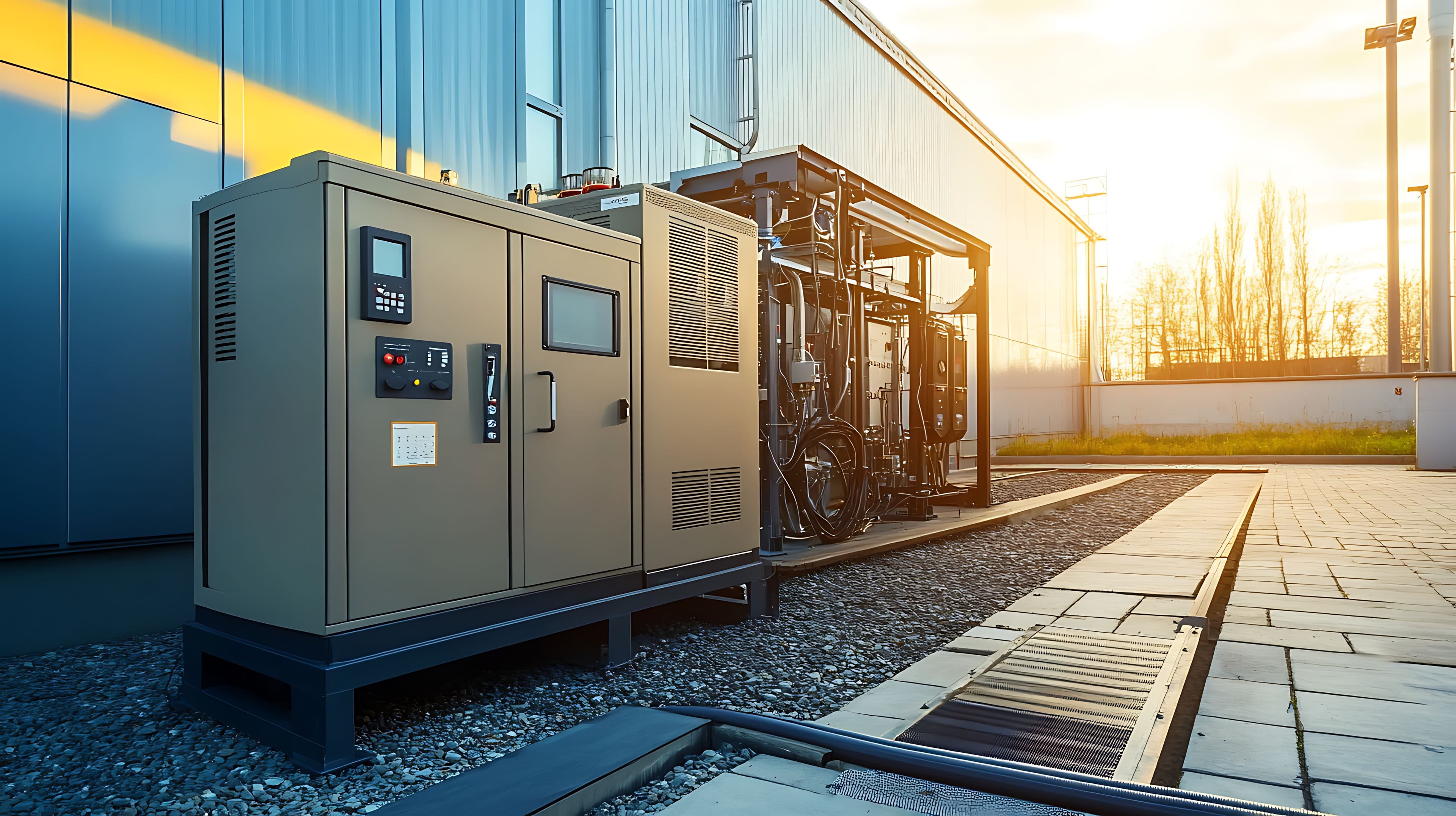
How to avoid generator and other machinery noise in apartment blocks
How to avoid generator and other machinery noise in apartment blocks
Dicas para Síndicos e PMES
 25/09/2026
 5 min
5 minResidents’ comfort does not depend only on the safety, cleanliness and maintenance of shared areas. The sound environment also has a strong influence on quality of life within apartment blocks. When constant noise becomes part of daily routine, complaints, conflicts between residents and even impacts on the property’s value commonly arise.
Among the main sources of noise disturbance are power generators, lift motor rooms, exhaust systems, hydraulic pumps, compressors, chillers and air-conditioning equipment. Although they are essential for the operation of the building, these systems need to be installed and operated according to technical criteria that preserve residents’ acoustic comfort.
This concern is not only a matter of wellbeing. In Brazil, the assessment of environmental noise in inhabited areas follows guidelines established by ABNT NBR 10151, a standard used as a technical reference for measurements and assessments of sound impact in communities and urban environments.
In this article, you will understand what kinds of noise a generator usually produces, why its location is so important, which acoustic insulation solutions can be used safely and how other common equipment in apartment blocks also requires special attention.
Why is noise an important concern in apartment blocks?
Noise pollution is considered by specialists to be one of the main sources of discomfort in large urban centres. According to information widely shared by organisations linked to acoustics and public health, excessive noise can contribute to stress, sleep disturbance, reduced concentration and a lower quality of life.
In apartment blocks, the situation requires extra attention because many pieces of equipment operate close to residential units. Even machines that only run in emergencies, such as generators, can cause considerable discomfort when they start operating during a prolonged power outage.
For this reason, modern building management seeks to balance two equally important goals: ensuring the operational safety of the building and preserving residents’ acoustic comfort.
What kind of noise does a generator make?
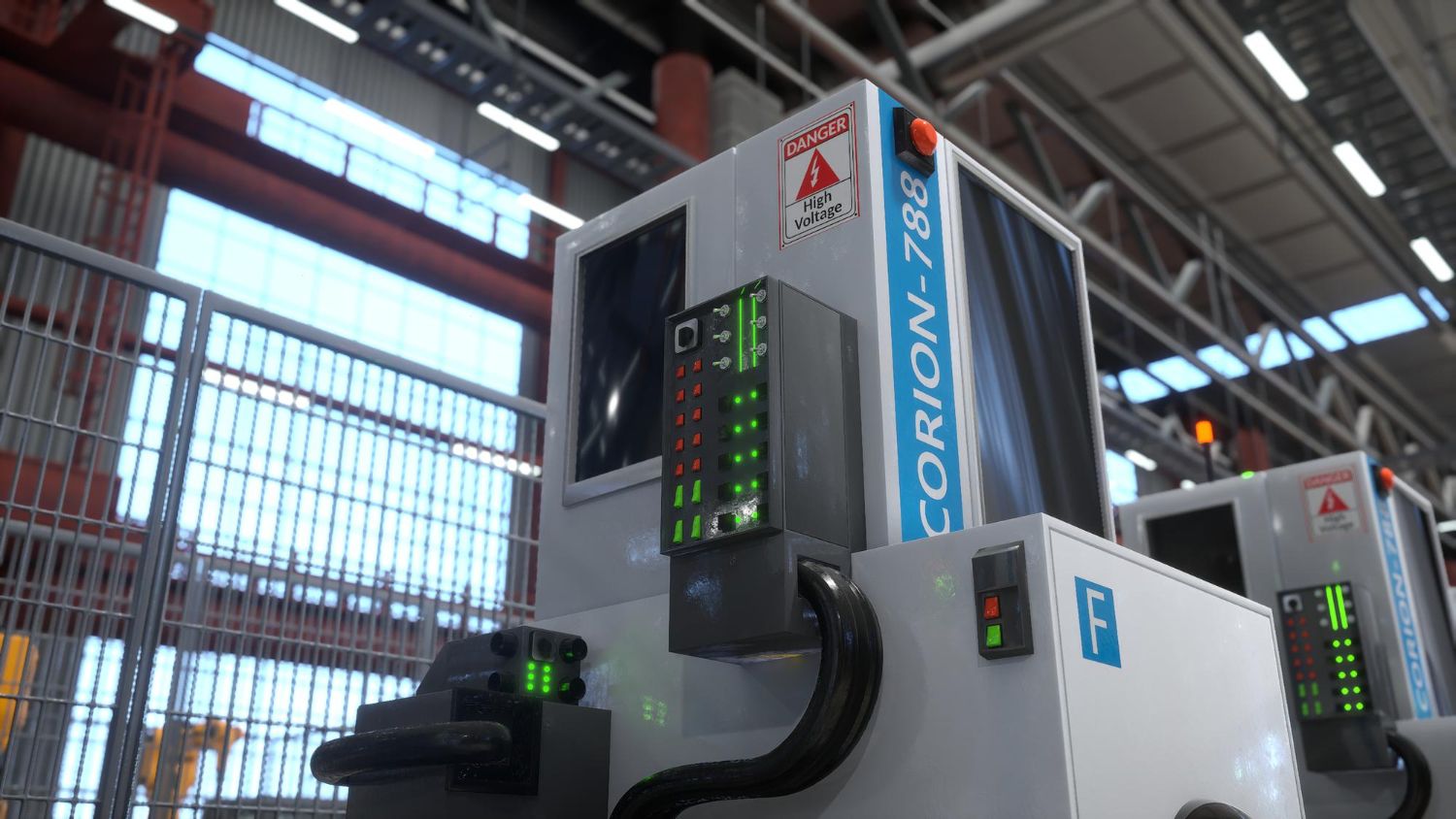
Generators, especially diesel-powered ones, produce different types of noise simultaneously. It is not just the sound of the engine running.
The noise generated normally results from the combination of internal combustion, exhaust, cooling system ventilation, mechanical vibration and the operation of internal components. These sound sources work together and create a continuous noise that can be perceived as highly disturbing in residential areas.
Depending on the model, power output and installation configuration, noise levels can vary significantly. Generators without acoustic treatments are usually much louder than models equipped with acoustic enclosures or cabinets designed for noise reduction.
Another aspect that is often overlooked is vibration. Even when airborne noise is reduced by means of acoustic cabins, vibrations can travel through the building structure and generate audible sounds on floors far from the plant room. This is precisely why acoustic control should be considered in an integrated way and not merely focused on wall coverings.
The importance of choosing the generator’s location correctly
One of the most important decisions when implementing a power generation system in apartment blocks is its location.
Many people believe that installing a generator in any available space is enough. In practice, the choice of location can be decisive in determining whether residents will complain over the years.
The general recommendation is that the equipment should be installed in areas as far as possible from bedrooms, living rooms and spaces intended for residents’ rest. The greater the distance between the sound source and the residential units, the lower the perceived impact tends to be.
Another important factor is to prevent ventilation outlets, extractors and exhausts from facing windows or balconies. Even when the main noise is under control, these openings can act as real channels for sound propagation.
In new developments, the ideal approach is to consider acoustic treatment during the design phase. In existing apartment blocks, acoustic studies can help identify the best mitigation strategies.
What is acoustic insulation for generators?
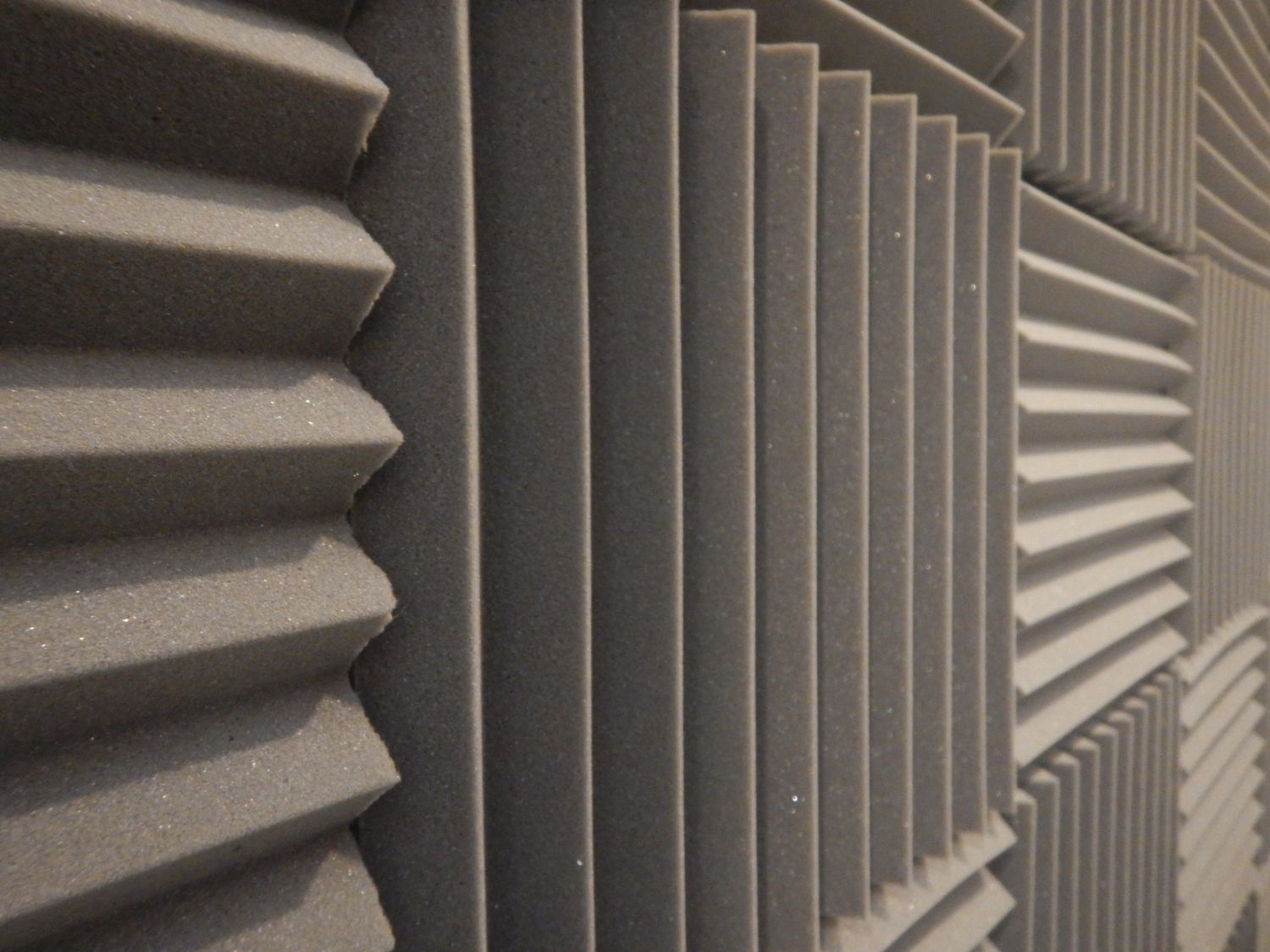
Acoustic insulation consists of a set of solutions developed to reduce the propagation of sound between the environment where the machine operates and areas occupied by people.
Contrary to what many people imagine, acoustic insulation does not simply mean “lining walls”. A proper project considers different mechanisms of sound propagation.
These include:
Airborne noise;
Structure-borne noise;
Mechanical vibration;
Noise transmitted through ducts;
Noise from the exhaust;
Sound reflection on surfaces.
An efficient project usually combines several techniques to treat all these sources simultaneously.
Most commonly used acoustic insulation solutions
Acoustic enclosure
One of the best-known solutions is the acoustic enclosure of the generator.
In this system, the equipment is installed inside a cabin or compartment designed to reduce sound emissions. The walls receive specific materials to absorb and block sound, while air inlets and outlets are treated to prevent acoustic leaks.
In addition to reducing noise, this solution also helps protect the equipment from weather conditions when installed outdoors.
Exhaust silencers
The engine exhaust system is one of the main noise sources in a generator.
For this reason, it is common to use industrial silencers developed specifically to reduce the noise produced by exhaust gases. Depending on the application, different levels of attenuation can be specified.
Vibration isolators
Vibration may be responsible for sounds perceived far away from the machine.
To avoid this problem, devices known as vibration isolators, special mounts and springs are used to prevent vibrational energy from being transmitted to the building structure.
Acoustic treatment of the plant room
In addition to the equipment itself, the room where it is installed can receive acoustic treatment.
This may include:
Acoustic panels;
Acoustic doors;
Sound barriers;
Specific ceiling linings;
Reverberation control;
Absorbent coverings.
The aim is to prevent the room from amplifying the noise produced by the machine.
Care with flammable materials in acoustic insulation
One mistake that deserves attention is the use of unsuitable materials simply because of their low cost.
Not every product that looks like foam has adequate acoustic performance. Even more concerning is the fact that some materials may be flammable, increasing the risks in environments that house engines, fuels and electrical systems.
For this reason, the components used in acoustic projects should follow technical criteria relating to fire resistance, operational safety and compliance with applicable standards.
In environments that house generators, acoustic insulation must never compromise ventilation, heat dissipation or fire safety requirements.
This is one of the reasons why improvised projects tend to deliver poorer results and significantly higher risks.
Which professionals can design an acoustic insulation system?
The installation of an acoustic insulation system for generators should not be carried out without technical supervision.
The professionals usually involved include:
Acoustic engineer
This is the specialist responsible for sound assessment, measurements, simulations and defining the most appropriate acoustic solutions for each situation.
Mechanical engineer
This professional takes part in analyses related to vibration, ventilation, exhaust and equipment operation.
Electrical engineer
This professional mainly works on aspects related to generator installation, power supply, operational safety and compatibility with the apartment block’s systems.
Companies specialising in acoustics
Specialist companies usually bring together multidisciplinary teams capable of preparing reports, studies and complete detailed designs.
Investing in qualified professionals significantly reduces the chance of rework and increases the efficiency of the solutions implemented.
Other common noisy equipment in apartment blocks

Although generators are frequently remembered when the subject is noise, they are not the only equipment capable of causing discomfort to residents.
Several systems operate daily inside residential buildings.
Lift motor rooms
Traction equipment, motors and mechanical lift systems can transmit vibrations to the building structure.
When insulation is not adequate, residents on the upper floors often notice operating noises, especially at night.
For this reason, installation normally includes specific solutions for vibration control and acoustic treatment of the plant room.
Hydraulic pumps
Booster, pressurisation and fire-fighting pumps can generate continuous vibrations.
Without appropriate supports, these vibrations spread through the pipework and the building structure, causing sounds that can be heard in flats far from the installation location.
Exhaust and ventilation systems
Garages, industrial kitchens, technical areas and waste facilities frequently use large extractors and fans.
This equipment can produce constant noise and requires acoustic attenuators, sound barriers and vibration insulation.
Central air conditioning and chillers
High-end commercial and residential buildings frequently use central climate-control systems.
Compressors, fans and condensers can produce high noise levels if they are not properly treated.
The problem tends to be more critical when these plants are installed close to leisure areas or residential units.
Compressors and maintenance equipment
Systems used in workshops, building maintenance and technical centres also deserve attention. Even equipment used only occasionally can generate relevant sound impacts if it is located close to flats or shared areas.
How can the property manager preserve acoustic comfort in the apartment block?
The first step is to consider sound comfort as part of the building management strategy.
Just like issues related to safety, sustainability and energy efficiency, the residents’ experience is influenced by the way the apartment block’s equipment is specified and maintained.
Good practices include:
Carrying out periodic inspections;
Monitoring noise-related complaints;
Investigating abnormal vibrations;
Commissioning acoustic reports when necessary;
Reviewing old installations;
Considering acoustic solutions in renovations and retrofits;
Planning new equipment properly.
Preventive management is almost always more economical than correcting problems after years of complaints.
How NewSun’s energy subscription contributes to more predictable building management

In addition to concerns about acoustic comfort, property managers and administrators also deal daily with another important challenge: the predictability of the apartment block’s operating costs. Electricity is among the expenses that most influence the budget for shared areas, especially in developments with lifts, hydraulic pumps, climate-control systems, lighting and safety equipment running continuously.
In this context, NewSun’s energy subscription helps apartment blocks and companies face the so-called Force of Unpredictability, turning energy management into a more transparent, digital and strategic process. Through NewSun’s Energy Ecosystem, property managers and building managers gain a clearer view of their energy costs, strengthening financial planning and contributing to more efficient and sustainable administration.
Conclusion
Acoustic insulation for generators is much more than a comfort measure. It is a strategy that contributes to harmonious coexistence among residents, preserves quality of life and helps avoid disputes within apartment blocks.
Generators play a fundamental role in the operational safety of developments, but they need to be installed with proper planning, strategic location, vibration control and acoustic treatment compatible with the environment in which they are located.
The same principle applies to lifts, hydraulic pumps, exhaust systems and the other technical equipment that forms part of the modern infrastructure of apartment blocks.
For property managers and administrators, investing in projects led by specialised professionals is an intelligent way to protect the property, increase the development’s value and provide residents with a more comfortable experience.
You may also like
- Dicas para Síndicos e PMES
 25/09/2026
 5m
5m - Energia por Assinatura24/09/20265m
- Dicas para Síndicos e PMES23/09/20265m



Stop paying more for your energy bill
Find out in less than 1 minute how much you could save with clean energy every month — no works and no bureaucracy.
Join the energy revolution
Subscribe to our newsletter and receive exclusive content