
How to avoid electrical overload in condominiums
How to avoid electrical overload in condominiums
Dicas para Síndicos e PMES
 13/07/2026
 5 min
5 minThe electrical wiring that supplies homes and common areas is, by nature, invisible. This invisibility often hides the natural wear and tear of the system's physical components, creating space for serious faults, abrupt supply interruptions, and even tragic accidents. When the electrical network of modern condominiums is ignored, the consequences can be devastating. Therefore, understanding the dynamics of these installations is an indispensable differentiator for anyone wishing to carry out preventive and efficient administration. In this scenario, the danger of severe electrical overload emerges as one of the main hidden threats to be managed.
With the continuous increase in the use of high-power appliances, old and outdated networks suffer extreme pressure daily in residential and commercial condominiums. Ensuring that building maintenance is carried out periodically to avoid an unexpected electrical overload is not just a legal obligation of the building manager, but also an act of moral responsibility towards the lives that inhabit the space. By investing in the preventive care of condominium wiring and the modernisation of electrical distribution boards, the building manager neutralises risks and establishes a legacy of physical and financial security. Active maintenance against electrical overload is the path to restoring order and predictability, avoiding technical disorder that harms the co-ownership's general cash flow. Investing in robust preventive maintenance protects the collective and adds value to the properties.
What is it and what causes electrical overload in buildings?

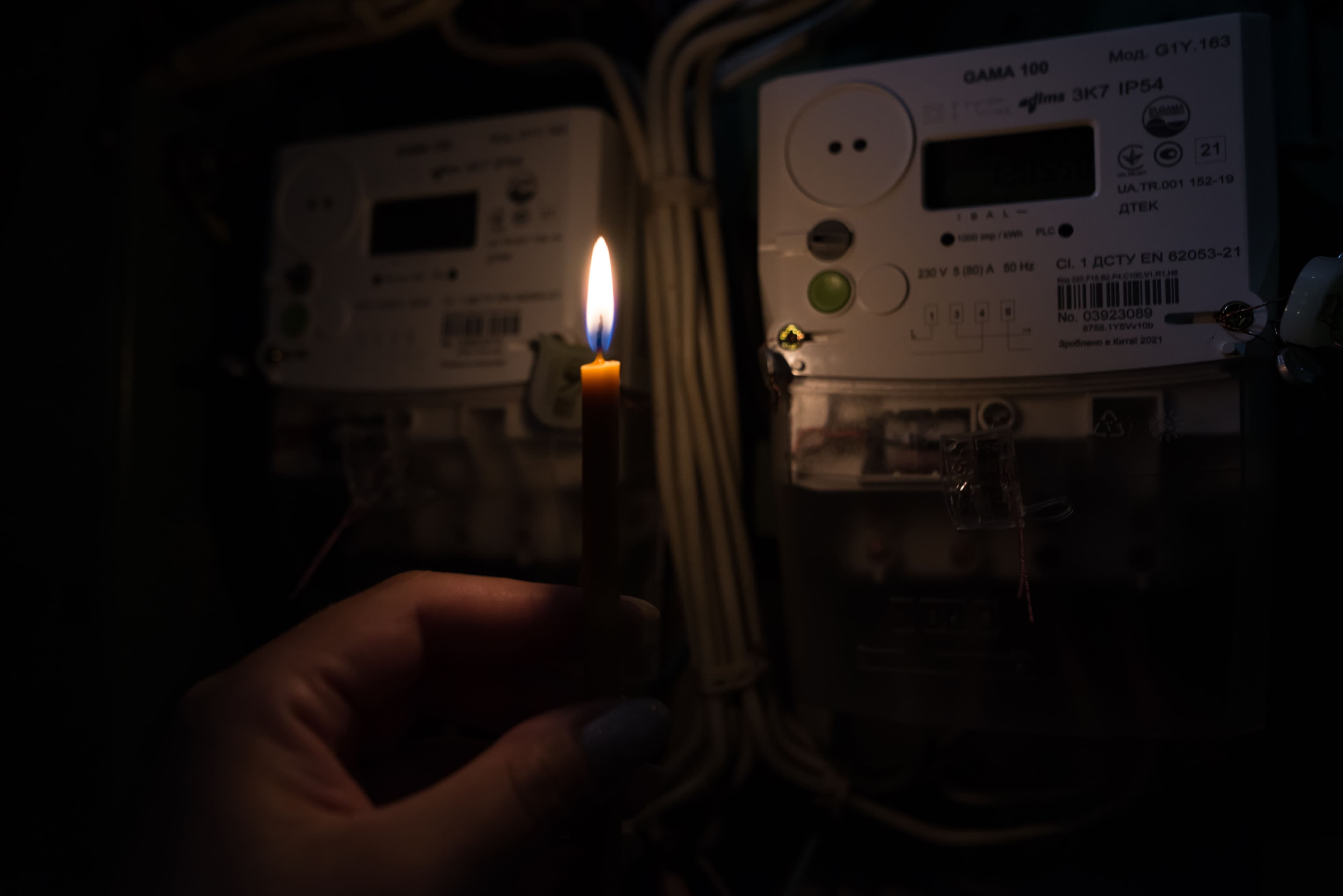
Electrical overload occurs when the electricity current passing through a conductor exceeds the maximum nominal capacity for which it was originally designed. Every wire, cable, or circuit breaker has a physical limit for current conduction, and when this limit is exceeded, overheating begins. In condominiums, the occurrence of an electrical overload is usually associated with the uncontrolled increase in individual consumption by residents and the under-dimensioning of the common area wiring.
To prevent this instability from causing widespread damage, systematic building maintenance in condominiums must focus on diagnosing the building's load capacity. If a building's general power distribution wiring is not periodically reviewed through maintenance actions, the accelerated wear of components becomes inevitable, increasing the risk of a new electrical overload. Emergency corrective maintenance of wiring in condominiums that suffer from this prolonged thermal stress is expensive, draining resources that could be applied to other important improvements. Thus, carrying out periodic maintenance of components is the only effective means of shielding condominiums against the imminent danger of a severe power interruption due to electrical overload.
The evolution of electrical consumption and the new villains of building dimensioning
Older condominium projects were calculated to meet an energy consumption reality very different from today's. In the 1970s and 1980s, an apartment's consumption was limited to low-power appliances. Today, condominium wiring is under constant pressure due to the use of tumble dryers, electric taps, high-power ovens, and air conditioning systems. Without maintenance to re-adapt the building network, electrical overload becomes an inevitable systemic risk in these old buildings with saturated wiring. Maintenance for the electrical adaptation of old condominiums needs to resize wiring and general circuit breakers to support this new reality of intensive energy use.
The main causes that lead to this technical instability and demand maintenance focused on avoiding electrical overload are:
Multiple air conditioning units: Climate control systems in various residential units operating for long hours, causing thermal consumption peaks.
Powerful kitchen equipment: Induction cooktops and electric ovens that require high instantaneous currents from common risers.
Electric vehicle chargers: Car charging stations in building garages, which alter the collective electrical load profile.
Individual laundry systems: Robust tumble dryers and washing machines used simultaneously during peak hours.
To prevent this demand from resulting in a destructive electrical overload in the internal wiring, the building manager must prioritise the preventive maintenance of energy installations in all condominiums under their technical management. The silent wear of old conductors exposes residents to serious faults if modernisation is postponed, demonstrating that active prevention against electrical overload is an indispensable administrative security priority.
Silent signs that electrical infrastructure is on the brink of failure
Fortunately, condominium energy installations emit physical signs of wear before collapsing completely due to an insulation fault or electrical overload. Identifying these alerts and symptoms early through regular visual and instrumental maintenance inspections is the safest way to avoid costly and dangerous building accidents. Failing to schedule a maintenance check after noticing these signs increases the chances that the electrical overload will evolve into serious material damage with high impact in residential condominiums.
The main physical indicators that point to the urgent need for an electrical maintenance intervention to resolve the danger of electrical overload are:
Flickering lights: Oscillations in brightness or temporary voltage drops in the building's common social areas.
Frequent circuit breaker tripping: Repeated tripping of protective switches in the partial power distribution boards of the blocks.
Sockets hot to the touch: Plastic covers that appear warm or have small deformations and scorching marks.
Smell of burning wiring: Characteristic smell of melted plastic or subtle overheating emanating from general sockets or shafts.
The regular appearance of these signs in condominiums indicates that the system is constantly operating at the physical limit of its safe conduction. The condominium manager who adopts an attentive and active stance at the first sign can coordinate maintenance actions preventively and intelligently, protecting the installations against short circuits generated by electrical overload.
Serious material damage and safety risks caused by a lack of prevention
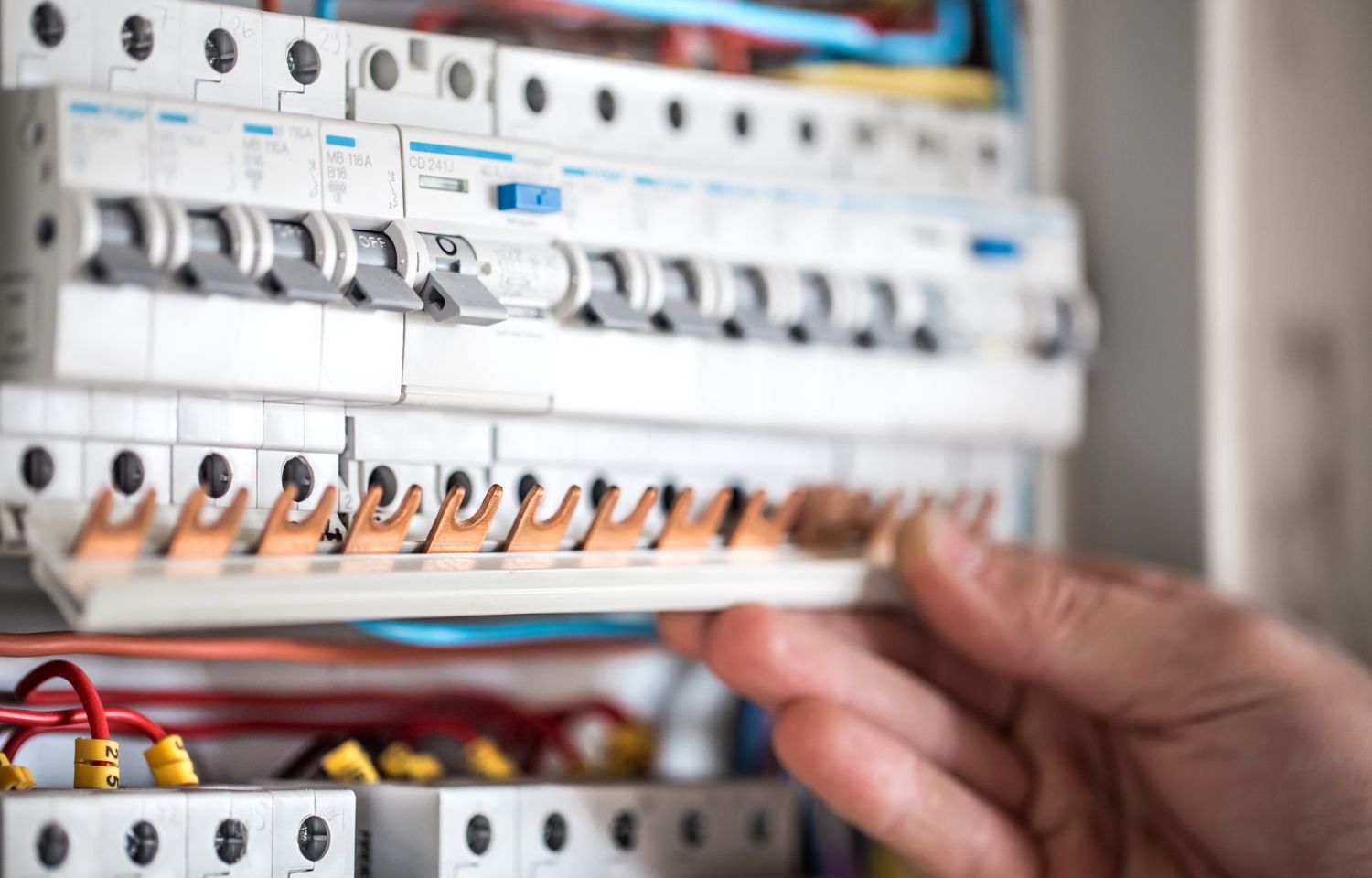
The damage caused by the continuous incidence of electrical overload goes far beyond mere temporary power cuts and daily inconveniences. Without periodic rigorous maintenance of the common building electrical system, the risks to which residents and the condominium's assets are exposed are immense. Chronic overheating of wiring and busbars often burns out lift motors, water pumps, and expensive physical security systems, suddenly draining the financial resources of condominiums.
A maintenance failure that results in a fire can generate serious legal proceedings, where the building manager is held civilly and criminally liable for their administrative omission in preventing a foreseeable electrical overload. Furthermore, the occurrence of short circuits due to electrical overload in old risers that do not undergo maintenance puts the lives of hundreds of families living in multi-family condominiums with outdated wiring at risk. This is a problem that requires coordinated actions of preventive maintenance and cable readjustment to avoid any electrical overload in the common installations of all residential condominiums.
The role of thermography and periodic technical surveys in electrical maintenance
Infrared thermography is one of the most efficient and modern tools for diagnosing invisible electrical faults and anticipating the risk of a dangerous electrical overload. This technological examination allows the mapping of heat emitted by the components of the building's physical system without the need to break walls or disconnect circuits. When carrying out this technical survey as part of routine maintenance in condominiums, the engineer identifies abnormal overheating resulting from electrical overload, loose mechanical connections, or metallic oxidation in the main electrical risers.
To structure this preventive maintenance procedure against electrical overload in residential condominiums, the manager must observe the following factors:
Hiring a specialist engineer: The report must be signed by a qualified professional with active registration with the CREA and the issuance of an ART (Technical Responsibility Annotation).
Inspection under real active load: Temperature measurement must be done during peak consumption hours, under maximum electrical strain.
Visual heat mapping: The final report must present reports with comparative thermal and normal photos to guide repairs.
Preventive technical retightening: Immediate correction of busbars and loose screws that are increasing resistance and heat.
The regular application of this thermography test in condominiums reduces operational costs of corrective repair in the long term, optimising the use of the general maintenance budget of large condominiums. It is a surgical maintenance investment that neutralises the risk of a small current leak or cable heating evolving into a severe building electrical overload, providing total administrative predictability and financial control.
Replacing circuit breakers: the benefits of transitioning from NEMA to DIN standard
Circuit breakers are the great protectors of the building energy system, acting to interrupt the current at the sign of a short circuit or electrical overload. In many condominiums with old wiring, it is still common to find black circuit breakers of the old NEMA standard, which present a slow response to heat. Modern electrical maintenance requires the replacement of this obsolete standard with white modular circuit breakers of the DIN standard. These modern pieces of equipment act quickly at the first peak of excessive current, reducing stress and the risk of a new destructive electrical overload in the internal wiring. In addition, maintenance for technical adaptation in condominiums should incorporate the installation of RCD protection switches, which prevent electric shock accidents, and SPD (Surge Protection Devices), against burnouts from lightning on the utility network.
Carrying out this preventive update through active maintenance eliminates fire risks generated by thermal overheating. In residential condominiums, incorrectly sized circuit breakers create an environment vulnerable to recurrent tripping due to electrical overload and physical fatigue of metallic conductors. By conducting preventive and technical maintenance to modernise the general protective switches of all condominiums, the building manager ensures the budgetary stability of the common real estate enterprise and neutralises, once and for all, the imminent risk of a new severe electrical overload.
Modernising electrical panels: when to opt for retrofit or total replacement
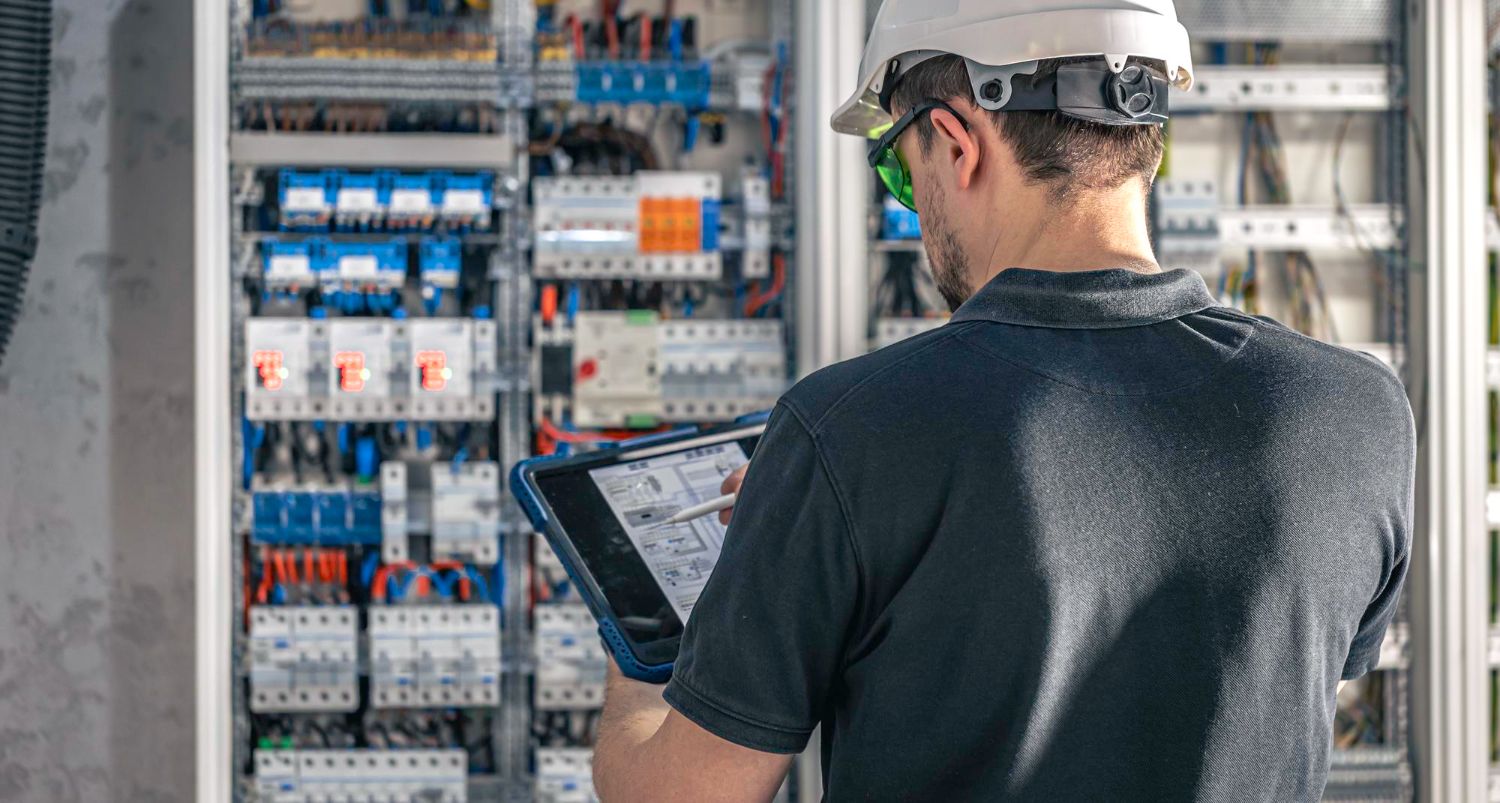
When managing wiring and the distribution system, the building manager will face the need to intervene in the building's common electrical panels. The choice between a retrofit or the complete replacement of the panel depends on reports issued by specialists in building electrical maintenance. Electrical retrofitting modernises the inside of the panel without removing the metal cabinet, being a quick and clean maintenance process to protect the network against the risk of a dangerous electrical overload. This type of work helps to reorganise busbars, balance electrical phases, and ward off risks in condominiums that have obsolete and saturated installations. On the other hand, the complete replacement of the panel in condominiums is necessary when there are visible signs of severe corrosion in the metal casing or wiring melted by chronic overheating.
Trying to postpone this corrective maintenance work puts the building wiring under the danger of a new imminent electrical overload. The total modernisation of the installations allows for preparing the condominiums for future consumption demands and new energy loads in an organised and stable manner. To ward off instability due to electrical overload of risers and shafts, maintenance for technical balancing of phases prevents an energy phase from being excessively demanded, optimising flow and avoiding premature fatigue of physical components in residential condominiums. Electrical overload is neutralised through this intelligent physical resizing conducted by professionals.
Administrative planning: transparent budgets and active communication with residents
The physical execution of interventions in the risers and electrical panels of condominiums represents only half of the challenge; the other half consists of the good administration of people and finances by the building manager. Preventive common modernisation requires absolute accounting transparency and assertive communication with all residents of residential condominiums, to avoid rumours or mistrust in the assembly. Explaining the need for costs to ward off the risk of an imminent electrical overload is essential to obtain the collective approval of the works in a smooth manner.
To structure the planning of these complex maintenance actions, the building manager must adopt the following administrative step-by-step:
Collection of robust technical budgets robusts: Obtain at least three complete proposals from companies registered with the CREA, detailing deadlines and methodologies.
Clear communication without panic: Draft circulars and information bulletins explaining the risks of electrical overload in internal installations.
Medium-term financial planning: Establish a works fund focused on common wiring to dilute the accounting impact on ordinary fees.
Planned technical scheduling: Notify residents in advance about preventive shutdowns necessary for the safe execution of electrical services.
By conducting this process transparently, the manager of prestigious condominiums demystifies the complexities of building electricity and guarantees the active cooperation of all residents. Structural maintenance ceases to be interpreted as an unpleasant surprise expense and becomes understood as an indispensable investment in property appreciation. Common wiring is preserved from overheating and potential unwanted electrical overload through a clear schedule of maintenance and annual inspections, building an environment of collective order, stability, and total security for the families who live in modern condominiums under visionary leadership. A new electrical overload is avoided thanks to this planned management and the united approval of adequate maintenance of building electrical installations.
Legislation and quorum in the assembly: how to approve necessary improvements in compliance with the Civil Code
From the perspective of Brazilian condominium law, the classification of a building electrical project strictly dictates the rules of quorum required for approval in an assembly. According to article 1.341 of the Civil Code, preventive or corrective electrical maintenance works aimed at preserving the integrity of the common good are classified as necessary improvements. This occurs because their main purpose is to ward off danger to the physical integrity of the asset and avoid short circuits caused by electrical overload in old systems that do not undergo surveys. The Civil Code dictates that the approval of these necessary improvements in condominiums, when not urgent but involving significant costs to the cash flow, requires a simple majority vote of the condominium owners present for the authorisation of the building electrical interventions and the corresponding maintenance.
On the other hand, if the building wiring presents severe immediate risks of fire due to a short circuit or an imminent destructive electrical overload, the building manager has the duty to start emergency maintenance immediately, dispensing with the need for prior meetings to approve the funds. In these extreme scenarios of condominium wire wear, the manager initiates the technical execution and calls the assembly afterwards to provide explanations and detail the investments transparently. Acting in compliance with condominium law and basing decisions on electrical engineering reports protects the administration of condominiums against possible legal challenges from opponents. Active combat against electrical overload is, therefore, a legal obligation supported by law. Keeping annual preventive maintenance surveys recorded in minutes proves the conduct of a diligent manager regarding the governance of large contemporary condominiums, reducing serious asset risks resulting from an eventual electrical overload in the common internal network.
NewSun clean energy subscription: sustainable innovation that preserves the building's cash flow and structure

While the physical maintenance of internal wiring is a mandatory local security investment, the economy of building electricity in common areas can be managed digitally, innovatively, and sustainably. The NewSun Energy Group introduces the clean energy subscription to the market, a solution designed to modernise fixed electricity costs without complex works on the building's rooftop. The model opera simples: NewSun generates renewable electricity at its own solar farms and injects it directly into the local public grid, generating automatic credits applied directly to the electricity bill of condominiums or companies. One of the greatest competitive advantages of this digital subscription system from NewSun lies in the fact that it does not require any physical work or installation of panels on the rooftop of modern condominiums. Structural safety is preserved while the building's energy transition is implemented without adding weight or the risk of a new electrical overload caused by new equipment.
The benefits of joining the NewSun clean energy subscription to optimise the costs of large condominiums and electrical maintenance against overload are:
Progressive financial savings: Recurring reduction in electricity bills for common areas, relieving the building's cash flow immediately.
Guaranteed tariff shielding: Protection of the building's cash flow against fluctuations in energy tariffs and seasonal peaks of energy flags.
Adhesion without investments: No need for financing or initial capital contributions, preserving the cash for improvements.
Real reduction of CO2 emissions: Connection to sustainability in practice through measurable environmental responsibility goals.
Full digital tracking: Real-time visual audit of consumption, energy credits generated, and savings through the Energy Club digital platform.
This cost saving allows the condominium to direct valuable extra resources to carry out the necessary preventive building maintenance and wiring correction against the hidden danger of electrical overload. It is the union of management intelligence, technology, and the ecological responsibility of modern building managers. Uniting progressive savings with the building security care of large condominiums against maintenance failures and electrical overload risks is the key to innovative management.
Learn all the details of our Clean Energy Subscription.
Conclusion: transforming maintenance into a legacy of security and modernity for the condominium
The safety of electrical installations in modern condominiums is an administrative challenge that involves planning, investment of resources, and good communication with residents. When general building wiring is ignored and does not undergo the necessary systematic preventive maintenance, the danger of a severe electrical overload causing severe material damage and serious fires becomes real. The diligent building manager who adopts an attentive conduct and promotes the re-adaptation of cables and protection panels of residential condominiums avoids accidents and watches over the protection of families.
At the same time, the manager of condominiums attuned to developments can count on innovations that reduce common area energy costs in a digital and clean way. Technical modernisation of building security and rigour in annual preventive electrical maintenance inspections neutralise the hidden risk of an unexpected electrical overload compromising the operation of motors and lifts in vertical condominiums. Continuous maintenance of installations and active combat against any danger of common electrical overload constitute the stable pillar to consolidate a high-standard, resilient, secure building infrastructure prepared for the technological demands of the future.
You may also like
- Dicas para Síndicos e PMES
 09/10/2026
 5m
5m - Dicas para Síndicos e PMES08/10/20265m
- Dicas para Síndicos e PMES06/10/20265m





Stop paying more for your energy bill
Find out in less than 1 minute how much you could save with clean energy every month — no works and no bureaucracy.
Join the energy revolution
Subscribe to our newsletter and receive exclusive content