

Heaters in the Flat: How to Prevent Fires
Heaters in the Flat: How to Prevent Fires
Dicas para Síndicos e PMES
 08/06/2026
 5 min
5 minWith the official arrival of June, Brazilian states begin to register intense cold fronts that change families' routines. In this winter scenario, the use of portable heating appliances takes on absolute prominence in homes. Turning on a heater becomes the first thing many residents do upon waking or returning from work at the end of the day. However, this search for a warm environment brings with it a series of crucial precautions that cannot be neglected by residents living in a residential building. The correct use of the heater prevents accidents and fires. Therefore, focusing on fire safety when switching on the heater protects the whole building. Every heater operated carelessly increases the incidence of dangerous fires in the building. Ensuring fire prevention where heaters are involved is vital for harmony within the building.
The seasonal shift characteristic of June raises an important alert for collective and individual safety within the residential environment. When the cold sets in, the natural tendency is to close all windows to retain internal heat, reducing the natural ventilation of rooms. It is precisely during this period that the continuous use of powerful electrical appliances, such as heaters, reaches its peak. For the building's management, this widespread behaviour among residents marks the start of a critical period requiring heightened attention. The building manager should use this seasonal drop in temperatures as a hook to launch a broad information campaign, raising community awareness of how to use heaters correctly and safely, drastically reducing the chances of severe accidents or major fires.
The rush to fend off the cold often leads people to pull appliances out of cupboards where they have sat for months and plug them straight in, without any inspection or prior cleaning. This common habit conceals severe dangers that put at risk not only the individual flat but the entire multi-family structure of the building. A heater that has accumulated dust or has frayed wiring can easily fail, becoming the spark for avoidable tragedies and serious fires. That is why discussing the safe use of heaters and understanding the mechanics of fire prevention is a fundamental duty that becomes most urgent from June onwards, turning clear information into a protective barrier for the lives of all residents sharing the same building.
The silent rise in electricity consumption during the cold months
Winter brings a drastic change in the energy consumption profile of both individual units and communal areas of a building. High-power appliances designed to generate heat begin operating simultaneously in dozens of flats, creating an invisible and dangerous overload on the building's electrical distribution network. Electric showers and the use of portable heaters raise the electrical current demand within the building. This consumption peak, if not properly monitored and supported by the building's physical infrastructure, can result in frequent circuit-breaker trips, power outages and severe damage. Preventing fires caused by electric heaters is everyone's responsibility within the building. When the fire risk rises due to heater use, the building needs alerts. Monitoring every heater reduces the danger of devastating fires in the building. Fire prevention must focus on heater use within the building.
Many residential buildings were not originally designed to withstand the electrical load required by modern lifestyles, which includes multiple heaters operating at the same time. When electrical demand exceeds the rated capacity planned for the building's installations, the electrical cables begin to overheat excessively. This silent overheating of internal conductors degrades the plastic insulation of the wires, opening the way for dangerous short circuits that lie at the root of major fires in multi-occupancy buildings. Therefore, the rise in electricity consumption is not merely a financial matter of a higher energy bill, but a critical fire-risk factor that threatens the safety of the entire building.
To mitigate this overload-driven fire risk, the conscious cooperation of every resident becomes indispensable during months of intense cold. Understanding that the electrical system has physical limits helps prevent the simultaneous use of multiple high-power appliances on the same socket or residential circuit. Indiscriminate use of the heater alongside other thermal equipment should be avoided at all costs within the flat. By adopting more balanced habits and inspecting their own installations against fires, residents protect their families from devastating fires and directly contribute to the operational stability of the building's collective electrical infrastructure, ensuring a calm and safe winter for the whole community.
The invisible danger: how a heater can cause serious accidents
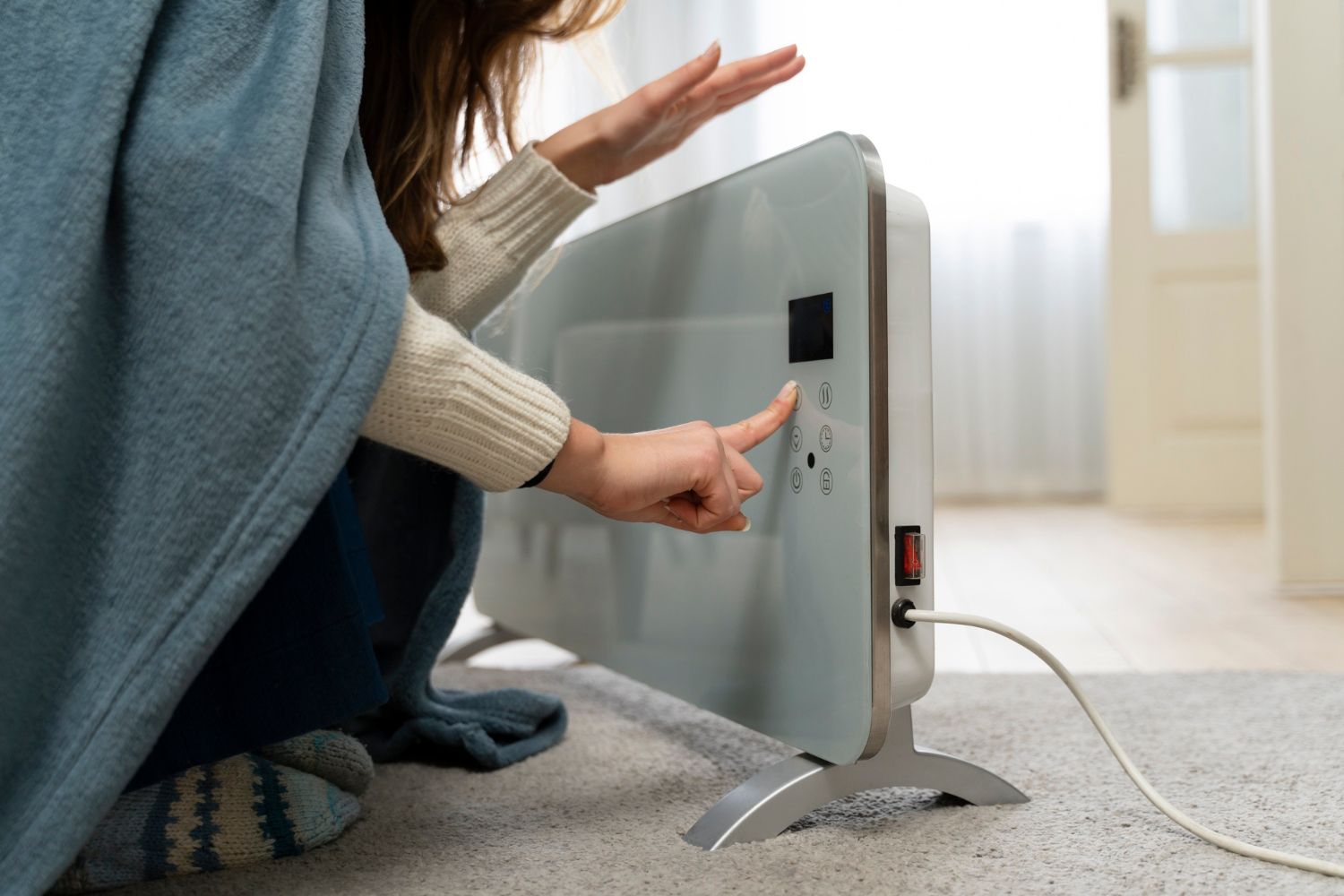
To fully understand the fire risk associated with heating appliances, it is necessary to examine how a portable heater operates and interacts with its surroundings. These devices work by converting electrical energy into high-intensity thermal energy through metal resistance elements. When an electric heater is positioned incorrectly or suffers an internal technical fault, this intense heat source can easily interact with combustible materials found in the rooms of a flat within the building. The danger often stems from the false sense of security these small appliances convey, causing users to underestimate their potential to start destructive fires. Portable heaters require care to prevent accidental fires. A heater without maintenance can spark serious fires that tragically affect the building. To shield the building against fires, regulate heater use. Preventing fires caused by heaters protects the integrity of the building.
One of the most common scenarios leading to residential fires caused by heaters is inappropriate proximity to everyday flammable objects, such as fabric curtains, shaggy rugs, bedding, blankets or upholstered furniture. The radiant heat emitted by the heater can raise the temperature of these materials, sparking fires. Moreover, the fire risk multiplies exponentially when a heater is left switched on without direct human supervision, such as while the family sleeps or when residents leave the flat within the building to attend to outside commitments.
Another recurring and extremely dangerous failure is the accidental tipping over of a heater while it is still fully operational. If the appliance falls onto a combustible surface, such as a wooden floor, a carpet or a mattress, the direct transfer of heat will cause these materials to melt and ignite within minutes, triggering fires that are hard to control. Although many modern models feature automatic tip-over safety devices, thousands of homes within the building still use older appliances that lack this vital protective feature. Therefore, understanding that a heater is a live heat source is the first step towards adopting rigorous preventive behaviour against fires within the building environment.
Main types of heaters and the specific care required for each model
The appliance market offers a wide variety of heater models, each using a distinct technology to spread heat throughout a building's living spaces. The most popular models are visible-element heaters, ceramic fan heaters and oil-filled heaters. Each of these technologies has its own operating characteristics and, consequently, requires specific preventive care from users to mitigate fire risk and ensure safe, efficient use throughout the winter. Each type of heater carries a specific level of fire risk within the building. Choosing the best heater reduces the chances of fires in the building. Any heater installed inappropriately fuels severe fires in the building. Understanding how a heater works mitigates fires in the building.
Halogen or visible-element heaters are those that display filaments which glow red-hot during operation. These appliances generate immediate, very intense radiant heat, which substantially raises the fire risk should they come into direct contact with any combustible object. Fan heaters, on the other hand, use an internal element combined with a fan that blows warm air into the room within the building. Although the heating element is not exposed, the front grille of these appliances reaches extremely high temperatures, requiring full care to ensure it is not obstructed by clothes or fabrics placed on the heater to dry, in order to prevent fires.
Finally, oil-filled heaters are considered by experts to be the safest against residential fire risk, since the electrical element is submerged in a thermal fluid that circulates internally through sealed metal radiators. This type of heater does not burn oxygen and its outer surface does not reach temperatures capable of igniting flames immediately, making it ideal for children's or elderly residents' bedrooms within the building. Nevertheless, even oil-filled heaters require attention to electrical cables and plug connections to prevent fires.
To ensure correct and safe handling of the different technologies available on the market, residents should adopt the following specific precautions for each type of thermal appliance:
Halogen heaters: keep a strict minimum distance of one and a half metres from any flammable material, such as curtains and sofas;
Ceramic fan heaters: never block the appliance's air intake or outlet grilles to prevent the motor from overheating internally;
Oil-filled heaters: always position the unit perfectly upright on flat floors to prevent leaks of the internal thermal fluid;
Gas models: carry out mandatory annual inspections of hoses and connection valves to prevent toxic leaks and explosions in the building;
Reverse-cycle air-conditioning units: clean the air filters monthly to ensure thermal efficiency and prevent electrical overloads.
How to mitigate fire risks in residential units
Effective prevention against residential fires caused by the incorrect use of portable heaters depends on a set of conscious attitudes and practices adopted daily by residents within their respective homes. The first and most important golden rule for eliminating fire risk is never plug a heater in using socket adaptors known as multi-plugs or splitters, nor to use ordinary low-capacity extension leads.
The electric heater is a high-current-demand appliance, and the use of unsuitable intermediate connections causes pins and sockets to melt prematurely, generating sparks that start silent fires behind furniture or curtains in the flat within the building. The appliance must be plugged directly into a dedicated fixed socket with the correct rated capacity for the heater's power output, preferably properly rated twenty-amp sockets. In addition, residents of the building should build the firm habit of unplugging the heater whenever leaving the room for extended periods or before going to sleep to prevent fire outbreaks.
Keeping the flat's internal wiring inspected and up to date is another essential measure to shield the home against electrical fire risk. If, upon switching on the heater, a resident notices a characteristic smell of burning plastic, blackening of the wall around the socket, or frequent circuit-breaker trips, use of the appliance should be stopped immediately until a qualified professional electrician carries out the necessary repairs to the building's electrical installations to prevent dangerous fires.
To create a home environment fully protected against thermal accidents during the coldest months of the year, every resident of the building should rigorously follow the fire-prevention practices below:
Plug portable heaters exclusively into fixed wall sockets, eliminating the use of extension leads or multi-way adaptors;
Keep the heater a safe distance from furniture, papers, blankets, fabrics and flammable curtains in any room;
Switch off and unplug all electric heating appliances before sleeping or when leaving the flat ;
Strictly avoid using heaters in damp areas of the home, such as bathrooms or laundry rooms, to prevent shocks and short circuits;
Carry out a thorough periodic cleaning of the appliance's external grilles to prevent the build-up of combustible dust that could ignite and cause fires.
The building manager's role: how to guide residents and issue effective notices

Within a building's organisational structure, the building manager acts as the principal guardian of collective safety and the physical integrity of all shared and private property belonging to residents. With the arrival of June and the consequent sharp drop in temperature, it falls to the manager to adopt a proactive stance and lead robust educational campaigns focused on preventing fires caused by the improper use of electric heaters. Waiting for an accident to happen before taking action is a serious management failure; fire prevention through clear, accessible information should be the building's main administrative tool.
For guidance to be truly effective and reach as many residents as possible, the building manager should diversify the internal communication channels used by the building's management. The manager should create dynamic visual notices, using simple, direct language to explain the fire risk associated with overheated sockets and incorrect heater use. Illustrated explanatory posters should be displayed in strategic, high-traffic locations, such as the lifts, the concierge noticeboards and the building's car parks.
In addition, digital building-management platforms, official instant-messaging groups and virtual information meetings should be used strategically to spread rapid alerts as cold fronts advance in June, in order to prevent fires. The building manager may also invite specialised professionals, such as electrical engineers or fire brigade members, for quick talks aimed at residents and staff, raising overall awareness of essential heater care and how to tackle fire outbreaks in multi-family buildings.
To structure a high-impact preventive communication plan and ensure collective safety against accidents and fires, the building manager should implement the following strategic engagement actions:
Issue regular digital notices detailing the electrical overload risks generated by simultaneous use of portable heaters;
Display informative posters with instructive illustrations on the safe use of electrical sockets inside every lift in the building;
Create and distribute a digital fire-prevention booklet containing practical guidance for every family's daily routine;
Thoroughly train the concierge and caretaking staff to identify strange smells or signs of smoke and prevent fires;
Include electrical safety and fire prevention linked to heating appliances as a standing item on the building's meeting agendas.
Preventive maintenance of shared and individual electrical installations
A building's structural safety in the face of fire risk depends directly on the state of upkeep of its internal electrical installations, both in communal areas under the management's responsibility and in each flat's individual wiring. As winter progresses and demand for electric heaters spikes, the building's main electrical riser is put through its most severe stress test of the year. If preventive maintenance of the building's shared electrical system is not rigorously up to date, the risk of faults and fires grows exponentially. Maintaining heaters and wiring prevents fires in the building. A building free from heater-caused fires is a safe building. Checking every heater prevents electrical fires in the building. Fire prevention starts by inspecting the heater in every unit of the building.
The building manager should hire specialised electrical engineering firms to carry out full technical inspections of the main distribution panels, busbars, circuit breakers and wiring in the building's communal areas. The use of modern electrical thermography techniques is highly recommended, as it allows hidden abnormal heating points in electrical connections to be identified before they develop into a short circuit or start fires in the plant room or metering centres of the building. These technical audits ensure the building is prepared to withstand the increased energy load demanded by each individual heater and prevent worse fires.
At an individual level, residents should also be encouraged by the building's management to inspect the circuit-breaker panels in their own flats. Old wiring, loose sockets or circuit breakers that trip frequently are clear signs of obsolescence requiring immediate intervention by a qualified professional. Investing in the modernisation of each home's internal electrical installations is the safest way to ensure that portable heater use runs with maximum technical efficiency and thermal comfort, and above all, without posing a fire threat to the rest of the building's community.
What to do in an emergency or in the event of a fire starting in the building
Even with all preventive measures against fire risk in place within the building, accidents caused by a faulty heater or electrical overload remain a possibility that demands full preparedness from all residents and building staff. Knowing how to act in the first few minutes prevents an incident involving a heater from turning into a major fire within the building.
The first fundamental rule in the event of a fire originating from an electric heater or socket is never throw water over the flames while the appliance is still connected to the power supply. Water is an excellent conductor of electricity, and throwing it on a Class C fire (live electrical equipment) can cause fatal electric shocks to the person acting and spread the fire even faster through the room within the building. If possible, and only with complete safety, the resident should switch off the flat's main circuit breaker before attempting to fight the fire using the appropriate dry chemical powder extinguisher installed in the building's corridors to put out fires.
If the fire gets out of control and smoke begins to fill the living space, the absolute priority must be the immediate evacuation of everyone from the flat. On leaving the flat, the resident should close the door behind them to slow the spread of the flames and prevent further fires along the building's collective escape routes. The building's general fire alarm should be triggered immediately via the emergency call points located in the corridors, and the fire brigade should be called on the relevant emergency number to put out the fire.
To ensure the whole community knows how to evacuate the building in an orderly, calm and safe manner during a real emergency, all residents of the building should memorise the following immediate escape protocol:
Trigger the building's emergency alarm immediately upon detecting an uncontrollable fire outbreak caused by a heater, to help contain fires;
Evacuate the building strictly using the pressurised emergency stairwells, never using the lifts in the event of a fire;
Walk in a crouched position close to the ground if there is dense smoke in the corridor, to escape major fires;
Stay calm and follow the instructions of the building's trained volunteer fire brigade members closely;
Head immediately to the safe assembly point pre-defined in the building's outdoor area for protection against fires.
NewSun Energy: Clean-energy subscription and predictability for the building

While building managers and board members concentrate their efforts on managing risks and raising resident awareness to prevent fires caused by portable heater use in June, the building's management also has to deal with the financial pressure created by the significant rise in energy consumption in communal areas during winter. Extended lighting due to shorter days, heating shared pools and the continuous operation of ventilation systems weigh heavily on the building's monthly budget. To solve this financial challenge with full efficiency and sustainability, NewSun Energy Group offers an innovative clean-energy subscription model for residential buildings.
The clean-energy subscription developed by NewSun is the ideal alternative for managers seeking to reduce fixed operating costs without the need for large upfront financial investments or complex works to the physical infrastructure of the building's communal areas. Through this subscription system, the building begins consuming electricity generated from renewable, clean sources, ensuring progressive, sustainable savings throughout the entire contract period. The great advantage of this smart solution is that it permanently stabilises the electricity bill for the building's communal areas, eliminating the budget swings that so often hinder the management's financial planning.
In addition, NewSun's subscription model fully shields the building's electricity bill from the severe financial impact of yellow or red tariff flags, common during the winter and dry months that increase fire risk. Alongside real, guaranteed financial savings, NewSun Energy Group stands out in the market for offering a genuinely human, close, agile and personalised service to resolve any query the building manager may have. Management also gains exclusive access to the NewSun Energy Club digital platform, an intuitive energy-management tool that allows real-time tracking of all the building's electricity spending, ensuring full control of consumption at the touch of a hand and preventing further waste and electrical fires.
Find out everything about our Clean Energy Subscription.
The importance of collective awareness for everyone's safety
Living in a community within a residential building requires a deep understanding that each resident's individual actions and omissions have a direct, immediate impact on the collective safety of hundreds of neighbouring families. When it comes to the fire risk associated with electric heater use during months of intense cold, this interdependence becomes even more evident and crucial. The negligence of a single resident who leaves a heater switched on unsupervised near a flammable curtain, or who insists on using substandard electrical installations, can trigger a large-scale tragedy that destroys shared property and endangers the lives of everyone in the building. Awareness of heaters and fire danger transforms life within the building. When the building discusses heater risks, the fire rate falls. Protecting the building against heater-caused fires is a shared goal. Every heater that is inspected reduces the fire risk in the building.
For this reason, building a culture of safety and active fire prevention within the building should not be seen as an authoritarian imposition by the building manager or the management company, but as a collective pact in defence of shared life and property. Residents should be encouraged to act as guardians of the common good, chatting amicably with their neighbours about essential heater care and alerting the building's management whenever they notice risky behaviour or conditions in the communal or private areas of the building, in order to prevent worse fires.
The information campaigns launched at the start of June should reinforce this sense of shared social responsibility against fires. Showing that fire prevention is a continuous, integrated effort helps break down indifference and engages residents around a common goal: ensuring that winter is a season of cosiness, comfort and complete safety for every family in the building. When clear information about the dangers of electric heaters is collectively absorbed to prevent fires, the residential community builds an effective protective shield that minimises the chances of serious accidents in the building.
Practical inspection checklist and guidance for safe winter management
To translate preventive theory into concrete operational actions that protect the building against fires resulting from heater use and energy overload in June, the building manager should adopt a practical technical inspection checklist before temperatures reach their lowest points of the year. This management checklist serves as a quick-action guide for the building's internal maintenance and caretaking team, ensuring that no vulnerable point in the building's infrastructure is overlooked during the harshest winter months, thereby preventing worse fires.
Carrying out this practical checklist demonstrates the management's commitment to preventive governance and serves as legal backing in the event of official inspections by fire-safety authorities. The building manager should lead this technical process with the support of the caretaker and qualified contracted electricians, ensuring that the highest-risk areas, such as energy metering centres and fire-emergency escape routes, are in full compliance with current technical standards and prepared against any fires caused by inadequate heater use.
To structure this building inspection routine focused on preventing electrical accidents and thermal fires in June, the building's management team should rigorously follow this practical checklist of preventive actions:
Carry out full operational tests on all fire alarms, emergency lights and fire doors installed in the corridors;
Check the validity, seal integrity and pressure gauge readings on every fire extinguisher in the building to help mitigate fires;
Carry out technical cleaning and complete clearing of all electrical junction boxes located in the building's communal areas;
Issue weekly preventive notices to residents reminding them of the golden rules for safely using any portable heater in the building;
Check that the building's fire hydrants and fire-hoses are accessible and properly coiled to help contain fires.
Conclusion: balancing thermal comfort, savings and prevention
The official arrival of winter in early June need not be synonymous with excessive worry or heightened risk for the community living in a building. Balancing the essential thermal comfort provided by electric heaters with the absolute safety of the building's installations against fires is a perfectly achievable goal through strategic planning, rigorous preventive maintenance and clear communication led by the building manager. Quality information acts as the most powerful tool for turning dangerous household habits into conscious preventive attitudes that save lives and continuously prevent fires within the building.
At the same time as management and residents come together to shield the building against electrical risks and fire outbreaks caused by thermal appliances, adopting smart electricity-efficiency solutions, such as NewSun's clean-energy subscription model, builds a modern, sustainable and financially sound administration for the whole building. Cutting the fixed costs of communal areas through renewable energy secures the resources needed to keep investing in the technological modernisation of the building's collective safety systems to combat fires.
By taking the lead in driving these improvements and information campaigns in June, the building manager leaves a lasting legacy of responsibility and care for the community within the building. Enjoying a flat warmed by a heater operating safely, knowing that the building's infrastructure is protected against fires and that the electricity bill is optimised through clean energy sources, is the ideal scenario for a happy, harmonious winter, fully protected against fires, for every family in the building.
You may also like
- Casos de Sucesso
 20/10/2026
 5m
5m - Dicas para Síndicos e PMES16/10/20265m
- Dicas para Síndicos e PMES13/10/20265m





Stop paying more for your energy bill
Find out in less than 1 minute how much you could save with clean energy every month — no works and no bureaucracy.
Join the energy revolution
Subscribe to our newsletter and receive exclusive content