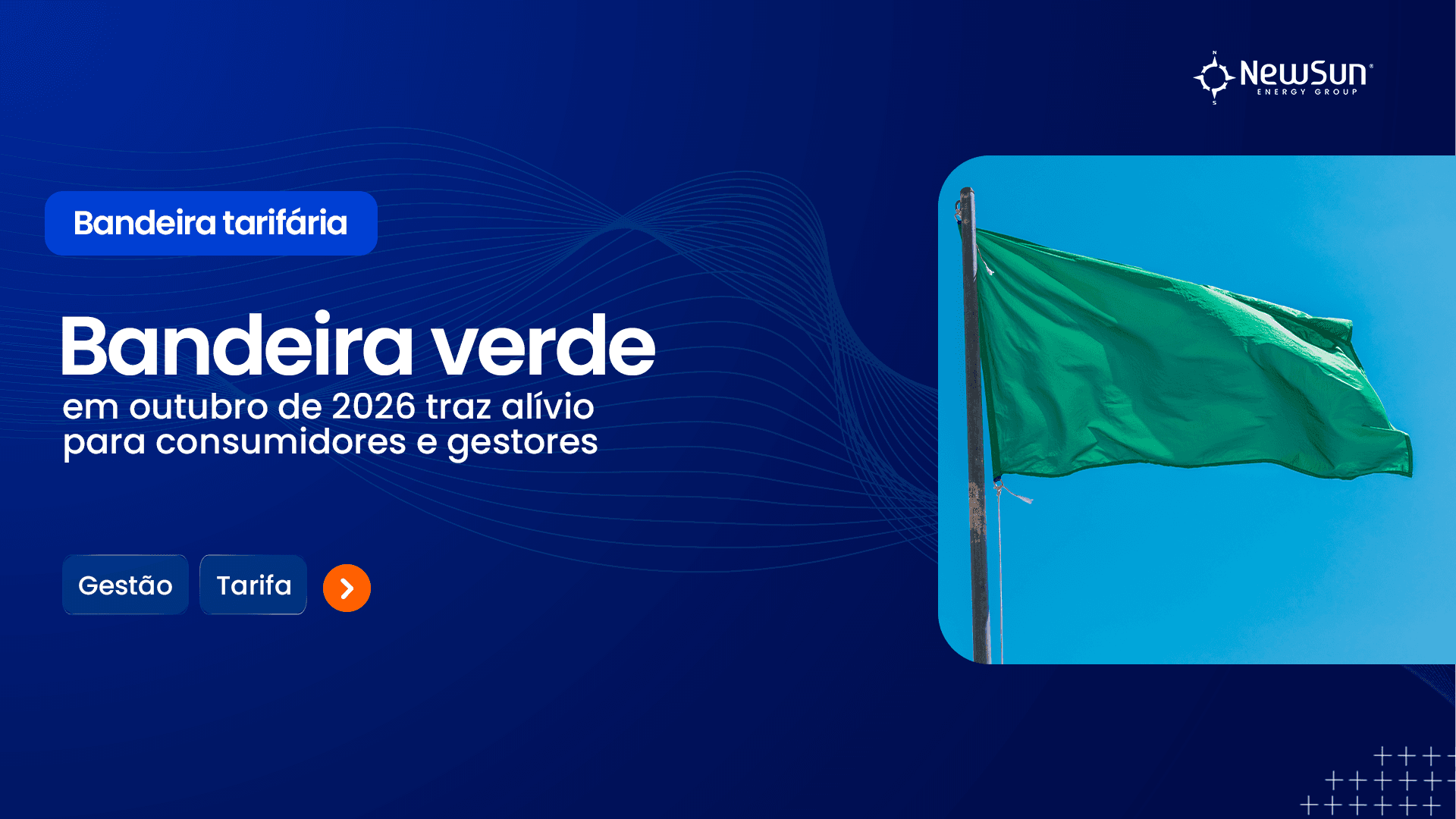
Green tariff flag in October 2026 brings relief for consumers and managers
Green tariff flag in October 2026 brings relief for consumers and managers
Energia por Assinatura
 01/10/2026
 5 min
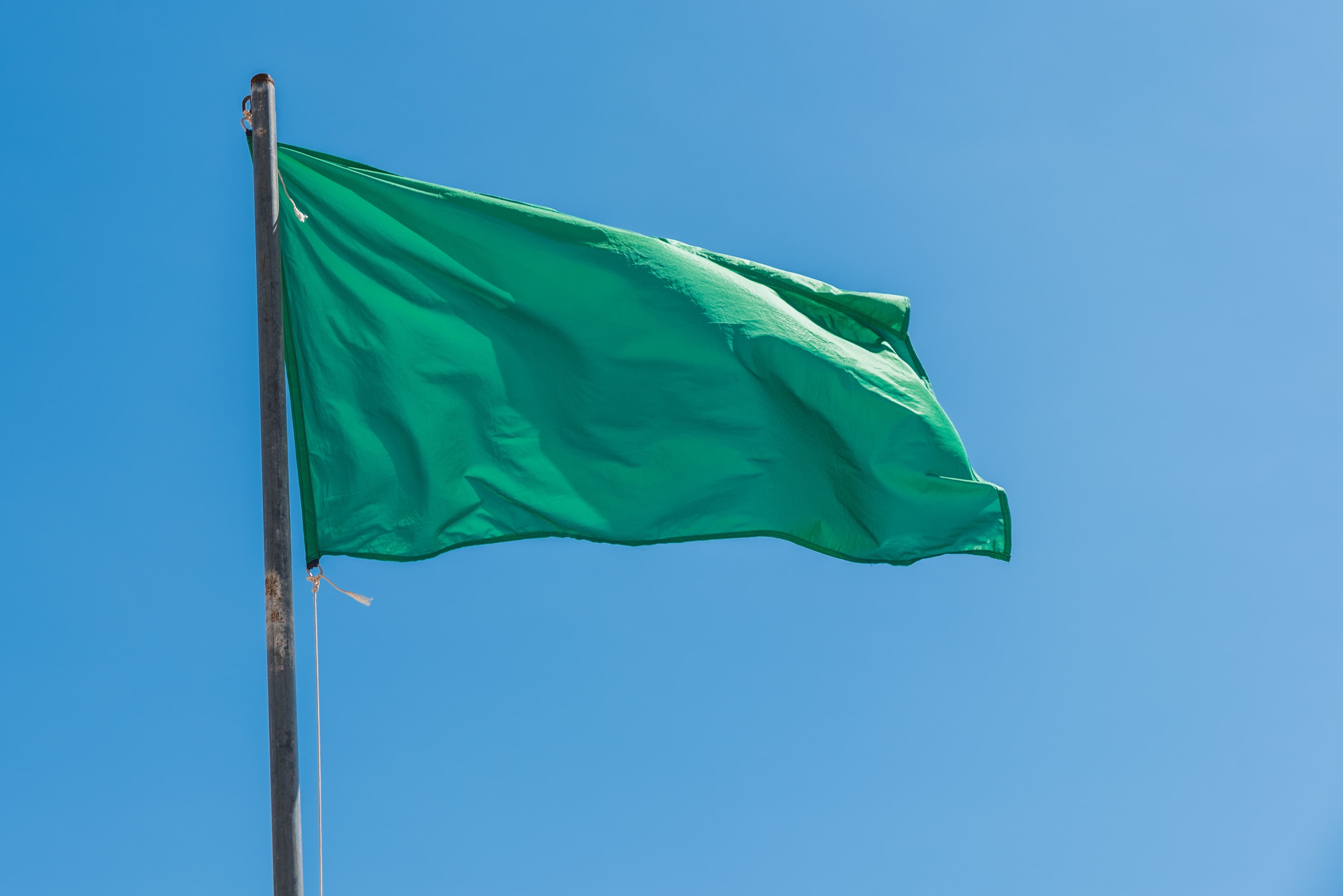
5 minThe National Electric Energy Agency (ANEEL) announced that the tariff flag for October 2026 will be green, eliminating the additional charge that had been applied to electricity bills since May. As a result, residential consumers, condominiums and businesses will no longer pay the yellow-flag surcharge, which amounted to R$ 1.885 for every 100 kWh consumed.
The decision is positive news for managers who closely monitor operating costs related to electricity. Although the green flag does not change distributors’ base tariffs, it removes an additional component that had been affecting the final amount of bills over the last five months.
For property managers, management companies and businesses, the change also reinforces the importance of understanding how the tariff flag system works and which factors influence ANEEL’s decisions throughout the year. In a scenario increasingly sensitive to climate and hydrological conditions, monitoring these indicators can contribute to management that is better prepared for the so-called Force of Unpredictability.
What are tariff flags?
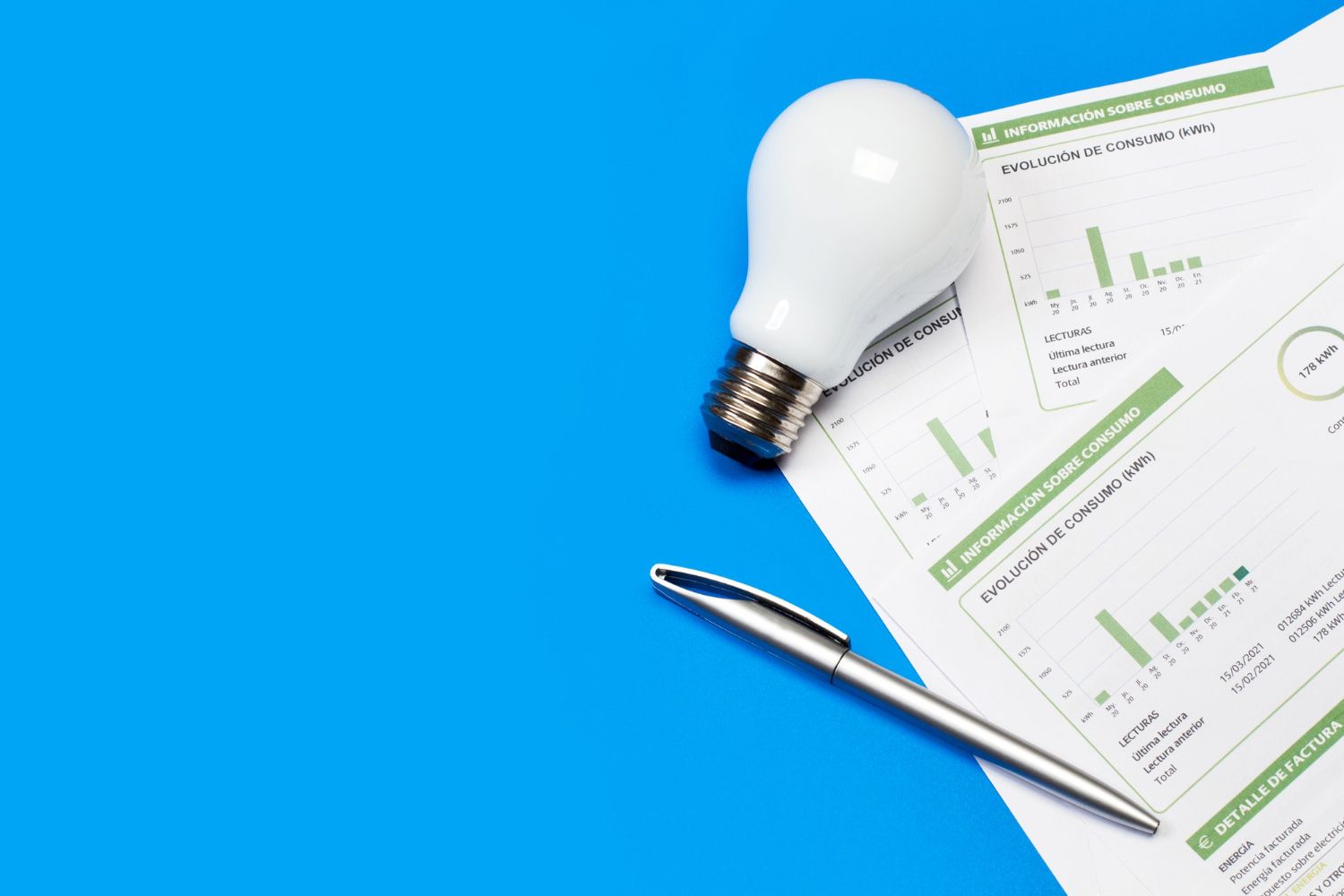
Tariff flags are a mechanism created by ANEEL in 2015 to inform consumers about the actual conditions for generating electricity in the country. The system works as a monthly signal that reflects whether the cost of producing electricity is lower or higher at that point in time.
Before the flags were introduced, extra costs related to electricity generation were passed on only in subsequent tariff adjustments. With the implementation of the model, consumers began receiving a more transparent signal about the situation of the national electricity system and its impacts on the formation of energy prices.
The system applies to consumers served by the National Interconnected System (SIN) and uses four signalling levels: green, yellow, red level 1 and red level 2. Each colour indicates a different cost level for electricity generation.
How does each tariff flag work?
The logic of the system is directly linked to the electricity generation conditions available in the country.
Green Flag
The green flag indicates favourable electricity generation conditions. In this scenario, there is no additional charge on the electricity bill. The electricity produced by the available plants is able to meet system demand without significant need for more expensive resources.
Yellow Flag
The yellow flag signals less favourable conditions. In this situation, generators with higher costs need to be used, resulting in an additional charge on the bill. In 2026, the corresponding amount had been R$ 1.885 for every 100 kWh consumed.
Red Flag Level 1
When generation conditions become more restrictive, especially due to lower reservoir levels, ANEEL may activate the red flag level 1, indicating even higher costs for the electricity system.
Red Flag Level 2
This is the most critical stage of the flag system. In this situation, there is an intensive need to use more expensive sources, especially thermoelectric plants, which results in the highest additional charges on consumers’ tariffs.
Why will October 2026 have a green flag?
According to ANEEL itself, the main justification for the return of the green flag is associated with the improvement in hydrological conditions observed during the transition between the dry season and the wet season in important Brazilian river basins.
The increase in rainfall, especially in the South and South-East regions, contributed to the stabilisation of hydroelectric plant reservoirs. With more water stored, the system can operate with less reliance on thermoelectric plants, whose generation has a higher cost.
In practice, this means that the National System Operator can reduce the dispatch of more expensive sources to meet electricity consumption. This favourable scenario was sufficient to bring five consecutive months under the yellow flag to an end and allow the return to the green flag. ANEEL itself highlighted that the improvement in the hydrological situation reduces the system’s operating costs and avoids the need to pass extra charges on to consumers.
Does the return of the green flag mean cheaper electricity?
It is important to make a relevant distinction. The return of the green flag eliminates the additional amount related to the tariff flag system. This reduces one portion of the bill that had been charged in recent months. However, it does not necessarily mean an overall reduction in the tariffs charged by distributors.
An electricity bill includes several components, including generation, transmission, distribution, sector charges and taxes. The tariff flag acts only as a complementary mechanism related to the system’s generation conditions at that moment.
For condominiums and businesses, the change represents temporary cost relief, but it does not eliminate the need for long-term energy planning.
What is the relationship between El Niño and tariff flags?
Although ANEEL’s decision for October was influenced by the recent improvement in rainfall, the electricity sector continues to closely monitor the possible impacts of the El Niño phenomenon on Brazil’s energy system.
El Niño is a climate phenomenon characterised by abnormal warming of the surface waters of the Equatorial Pacific Ocean. This change affects temperature and precipitation patterns in various regions of the planet, including Brazil.
Depending on its intensity and duration, the phenomenon may cause significant changes in the distribution of rainfall across different Brazilian regions. Historically, El Niño events are usually associated with increased rainfall in the South and drier periods in parts of the North and North-East.
Why does El Niño concern the electricity sector?
Brazil’s electricity matrix is heavily dependent on hydroelectric generation. This means that water availability in reservoirs remains one of the most important factors for the country’s energy security.
If El Niño causes significant changes in rainfall patterns, certain regions may record lower hydroelectric production, requiring greater use of complementary generation sources, such as thermoelectric plants.
Another factor monitored by the sector is the rise in temperatures. During hotter periods, demand for climate control systems increases, raising electricity consumption and placing a greater load on the national system.
For this reason, although the green flag represents a positive scenario for October, specialists and sector agents continue to monitor climate projections for the end of 2026 and the beginning of 2027.
What can condominiums and businesses learn from this change?
The definition of the green flag offers an important example of the influence that external factors have on energy costs.
Climate conditions, reservoir behaviour, thermoelectric dispatch and energy demand are elements beyond the direct control of property managers, management companies and business managers. Even so, all of them affect day-to-day operating costs.
That is why the topic reinforces the importance of energy predictability. Even in favourable periods, modern management seeks to monitor electricity sector indicators and adopt solutions that allow greater control over energy-related expenditure.
For condominiums, energy is directly linked to the operation of lifts, water pumps, lighting and security equipment. For small and medium-sized enterprises, it influences production processes, climate control, commercial operations and financial competitiveness.
How NewSun helps tackle the Force of Unpredictability

Although the green flag represents a favourable scenario for October, recent history shows that energy costs can vary over time as a result of climate, regulatory and operational factors.
It is precisely in this context that NewSun operates, helping property managers, management companies and businesses face the Force of Unpredictability through its Energy Ecosystem.
NewSun’s proposal goes beyond monitoring tariff changes. Through its energy subscription and access to the Energy Club, managers gain an experience guided by data, transparency and predictability. The platform allows them to track relevant information about energy consumption, view indicators and monitor information related to the savings achieved through the subscription.
Find out how our Clean Energy Subscription works.
Conclusion
The confirmation of the green flag for October 2026 is positive news for consumers across the country. The improvement in hydrological conditions and the increase in rainfall in the South and South-East regions made it possible to reduce the use of more expensive generation sources, eliminating the additional charge that had been applied since May.
At the same time, the scenario reinforces an important characteristic of Brazil’s electricity sector: the strong influence of climate conditions on energy costs. The possible evolution of El Niño will continue to be closely monitored by sector bodies, as its consequences may affect reservoir behaviour and electricity demand in the coming months.
For property managers, management companies and businesses, the main lesson remains the same: monitoring energy market signals and seeking greater predictability continues to be one of the best strategies for safer management that is better prepared for the future.
You may also like
- Energia por Assinatura
 01/10/2026
 5m
5m - Dicas para Síndicos e PMES30/09/20265m
- Dicas para Síndicos e PMES29/09/20265m




Stop paying more for your energy bill
Find out in less than 1 minute how much you could save with clean energy every month — no works and no bureaucracy.
Join the energy revolution
Subscribe to our newsletter and receive exclusive content