

Getting to the root of it: Neighbour disputes in condominiums
Getting to the root of it: Neighbour disputes in condominiums
Dicas para Síndicos e PMES
 21/05/2026
 5 min
5 minLife in society demands a continuous effort of adaptation, especially when it comes to sharing multi-family residential spaces. In the contemporary environment, daily life within a condominium puts individuals with completely different habits, backgrounds and cultures in constant contact. This inevitable daily proximity ends up becoming the perfect setting for neighbour disputes to arise, which require the manager to take a proactive stance so that a peaceful and efficient resolution can be reached before disagreements grow out of control. Understanding the root of these disputes is the first step to ensuring that collective living does not turn into a scenario of permanent hostility within the condominium.
Unlike disagreements that occur in traffic or at commercial establishments — where the parties disperse afterwards and rarely meet again —, in a condominium the geographical reality prevents any escape. The resident affected by a nuisance is forced to live alongside the one causing the problem continuously, crossing paths in the lift, sharing the car park and sitting through the same meetings. This constancy means the initial dissatisfaction does not dissipate; on the contrary, it is mulled over daily, causing small incidents to take on a huge psychological dimension. Without a swift resolution, animosity becomes entrenched, turning what was once a one-off grievance into an all-out war that undermines the well-being and peace of mind of the entire condominium.
The lack of a swift response from management acts as a catalyst for neighbour disputes to escalate. When condominium management chooses to ignore a complaint or postpone intervention, it creates a twin sense of injustice and impunity. The person who feels wronged develops strong frustration, believing management is negligent or biased, while the offending resident feels entitled to continue the inappropriate behaviour due to the lack of punishment. This scenario of inertia profoundly changes the nature of the original problem: the discussion stops being about a concrete fact, such as noise or rubbish, and becomes a personal and ideological dispute, making any later attempt at an amicable resolution within the condominium far harder.
How disagreements arise and the main flashpoints of friction
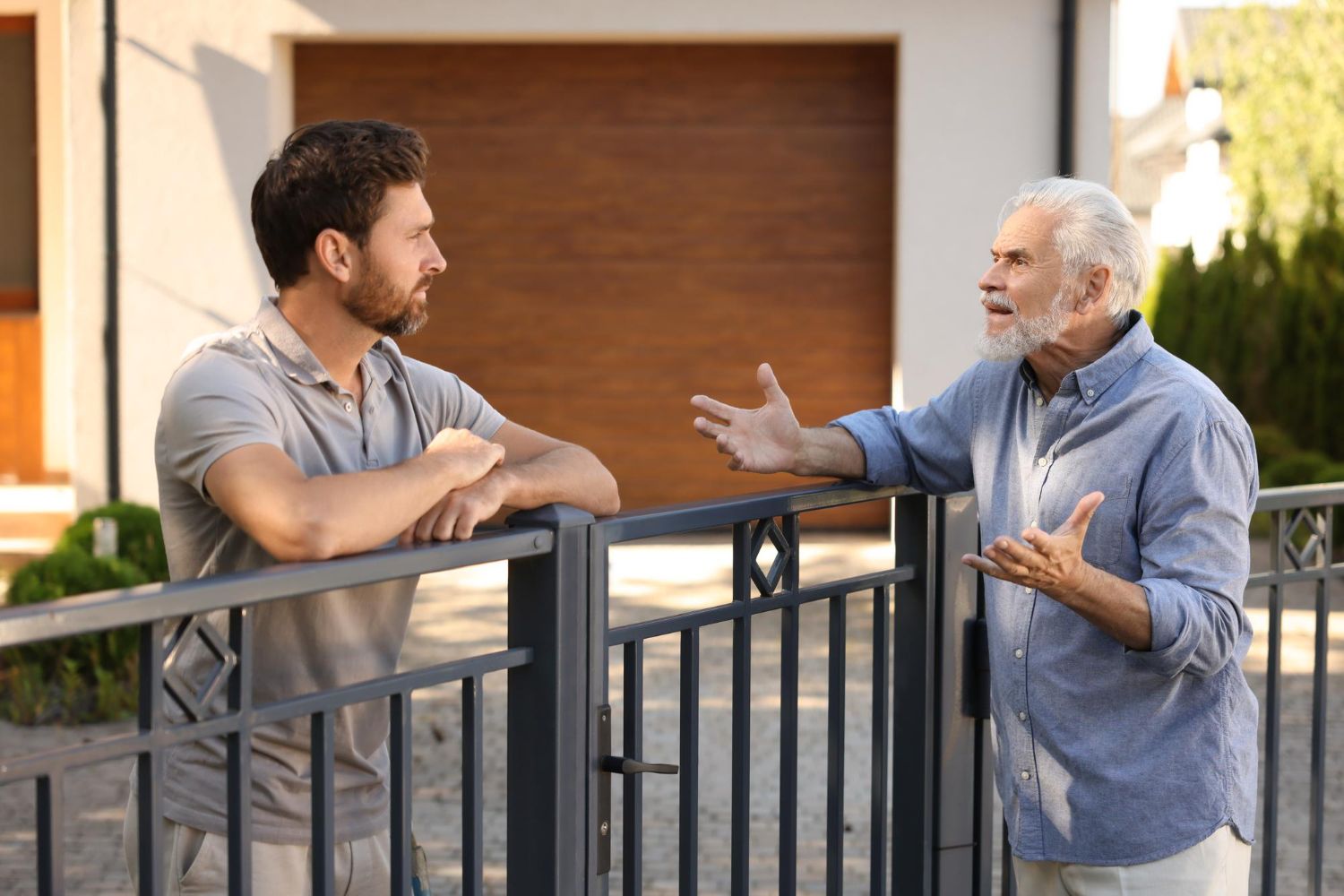
For the building manager to mediate effectively, it is necessary to map out the origins of these disagreements and understand how day-to-day friction takes shape within the condominium. Administrative routine reveals that the overwhelming majority of neighbour-dispute complaints are concentrated around recurring, well-defined themes. These flashpoints of discord involve the improper use of shared areas, the breach of quiet-hours rules and structural issues that directly affect other people's property, requiring very clearly defined rules and a firm resolution on the part of condominium management.
Noise is the undisputed champion of complaints that generate neighbour disputes. Noises from heavy footsteps on wooden floors, high heels late at night, dragging furniture, children crying, renovations outside permitted hours and sound systems or televisions at high volume directly disturb others' peace and quiet. Although there is no single nationwide "law of silence", disturbing the peace is classed as a criminal misdemeanour in Brazil. It is up to the condominium's internal rules to regulate decibel limits and permitted hours so there can be a resolution of problems based on objective, acceptable parameters for coexistence.
Another constant source of discussion involves pets and parking spaces within the condominium. Persistent barking throughout the day, unpleasant odours due to a lack of hygiene on balconies, or the improper disposal of waste in shared circulation areas cause strong irritation among residents. At the same time, badly parked cars, vehicles that cross the marked lines making it hard for a neighbour to manoeuvre, or breaches of internal speed limits create a constant climate of tension. Given so many behavioural variables, resolving such issues depends on clear rules and the even-handed application of the penalties set out in the condominium's internal rules.
To understand how neighbour disputes play out in the day-to-day life of a condominium, the list below sets out the five main causes of discord:
Noise pollution generated by renovations without prior scheduling, the use of jackhammers at night and prolonged parties in individual units.
Parking problems, including large vehicles parked in tight spaces and obstruction of manoeuvring areas.
Pets that bark non-stop while their owners are away or roam the communal areas without a lead.
Hidden leaks and seepage between flat slabs, the technical diagnosis of which is complex and raises questions about who should pay for the repair.
Financial disagreements arising from unpaid service charges, which places a strain on the condominium's revenue and undermines collective improvements.
The recurring incidence of problems linked to these factors shows that definitively resolving these disputes requires more than simply applying fines; it calls for an integrated strategy of prevention and structured dialogue within the condominium to mitigate neighbour disputes before they contaminate community life for good.
Warning signs for identifying escalating animosity
A building manager who takes a strategic approach should not wait for a formal complaint to be lodged before acting. In most cases, neighbour disputes give clear signs that they are getting out of hand long before they become formal proceedings. Preventively identifying these symptoms of interpersonal wear and tear within the condominium is crucial so that the search for a peaceful resolution happens more easily, preventing animosity from reaching extreme levels of verbal or physical violence.
One of the first signs that the relationship between residents is deteriorating is a change in the dynamics of communication within the condominium's informal and digital channels. The use of a sarcastic tone, messages with aggressive demands in WhatsApp groups, or the public airing of grievances that should be handled privately are clear signs that respectful dialogue has broken down. When the parties prefer to trade mutual accusations in online forums rather than seek a civil conversation, the chances of these neighbour disputes turning serious increase sharply, requiring prompt intervention from the manager to mediate the case and set out rules of civility within the condominium.
Another alarming sign is the emergence of informal reports and repeated complaints made directly to reception or cleaning staff. When a resident starts systematically monitoring another's movements, noting down entry times, minor noises or small infractions with the sole aim of gathering "evidence", the neighbourly relationship has already crossed the line of ordinary tolerance. This obsessive behaviour creates an atmosphere of mutual persecution that makes peaceful coexistence impossible. The building manager should view these informal reports as a risk barometer and adopt preventive resolution measures to curb this spiral of hostility.
The list below summarises the main attitudes and behaviours that indicate animosity is escalating worryingly within the condominium:
Aggressive, sarcastic or intimidating messages aimed at specific residents in the condominium's collective online groups.
Constant verbal complaints made to doormen and caretakers about the everyday conduct of the same resident.
A defensive stance or clear avoidance of eye contact and physical proximity in common areas, accompanied by facial expressions of deep displeasure.
Repeated requests for security camera footage to prove minor traffic infringements or insignificant noises made by a specific neighbour.
Careful attention to these indicators of neighbour disputes gives condominium management the chance to get ahead of the problem. Intervening at this early stage, through discreet conversations without immediate punitive intent, dramatically increases the success rate in resolving the impasse, preserving harmony and preventing residents from becoming caught up in a gruelling legal dispute.
The manager's role as peacemaker and the limits of their authority

When disagreements arise between co-owners, the role of the building manager goes beyond administrative and financial management. The modern manager acts as a social peacemaker, whose mission is to promote harmony, mediate disputes and guide residents towards a fair and amicable resolution. However, for this role not to result in abuse or mistrust, it is essential that the stance adopted be one of strict impartiality and neutrality within the condominium.
The biggest mistake an administrator can make when dealing with neighbour disputes is taking sides in the dispute. The building manager is not a judge and has no authority to determine who is morally right in personal disagreements. Their primary role is to facilitate dialogue and ensure strict compliance with the condominium's bylaws and internal rules. By showing favouritism or hastily judging an account based on personal sympathies, the manager loses their credibility as a mediator and ends up becoming part of the conflict itself, which seriously undermines resolution of the problem and invites accusations of administrative abuse against management.
In addition to neutrality, the building manager must have clarity about the limits of their legal authority. Disagreements of a strictly private nature — that take place within individual units and do not breach any collective rule of the condominium —, should be resolved directly by those involved. Intervening forcefully in emotional disputes, mutual antipathies or private differences of opinion amounts to overstepping one's role. The condominium should only take formal action when a resident's conduct exceeds the bounds of reasonableness and demonstrably threatens the safety, peace or health of the community, justifying the application of warnings or fines with a focus on resolving the disorder.
Preventive mediation techniques for solving simple impasses
When animosity is identified within the condominium, using preventive mediation techniques represents the best alternative for containing neighbour disputes before they gather momentum and become insoluble. Mediation is a structured process of facilitating dialogue, conducted neutrally by the building manager or a specialised professional, aimed at restoring respectful communication between residents so that they can find the best resolution to the impasse themselves.
The first phase of mediation is pre-mediation, the moment when the facilitator sets out the basic rules of the procedure, ensuring equal treatment and total confidentiality of all information shared. The building manager should begin the process by hearing each party's complaints individually. This separate approach avoids direct confrontation at moments of high emotional intensity and allows each resident to speak freely, sharing their frustrations and points of view without being interrupted. The mediator should conduct this preliminary conversation neutrally, focusing on asking clarifying questions and refraining from expressing any judgement or opinion about the account given.
After gathering the initial facts from both sides, the building manager can propose a joint conciliation meeting within the condominium. To ensure this meeting takes place in a climate of respect and civility, the manager should adopt a strict protocol for handling neighbour disputes, focused on productive resolution:
Clear rules of conduct set in advance for the meeting, strictly limiting the speaking time available to each participant.
Use of active listening techniques to identify the real feelings and unspoken needs behind residents' defensive behaviour.
Explicit prohibition of interruptions, offensive gestures or personal attacks while each resident's grievances are being presented.
A clearly established right of reply and counter-reply, provided it is conducted politely and geared solely towards formulating proposals for agreement.
Consistent application of this protocol shows that condominium management is not seeking to punish blindly, but rather to facilitate a lasting understanding. When the parties feel they have been heard fairly and respectfully, the level of aggression decreases and the likelihood of reaching a peaceful resolution grows exponentially, preserving collective harmony.
Non-violent communication in condominium management practice
The quality of human interactions within a condominium depends directly on the way people express themselves and listen to one another. Analysis of day-to-day disputes shows that most neighbour disputes do not stem from a genuine clash of interests, but rather from flaws in the way grievances are presented. Given this reality, Non-Violent Communication (NVC), developed by psychologist Marshall Rosenberg, stands out as a powerful methodology in the search for a peaceful, lasting resolution of disputes within the condominium.
The practice of Non-Violent Communication is based on four fundamental components that transform the way residents relate to one another and seek to resolve their differences. The first step is objective observation of the facts, stripped of any judgement or personal interpretation. Instead of accusing the neighbour of being noisy or disrespectful, the resident should simply report having heard noise after 10pm on certain days. The second step is clearly expressing genuine feelings about that observed fact. The resident should convey that they feel tired or frustrated by the situation, revealing their vulnerability honestly, which disarms the other party's defensive stance.
The third component involves identifying and expressing the unmet human need that gave rise to that feeling. In the case of noise, the underlying need is adequate rest at night in order to be able to work the following day. Finally, the fourth step is the formulation of a concrete, specific and achievable request for action. Rather than demanding that the other person "stop making noise", the request should be specific, suggesting, for example, wearing soft-soled shoes or installing rubber mats in the busiest area. The building manager who applies NVC to mediating neighbour disputes serves as a mirror for the condominium community, showing that aggression can be replaced by mutual empathy, speeding up the problem-solving process without the need for excessive sanctions.
The value of administrative transparency in preventing friction

Distrust and lack of information are powerful fuel for disagreements to arise within a condominium. When management adopts a closed stance, stays silent in the face of crises, or communicates its decisions in a confusing and informal way, residents tend to fill that information gap with assumptions, rumours and gossip. Transparency in management actions acts as an essential antidote against the spread of misunderstandings, curbing the emergence of new neighbour disputes and strengthening the credibility of the condominium's problem-solving process.
The absence of official records is a serious communication failure on management's part. Making important decisions only verbally or via personal instant-messaging apps distorts information over time, fuelling endless debates among residents. The building manager should prioritise official, centralised channels, such as management software, physical noticeboards in lifts, and clear, direct newsletters. The prompt availability of meeting minutes, rules of conduct and detailed financial reports demonstrates that the condominium operates under strictly objective criteria, dispelling unfounded suspicions of favouritism.
Transparency also plays a vital role in conducting the condominium's meetings and general assemblies. Presenting agendas in advance, clarifying doubts in a straightforward way and encouraging collective participation in setting shared rules drastically reduces the feeling of exclusion. When co-owners feel they are part of decision-making and that accounts are managed honestly, mutual cooperation prevails over distrust. This stance of respect and informative clarity discourages the development of neighbour disputes and builds a lasting culture of tolerance and harmony within the condominium, making any necessary resolution easier.
When the building manager should encourage taking the dispute to court
Seeking a peaceful resolution through dialogue should always be the priority path for any condominium management. However, there are highly serious scenarios in which internal and administrative conciliation tools prove entirely insufficient. In these circumstances, the building manager has a responsibility to advise the residents involved, or the condominium itself, to seek the support of the courts so that the resolution decisions taken carry real enforceable weight.
Encouraging the judicialisation of neighbour disputes is justified when there is continuous, flagrant non-compliance with internal rules by a resident, even after all the graduated penalties of warnings and financial fines set out in the bylaws have been applied. If the inappropriate behaviour directly interferes with neighbourly rights — breaching the legal guarantees of peace, health and safety set out in Article 1,277 of the Civil Code —, bringing a specific legal action for an injunction to cease the conduct, with an urgent interim relief request, becomes the recommended path to restore order within the condominium. Chronic situations of hard-to-diagnose leaks, unlicensed renovations that damage structural integrity, or the pathological build-up of waste on a balcony fall squarely within this level of seriousness.
Immediate judicialisation is also called for in the face of crimes committed within the condominium. If a neighbour dispute escalates into serious threats of physical violence, racial abuse or actual assaults against co-owners, staff or the building manager themselves, administrative resolution is immediately overtaken. In cases of this severity, the public security authorities should be called immediately via the emergency number 190, and a police report should be filed promptly, setting criminal proceedings in motion.
For the most extreme cases, Brazilian case law has established a specific legal procedure for excluding an antisocial co-owner. When a resident's repeated conduct puts other neighbours' lives at real risk, management should adopt a strict legal protocol:
Immediate call to the police to contain the situation of imminent danger and record the incident in detail.
Calling an extraordinary general assembly so that residents can vote democratically on excluding the resident from the condominium.
Filing a legal action based on Article 1,337, sole paragraph, of the Civil Code, seeking revocation of the right to use and occupy the property, drawing on court rulings for physical eviction.
Taking these drastic measures shows that, although the judicial route should be the last resort, the condominium cannot tolerate dangerous behaviour that puts residents' physical safety at risk, ensuring the crisis is definitively resolved through the coercive force of the law.
Circumstances in which going to court should be avoided
While there are extreme circumstances that call for the force of the courts, on the other hand most of the routine disputes that give rise to neighbour disputes within a condominium should be kept well away from the courts. The building manager plays a fundamental educational role in discouraging residents from suing one another prematurely, demonstrating that judicialisation brings severe operational, emotional and financial costs for the entire neighbourhood.
The first clear disadvantage of going through the courts is the extreme slowness of the state system. In Brazil, a civil neighbourly-dispute lawsuit can take years to reach a final ruling, requiring high costs for lawyers, court fees and technical surveys that strain the finances of those involved. Beyond the material cost, a judge's ruling applies the letter of the law coldly, rarely delivering a real resolution to the emotional discontent between neighbours. Prolonged litigation permanently damages relationships within the condominium, creating a lasting climate of tension and mutual surveillance that undermines collective peace.
Management should actively discourage judicialisation when complaints stem from individual oversensitivity that goes beyond the normal limits of urban coexistence. Living in a collective condominium environment requires every resident to show a certain degree of mutual tolerance towards the everyday noises inherent to social living. Trying to sue a neighbour over the occasional baby crying, normal daytime footsteps or passing appliance noise is a disproportionate move that overloads communication channels. In these neighbour-dispute cases, the building manager should advise the complainant on the limits of social tolerance and encourage empathy and resolution through amicable, out-of-court means, reserving the condominium's resources solely for what is genuinely serious and collective.
NewSun's clean energy subscription for condominiums
A condominium's financial stability is a structuring factor in preventing and calming tempers. When administrative costs rise and force adjustments to the monthly fee, budget dissatisfaction generates harsh demands and fuels the emergence of new neighbour disputes in general assemblies collectively. To promote financial relief and sustainability within the condominium, NewSun Energy Group offers NewSun's clean energy subscription, a smart solution that helps stabilise the electricity bill for the condominium's common areas, shields the bill against tariff surcharges and delivers progressive savings over time.
The system works in a completely hassle-free way: the condominium signs up for the subscription plan and starts receiving clean energy credits generated at solar plants directly on its usual bill from the local utility. This happens without the need for costly building work, installing solar panels on the roof or altering the wiring, eliminating the friction that complex renovations usually bring to residents' daily lives. By reducing common-area expenses — which include lifts, car parks and outdoor lighting —, NewSun's clean energy subscription genuinely reduces operating costs, lowering the rates of unpaid charges that tend to strain internal relationships within the condominium.
Beyond the financial gain on the bill, NewSun stands out for its focus on relationships and innovation, offering truly human, personalised support to resolve any need the building manager may have. Managers also have access to an exclusive, interactive platform, NewSun Energy Club, designed specifically to make it easier to track all energy spending. The transparency in accounting for consumption provided by NewSun Energy Club demonstrates administrative seriousness to co-owners, building trust within the condominium community. By cutting costs and clearly encouraging sustainable practices, the building manager fosters a collective environment of mutual cooperation, essential for resolving and preventing neighbour disputes and ensuring social peace within the condominium.
Find out more about our Energy Solutions.
Long-term strategies for peaceful coexistence
Ensuring long-term social harmony requires management to implement well-established organisational strategies. The modern building manager should act with continuous preventive planning, engaging residents in the voluntary observance of good-neighbourliness rules within the condominium. Building a community based on empathetic dialogue weakens the emergence of neighbour disputes and encourages the spontaneous resolution of small problems, preventing daily relationships from wearing thin.
The first essential strategy is to keep the condominium's internal rules and bylaws duly updated and accessible to everyone. These regulations should clearly reflect the real demands of modern life, unambiguously defining the rules for using shared leisure areas and car parks, and acceptable noise limits. Transparency and ease of access to the rules prevent distortions in how they are interpreted, lending objectivity to preventive action and securing everyone's support towards the swift resolution of everyday impasses.
With the aim of building sustainable, peaceful and healthy coexistence, the list below sets out the four main practical guidelines to adopt in the condominium's internal management:
Centralising internal communication in official apps and digital platforms, ensuring a historical record and the impartiality of all important messages.
Regularly running educational campaigns focused on the areas of greatest friction, promoting ongoing awareness of pet care, sensible use of car parks and noise limits.
Organising condominium assemblies guided by open dialogue and mutual respect, avoiding overly formal dynamics that fuel polarisation and competitiveness.
Training in-house staff and board members in the basics of active listening and preventive mediation, creating a supportive network for tense situations.
Combining these structured organisational practices with innovative cost-saving solutions — such as the tariff stability guaranteed by NewSun's clean energy subscription — allows the condominium to build a resilient, financially secure environment. By reducing sources of financial and social stress within the condominium community, management lowers the incidence of neighbour disputes and lays strong foundations for a participative culture, in which the peaceful resolution of disagreements becomes a natural part of everyday life.
You may also like
- Dicas para Síndicos e PMES
 22/10/2026
 5m
5m - Casos de Sucesso20/10/20265m
- Dicas para Síndicos e PMES16/10/20265m




Stop paying more for your energy bill
Find out in less than 1 minute how much you could save with clean energy every month — no works and no bureaucracy.
Join the energy revolution
Subscribe to our newsletter and receive exclusive content