
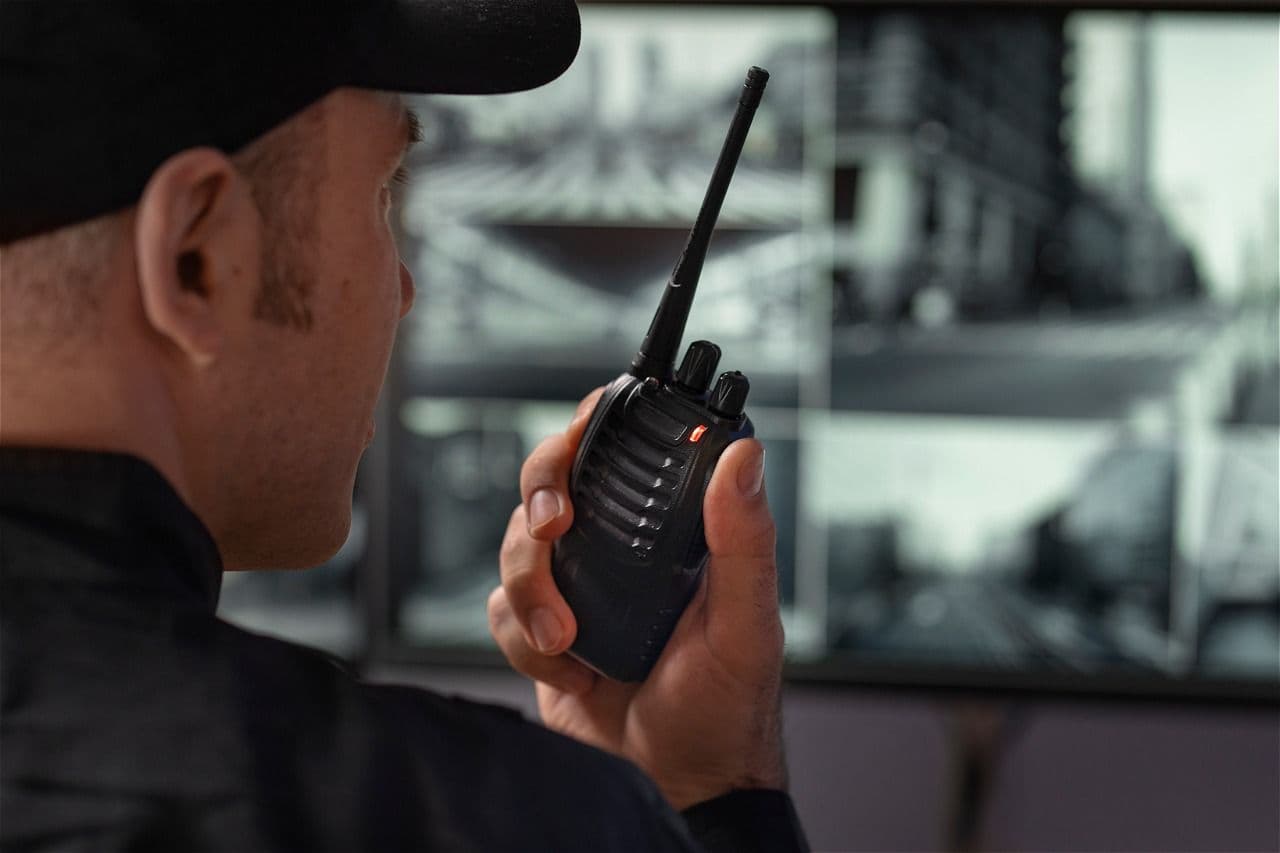
Gatehouse security during Easter
Gatehouse security during Easter
Dicas para Síndicos e PMES
 02/04/2026
 5 min
5 minThe period surrounding the Easter celebration brings a profound change to the operational routine of Brazilian condominiums. For the building manager, this date represents far more than a religious holiday or a moment of family gatherings — it is a genuine stress test for the security and efficiency of the gatehouse.
The exponential increase in the flow of people, combined with a surge in deliveries of fragile, high-value parcels such as the traditional chocolate eggs, creates an environment of vulnerability that demands rigorous planning and strategic anticipation. Modern condominium security depends on the integration of well-defined human protocols with the support of cutting-edge technology, ensuring the gatehouse does not become a bottleneck of resident dissatisfaction or an open door to crime.
Data analysis from the real estate and private security sectors shows that public holidays and long weekends alter the dynamics of residential buildings in a cyclical and predictable way. Condominiums that treat the rise in foot traffic as an extraordinary situation tend to react only once the problem arises, generating operational failures. Meanwhile, more mature operations adjust their protocols in advance, reinforce access criteria and brief their teams ahead of time, recognising that effective security begins with anticipation rather than a late response. In this scenario, Easter requires the building manager to act as a logistics and risk manager, ensuring the festive atmosphere does not compromise the community's collective wellbeing.
Flow Management and Access Control During Busy Holidays

The increase in gatehouse traffic during Easter is driven by three main factors: the arrival of visitors and guests for family lunches and gatherings, the rise in delivery services and the movement of seasonal service providers. When traffic increases without proper organisation, the gatehouse becomes a critical point of silent vulnerability. The temptation to informally relax the rules to speed up service is common, but this practice increases the risk of unauthorised access and loss of traceability.
To maintain intelligent flow control, adopting identification technologies becomes essential. The use of facial recognition and digital biometrics is considered the gold standard in security today, as it allows residents to be cleared automatically without the need for keys or tags that can be lost. However, the challenge lies in handling temporary visitors. The building manager should encourage the use of pre-registration tools via app, where the resident generates an access QR code for their guest. This practice eliminates the need for exhausting phone calls to individual units, reducing queues on the pavement while maintaining the security of external screening.
Security must also cover vehicle control. Radio-frequency vehicle tag technology is a practical solution that prevents unauthorised cars from slipping through when the gate opens for someone else. During Easter, extra attention should be paid to sluice gates and transfer areas, ensuring that gates remain open for the minimum time necessary for safe passage, preventing intruders from entering. The building manager should advise residents not to allow other vehicles or pedestrians to "tailgate" through, reinforcing that security is a shared responsibility.
Strategic Communication with Residents about Security
Active, preventive communication is one of the most effective pillars for avoiding incidents during Easter. The building manager should use a variety of channels to ensure the alert message reaches every type of resident. Although WhatsApp groups are quick, they can generate noise and side discussions that obscure critical information. For this reason, using official circulars, notices in lifts and communications via condominium management apps is essential to establish clear guidelines on expected behaviour during the holiday.
Notices should cover specific topics, such as the importance of not leaving keys at the gatehouse and the need to inform the management about extended trips. The goal of this communication is not to cause alarm, but to promote a culture of responsible prevention, where every resident understands their role in maintaining collective security.
Essential guidelines list for the notice to residents:
Always pre-register guests through the condominium app to speed up entry at the gatehouse on Easter Sunday.
When arriving by car in the garage, turn on the interior light and lower the windows to make it easier for the gatehouse staff or cameras to identify you.
Never allow entry to couriers claiming to bring unsolicited "Easter presents" or unexpected gifts without prior verification.
Be wary of links received via social media offering gifts from well-known brands in exchange for personal data or shipping fees.
Keep unit doors and windows locked when travelling, and switch off the main power and gas supply to prevent domestic accidents.
Transparency in management also means informing residents of the measures the condominium is taking, such as reinforcing the gatehouse team or carrying out a preventive review of cameras and sensors. When residents see that planning is underway, they tend to be more cooperative with the rules, reducing friction with gatehouse staff who are simply carrying out security protocols approved at the assembly. Effective security is, therefore, the result of communicative leadership and an informed community.
The Chocolate Scam: How to Spot and Prevent Fraud at Easter
As Easter approaches, criminals step up their use of social engineering to carry out the "chocolate scam". This fraud has both digital and in-person variants, exploiting the psychological trigger of free gifts to deceive consumers and overload the gatehouse's security. In the digital environment, the scam usually starts with a message received via WhatsApp or social media, where the criminal poses as a well-known chocolate brand (such as Cacau Show or Kopenhagen) and claims the recipient has won an Easter basket or a high-value voucher.
The mechanics of the digital scam are classic: the victim is led to click a phishing link, fill in a form with sensitive data (ID number, address, phone number) and share the "promotion" with their contact list. In many cases, the criminals request payment of a small "delivery fee" via Pix or credit card for the prize to be released. Fake websites are created with suspicious domains (such as ".xyz" or ".shop") that visually imitate the brands' official channels in order to steal banking credentials. The building manager should warn residents that legitimate brands do not charge shipping fees for promotional gifts and never ask for passwords via message.
The in-person variant of the chocolate scam is even more dangerous for condominium security. The scammer arrives at the gatehouse in uniform, with a fake ID badge, carrying a gift package. They use real information about the resident, obtained from data leaks, to convince the doorman that the delivery is genuine. When attended to, the criminal demands payment of the shipping fee on a tampered card machine. The device's screen may be deliberately damaged or show a low amount while the actual transaction debits thousands of reais from the victim's account. In some cases, the fake courier swaps the resident's card for a similar one, or even attempts to photograph the person's face to bypass banks' facial biometric systems.
Gatehouse Protocols for Receiving Easter Parcels

Logistics management of parcels during Easter requires the gatehouse to act as a strict filter. The building manager should implement protocols that prevent strangers from entering the condominium's internal areas under the pretext of making a delivery. Security experts recommend installing a "parcel pass-through" or "pizza hatch" at the gatehouse, allowing goods to be exchanged without opening the main gate. If the resident is not present, the parcel should be checked externally and stored in a secure location.
It is essential that the doorman logs every incoming parcel in a digital system, recording the courier's name, the responsible company and the arrival time. Modern condominium management software automates this process through photos of labels and instant notifications sent to the resident's mobile phone. During Easter, when the fragility of chocolate eggs is a critical factor, prompt communication prevents boxes from piling up at the gatehouse, which can obstruct camera views and create operational bottlenecks.
Security protocol for receiving deliveries at Easter:
The resident should be contacted via intercom to confirm whether they placed an order or are expecting a specific gift delivery.
Couriers from apps or shops should never have access to the interior of the towers or go up to flats unaccompanied.
In the case of unexpected Easter gifts, the resident should come down to the gatehouse to verify the origin and should never make payments on card machines brought by strangers.
Every parcel collection at the gatehouse should be confirmed using a security code provided by the condominium app, serving as a digital signature.
The gatehouse should refuse to accept visibly damaged parcels or those requiring payment of delivery fees not previously authorised by the resident.
The building manager should also pay attention to the thermal integrity of the products. Chocolate is extremely sensitive to heat, starting to lose its texture from 21°C and melting completely at 28°C. If the gatehouse does not have a cool or air-conditioned space for temporary storage, the condominium may face satisfaction issues and even formal complaints about damaged goods.
Condominium Civil Liability and Legal Aspects at the Gatehouse
Serving as building manager requires an understanding of the legal implications surrounding security and the receipt of parcels. According to Article 22 of Law 6,538/78, those responsible for buildings (including doormen and administrators) are authorised to receive correspondence addressed to any unit, and are liable for its loss or violation once accepted at the gatehouse. This means responsibility for safeguarding and caring for the item is transferred entirely to the condominium the moment the receipt is signed.
Brazilian case law, based on Articles 932 and 933 of the Civil Code, establishes that the employer (the condominium) bears strict liability for damage caused by its employees or agents in the course of their duties. Serious failures at the gatehouse, such as allowing entry to a fake chocolate courier who goes on to commit thefts within private units, can lead to hefty awards for moral and material damages. Courts have held that inadequate provision of security and surveillance services constitutes negligence, obliging the condominium to compensate the affected resident.
To protect itself legally, the condominium must ensure that all security procedures are set out in the internal regulations and approved at the assembly. Taking out civil liability insurance for the building manager and the condominium is a prudent measure, as it covers compensation costs arising from unintentional damage. However, deliberate acts or gross negligence in maintaining security equipment may void the policy's cover, reinforcing the need for skilled management attentive to the operational details of the gatehouse during Easter.
Training and Development: The Human Factor in Gatehouse Security
Although technology is an indispensable ally, effective gatehouse security during Easter depends primarily on human training. Gatehouse staff face intense psychological pressure during holiday periods, dealing with impatient residents and a flow of information that can cause mental fatigue and distraction. Specialist training should focus on standardising service protocols so that security is predictable and does not depend on improvised decisions.
The building manager should hold refresher and alignment sessions with the team, covering techniques for identifying suspicious behaviour and stress management under pressure. Trained doormen know how to refuse entry to individuals who "pull rank" or try to create a false sense of urgency to bypass document checks. In addition, training should include the correct use of technological tools, ensuring that camera monitoring and visitor logging are carried out continuously and accurately.
Key topics for gatehouse team training:
External screening techniques: identifying visitors and service providers without opening the first gate or sluice.
Scam simulation: training staff to spot fake couriers and the correct procedure for refusing payments at the gatehouse.
Assertive communication: how to handle residents who request that security protocols be broken for personal convenience.
System operation: mastery of facial recognition tools and parcel management apps.
Emergency protocols: knowing who to contact in the event of attempted break-ins or criminal incidents nearby.
Ongoing investment in training is directly reflected in the property's value and in fewer incidents. A well-trained gatehouse team acts preventively, anticipating risks and protecting the physical and material integrity of the community. For the building manager, having a well-trained team is the guarantee that approved security guidelines will be carried out rigorously, even amid the logistical challenges posed by Easter.
Savings and Management: The NewSun Energy Subscription Revolution

Modernising gatehouse security and implementing new technologies requires a steady budget. One of the most strategic ways for a building manager to free up capital for investment in protection is by optimising the condominium's fixed costs, especially spending on electricity for common areas. NewSun Energy Group offers an innovative clean energy subscription solution that can dramatically cut the electricity bill without the need for building work, rooftop solar panel installations or any upfront investment by the condominium.
Through a distributed generation model, NewSun generates renewable energy (solar and biogas) on its own farms and converts that production into credits that are automatically applied by the local distributor to the building's bill. This solution stabilises the electricity bill for common areas — covering the gatehouse, camera systems, garage and lift lighting — shielding the condominium's cash flow against sharp swings in the yellow and red tariff flags. The savings build progressively and provide the financial predictability essential for planning infrastructure and security improvements.
NewSun stands out in the market for its genuinely human customer service and its exclusive platform, the NewSun Energy Club. Through the digital management system, the building manager and board members can track, in real time, the energy consumption of each common-area unit, checking the credits applied and the sustainable impact generated. Beyond the savings, adopting clean energy raises the standard of the building manager's administration, demonstrating commitment to ESG principles (Environmental, Social and Governance) and to the technological modernisation of the property.
The energy transition made possible by NewSun allows the condominium to become a high-performance unit, where the savings generated can be reinvested in modernising the gatehouse's security systems. In a scenario where the urban population living in condominiums is set to grow significantly by 2030, energy efficiency and asset protection are the differentiators that guarantee resident satisfaction and long-term property value.
Find out more about our Solutions for Condominiums.
Easter Logistics: The Challenge of Storing Delicate Gifts
Easter poses a unique logistical challenge for the gatehouse: handling and storing perishable, fragile goods. Unlike traditional e-commerce parcels, Easter eggs require temperature and humidity control to preserve their appearance and quality. Chocolate is highly prone to "fat bloom" (a whitish discolouration caused by heat) and can absorb odours from cleaning products if stored incorrectly at the gatehouse.
The building manager should organise internal logistics to ensure that the time chocolate spends at the gatehouse is kept to a minimum. Instant app notifications are the most effective tool for alerting residents that their gift has arrived, encouraging prompt collection. In upmarket condominiums or those with a large number of units, creating dedicated, climate-controlled spaces for parcels is a growing trend that raises the perceived value of the gatehouse service.
Logistical guidelines for storing chocolate:
Keep Easter parcels away from windows exposed to direct sunlight or from electronic equipment that generates heat.
Never stack heavy boxes on top of chocolate egg packaging to avoid structural damage to the product.
Store in a well-ventilated area, keeping the ideal temperature between 14°C and 20°C to preserve the chocolate's shine and texture.
Avoid contact between food parcels and chemicals or cleaning products stored at the gatehouse.
Poor storage logistics can result in financial losses for the resident and damage to the building manager's reputation. When the gatehouse takes care over the thermal and physical integrity of Easter gifts, it demonstrates professionalism and respect for residents' property. Organising the flow of receiving and handing over parcels is, therefore, an extension of the condominium's own institutional security.
Final Thoughts: Security and Efficiency as a Management Legacy
Celebrating Easter in a safe, well-organised condominium is the result of technical, preventive and innovative management. By anticipating the risks associated with the holiday, shielding the gatehouse against sophisticated scams and implementing digital access control technologies, the building manager protects not only physical assets but the trust and peace of mind of every family. Effective gatehouse security during Easter requires rigorous protocols and empathetic service, ensuring that heavy traffic never turns into vulnerability.
At the same time, the pursuit of operational efficiency depends on intelligent resource management. NewSun Energy's clean energy subscription emerges as the ideal strategic partner for the modern condominium, helping to cut fixed costs and stabilise the common-area budget. Through the NewSun Energy Club and genuinely human support, the building manager gains control tools that raise their administration to a new level of professionalism and sustainability. By combining security, technology and savings, the condominium manager delivers a peaceful Easter and reaps the rewards of efficient, forward-looking management.
You may also like
- Casos de Sucesso
 20/10/2026
 5m
5m - Dicas para Síndicos e PMES16/10/20265m
- Dicas para Síndicos e PMES13/10/20265m




Stop paying more for your energy bill
Find out in less than 1 minute how much you could save with clean energy every month — no works and no bureaucracy.
Join the energy revolution
Subscribe to our newsletter and receive exclusive content