
Facade Maintenance and Painting: How to Plan It, Step by Step
Facade Maintenance and Painting: How to Plan It, Step by Step
Dicas para Síndicos e PMES
 14/04/2026
 5 min
5 minManaging a condominium requires the building manager to have a strategic vision that goes far beyond balancing the monthly accounts or mediating conflicts between neighbours. One of the greatest assets of any property development is its external appearance and structural integrity, elements that depend directly on rigorous planning for facade maintenance and painting. In the Brazilian urban landscape, where vertical construction is on the rise and climate variations are becoming increasingly extreme, looking after the building's "skin" is not just a matter of aesthetics, but a commitment to collective safety and the appreciation of the asset .
A building's facade suffers daily damage from agents such as acid rain, ultraviolet radiation and urban pollution. When neglected, this structure begins to show signs of fatigue that can develop into serious problems, such as leaks in individual units, corrosion of reinforcement bars and even the detachment of coatings, which poses real risks to pedestrians and residents . In this article, we explore how the building manager should structure an efficient schedule, choose the right materials and ensure that facade maintenance and painting take place with technical and financial security.
The Role of ABNT NBR 5674 and NBR 15575 Standards in Maintenance
For the building manager to carry out professional management, the starting point must be compliance with Brazilian technical standards. The ABNT NBR 5674 standard is the pillar that establishes the requirements for building maintenance management systems. It states that maintenance should not be treated as an isolated intervention or a last-minute "patch job", but rather as a constant flow of standardised, cyclical services . According to this standard, the manager must draw up a maintenance programme that includes periodic inspections, anomaly reports and a annual budget forecast specifically for preserving the property's performance .
In addition, NBR 15575, known as the Performance Standard, introduces the concept of Design Service Life (VUP). This standard defines the minimum quality criteria that external sealing systems, such as walls and coatings, must maintain over the years to ensure thermal comfort, water tightness and impact resistance. For the VUP to be achieved, the condominium must follow the preventive maintenance guidelines set out in the Building Use and Maintenance Manual provided by the construction company . Failure to comply with these guidelines can invalidate legal warranties and accelerate the building's depreciation.
Adopting a building maintenance plan based on these standards also acts as a legal shield for the building manager. As the legal representative, they can be held civilly and criminally liable for damage caused by a lack of upkeep of common areas . Therefore, presenting facade painting budgets based on technical and regulatory requirements is the safest way to secure approval at the general meeting, demonstrating that the investment is aimed at the safety and longevity of the structure .
Ideal Frequency for Washing and Painting Building Facades
Deciding when to carry out facade maintenance and painting depends on a technical analysis that takes into account the age of the building, the type of cladding and environmental exposure. Generally speaking, NBR 5674 recommends that facades undergo technical washing and thorough inspection at least every 3 years . This three-year cycle is essential for removing the build-up of soot, dust and micro-organisms that degrade the paint film and can hide emerging cracks .
For the painting itself, the interval commonly practised in the Brazilian market, and reinforced by various municipal laws, is no more than 5 years . This five-year period coincides with the point at which resins in premium paint lines lose their original elasticity and hydrophobic capacity . In cities such as São Paulo, Municipal Law 10.518/88 makes it mandatory to wash or paint facades visible from public thoroughfares every 5 years, under penalty of heavy fines . In Rio de Janeiro, State Law 6.400/2013 requires a five-yearly self-inspection for buildings over 25 years old, which includes issuing reports on the condition of the facades .
It's important that the building manager doesn't wait until the final deadline to act. Buildings located in coastal areas, for example, suffer from sea spray, which accelerates the corrosion of window and door frames and the appearance of efflorescence. In these cases, inspections should be carried out annually. Keeping up with maintenance prevents simple interventions from turning into major structural refurbishments, the costs of which can be up to 40% higher if carried out on an emergency, corrective basis .
Identifying Pathologies: Carbonation and Efflorescence
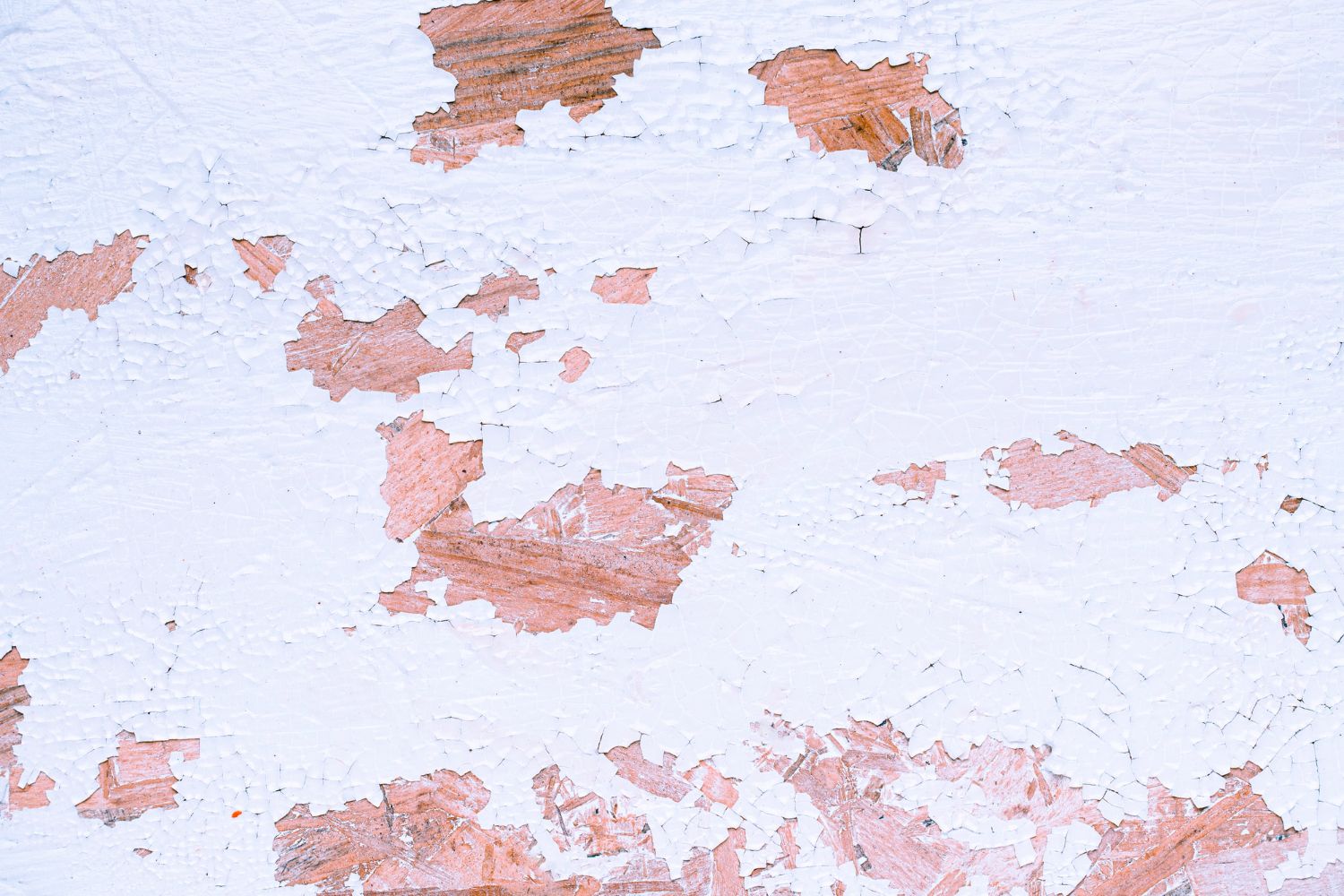
Before opening a single tin of paint to start painting, the building manager must ensure that the facade's "health" has been assessed. Applying a new finish over a surface compromised by defects is a serious mistake that will result in blistering, peeling and wasted resources in a short space of time . Among the most common problems found on building facades are concrete carbonation and efflorescence .
Carbonation is a silent chemical phenomenon that affects reinforced concrete structures. The process occurs when carbon dioxide (CO²) from the atmosphere penetrates the pores of the concrete and reacts with the calcium hydroxide present in the cement. This reaction lowers the concrete's pH from around 13 to below 9, destroying the chemical protective layer that surrounds the reinforcement steel. The result is oxidation of the metal, which expands in volume and causes cracking and the detachment of concrete chunks from the facade. Treatment requires removing the degraded section, cleaning and protecting the reinforcement before restoring and repainting.
As for efflorescence, this appears as powdery white stains on the surface of the building. It occurs when rainwater or water from leaks percolates through the wall, dissolves free lime salts from the cement and carries them to the surface . As the water evaporates, the salts crystallise, creating deposits that can even rupture the paint film. The presence of these stains is a clear sign that the waterproofing of the facade or the grouting is failing and needs urgent maintenance before any aesthetic finish is applied.
Technical Comparison for Choosing Facade Paint
Choosing the right paint is one of the most critical decisions for successful facade maintenance and painting. The building manager will find three main types of technology on the market for exterior use: premium acrylic, elastomeric and silicate-based. Each has specific characteristics in terms of durability, permeability and cost that must be weighed up during planning.
Below, we detail the main differences between the technologies:
Premium Acrylic Paint: This is the most versatile and common option. Formulated with acrylic resins, it offers excellent resistance to water and UV rays, as well as a wide range of colours and finishes. It is suitable for stable facades in urban settings with moderate climate conditions.
Elastomeric Paint (Rubberised): Stands out for its high elasticity, able to stretch between 150% and 300% of its original size without tearing. Its main function is the so-called "crack bridging" effect, following the building's minor thermal movements and preventing hairline cracks from becoming points of water ingress. It has a longer lifespan (8 to 12 years) and is ideal for facades that already show chronic cracking.
Silicate (Mineral) Paint: Unlike plastic-based films, silicate paint reacts chemically with the substrate (cement or brick), bonding to the wall in a petrification process. It has extremely high water vapour permeability, allowing the wall to "breathe", which prevents blistering and mould. It is the most durable and sustainable choice for buildings seeking low maintenance for decades to come.
Epoxy Paint: Although versions exist for industrial facades due to their extremely high chemical and mechanical resistance, its use in residential condominiums is more common in indoor areas subject to heavy traffic, such as garages and stairwells.
Latex Paint (PVA): This should be avoided in outdoor areas. Being water-based and having low resistance to the elements, applying it to a facade would result in accelerated wear, requiring fresh maintenance in a very short time.
How to Budget a Maintenance Team with Rigour and Safety
The process of budgeting for the responsible team for facade maintenance and painting must be handled professionally to avoid unexpected contractual add-ons and legal risks for the condominium. The building manager should request detailed proposals from at least three specialist companies, requiring all of them to carry out an on-site technical visit before issuing a quote .
A quality facade painting quote should include clear technical specifications, such as the paint brand and product line, the number of coats, the products used for treating cracks and the execution schedule. It is essential that the building manager use a proposal tabulation technique, comparing item by item to ensure that the scopes of work are identical across competitors. Proposals with prices significantly below the market average should be viewed with caution, as they may conceal the use of lower-quality materials or non-compliance with labour obligations .
In addition to the financial aspect, the building manager must verify the reliability of the contracted company. Requesting references from at least three condominiums where the team carried out similar work in the last 24 months is good practice for assessing staff conduct on site and the quality of the final delivery . Checking the company's active CNPJ, operating licence and registration with the relevant professional bodies (CREA or CAU) is also essential to ensure the service provider's tax and technical compliance.
Required Documentation: NR-35, ART and Legal Protection

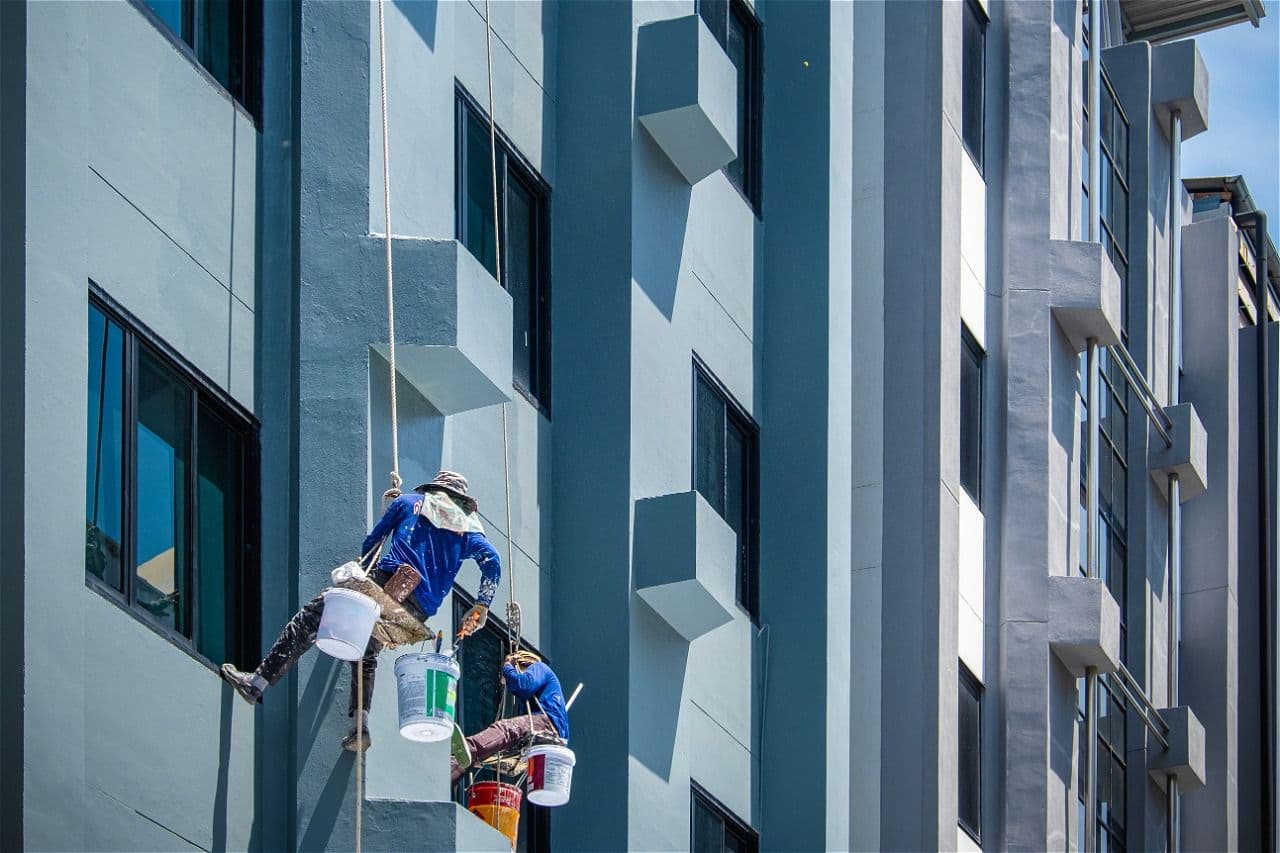
Working at height is classified as a high-risk activity. In Brazil, any work carried out above 2 metres in height requires strict compliance with Regulatory Standard NR-35. When hiring a facade maintenance company, the building manager must require that all industrial rope-access technicians or painters hold valid NR-35 training and use Personal Protective Equipment (PPE) that is duly certified. Failing to enforce this can result in direct criminal and civil liability for the building manager in the event of fatal or serious accidents .
Another non-negotiable document is the Technical Responsibility Record (ART) or Technical Responsibility Registration (RRT). This document must be issued by the engineer or architect responsible for supervising the work before activities begin. The ART formally identifies the professional who will be accountable for the technical quality and safety of the intervention. In addition, the building manager should check whether the condominium has an anchoring plan and whether the fixing points for bosun's chairs and suspended platforms have been inspected by a qualified professional within the last 12 months.
To close the loop on asset protection, the contract must require life insurance policies for the workers and, crucially, Public Liability Insurance (RC) for the contracted company. RC insurance protects the condominium and the building manager against material or bodily damage caused to third parties during the works, such as paint splashes on residents' cars, damage to neighbouring gardens or accidents involving passers-by. Keeping all this documentation organised in the works file is evidence of diligent management before regulatory bodies and building insurers.
Schedule and Planning for Flawless Facade Maintenance
A well-executed facade maintenance and painting plan typically takes between 90 and 120 days in total, depending on the size of the condominium and weather conditions. The secret to avoiding delays is to adopt a so-called "reverse schedule", starting the bureaucratic planning and quoting process months before the dry season (preferably between May and August in the South-East and South), so that the critical treatment and painting stages take place in dry weather.
Technical execution should follow a logical, professional sequence:
Stage 1: Initial Preparation (5 to 10 days). Involves a detailed survey to map defects, setting up the anchoring systems and cordoning off common areas to protect vehicles and gardens .
Stage 2: Technical Washing (10 to 15 days). Carried out using high-pressure water jetting to remove pollutants and micro-organisms, ensuring the ideal porosity for paint adhesion .
Stage 3: Repairs and Treatment (10 to 15 days). A crucial phase involving the scraping away of loose material and treatment of cracks with flexible sealants. This is where the facade is "cured" before painting .
Stage 4: Priming and Painting (30 to 45 days). Application of the acrylic sealer or primer, followed by at least two coats of the chosen finish, respecting drying times and avoiding intense direct sunlight on the walls .
Stage 5: Completion and Inspection (20 to 25 days). Removal of protective coverings, general post-works cleaning and a final inspection by the building manager together with the engineer for the issuing of the photographic report and warranty certificate .
Daily monitoring of this schedule by the building manager or a works supervisor is what ensures the contracted company doesn't "skip steps" that are essential, such as drying time or proper treatment of efflorescence . Keeping residents informed of weekly progress through notices helps reduce the anxiety and conflicts caused by the noise and dust of the works .
Facade Alterations and the Limits of the Civil Code
A recurring challenge for the building manager is dealing with facade alterations made individually by residents. The Brazilian Civil Code, in Article 1,336, item III, is explicit in establishing that it is the duty of each unit owner not to alter the shape and colour of the facade, or of the external parts and window/door frames . For legal purposes, the concept of facade covers all external faces of the building, including side walls, rear walls, windows, frames and even the doors of units that open onto the shared corridor .
Any change that disrupts the original architectural harmony of the design requires unanimous approval from all unit owners. Enclosing or glazing balconies, although very common nowadays, must follow a strict standard for colour, glass type and frame thickness, previously defined and voted on at a general meeting . If the building manager is negligent and allows different residents to adopt different standards, the condominium loses its aesthetic uniformity, which devalues the development and can prevent future legal action to have irregular works undone .
Case law from the Superior Court of Justice (STJ) has reinforced the primacy of the condominium's by-laws in these cases. Even modifications considered barely noticeable from the street or set back from view can be subject to a demolition or restoration order if they do not have the consent of all residents . It is up to the building manager to act as guardian of visual harmony, promptly flagging any deviation to prevent "tacit consent" from later blocking correction .
The NewSun Subscription: Progressive Savings and Tariff Protection

Faced with the high costs of facade maintenance and painting works, the building manager needs to look for smart financial solutions for the condominium. This is where a clean energy subscription from NewSun Energy Group comes in as a strategic management and modernisation tool. Through this innovative model, the condominium consumes solar and biogas energy generated at remote solar farms, without needing to install panels on its own roof, which avoids construction work, holes in the slab or additional risk of leaks in common areas .
The main advantage for the building's financial management is that the NewSun subscription stabilises the electricity bill for common areas. The tariff applied is always linked to the green flag — the lowest rate in the country — which shields the bill against yellow or red tariff flags that push up costs during dry periods. This budget predictability is essential for the building manager to plan smaller service charges or even use the savings generated to build up the works fund earmarked for facade painting.
As well as delivering progressive savings, NewSun offers genuinely human support, ready to help building managers and management companies account for costs to residents. To make data tracking easier, the company provides the NewSun Energy Club, an exclusive, intuitive platform where you can track energy usage, view credits applied in real time and monitor the progress of savings generated month by month. Choosing NewSun isn't just an economic decision; it positions the condominium at the forefront of sustainability and energy efficiency.
Discover our Solutions for Condominiums.
How to Get the Works Approved at a General Meeting and Secure the Cost-Sharing
For a facade maintenance and painting plan to move off the page, the building manager must master the art of running productive, persuasive general meetings. Legally, maintenance works to preserve the building are classified as "necessary" and therefore only require a simple majority vote from those present at the meeting to be approved . However, the challenge is usually convincing residents of the need for an extra charge when there isn't enough balance in the reserve fund.
The building manager should present the project as an investment in protecting each owner's individual asset. Showing, through technical reports and photos of defects, that delaying the painting will result in far higher structural repair costs down the line is the strongest argument for overcoming residents' resistance . Explaining that a building with a well-maintained facade can see a market value increase of up to 30% helps unit owners see the expense as a genuine gain in asset value .
To ensure financial transparency, it is advisable to present the works' physical-financial schedule, tying payments to the contracted company to the completion of each stage.
Professional Management as a Competitive Edge
Looking after a building's facade means safeguarding its future. A building manager who takes a proactive approach, grounded in ABNT standards and current legislation, leaves a legacy of safety and prosperity for the condominium. Facade maintenance and painting should not be seen as a bureaucratic burden, but as an opportunity to modernise the development, correct hidden structural flaws and renew residents' pride in where they live.
With advance planning, rigorous hiring practices and the use of data for management, the building manager turns the condominium into a safe, valued asset. An impeccable facade is simply the visible reflection of modern, sustainable management committed to the quality of life of everyone who lives in the building.
You may also like
- Casos de Sucesso
 20/10/2026
 5m
5m - Dicas para Síndicos e PMES16/10/20265m
- Dicas para Síndicos e PMES13/10/20265m




Stop paying more for your energy bill
Find out in less than 1 minute how much you could save with clean energy every month — no works and no bureaucracy.
Join the energy revolution
Subscribe to our newsletter and receive exclusive content