
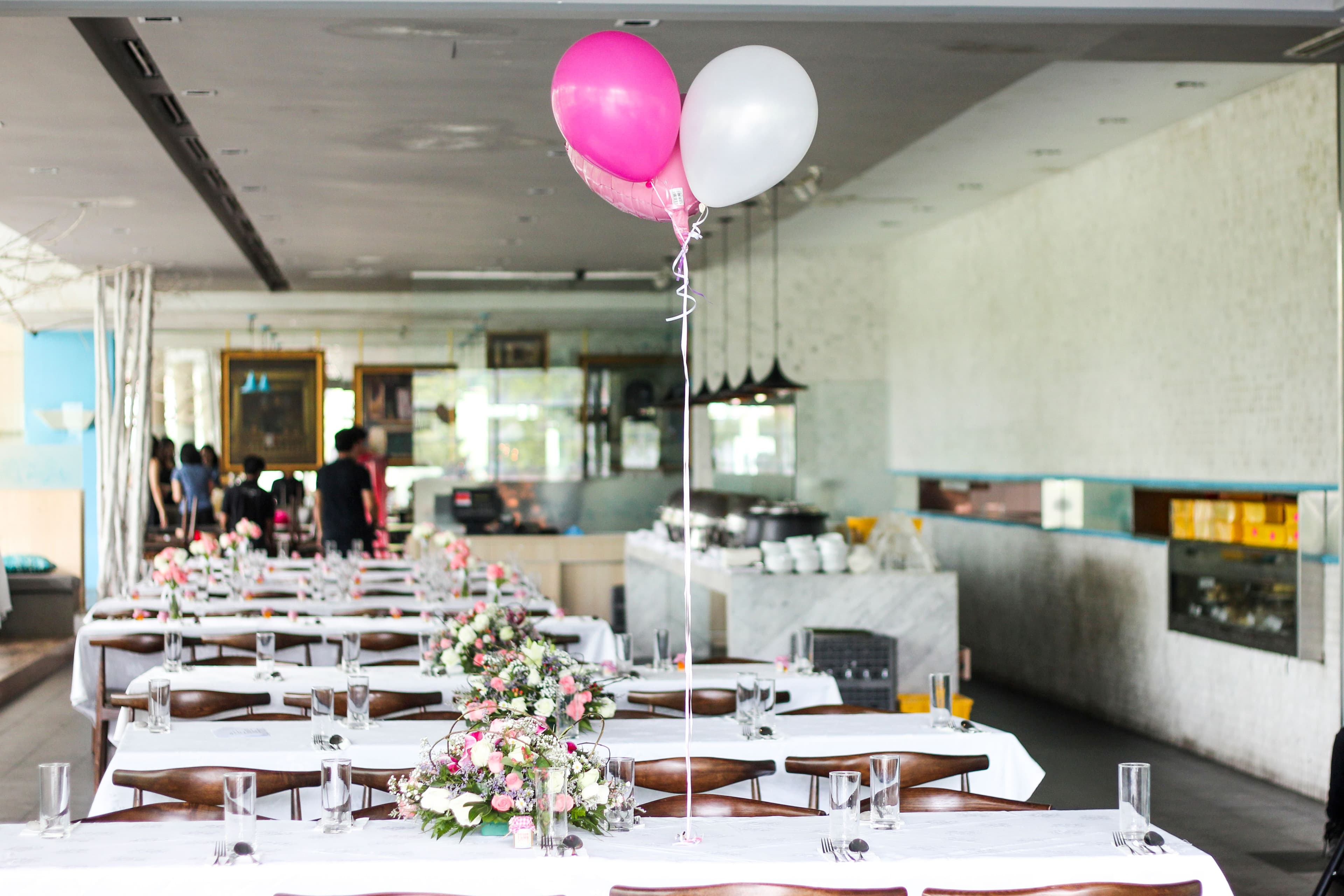
Events and Rules for Using the Function Room
Events and Rules for Using the Function Room
Dicas para Síndicos e PMES
 12/06/2026
 5 min
5 minThe arrival of 12 June transforms the atmosphere in residential buildings, sparking an intense search for intimate celebrations and unforgettable moments. Valentine's Day is traditionally one of the busiest dates of the year for special dinners, romantic celebrations and, above all, big surprises such as marriage proposals. Against this backdrop of strong emotional appeal, the property manager faces a marked increase in demand for bookings of shared spaces. Coordinating this demand requires advance planning so that celebrations run in perfect harmony. This is the time when the shared infrastructure is put to the test, requiring transparent rules to prevent conflicts between neighbours.
Planning big moments requires residents to understand how the common areas work. The function room becomes the main stage for elaborate dinners, small family gatherings and romantic dinners organised by residents. For these events to run without a hitch, the current management must reinforce the communication of the internal guidelines in place. Without the strict enforcement of clear rules of coexistence, one unit's celebration can easily disturb the peace and rest to which other families are entitled. The role of building management during this period is to act as a technical facilitator, ensuring that the romance of the date does not result in noise complaints or disorganisation in the car parks and access areas.
Making marriage proposals in a residential setting has become an increasingly popular choice due to the security, comfort and savings that having one's own space offers. However, residents planning such a significant moment need to be aware that the collective rules remain in force regardless of the emotional nature of the celebration. The property manager should guide couples and engaged pairs on the physical limits of the leisure areas, turning the preparation into an organised process free of surprises. The balance between the right to leisure and the duty to respect neighbours is the secret to the success of any celebration held in the common areas of a modern building.
How to establish and communicate the rules for using shared spaces
Efficient governance of a condominium depends on how clearly the internal rules are drafted, voted on and communicated to the residential community. The regulation governing the use of the function room must be set out explicitly in the internal by-laws and the condominium agreement, serving as the main legal basis for mediating conflicts arising from celebrations and social gatherings. These guidelines must precisely set out booking rights, maintenance and cleaning fee amounts, maximum number of guests per unit, and the penalties applied in cases of non-compliance with the rules in force.
For the rules of use to be respected by everyone, building management must invest in multiple internal communication channels, ensuring informational transparency. There is little point in having an impeccable set of rules if residents claim to be unaware of them when organising their private events. The property manager should post summaries of the rules in visible locations, such as lifts, the physical noticeboards at reception and the digital booking contracts for the spaces themselves. Sending quick reminders in the weeks leading up to festive dates, such as Valentine's Day, helps refresh the community's memory and prevents inappropriate behaviour.
The process of updating these guidelines must take place democratically at general meetings specially convened for that purpose. As family profiles change and new technologies emerge, old rules on the use of the function room can become outdated. Adjusting the regulation to cover modern situations, such as hiring complex catering services or booking cancellation deadlines, protects the management and provides legal certainty to residents. When the community actively takes part in creating the rules, the rate of infractions drops sharply, turning festivities into moments of pure togetherness and collective joy.
Scheduling: full-day booking versus time-slot division
One of the major dilemmas faced when managing a building's leisure areas is deciding on the booking model for the function room. The traditional model of exclusive full-day booking gives the hosting resident complete peace of mind to decorate the venue, receive suppliers and hold their event without watching the clock. However, on dates of extremely high demand, such as 12 June, exclusive full-day booking limits the opportunities for other couples to celebrate the date, leading to dissatisfaction and long waiting lists in the booking system.
As an alternative to the full-day model, many modern condominiums are adopting the splitting of the schedule into shifts or specific time slots. This format allows one resident to book the space for an engagement lunch while another uses the same function room for a romantic dinner on the same date, maximising the use of the building's shared infrastructure. For this arrangement to work perfectly, the internal by-laws must set a mandatory minimum interval between shifts, reserved exclusively for thorough cleaning and a technical inspection of the venue by the caretaking team.
The choice between the two scheduling models should take into account the size of the condominium and the predominant behavioural profile among residents who hold social events. To guide decision-making at the general meeting, we can highlight the main advantages that drive the adoption of a time-slot booking system:
Optimising the use of the shared space, allowing multiple families to celebrate important dates on the same calendar day;
A drastic reduction in disputes and conflicts over popular dates in the management's booking system;
Flexibility for quick celebrations, intimate dinners or small cocktail gatherings that do not require a full day of preparation;
Increased revenue from usage fees, generating more resources for the ongoing upkeep of the venue's furnishings;
Clear time limits that naturally support compliance with the building's noise rules.
Respecting coexistence: noise rules and decibel limits
The right to peace and quiet is one of the most sacred pillars of community living, protected both by the Brazilian Civil Code and by criminal misdemeanour laws and municipal zoning legislation. On days of intense celebration, loud sound from speakers, lively guest conversations and live music in the function room is usually the main cause of friction and formal complaints at reception. The property manager must act with complete impartiality and apply noise-control rules identically to all residents of the condominium.
The internal regulation must set strict time limits for high noise levels arising from private events in the common areas. Generally, the standard quiet-hours rule states that after ten o'clock at night the volume must be drastically reduced, respecting the rest of those who need to wake up early the next day. The use of modern electronic measuring equipment, such as decibel meters, helps management back up complaints in a technical and objective way, avoiding discussions based on guesswork or personal grudges between neighbours in the same block.
Guiding residents to monitor their guests' behaviour during festivities in the function room is an educational duty of building management. The host must be informed that they are legally responsible for the conduct of everyone they authorised to enter the building to attend their party. Keeping the doors and windows of the venue closed when the sound system is on helps contain the spread of sound waves to nearby residential blocks. Strict compliance with the noise rules ensures that the joy of a couple in love does not turn into a sleepless nightmare for the neighbours.
Romantic decorations: how to create a special setting without damaging the structure
Setting the perfect scene for a marriage proposal or Valentine's Day dinner involves the use of themed decorations, such as helium balloons, floral arrangements, mood lighting and decorative fabrics. However, in the rush to create an impactful romantic atmosphere in the function room, many residents end up using unsuitable materials that damage the wall paint, puncture the ceiling plaster or stain the wooden flooring. The property manager should give couples advance guidance on which decorating techniques are permitted under the property conservation rules.
The use of high-tack adhesive tape, instant glue, nails, tacks or screws without prior authorisation must be strictly prohibited in the building's common areas. These materials leave deep marks on the masonry and generate high repair costs that burden the condominium's finances if they are not charged directly to the resident who caused the damage. Decorations for events should be set up using self-supporting structures, such as integrated iron panels, movable table stands or specific low-tack adhesive tape that does not pull the paint off the walls when taken down after the party.
Another critical risk factor associated with decorating the function room is the use of open flames, such as decorative candles or romantic torches. The risk of fire in enclosed spaces from tipped-over candles is real and extremely dangerous to collective safety. The internal regulation should prohibit the use of naked flames, suggesting their replacement with electronic LED candles, which mimic the visual effect of fire with total technical safety. To protect the shared property against serious aesthetic or structural damage, the management committee should ban the following decorative materials from parties:
The use of nails, tacks or screws fixed directly into walls, wooden doors or local plasterboard panels;
Industrial-type double-sided adhesive tape that damages the paintwork and leaves sticky residue that is hard to remove;
Traditional flammable wax candles without glass protection or suitable holders against accidental tipping;
The use of paint, glitter spray, artificial snow or glues that permanently stain the fittings and floors;
Fixing electrical cables and makeshift wiring to the official lighting network in breach of building safety rules.
Supplier logistics: allowing catering and buffet teams in
Organising elaborate dinners in the function room often requires hiring specialised outside professionals, such as catering teams, private chefs, waiting staff, photographers and event decorators. The movement of these third-party service providers through the building's internal areas requires the property manager to apply extremely strict access control at reception, ensuring that residents' organic security is not compromised while private events are taking place.
The hosting resident must submit to building management, at least forty-eight hours before the event, a complete list containing the names, identity document numbers and vehicle number plates of all suppliers authorised to unload materials at the function room. Neither the electronic nor the physical reception desk should grant access to anyone not included on this official prior list. This measure prevents strangers from entering and organises the flow of vehicles in loading and unloading areas, preventing garage gates or emergency evacuation routes from being blocked.
In addition to identification checks, suppliers must be informed about the rules for using the service lifts to transport cool boxes, crockery and heavy kitchen equipment. Trolleys must be banned from the passenger lift to avoid the risk of scratches to mirrors and damage to electronic panels. To organise the flow of catering suppliers at reception in an orderly way, the host must follow this mandatory logistics checklist for building compliance:
Submitting the detailed list of suppliers and service providers to the administrative office in advance;
Briefing delivery staff on the permitted times for setting up sound and catering equipment;
Exclusive use of the service lift, properly protected with padding, for transporting heavy loads;
Checking that waiting staff and cooks wear identification badges in circulation areas;
A formal commitment that suppliers will collect their equipment immediately after the event ends.
Guidance for memorable marriage proposals without any surprises going wrong
A marriage proposal is one of the most significant moments in a couple's journey, carrying an enormous emotional weight that demands perfection in every planned operational detail. When a resident decides to use the common areas or the function room for this romantic surprise on Valentine's Day, institutional support from the building's caretaking team becomes a valuable asset in ensuring everything runs smoothly and discreetly, preventing the surprise from being given away early due to internal communication mishaps.
The lovestruck resident should align the surprise's timeline with the property manager weeks before 12 June. It is important to check that the route their partner will take to the surprise location is clean, well lit and free of unexpected plumbing or building works on the day of the event. If the plan includes projecting romantic videos onto the walls of the function room or quick live violin performances, the resident must ensure the technical equipment has been tested and works perfectly with the local electrical network, always respecting the noise rules in force to avoid unnecessary friction.
The discretion of the reception staff is essential to the success of surprise marriage proposals within a residential setting. Doormen and caretakers should be instructed to keep the arrival of florists or hired photographers confidential. Guiding the resident to follow the formal booking and security protocols shows that management supports the happiness of its residents while maintaining a firm commitment to administrative order, proving that unforgettable, memorable moments shine even brighter when carried out under the umbrella of building organisation and collective respect.
How to hold elegant events without disturbing the neighbours
Holding a sophisticated and unforgettable party in the function room does not, under any circumstances, mean overstepping the bounds of common sense and disturbing the peace of other residents who share the building's structure. The elegance of a Valentine's Day celebration is also measured by the level of respect and consideration the host shows for the well-being and peace of the neighbours. A conscientious resident plans their events by combining the joy of the festivities with the rules of good coexistence.
Controlling the flow of guests through shared circulation areas, such as corridors, lifts and communal halls, is one of the most important points for avoiding legitimate complaints in the condominium. The host should guide guests to go directly from reception to the function room, avoiding excessively loud conversations in residential passageways that could disturb those resting in their flats. Supervising the behaviour of children and teenage guests in outdoor leisure areas is also a direct duty of the resident responsible for booking the shared space.
Elegance also extends to ending the celebration on time, strictly respecting the time limits set by the internal rules approved at the general meeting. Avoiding dragging heavy furniture around in the early hours after the party and switching off the sound equipment at the set time are attitudes that reinforce a mindset of community respect. To ensure the festivities run with maximum elegance and zero friction with neighbours in the same block, the organising resident should adopt the following good practices of residential civility:
Keeping the sound volume at controlled indoor levels, closing the glass acoustic doors of the shared venue;
Advising outside guests on the correct parking locations permitted under the building's rules;
Avoiding loud conversations and commotion in residential corridors and lifts as guests leave;
Strictly supervising guests' use of shared toilets and outdoor areas during the party;
Ending musical noise promptly at the time limit set by the internal quiet-hours rules.
NewSun Energy: clean energy subscription and predictability for the condominium
While the property manager handles the logistical demands of the leisure areas, organises the booking schedule for Valentine's Day and guides couples on complying with the internal rules for June's events, building management also needs to look for smart long-term solutions to optimise fixed operating costs. The continuous use of the function room during busy periods leads to a significant rise in the building's electricity consumption, driven by the prolonged use of powerful air-conditioning systems, industrial electric ovens and decorative lighting in the common areas. To achieve maximum financial efficiency and bring total predictability to the condominium's finances, the NewSun Energy Group offers an innovative clean energy subscription model for the residential market.
The clean energy subscription developed by NewSun stands out as the perfect solution for managers looking to cut the building's operating costs sustainably and with virtually no red tape, with no need for major upfront financial investment in complex works or the installation of solar panels on the building's roof. Through this innovative renewable-matrix subscription system, the condominium starts consuming clean electricity while receiving direct discounts on its regular energy bill. The great advantage of this smart solution is that it stabilises the electricity bill for the common areas, shielding the condominium's ordinary finances against the feared impact of tariff-flag fluctuations — yellow or red — during the dry season.
In this way, a NewSun subscription delivers progressive savings over the course of the contract, freeing up more resources for management to invest in modernising the leisure areas, buying new furniture for the gourmet space or improving perimeter security systems. In addition to real financial and environmental benefits, NewSun Energy Group stands out for offering a genuinely human, close, agile service free of cold red tape for the property manager. Management also gains exclusive access to the NewSun Energy Club digital platform, a modern energy-management tool designed for detailed, real-time monitoring of the building's entire electricity spending profile, giving full control over consumption at your fingertips, before, during and after any major community celebration.
Find out everything about how our Clean Energy Subscription.
Resident responsibility before, during and after the event
Signing the function room booking agreement gives the resident not only the temporary right to use the shared space for their romantic events, but also sets out a series of civil and administrative responsibilities that must be strictly fulfilled before, during and after the celebration ends. The hosting resident takes on the role of legal custodian of that shared property for the duration of the booking agreed with the building management.
The pre-event inspection is the resident's first mandatory commitment. Together with the caretaker or the condominium's responsible staff member, the host must carry out a detailed visual check of the condition of the walls, glass, tables, chairs, cookers and freezers in the venue before starting any decoration setup. This technical procedure ensures that any pre-existing damage is officially recorded, preventing the current resident from being unfairly held responsible for faults caused by previous events held in the same shared space.
At the end of the Valentine's Day festivities or the marriage proposal, the resident must arrange for the complete removal of all personal belongings, leftover food and waste from the themed decorations. The space must be handed back in the same structural condition in which it was received, making the work of the contracted cleaning team easier. If the post-event inspection identifies damage to the furnishings or permanent stains on the floors caused by non-compliance with the conservation rules, the costs of repair or replacement will be charged in full to the responsible resident through a specific extra fee issued by management.
The property manager's role in mediating and overseeing the leisure areas
Serving as property manager requires a firm, balanced, empathetic leadership stance, entirely free of personal favouritism, when overseeing the building's shared living areas. On dates of great social appeal and high demand for space, such as Valentine's Day, the building administrator must act as the ultimate guardian of the internal regulation, ensuring that loved-up couples' enjoyment does not override the legitimate right to peace and quiet of those who prefer silence in their homes.
Oversight during major private events in the function room should be carried out preventively and discreetly by the internal staff team under the manager's leadership. The caretaker should carry out periodic rounds of the outdoor areas to monitor sound levels and check that the flow of guests in and out at reception is complying with the established security guidelines. If any breach of the noise or behaviour rules is detected, the property manager must act quickly and by the book to contain the problem before it escalates into wider conflict.
Issuing warnings and administrative fines for breaches of the rules at parties must follow a strict legal process to ensure the validity of the sanctions issued and protect management from legal challenges. In cases of serious breaches identified during celebrations in the shared leisure infrastructure, the condominium's property manager must strictly follow this administrative enforcement procedure:
Ask the caretaker or reception staff to make an immediate formal record of the detailed occurrence, with photos and decibel readings, in an official log;
Contact the hosting resident by phone or intercom, requesting the immediate correction of the volume or behaviour at the party;
Issue a formal written warning the following day if the resident ignores reception's verbal requests;
Apply the administrative fine set out in the internal by-laws if there is a repeat noise breach on the same night;
Convene the advisory board to approve applying the financial penalties added to the resident's ordinary service charge invoice.
Celebrating special moments with respect, order and security
Successfully concluding the management of high-demand festive dates, such as Valentine's Day, demonstrates the maturity and efficiency of governance led by the current property manager. Striking the balance between letting residents celebrate unforgettable marriage proposals and romantic dinners in the function room and guaranteeing peace, quiet and the upkeep of the rest of the community's property is the hallmark of a modern, high-performing building management that is connected to the future of Brazil's urban collective vertical housing.
The existence of clear, up-to-date and democratically agreed internal rules acts as the main pillar of support for social events to take place in an environment of total respect, civility and legal certainty for all the families involved. When the community understands the limits of using shared space and actively cooperates with the caretaking team in maintaining the local furnishings, happy moments celebrated in the leisure areas become a source of community pride and healthy social integration, adding value to the property assets of all owners.
By combining impeccable organisation of the leisure areas with the pursuit of innovative solutions for tariff savings and environmental sustainability in shared common areas, such as the smart clean energy subscription model offered by NewSun Energy Group, the condominium manager builds an exemplary, financially balanced administration. Celebrating love, togetherness and the happiness of new couples under the umbrella of administrative order and mutual respect for neighbours is the ultimate formula for building a harmonious, safe, thriving residential environment that is truly pleasant to live in throughout every season of the year.
You may also like
- Casos de Sucesso
 20/10/2026
 5m
5m - Dicas para Síndicos e PMES16/10/20265m
- Dicas para Síndicos e PMES13/10/20265m




Stop paying more for your energy bill
Find out in less than 1 minute how much you could save with clean energy every month — no works and no bureaucracy.
Join the energy revolution
Subscribe to our newsletter and receive exclusive content