
Energy transition: how it is already transforming condominium management
Energy transition: how it is already transforming condominium management
Dicas para Síndicos e PMES
 17/11/2026
 5 min
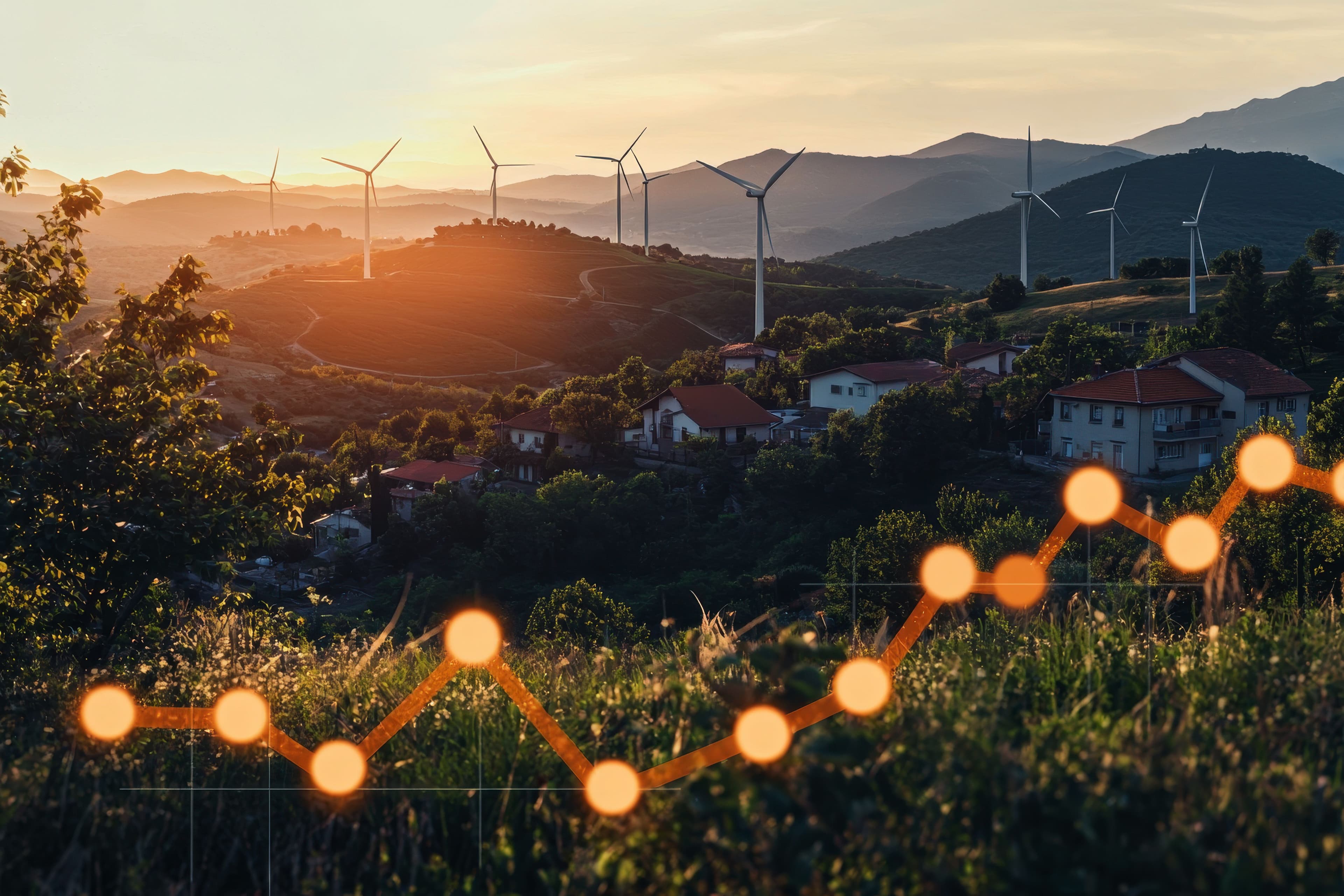
For a long time, the discussion about energy was confined to governments, large industries and companies in the electricity sector. Today, that has changed. The way energy is produced, distributed and consumed has become part of decisions that directly affect businesses, homes and condominiums. In other words, the energy transition has stopped being a distant topic and has become a practical issue for those who manage developments and must deal daily with increasingly significant operating costs.
This transformation is driven by several factors. The growth of renewable energy, the digitalisation of electricity systems, the need to reduce greenhouse gas emissions, the advance of electric mobility and the pursuit of greater energy efficiency are changing the way consumers relate to electricity. The result is a more diversified, more technological and more sustainability-oriented energy sector. ANEEL, MME and EPE highlight that the expansion of renewable sources and distributed generation is among the most important movements in Brazil's energy transformation.
For the condominium market, this change represents much more than an environmental agenda. It directly influences financial planning, the increase in property values, expense control and the appeal of developments to residents who are increasingly attentive to subjects such as sustainability and efficiency.
For this reason, understanding what the energy transition is and how it affects condominiums has ceased to be a differentiator. It has become a necessity for managers who want to prepare their developments for the years ahead.
What is the energy transition?
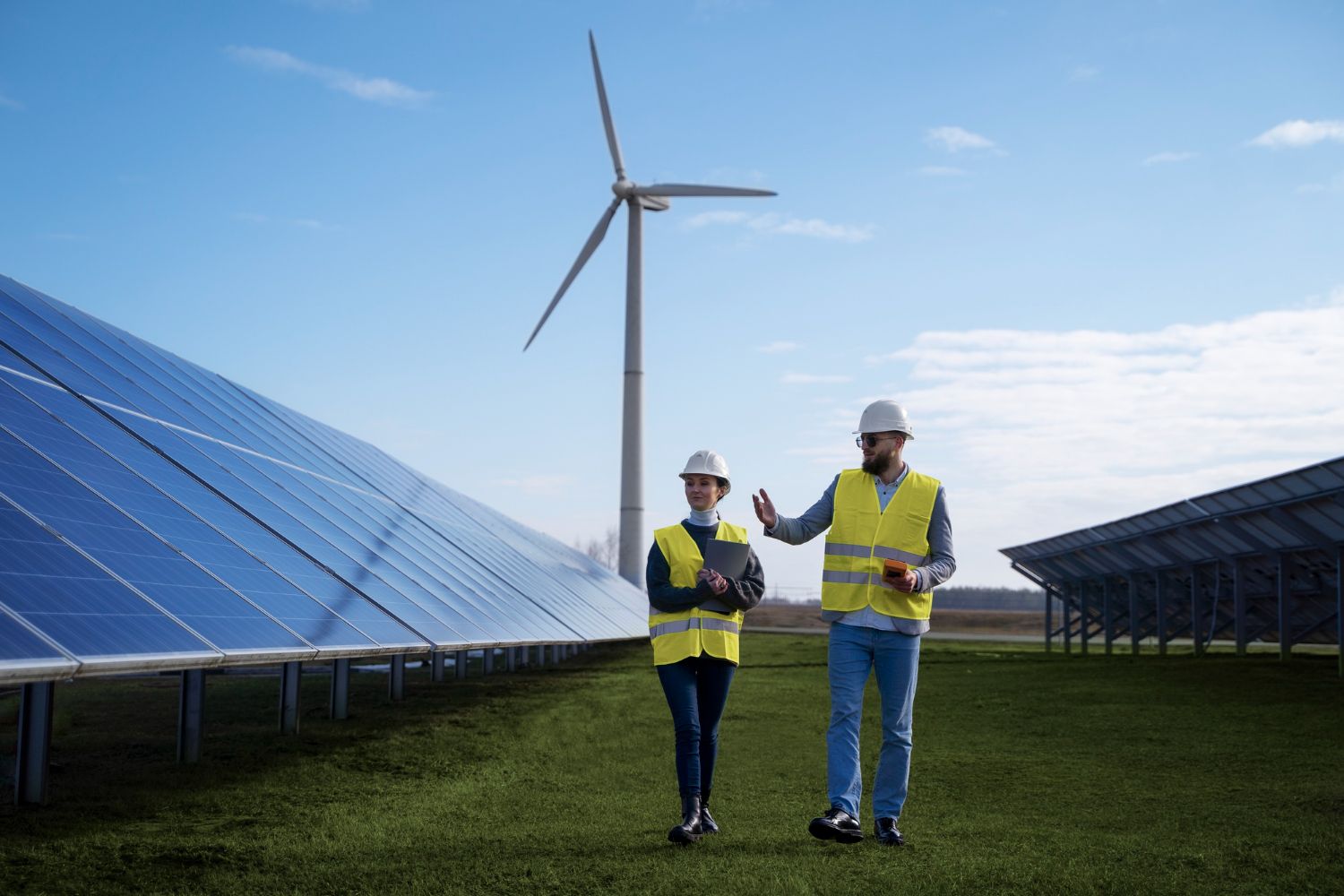
The energy transition is the process of transforming energy production and consumption systems, gradually replacing more polluting sources and less efficient models with more sustainable, renewable and technologically advanced alternatives.
Although many people associate this concept only with solar or wind power, the energy transition is much broader. It involves changes in the generation, storage, distribution and consumption of electricity. It also includes advances in energy efficiency, digitalisation, electric mobility and the decentralisation of energy production.
Historically, humanity has gone through several energy transitions. The replacement of firewood by coal, later by oil and then by electricity are classic examples. The difference is that the current transformation is taking place in a context marked by environmental concerns, rapid technological advances and growing demand for resource efficiency.
In Brazil, this movement is particularly relevant because the country has one of the most renewable electricity mixes in the world, with a strong share of hydroelectric plants, in addition to the rapid growth of sources such as solar and wind. This creates important opportunities for businesses and condominiums that wish to take part in this evolution.
Why is the energy transition important?
The importance of the energy transition can be seen from different perspectives. From an environmental standpoint, it contributes to reducing greenhouse gas emissions and lessening dependence on fossil fuels. In a global scenario of combating climate change, this transformation is considered strategic by governments, international bodies and companies.
From an economic perspective, the energy transition creates conditions for the development of new technologies, strengthens innovation-related sectors and increases the competitiveness of countries that manage to accelerate their energy modernisation.
For consumers, businesses and condominiums, however, the importance of this process goes beyond the major environmental and economic indicators. It is related to access to more efficient, modern and predictable energy models.
When a condominium reduces energy waste, adopts more efficient solutions or takes part in programmes linked to renewable generation, it is contributing to the energy transition and, at the same time, generating tangible benefits for its management.
How is the energy transition already affecting condominiums?
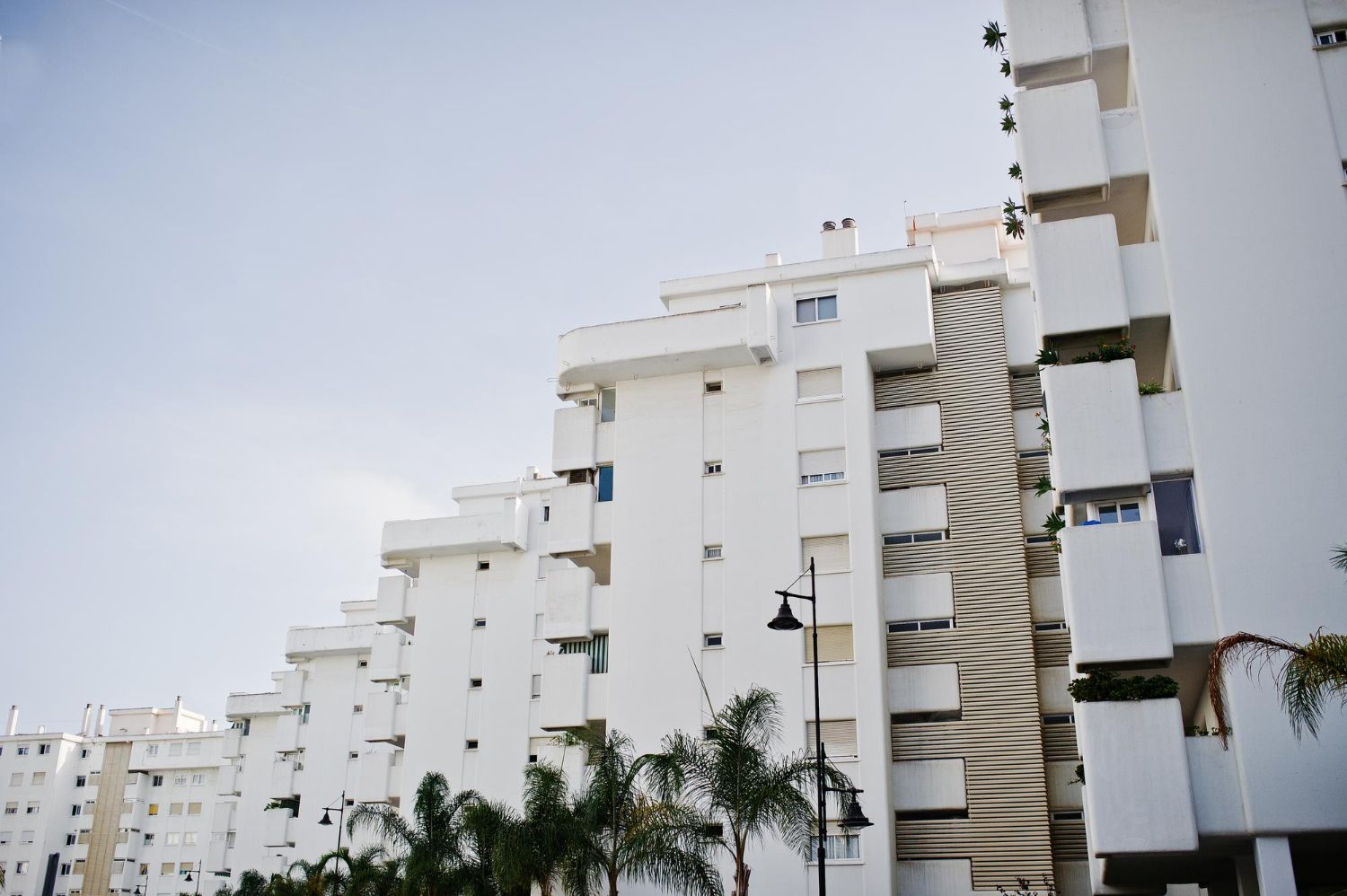
There is a fairly common perception that the energy transition is a matter for the future. In practice, it is already part of the daily routine of Brazilian condominiums. One of the most evident examples is the growth of electric mobility. Each year, more residents buy electric or plug-in hybrid vehicles and begin to request charging infrastructure in their garages. This change requires new consumption assessments, adaptation of electrical installations and long-term planning.
Another example relates to the growing interest in more efficient energy solutions. Building managers and management companies have been seeking alternatives capable of reducing waste, improving financial predictability and modernising the management of their developments.
In addition, residents have come to place increasing value on aspects related to sustainability. Developments that demonstrate concern for energy efficiency and the conscious use of resources tend to generate a better perception of value and greater appeal in the property market. In short, the energy transition is already present in the daily life of condominiums, even when it is not explicitly recognised as such.
The role of energy efficiency in the transition
One of the biggest misconceptions about sustainability is believing that it depends exclusively on the generation of clean energy. In reality, energy efficiency is considered one of the most important pillars of the energy transition.
Producing renewable energy is important. Consuming energy intelligently is too. Condominiums that reduce waste can deliver environmental benefits without compromising the quality of the services provided to residents. In many cases, in fact, efficiency and savings go hand in hand.
Replacing old lighting systems with LED technology is a good example. As well as reducing energy consumption, it improves the durability of the equipment and reduces the need for maintenance. The same applies to more efficient hydraulic pump motors, automated lighting systems and smart equipment controls. These measures may seem simple, but they play a fundamental role in the energy evolution of developments.
How to make a condominium's energy consumption more sustainable
The good news is that taking part in the energy transition does not require major works or complex investments from the outset. There are several measures that can be implemented gradually.
Modernise the lighting in common areas
Lighting remains one of the largest sources of energy consumption in common areas. The adoption of LED technology, combined with presence sensors in low-traffic areas, usually delivers significant efficiency gains without compromising residents' safety or comfort. In addition, LED equipment has a longer service life and requires less maintenance.
Invest in consumption monitoring
You cannot improve what you do not measure. For this reason, tracking energy indicators is an increasingly important practice in condominium management.
Analysing consumption histories makes it possible to identify waste, operational anomalies and opportunities for improvement that often go unnoticed.
Carry out preventive maintenance
Worn equipment tends to consume more energy. Hydraulic pumps, motors, ventilation systems and other components of the building's infrastructure can lose efficiency over time if they do not receive adequate maintenance.
A preventive policy helps to preserve equipment performance and avoids silent waste.
Plan for the expansion of electric mobility
Even if few residents currently own electric vehicles, it is important to consider this trend in infrastructure decisions. Projects that already provide for future growth tend to have lower adaptation costs and a greater capacity to respond to the demands of the coming years.
Distributed generation and the new behaviour of the energy consumer
One of the most important phenomena of the Brazilian energy transition is the decentralisation of energy production.
For decades, the prevailing logic consisted of large power plants producing electricity for millions of consumers. Today, the expansion of distributed generation allows for more decentralised models, in which renewable plants can generate energy credits used by consumers located in different regions.
This movement has widened access to renewable energy without requiring each consumer to become the owner of generation equipment. Besides the environmental benefits, this model has opened the way for more affordable and simpler solutions to implement for businesses and condominiums.
How NewSun's clean energy subscription helps condominiums take part in the energy transition
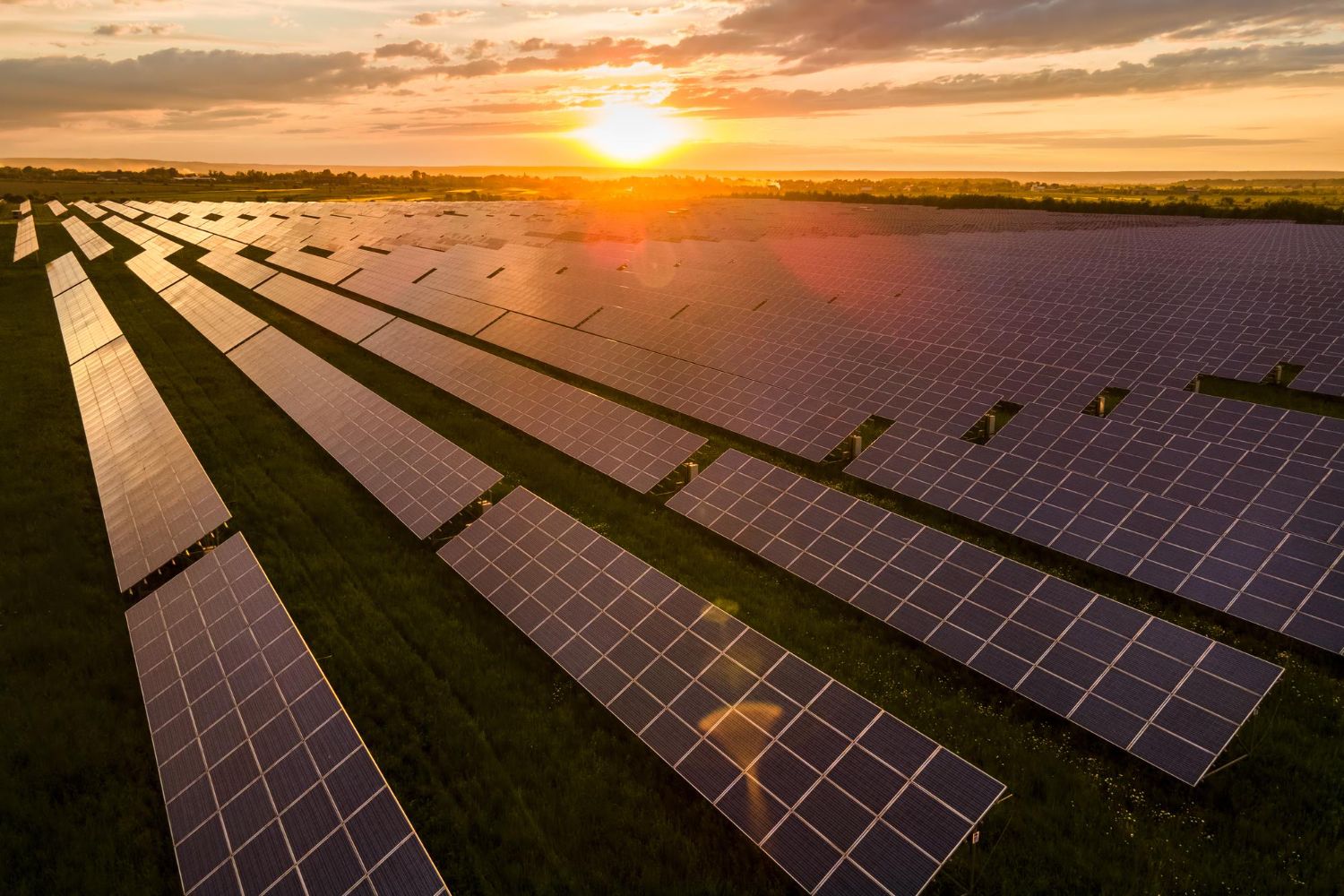
Many building managers and management companies want to make their developments more sustainable, but face difficulties relating to initial investment, structural works or equipment management.
It is precisely in this context that NewSun's clean energy subscription presents itself as an alternative aligned with the principles of the energy transition.
The model allows condominiums to take part in a renewable distributed generation solution without needing to buy solar panels, carry out works or install their own equipment.
Energy continues to be supplied as normal by the local distribution company. There is no change to the condominium's electrical infrastructure, nor any need to deal with the maintenance of generation systems.
Besides the environmental benefit, this arrangement offers important advantages for the development's financial management. These include the possibility of savings on the energy bill, greater predictability of energy costs and reduced exposure to the impact of tariff flags on the offset portion of consumption.
For many condominiums, this combination of operational simplicity, sustainability and financial predictability represents a practical way to start taking part in the energy transition without adding complexity to management.
The future of condominiums will be increasingly energy-driven
For a long time, energy was treated merely as a necessary expense for running the condominium. In the coming years, it will play a far more strategic role.
Electric mobility, building digitalisation, energy efficiency, distributed generation and new forms of contracting are transforming developments' relationship with the electricity sector.
Condominiums that keep pace with this evolution will be better placed to control costs, meet residents' expectations and increase their competitiveness in the property market.
More importantly still: they will be prepared to operate in an environment where sustainability and financial management go hand in hand.
Conclusion
The energy transition is a profound transformation in the way energy is produced, distributed and consumed. Although it is often presented as a global trend, its impacts are already present in the daily routine of Brazilian condominiums.
The pursuit of efficiency, the growth of renewable energy, the expansion of electric mobility and the decentralisation of generation are creating new opportunities for building managers and management companies that wish to modernise their developments.
Taking part in this movement does not require radical changes. In many cases, it begins with simple energy efficiency actions, strategic planning and the adoption of solutions that provide access to renewable energy in a practical way.
NewSun's clean energy subscription fits exactly into this context, offering condominiums an accessible way to combine sustainability, financial predictability and savings in their energy journey.
FAQ
What is the energy transition?
It is the process of changing the energy mix and energy consumption models, gradually replacing more polluting sources with more sustainable and efficient alternatives.
Does the energy transition affect condominiums?
Yes. It directly affects topics such as electric mobility, energy efficiency, cost management, distributed generation and property appreciation.
How can a condominium be made more energy-sustainable?
Among the most common measures are switching to LED lighting, system automation, consumption monitoring, preventive maintenance and joining renewable energy models.
Does the NewSun subscription require the installation of solar panels?
No. The model does not require the purchase of equipment, the installation of solar panels or any works at the condominium.
Does the energy subscription help reduce the impact of tariff flags?
Yes. Participation in the model helps to reduce exposure to the impact of tariff flags on the offset portion of the energy consumed.
You may also like
- Dicas para Síndicos e PMES
 17/11/2026
 5m
- Dicas para Síndicos e PMES13/11/20265m
- Energia por Assinatura12/11/20265m



Stop paying more for your energy bill
Find out in less than 1 minute how much you could save with clean energy every month — no works and no bureaucracy.
Join the energy revolution
Subscribe to our newsletter and receive exclusive content