
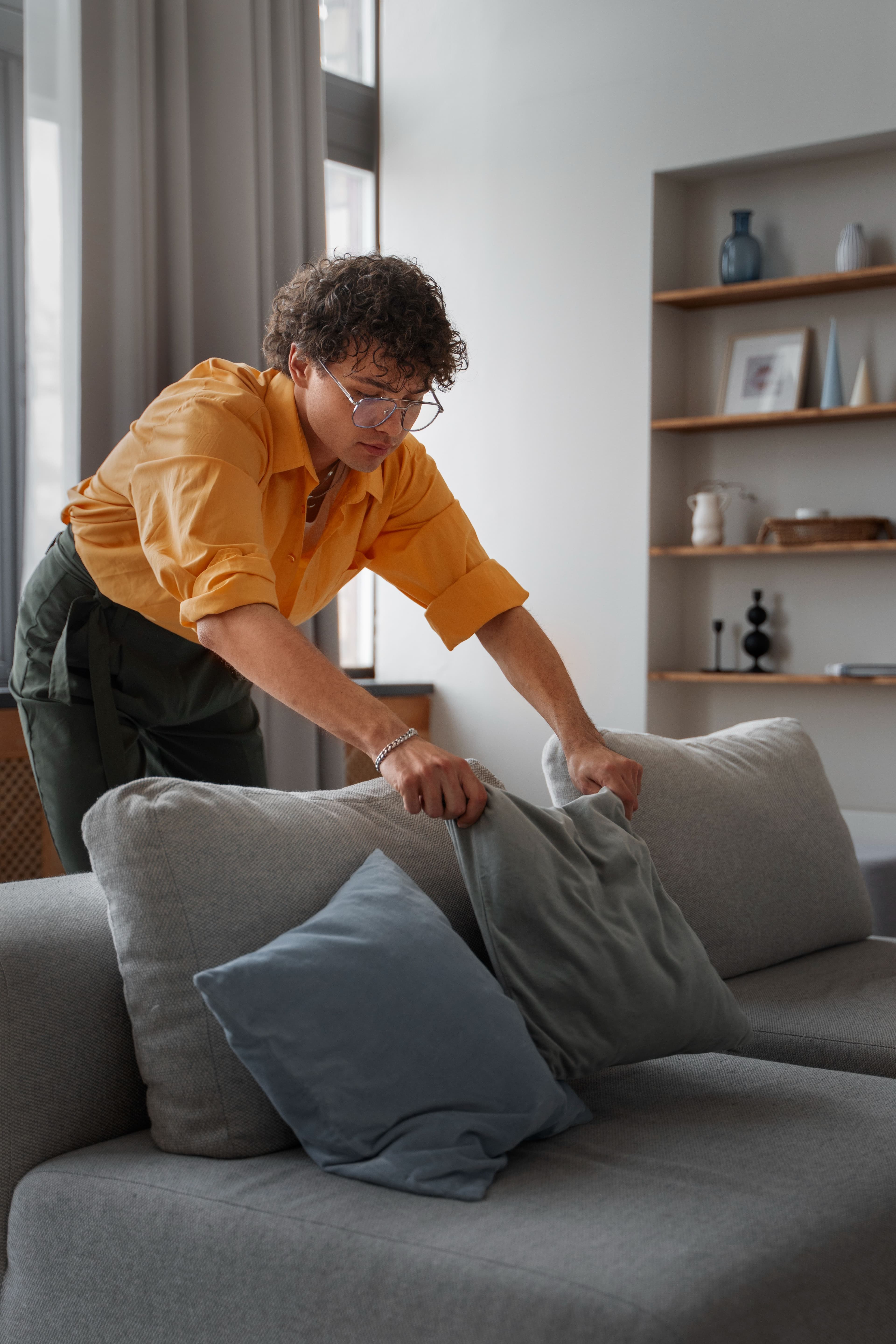
How to eliminate dust mites from communal areas in a block of flats
How to eliminate dust mites from communal areas in a block of flats
Dicas para Síndicos e PMES
 23/07/2026
 5 min
5 minLiving in a block of flats means paying constant attention to communal areas, which are used by many families for socialising, relaxing and leisure. In winter, as temperatures drop, it is natural to keep doors and windows closed to retain indoor warmth. However, this sharply reduces ventilation and encourages dust and moisture to build up on surfaces. These quiet, stuffy conditions create the perfect environment for unwanted microorganisms such as dust mites, which settle deep into upholstery, heavy curtains and rugs in shared spaces.
For property managers and managing agents, keeping these areas safe and well maintained requires a structured routine that combines thorough cleaning with regular preventive maintenance across all communal spaces. Failing to tackle these invisible allergens compromises the hygiene and safety of communal areas, turning playrooms and function rooms into triggers for respiratory problems among residents and staff. In this article, we set out practical winter cleaning and maintenance guidelines to help eliminate dust mites and ensure that shared leisure areas remain safe, healthy and pleasant all year round.
The invisible danger: what dust mites are and where they hide
Dust mites are tiny arachnids, invisible to the naked eye, that live in household dust and develop quietly in occupied indoor spaces. Their main food source is flakes of human skin. Because people spend long periods sitting or lying down in a building’s shared areas, upholstery and rugs can accumulate large amounts of this organic matter, giving dust mites ideal conditions in which to multiply. This makes regular cleaning and technical surface maintenance essential for eliminating dust mite hotspots.
Contrary to what many people believe, allergic reactions are not caused simply by the presence of live mites, but by allergenic particles released by these organisms. These particles are released into the air whenever fabrics are moved or upholstery is disturbed without proper preventive cleaning and maintenance. This fine, contaminated dust is easily inhaled by residents and building staff, irritating the nose and eyes and triggering acute allergy attacks when thorough, regular cleaning is not in place.
Without a routine for vacuuming and sanitising, halls and function rooms become ideal shelters for dust mites during the colder months. Because these microorganisms prefer dark areas with stable humidity, they lodge deep between fabric fibres, making surface cleaning with brooms ineffective and even harmful, as it spreads allergenic particles through the air. A structured approach requires modern washing methods, high-powered vacuuming and suitable filters to retain mite particles and support regular cleaning.
Keeping circulation areas free from accumulated dust is a building-maintenance measure that protects both the facilities and the health of those who use them. Property managers who plan interventions with support from facilities professionals can identify the areas at greatest risk of dust mite infestation and direct cleaning teams accordingly. This is an essential cleaning and maintenance measure for keeping passage areas hygienic and ensuring that shared furniture remains comfortable, protected and free from mites.
Why winter favours the proliferation of dust mites in enclosed environments

The sharp rise in rhinitis, asthma and allergic bronchitis in blocks of flats during winter is often wrongly blamed solely on lower outdoor temperatures. In reality, cold weather is not the direct cause of illness. The real issue is the change in daily habits, as people spend much more time together in closed, poorly ventilated spaces, allowing dust mites to build up when deep cleaning is neglected. Poor air renewal creates a warm, humid and stuffy atmosphere that encourages mites to multiply quickly in shared furniture.
During the colder months, managing agents and residents often use heavy curtains, throws and thick rugs in communal areas to help maintain thermal comfort and create a sense of visual warmth in shared spaces. If these fabrics remain in place without regular maintenance checks and deep cleaning, they can become the perfect breeding ground for large colonies of dust mites. Dust that accumulates in heavy winter furnishings attracts dirt and moisture, so frequent sanitising is essential to prevent mite colonies from growing unchecked.
In addition, electric or gas heating appliances in enclosed areas raise indoor temperatures, keeping them within the ideal range for these organisms to reproduce. If corners, gaps and edges are not cleaned rigorously, fine dust and dead mites can circulate continuously in the warm air produced by heaters. For this reason, the winter maintenance schedule should increase the cleaning frequency for all fabrics in the building and ensure that every entrance hall is properly cleaned and maintained.
Encouraging residents to open windows during the sunniest and warmest hours of the day helps break the cycle of winter contamination and biological proliferation. An attentive property manager can use the building’s digital communication channels to share practical maintenance tips and advise residents on cleaning stored blankets to combat dust mites effectively. When everyone cooperates with cleaning and preventive-maintenance routines, mites are less likely to take over shared areas, allowing winter to pass with thermal comfort, safety and operational stability.
The impact of mites on the health of residents and building staff
Continuous exposure to environments saturated with household dust and dust mite allergens can seriously affect the health and wellbeing of residents and building staff. People with immune sensitivity may suffer acute allergic rhinitis attacks, asthma and atopic dermatitis when using spaces that are not cleaned thoroughly. Typical symptoms such as repeated sneezing, severe nasal congestion, wheezing and intense itching of the skin and eyes can directly affect daily comfort, productivity and quality of life.
Beyond the impact on residents’ wellbeing, neglecting biological control in communal areas can expose both in-house and outsourced staff to serious occupational health risks. Cleaners, caretakers and concierges spend their working days in direct contact with building dust, carrying out tasks that may stir up mite particles if proper occupational-safety maintenance and cleaning processes are not in place. Illnesses such as induced asthma or chronic sinusitis, caused by insufficient rug cleaning and poor hygiene maintenance, can lead to frequent sick leave, disrupting the building’s operational rota.
Employment legislation and current occupational health and safety standards state that the condominium, represented by the property manager, shares responsibility for the physical wellbeing of workers on its premises. Failure to maintain healthy working conditions and disregard for mite-control routines can result in formal notices from labour inspection bodies, requiring immediate cleaning and corrective action. Disease prevention through clear damp-cleaning and occupational-maintenance procedures is the safest technical route for protecting building management against liabilities and unnecessary maintenance costs.
Investing in the technical training of facilities teams so they can remove dust and mites without dry sweeping is one of the most valuable safety measures for protecting respiratory health in winter. Damp microfibre mops and vacuum cleaners with sealed filtration systems prevent dead mites from spreading through the air in communal reception areas during daily cleaning. This active approach to care, regular cleaning and sanitary maintenance protects the building’s people, reduces absenteeism and helps ensure that services continue to run smoothly.
Problem fabrics and furniture: where microorganisms build up most
To create an effective control strategy, building management needs to identify which coverings, furniture and fabrics act as true reservoirs for dust mites. Heavy decorative materials with rough or fluffy textures, such as velvet, chenille, suede and plush, have open weaves that easily trap dust, pet hair and skin flakes, requiring a strict cleaning and preventive-maintenance routine. Choosing these fabrics for shared armchairs can encourage the silent proliferation of dust mites in function rooms if winter cleaning and maintenance are neglected.
Large rugs and fitted carpets are among the biggest threats to respiratory health in blocks of flats, as they require considerable effort to keep completely free of dust. Dust settles deep into the fibres and, with every step, thousands of dead mites and fragments can be released back into the air and inhaled, making daily vacuuming essential. Replacing these rugs with smooth floor coverings is one of the most effective ways to reduce dust mite build-up at the building entrance.
In playrooms, teddy bears, shared fabric cushions and textile rugs should be avoided altogether, as they can harbour large quantities of dust mites. Ideally, these spaces should be equipped with easy-to-wash, non-toxic plastic toys that can be sanitised and damp-cleaned every day. Function-room furniture should also prioritise chairs and tables made from waterproof materials that make cleaning easier.
A property manager who follows these smart material-specification tips simplifies the work of facilities teams and greatly reduces the need for emergency corrective maintenance and intensive cleaning. By eliminating fabrics that retain moisture and dirt in communal passage areas, the building creates an environment that is hostile to the reproduction of mites and fungi, while supporting routine cleaning and ensuring that all entrance halls are properly cleaned and maintained. This attention to both appearance and function helps keep the building attractive, hygienic and protected during winter.
The ideal cleaning schedule for curtains and upholstery in communal areas
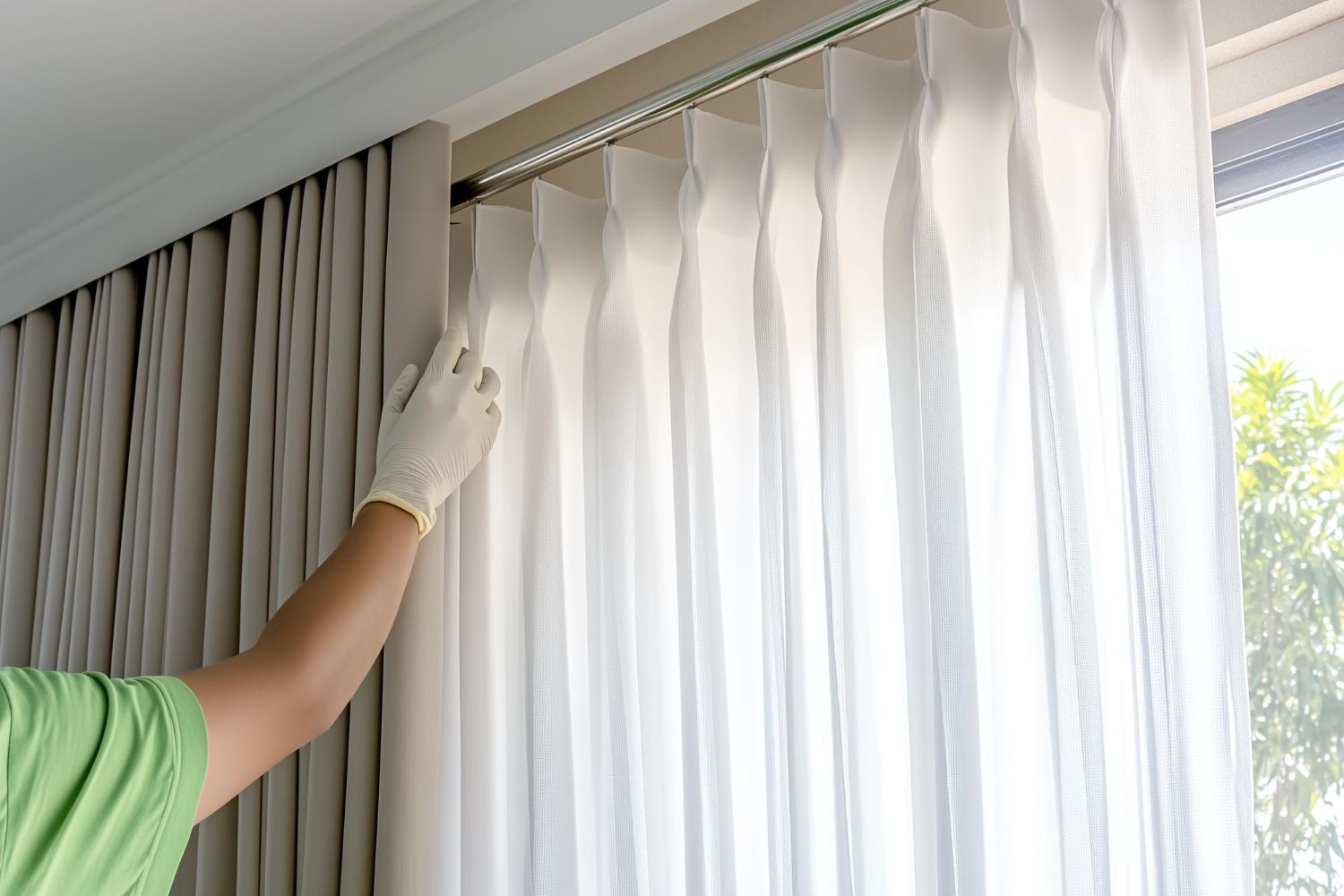
Keeping heavy fabrics hygienic requires the building’s caretaker team to establish a clear and rigorous schedule for controlling dust mites in a planned way. Fabric curtains in halls and function rooms should undergo a full hot-water wash at least every three months. This frequency prevents dust build-up and eliminates mite colonies that develop unseen in the folds of the material, helping to keep communal facilities clean and healthy.
Shared upholstery, such as reception armchairs and sofas in leisure areas, should be vacuumed weekly and professionally deep-cleaned twice a year to remove dust and mites thoroughly. In high-traffic areas or places where pets circulate, this deep-cleaning interval should be shortened to prevent odours and mite proliferation. Washable, waterproof covers make daily upkeep easier and support a more efficient maintenance routine.
Decorative cushions and throws used to make communal reception areas feel more welcoming should undergo weekly hot-water washing, which is an effective way to eliminate mites and their residues. The property manager should instruct the caretaker to file all invoices and technical reports from companies hired to wash communal fabrics, maintaining active oversight of cleaning tasks so that mites do not spread through shared halls.
Keeping upholstery clean and protected through a structured maintenance routine prevents mould and dust mites from causing premature deterioration of the internal foam, which could lead to high replacement costs. Active prevention through periodic cleaning reduces respiratory problems in the community and helps preserve the quality of shared environments. A property manager who follows this cleaning schedule shows efficient management and care for both the building’s assets and everyone’s health.
The importance of maintaining and cleaning air-conditioning filters
The air-conditioning units installed in gatehouses, gyms and function rooms are essential for thermal comfort. However, if this equipment operates continuously with dirty filters or without proper preventive maintenance, it can become a powerful source of dust and mite dispersion throughout enclosed spaces. Forced airflow carries allergens accumulated inside the unit and spreads them invisibly whenever cleaning and sanitising routines are overdue.
To ensure indoor air hygiene, Brazilian federal legislation, through Law No. 13,589 of 2018, requires condominiums to prepare and keep up to date a Maintenance, Operation and Control Plan, known as the PMOC. The PMOC sets out the technical guidelines and mandatory cleaning frequencies for filters, coils and water-collection trays to prevent colonies of fungi, bacteria and mites from proliferating in shared climate-control units. Ignoring this legal requirement for preventive maintenance exposes the condominium to significant penalties from sanitary inspection authorities.
Washable air-conditioning filters should be physically cleaned once a month by the building’s caretaker teams to remove excess dust and prevent mite build-up. Deeper maintenance of the cooling system’s coils, turbines and ducts should be carried out every six months by mechanical engineering companies with ART issuance. This care for the electrical and hydraulic components of the units significantly reduces electricity consumption while preserving the equipment.
Keeping filters clean and unobstructed prevents mechanical overload in motors and compressors, preserving the useful life of the entire internal climate-control system and helping to ensure cleaner air with fewer harmful allergens. A property manager who leads facilities management with this level of technical compliance and respect for OHS and PMOC standards helps protect the administration against serious legal and employment liabilities. Proper air-conditioning maintenance is therefore an essential investment in collective health and building energy efficiency during winter.
Specific precautions for humidity and dust mites in indoor swimming pools
Shared covered and heated swimming pools are among the main leisure and wellbeing attractions for residents during cold winter weather. However, constant climate control in an enclosed environment significantly accelerates water evaporation, sharply increasing relative humidity in the room. Warm vapour can condense unseen on plasterboard walls and window frames, creating ideal heat and humidity conditions for mites and mould to proliferate in communal facilities.
To prevent this moisture from saturating passage areas around the indoor pool and encouraging mites to multiply on upholstered loungers, air dehumidifiers and regular cleaning are strongly recommended. In addition, facilities teams should intensify the cleaning and maintenance of wall tiles, floors and walls in communal areas during winter. Keeping pool water at a balanced pH and maintaining proper chlorine levels ensures effective biological control and helps prevent microorganisms from spreading through the structure.
Another essential operational-safety measure for controlling evaporation and latent heat loss from the water is the use of bubble thermal covers, which must be stored correctly so they do not accumulate dirt. These lightweight thermal covers can reduce water evaporation by up to ninety-seven per cent when the area is not being used by swimmers. This barrier prevents humidity from saturating the air, helps retain heat and reduces the need for continuous heating, thereby protecting the facilities.
By combining the correct use of thermal covers with a rigorous routine of cleaning and preventive maintenance for motors and dehumidifiers, building management protects leisure facilities from mites and fungi. Property managers in high-end developments who adopt these winter maintenance practices keep mould and mites away from indoor pools while delivering a premium experience for residents.
NewSun’s clean energy subscription: sustainability and breathing room for the budget

As this article has shown, actively tackling allergens in communal areas requires ongoing curtain washing, upholstery vacuuming, climate-control filter maintenance and the use of high-powered dehumidifiers. These preventive health measures require regular investment and can place pressure on the building’s ordinary budget, especially in winter, when electricity bills for communal areas often rise significantly. To address this cost challenge intelligently and sustainably, NewSun’s clean energy subscription is an excellent ally for property managers.
The NewSun clean energy subscription is an innovative solution designed specifically for the Brazilian property market and for condominiums seeking operational efficiency without bureaucracy, building works or physical solar panel costs. The model is fully digital and simplified: NewSun generates renewable electricity from clean sources at its own solar farms and injects it directly into the local distribution grid, converting it into energy credits that are automatically applied to the condominium’s bill. This helps stabilise electricity costs and bring greater predictability to the condominium budget, freeing up cash flow for preventive cleaning and maintenance.
Find out everything you need to know about NewSun’s Clean Energy Subscription.
A culture of prevention as a pillar of collective wellbeing
The effective elimination of dust mites and the healthy upkeep of a building’s shared facilities depend on a culture of prevention and careful technical planning of facilities routines. Delaying deep-cleaning processes or neglecting the maintenance of air-conditioning units and dehumidifiers exposes residents and staff to serious risks of respiratory crises and chronic allergic problems in winter. A property manager who acts attentively and improves hygiene and inspection processes protects lives, supports collective safety and helps preserve the value of residential units against the invisible damage caused by mites.
Coordinated protocols for cleaning curtains and carpets, combined with intelligent humidity-control solutions in enclosed areas such as swimming pools and playrooms, can neutralise the invisible colonies of these microorganisms through a solid preventive-cleaning and building-maintenance routine. By combining this focus on biological health with smart operational-cost solutions, such as NewSun’s digital services, the condominium secures the accounting stability and predictability needed for physical improvements. Careful winter planning transforms the building into a safer, cleaner and better-prepared place, capable of offering residents quality of life through efficient cleaning and maintenance routines.
You may also like
- Casos de Sucesso
 20/10/2026
 5m
5m - Dicas para Síndicos e PMES16/10/20265m
- Dicas para Síndicos e PMES13/10/20265m




Stop paying more for your energy bill
Find out in less than 1 minute how much you could save with clean energy every month — no works and no bureaucracy.
Join the energy revolution
Subscribe to our newsletter and receive exclusive content