
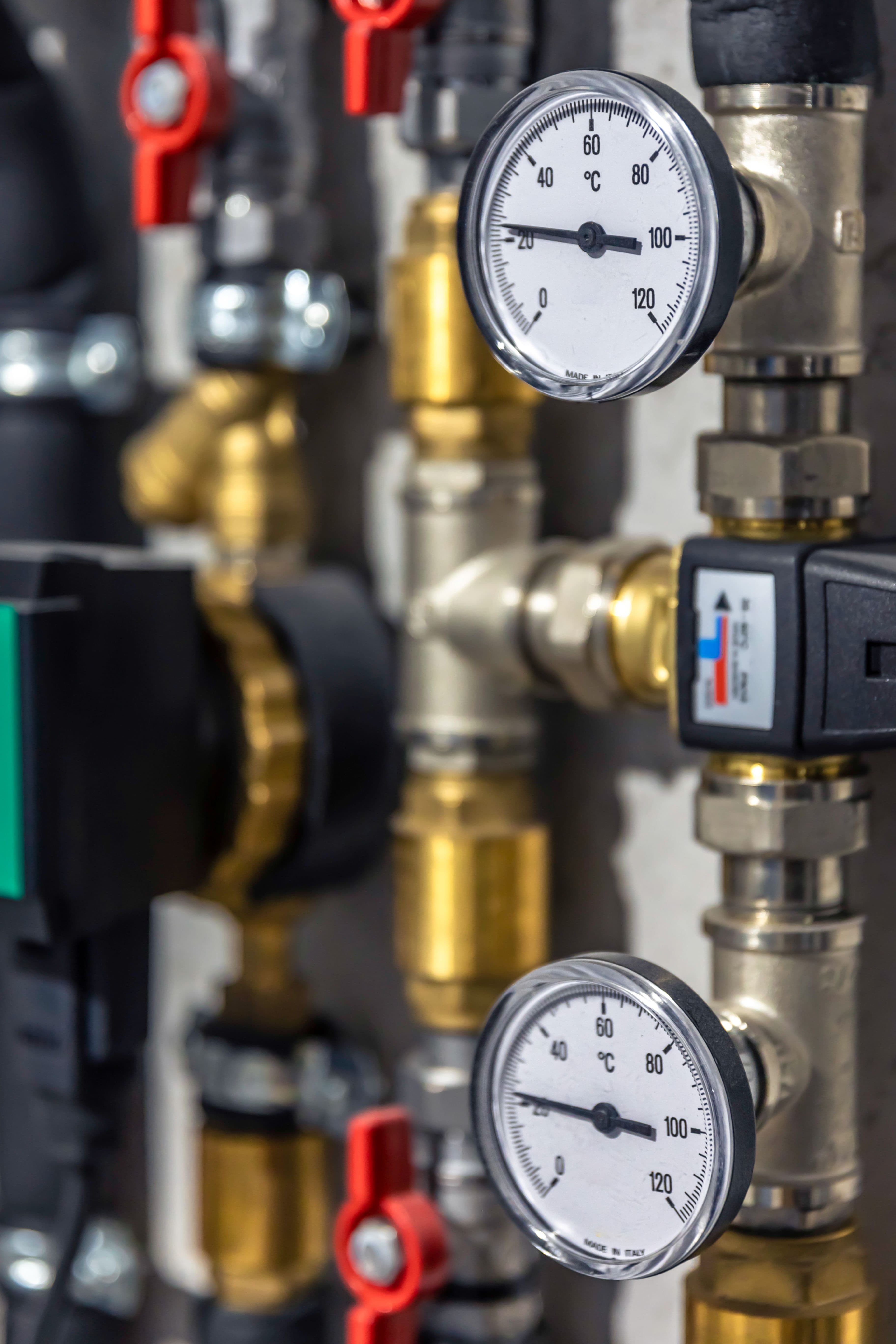
How to Save Money on Your Condominium’s Gas Boiler During Winter
How to Save Money on Your Condominium’s Gas Boiler During Winter
Dicas para Síndicos e PMES
 27/07/2026
 5 min
5 minWhen winter arrives, the day-to-day operation of residential and commercial condominiums changes significantly. During the coldest months of the year, mains water reaches building systems at much lower temperatures. To heat this cold water to a comfortable shower temperature, central heating systems and gas boilers have to work harder and for longer periods.
This higher operational demand leads directly to increased fuel consumption. For condominium managers and property management companies, who must balance resident comfort, building safety and financial predictability, prevention is the most effective approach. Understanding how to keep boilers running efficiently helps avoid budget surprises and gives everyone greater peace of mind throughout the winter.
The Impact of Winter on Gas Consumption and Condominium Operations
A central heating system works by transferring the heat produced by gas combustion to the water circulating through the equipment. When the outside temperature drops, considerably more thermal energy is needed to heat that water. If water enters the building at 12°C in winter, rather than 22°C in summer, the boiler has to burn more gas to deliver the same comfortable shower temperature to each flat.
This high-demand scenario brings any small pre-existing inefficiency in the system to the surface. Soot on the burners, mineral scale in the pipework or poor adjustment of the air-to-fuel mixture will make the equipment consume even more gas to produce the same level of heating. Beyond the financial impact, continuous overload accelerates component wear and increases the risk of emergency breakdowns during cold spells.
Essential Preventive Maintenance for Efficient, Safe Performance
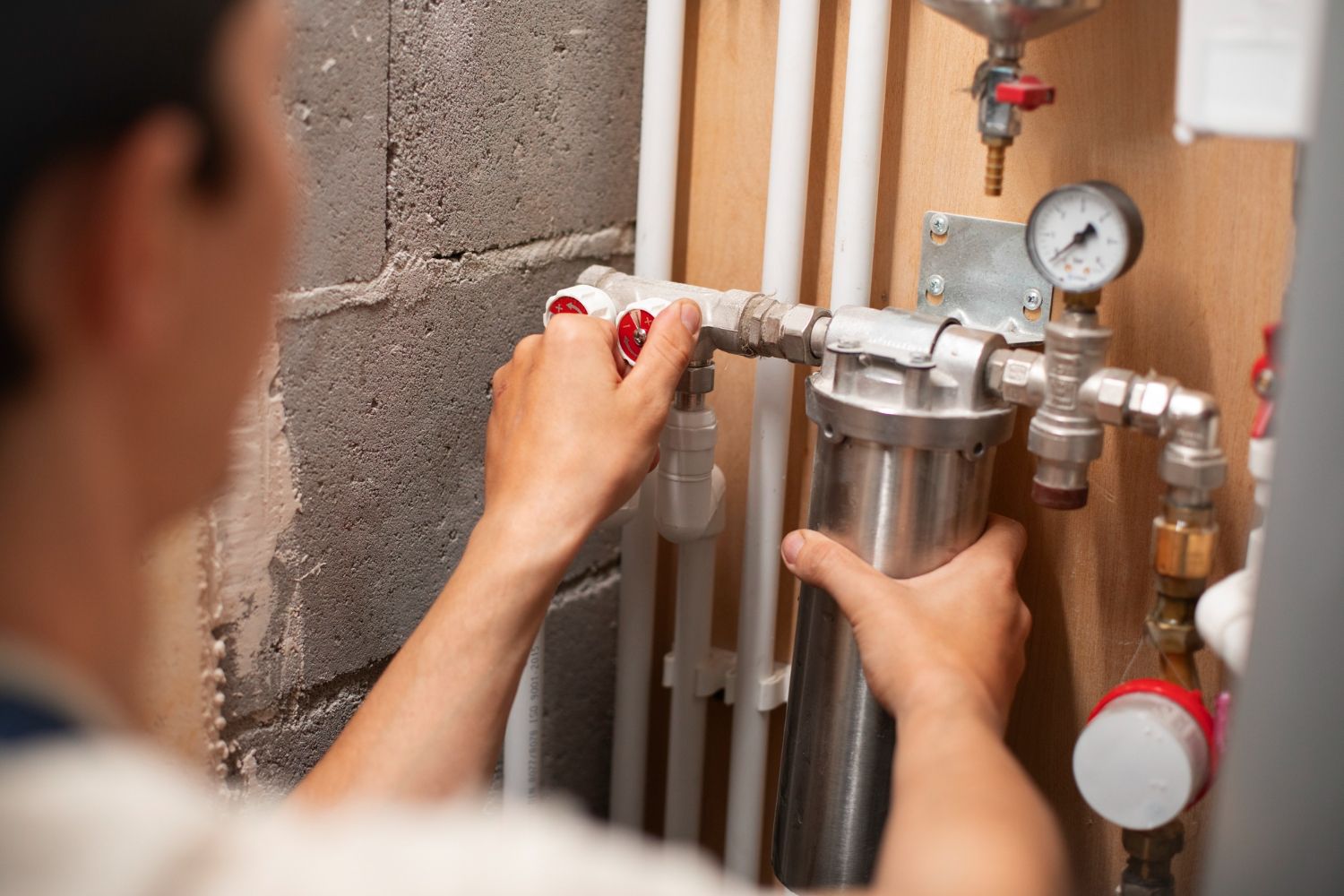
Preventive maintenance of central gas boilers is a strategic investment that protects the budget and extends the service life of the equipment. The following items should be checked regularly:
Cleaning and descaling the heat exchanger: Water contains minerals which, when heated continuously, build up on the inner walls of the boiler tubes. This creates an insulating layer that makes it harder for heat to transfer into the water. Regular chemical cleaning removes these deposits, allowing the boiler to heat water quickly without using excessive fuel.
Burner regulation and combustion adjustment: Efficient, clean gas combustion depends on the correct proportion of fuel and oxygen. Poorly adjusted burners cause incomplete combustion, wasting gas and potentially producing carbon monoxide (CO), an odourless and highly toxic gas. Professional adjustment helps ensure a blue, steady and safe flame.
Tightness testing and gas network inspection: The pipework carrying gas to the boiler must be checked periodically to ensure there are no leaks. In line with Brazilian technical standards, such as ABNT NBR 15526 and NBR 13523, a tightness test applies controlled pressure to the pipework to confirm that shut-off valves, connections and fittings are fully sealed.
Inspection of exhaust systems and safety devices: Combustion gases must be safely expelled from the building. In accordance with ABNT NBR 13103, exhaust ducts, chimneys and permanent ventilation grilles should be inspected regularly. In addition, safety valves and pressure switches — governed by NR-13 — must be tested to ensure the system shuts down automatically in the event of abnormal pressure peaks.
Warning Signs: How to Identify When Immediate Maintenance Is Needed
The caretaking team and condominium administration should pay close attention to the subtle signs that equipment may show before a serious fault occurs. Identifying these warning signs quickly helps prevent accidents and unnecessary costs:
Yellow or orange flame: This may indicate dirty burners or insufficient oxygen during combustion. The associated risks are high gas consumption and carbon monoxide release. Immediate action: request professional cleaning and adjustment of the combustion chamber.
High-pitched noises, cracking sounds or vibrations: These may indicate severe mineral build-up in the heat exchanger or air in the pipework. The risk is metal overheating and sudden equipment failure. Immediate action: carry out descaling and inspect the circulation pumps.
Sudden increase in gas consumption: If residents’ routines have not changed, this may point to reduced boiler efficiency or small leaks. The result can be ongoing financial loss. Immediate action: schedule a technical audit and a gas network tightness test.
Fluctuating shower temperature: This may indicate faults in thermal sensors, thermostats or pressure regulators. The risk includes water waste and discomfort for residents. Immediate action: recalibrate or replace the thermal control modules.
Smell of gas in the plant room: This is a clear sign that fuel may be escaping from connections or valves, creating an imminent risk of explosion or fire. Immediate action: close the main shut-off valve immediately, ventilate the area, avoid operating switches and call emergency support.
Suggested Maintenance Schedule and Compliance with Technical Standards
Maintenance of central gas boilers is governed by Regulatory Standard 13 (NR-13) from the Ministry of Labour and Employment, as well as by ABNT technical standards. The condominium manager is legally responsible for building safety. Regular inspections, supported by a report issued with a Technical Responsibility Annotation (ART) and signed by a mechanical engineer accredited by CREA, are essential to validate condominium insurance cover and protect the manager.
Here is a practical way to organise your condominium’s maintenance plan:
Daily to Weekly Routine
Activities: Preventive temperature and pressure readings on the control panels, a general visual inspection of the plant room and checks for any unusual odours.
Responsible party: Caretaker, maintenance supervisor or building emergency team.
Monthly Routine
Activities: Manual activation test of the safety valve levers and visual inspection of filters and pumps.
Reference standard: NR-13 guidelines, subitem 13.4.4.
Responsible party: Technician trained in building heating systems.
Six-Monthly Routine
Activities: Burner cleaning, fine combustion adjustment, exhaust duct checks and alignment of water circulation equipment.
Reference standard: ABNT NBR 13103 and manufacturers’ recommendations.
Responsible party: Company specialising in central boiler maintenance.
Annual Routine (Mandatory)
Activities: General internal and external safety inspection, gas pipework tightness test, pressure switch review and issuance of a conclusive technical report with ART.
Reference standard: NR-13 and ABNT NBR 15526.
Responsible party: Qualified mechanical engineer registered with CREA.
Every Five Years
Activities: Preventive replacement of flexible tubes, rubber seals, hoses and gas plant pressure regulators.
Reference standard: ABNT NBR 13103 and INMETRO certifications.
Responsible party: Accredited company for gas installations and gas networks.
Extra money-saving tip for residents: Setting the system’s central thermostat between 38°C and 40°C provides comfortable showers without residents having to open the cold-water tap excessively to temper the water. This simple guidance helps prevent the condominium from using unnecessary gas to heat water beyond what is needed.
How to Reduce the Impact of Tariff Flags and Stabilise Electricity Bills with NewSun’s Energy Subscription

While boiler maintenance helps optimise gas expenditure, the condominium’s electricity bill can also place significant pressure on the winter budget. The continuous operation of hot-water circulation pumps, exhaust fans, garage and common-area lighting, and lifts keeps electricity consumption high. The colder months may also coincide with dry periods in Brazil, prompting ANEEL to apply tariff flags — yellow or red — which increase electricity costs.
To protect the condominium’s cash flow from this tariff volatility, NewSun’s energy subscription offers a safe, practical and modern alternative. Under this model, the condominium receives energy credits generated by clean, renewable power plants. The subscription brings predictability to common-area electricity bills without building works, changes to the electrical installation or investment in solar panels.
Here are the advantages of NewSun’s energy subscription for your management:
Protection against tariff flags: The subscription model helps reduce exposure to distributor tariff fluctuations, bringing greater predictability to financial planning.
Progressive savings for the condominium: It reduces fixed electricity costs in common areas, freeing up funds for priority improvements or the reserve fund.
No building works and no bureaucracy: Subscription is completed entirely through digital and administrative steps. There is no need for infrastructure work and no risk of interrupting the energy supply.
Leadership and sustainable management: The manager positions the development at the forefront of sustainability, acting as a forward-thinking green condominium manager who enhances the asset’s value and reduces the community’s environmental impact.
By combining intelligent gas management with NewSun’s clean energy subscription, condominium managers can build an operation that is more resilient against waste and better prepared for the future.
Find out more about our Clean Energy Subscription.
Prevention as a Strategy
Preventive management during winter is essential for maintaining comfort, physical safety and budgetary control in a condominium. Keeping the gas boiler maintenance schedule up to date reduces waste, lowers the risk of accidents and helps ensure the building remains legally compliant.
In addition, adopting modernisation solutions such as NewSun’s energy subscription demonstrates leadership focused on efficiency and predictable utility bills. With technical planning and smart choices, your condominium can get through winter with maximum comfort, full safety and genuine savings.
You may also like
- Dicas para Síndicos e PMES
 22/10/2026
 5m
5m - Casos de Sucesso20/10/20265m
- Dicas para Síndicos e PMES16/10/20265m





Stop paying more for your energy bill
Find out in less than 1 minute how much you could save with clean energy every month — no works and no bureaucracy.
Join the energy revolution
Subscribe to our newsletter and receive exclusive content