
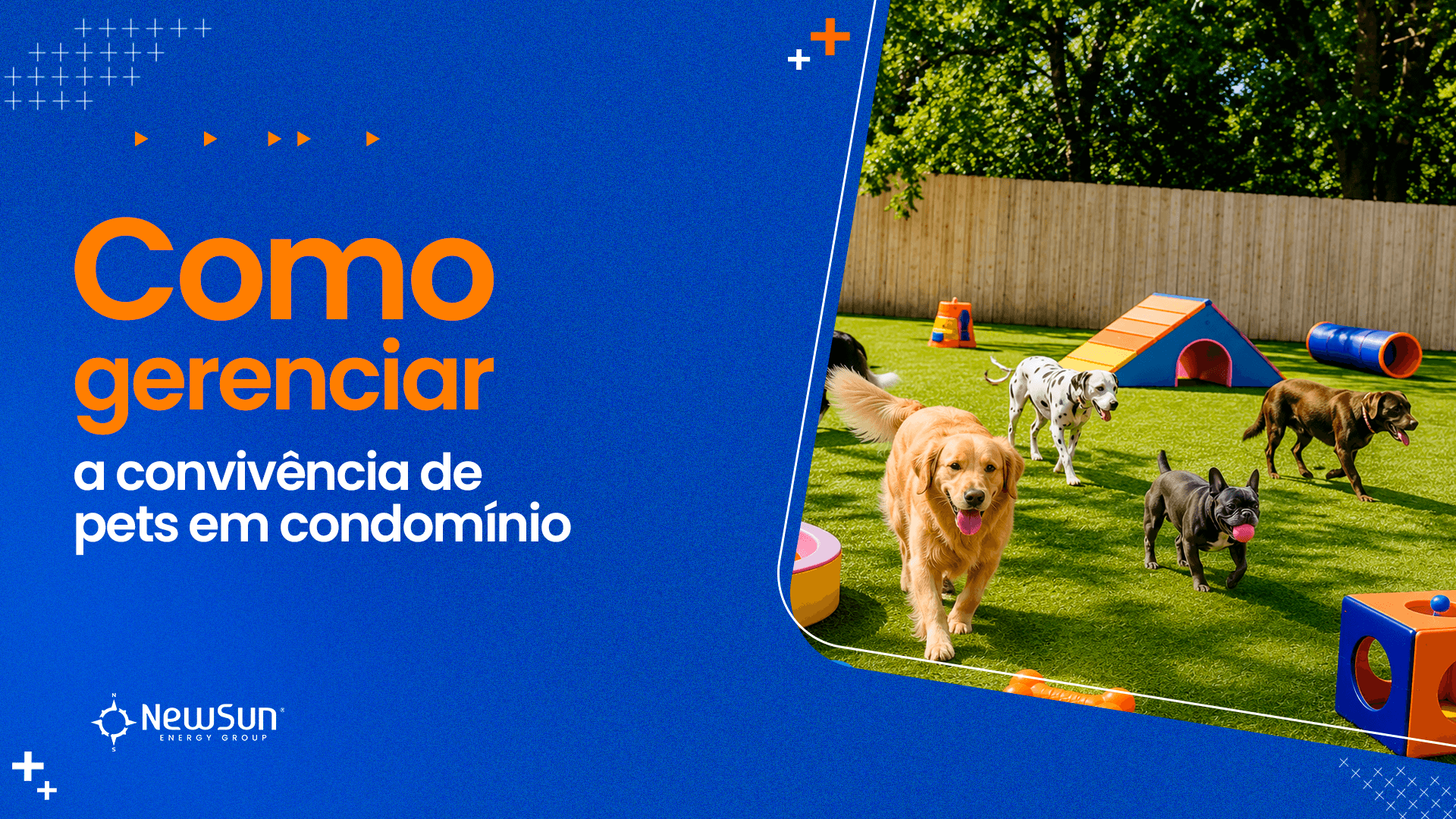
How to manage pet coexistence in a condominium
How to manage pet coexistence in a condominium
Dicas para Síndicos e PMES
 16/07/2026
 5 min
5 minThe relationship between human beings and their pets has undergone a profound transformation in recent decades. Today, dogs, cats and other small companions are no longer seen merely as backyard animals, but as true members of contemporary families. This new social reality has given rise to so-called multispecies families, bringing significant impacts to everyday life and to the management of collective residential spaces.
In apartment blocks and buildings, the presence of pets is one of the matters that most requires attention and balance from managers, as it involves reconciling owners’ property rights with the wellbeing and peace of all residents, including those with four paws. To ensure that this relationship is harmonious, clear rules and an attitude of mutual empathy are essential. When the condominium sets well-founded guidelines and residents act with common sense, the presence of animals becomes a source of joy and unity for the community, rather than a cause of disagreement.
Efficient management of this issue is the way to build a safe environment, where owners can enjoy the company of their companions and other neighbours have their peace and privacy fully respected. For this reason, discussing and clarifying how rules for pets in condominiums work is essential to promote good coexistence and avoid unnecessary friction in collective daily life.
What case law says about animals in apartments
Historically, many building conventions and internal regulations contained strict clauses that absolutely prohibited any type of pet from remaining in private units. However, the understanding of the Judiciary in Brazil has evolved significantly to protect owners’ right to live with their companions. In a highly relevant decision issued in 2019, the Superior Court of Justice ruled that condominiums cannot impose a generic and absolute ban on keeping animals inside apartments. The courts understand that such a prohibition violates the property right guaranteed by law and is excessive, especially when the animal causes no real nuisance or disturbance to neighbours. According to this consolidated case law, any internal clause preventing pets from remaining in a condominium without a concrete justification of collective harm is considered abusive and may be annulled in court.
The role of the condominium’s internal rules is to organise and harmonise the shared space, and not to arbitrarily limit residents’ individual freedom within their own homes. Therefore, restrictions imposed by management are legally valid only when supported by proven facts showing that the pet is directly harming the common environment. This change in legal paradigm requires building managers and administrators to update their internal rules so that they align with national legislation and respect higher court decisions, promoting fairer coexistence free from undue pressure on owners.
The limits of property rights: wellbeing and collective respect
Although the right to keep pets in a condominium is widely supported by the courts, it is not an absolute or unlimited right. The owner’s freedom to live with their pet reaches its exact limit in respect for neighbours’ rights and the obligations of good neighbourliness. The legal basis regulating this relationship is founded on the Brazilian Civil Code, which establishes the limits for the regular use of individual property. In practical terms, the presence and circulation of pets in buildings must strictly respect three essential pillars of collective life: health, safety and the peace and quiet of all residents, commonly referred to as the acceptable limits of condominium coexistence.
This means that the animal must not put other people’s physical integrity at risk, must not compromise the building’s hygiene conditions and must not continuously disturb neighbours’ rest. If a pet’s behaviour breaches these limits, the condominium has full authority to intervene, notify the owner and, if the problem persists, apply the fines provided for in the internal regulations. The balance between rights and duties is key to avoiding conflicts, and it is the owner’s responsibility to act responsibly so that the presence of their companion does not become a burden on the community. By understanding that community life requires reciprocal concessions, residents can establish a routine in which love for animals and the right to silence and safety coexist peacefully.
Circulation in common areas: where animals may pass through
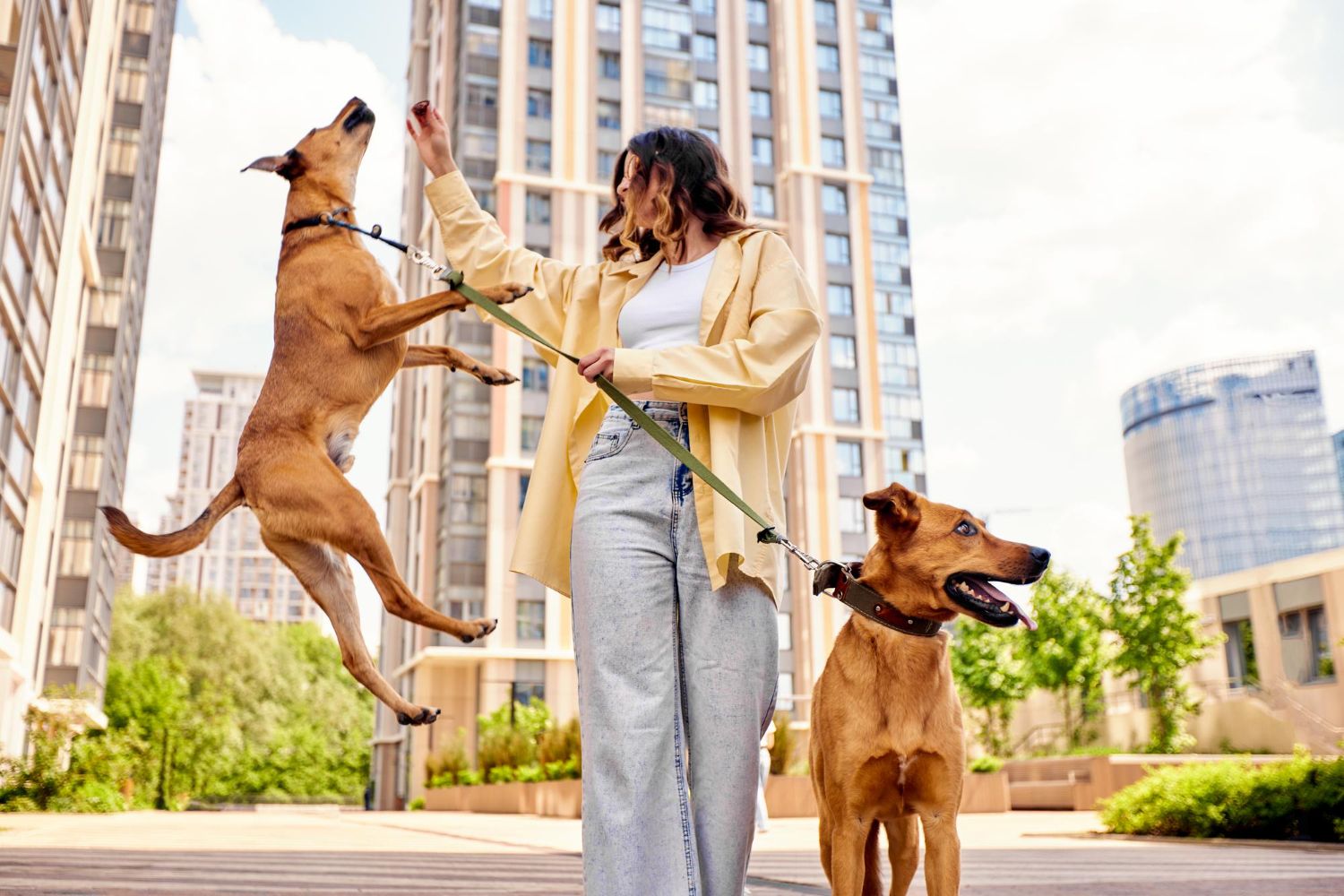
One of the main questions for managers and residents concerns the rules for pets moving through the building’s collective-use spaces, such as lobbies, corridors, garages and leisure areas. Although the condominium cannot prohibit animals from passing through common areas necessary for entering and leaving the building, it has the legal prerogative to regulate and limit this circulation to ensure everyone’s hygiene and comfort. It is perfectly legitimate, for example, for internal rules to prohibit dogs and cats from remaining in specific areas intended for human recreation, such as the swimming pool area, gym, party room or children’s playground. The purpose of these restrictions is purely sanitary and related to coexistence, preventing fur or dirt from compromising sensitive-use spaces.
To organise circulation safely and transparently, the building’s regulations should detail the permitted routes, adopting the following guidelines to orient residents:
Define that the route taken by pets in the condominium between the apartment and the street must always be the shortest and most direct route through the common areas;
Require continuous use of a collar and short lead to keep the animal under the owner’s physical control throughout the shared route;
Prohibit animals from circulating alone or loose through the building’s collective facilities, even in garages or access corridors;
Set out leisure areas with restricted animal access, installing friendly and clear signs to avoid misunderstandings.
By establishing these rules clearly and communicating them widely to the entire community, management reduces the chances of unwanted encounters or common accidents in circulation areas, strengthening physical safety and ensuring that owners’ right to come and go is exercised in an organised and respectful way.
Correct use of lifts with pets
Transporting animals in lifts is undoubtedly one of the topics that generates the most discussion and disagreement among neighbours in vertical condominiums. Many older conventions required owners to carry their animals in their arms when using passenger or service lifts. However, current case law and safety specialists consider this rule abusive and impractical in the routine of buildings, as well as potentially amounting to unlawful embarrassment and mistreatment of the animal, especially in the case of medium and large dogs or when the owner has some physical mobility limitation. The right to use lifts with animals is guaranteed, provided that the owner adopts preventive hygiene and control measures during the journey.
To ensure that lifts are used without friction or risk to users, owners should adopt the following recommended precautions:
Preferably use the service lift to transport the animal, keeping the passenger lift available for residents who prefer not to share the enclosed space with pets;
Keep the dog’s lead very short and the animal close to the owner’s legs, preventing it from approaching other people entering or leaving the lift;
Wait for the next lift if the arriving cabin is already occupied by another resident who shows discomfort or fear of animals, prioritising harmony and common sense;
Pay extra attention when entering and leaving the cabin, ensuring that the animal crosses safely over the gap between the lift and the floor to avoid paw injuries.
By following these simple urban etiquette and education procedures, owners show respect for others’ space and help demystify the presence of animals in shared lifts, turning a moment of potential friction into a calm routine of peaceful coexistence for all residents of the building.
Essential safety equipment: leads, muzzles and protective netting
Physical safety is the most important pillar when discussing the coexistence of animals in apartment buildings. Ensuring that people and the animals themselves are protected against falls and attacks is a duty that falls mainly to owners, but one that must be closely monitored by management. In shared areas, the use of short leads and collars is mandatory for animals of any size or species, preventing them from running towards neighbours or getting into fights with other pets in the condominium. For large breeds or animals with a history of strong behaviour, requiring the use of a muzzle when entering and leaving the building is perfectly legitimate and aims to protect everyone’s physical integrity.
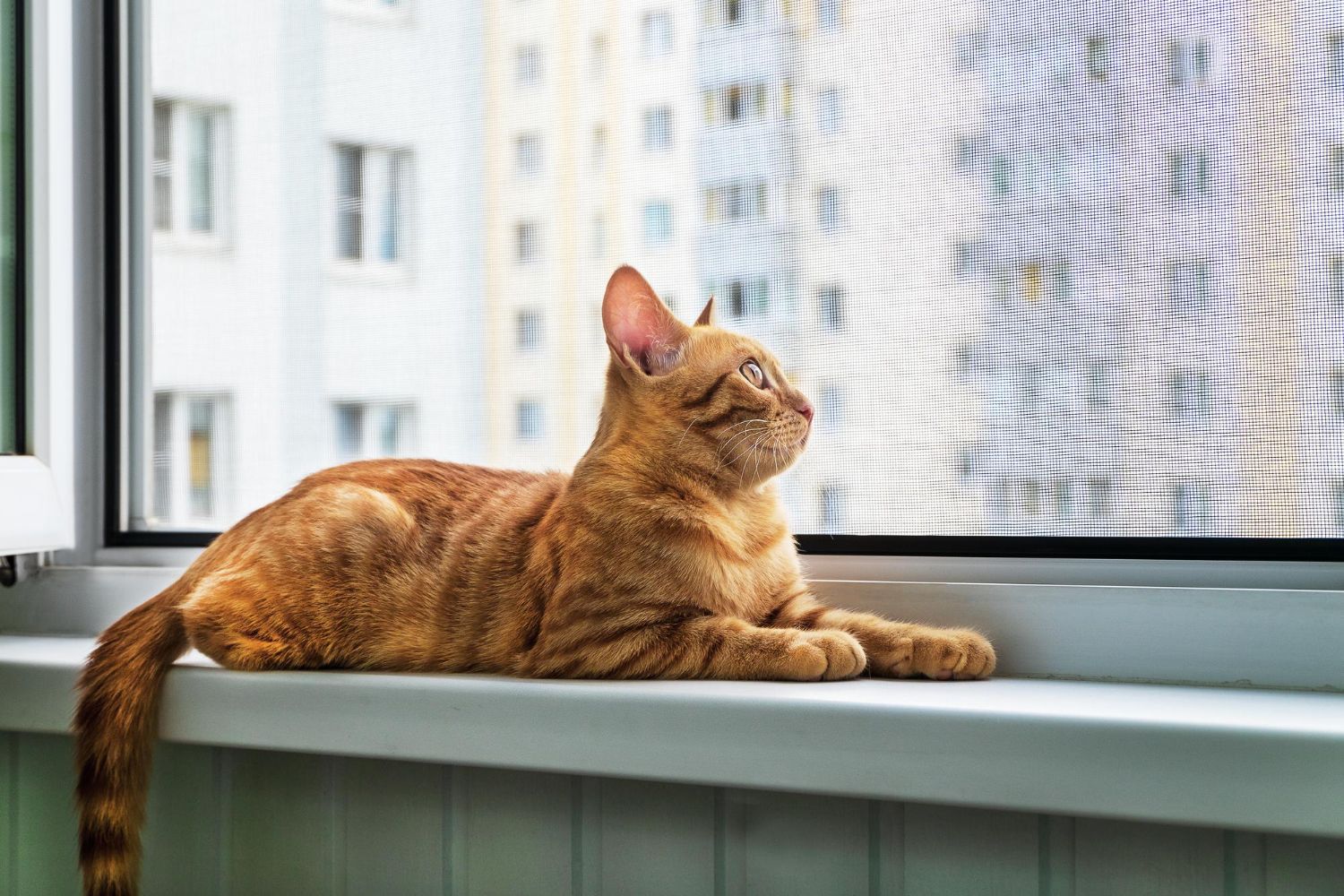
In residential units, another vitally important safety item is the installation of protective netting on windows, balconies and terraces. The installation of these screens is essential to prevent tragic falls involving cats and small dogs, and is a basic measure of responsible ownership. Although the condominium may define aesthetic standards for colour and materials in order to preserve the building façade’s visual harmony, Brazilian courts understand that the condominium cannot prohibit the installation of these safety nets, since the right to life and the physical integrity of families and animals must prevail over any architectural aesthetic issue. Standardising the screens helps reconcile visual aesthetics with the necessary protection of residential units, reducing the risk of serious accidents.
Hygiene and cleaning up waste in shared areas
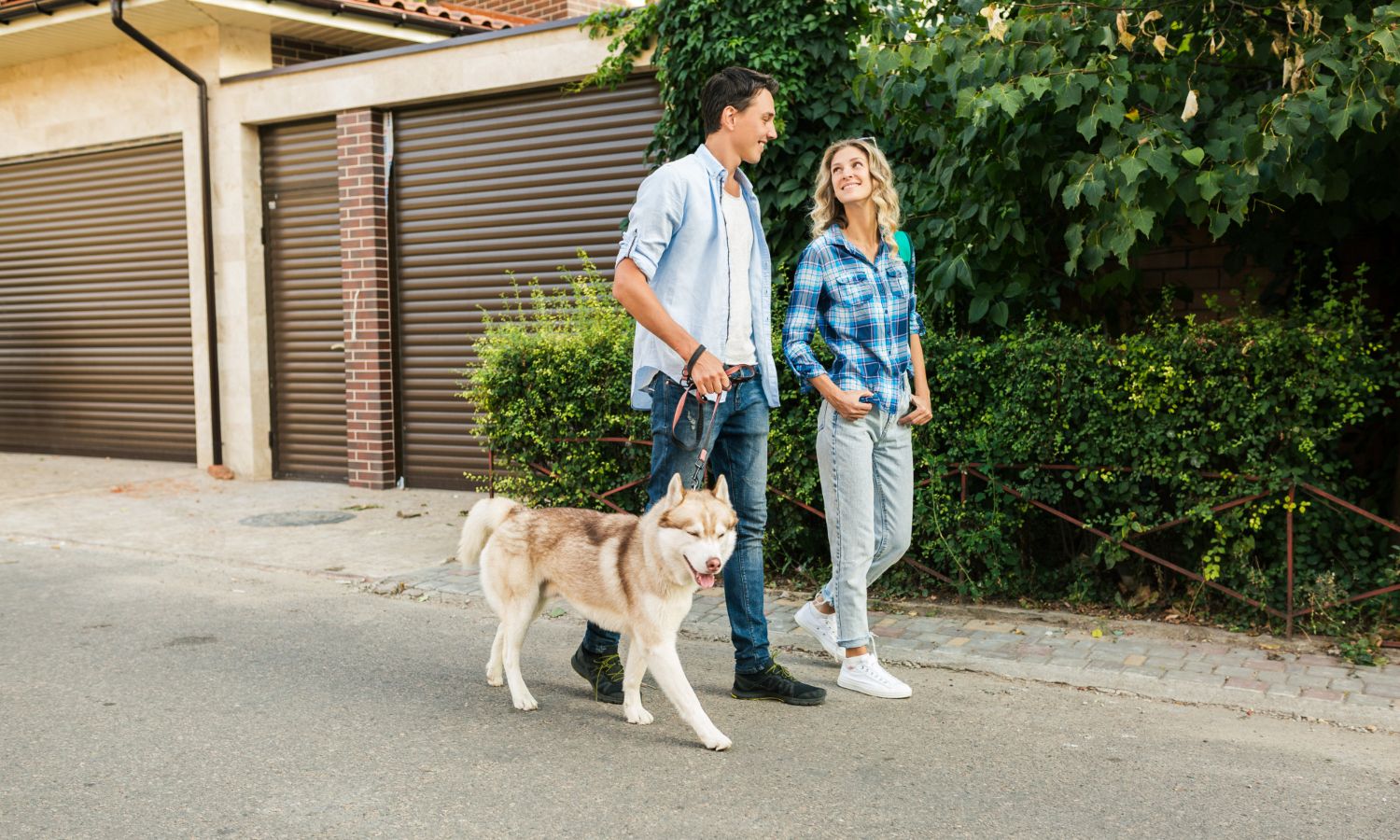
Cleaning common areas is a matter of public health and one of the most basic duties of any pet owner living in a condominium. The accumulation of dirt and unpleasant odours in corridors, lobbies and gardens creates an unhealthy environment and is one of the most frequent sources of formal complaints from residents. It is a non-negotiable rule that the owner must immediately collect any waste their animal produces in the building’s leisure or shared circulation areas. For this reason, when taking a dog out for a walk, the owner must always carry suitable plastic bags to collect the waste quickly and hygienically.
If an “accident” occurs inside the lift or entrance hall, it is the owner’s responsibility to arrange immediate cleaning of the area to avoid stains and odours that may bother neighbours using the space afterwards. The internal regulations should provide clear penalties for recurring negligent conduct by owners who ignore these hygiene obligations. Management may use friendly notices on internal communication channels to reinforce the importance of this collective collaboration, reminding everyone that keeping the environment clean is everyone’s duty and helps preserve the health of the animals themselves as they move through the site.
Barking and excessive noise: how to act in cases of disturbance
Excessive noise caused by constant barking or prolonged howling is undoubtedly one of the most delicate challenges in neighbourhood management. It is important to point out that occasional barking and normal play noises are natural dog behaviours and cannot be completely eliminated, and should be tolerated at reasonable levels during the day. However, when barking becomes continuous, lasting for hours on end (which often happens when the owner is away at work), the situation constitutes a real disturbance of others’ peace and breaches the condominium’s silence rules and current laws.
Neighbours affected by this recurring nuisance have the right to request the building manager’s intervention to mediate the conflict and seek a peaceful solution. Before applying direct punitive fines, the condominium manager should act sensitively and speak with the dog’s owner to understand the source of the problem, suggesting healthy alternatives for the animal.
To mitigate dogs’ separation anxiety and reduce excessive barking in the apartment, owners may adopt the following practical measures:
Invest in environmental enrichment inside the apartment, spreading interactive toys filled with food to keep the dog distracted and occupied for long periods;
Walk the pet for at least thirty minutes before leaving for work, ensuring that the dog expends physical energy and is more likely to sleep while alone;
Leave soft music or nature sounds playing in the room to mask external corridor noises that may trigger the dog’s alert behaviour;
Hire the help of a professional trainer focused on canine behaviour or use day-care facilities for socialisation on days when the owner’s routine is more intense.
By showing proactivity and taking concrete action to solve noise disturbance, the owner restores peace with the neighbourhood and protects their own animal’s mental wellbeing, avoiding the strain of warnings and lengthy administrative proceedings in the condominium.
Bad smells in units: when lack of cleaning becomes a problem
Although the interior of each apartment is a resident’s exclusive-use property, the internal hygiene conditions of a unit must not affect the healthiness of neighbouring units. The accumulation of dirt, failure to wash hygiene mats regularly or negligence in the daily cleaning of the space where pets in the condominium relieve themselves generate severe unpleasant odours that easily spread through common corridors and the building’s ventilation shafts. The Civil Code is very clear in stipulating that every condominium owner has a duty not to use their property in a manner harmful to the health and salubrity of common areas and neighbouring units.
When the bad smell coming from a neighbouring apartment becomes unbearable for those living next door, condominium management must intervene with great tact and discretion. The building manager should speak privately with the resident responsible, explaining the discomfort caused by the odour and requesting that more frequent hygiene measures be adopted inside the property. Open and friendly dialogue is always the best first option for resolving these health issues without exposing the condominium owner to embarrassment, reserving formal sanctions only for extreme cases where the resident refuses to cooperate with basic coexistence and sanitary hygiene standards.
NewSun Partner: how to optimise the energy budget to create suitable spaces for pets
To bring lasting peace to the relationship between residents and animals, many modern condominiums have chosen to build dedicated areas where dogs can run and play in complete physical safety, known as Pet Places or Pet Plays. These specific spaces are excellent because they isolate animals’ recreational circulation, greatly please owners and prevent dogs from playing in unsuitable places such as shared corridors or garages. However, carrying out these useful improvements and implementing efficient communication and safety signage systems requires financial resources from the building’s common fund. This budgetary challenge can be eased with NewSun Partner, a strategic solution that is perfect for contemporary administrators.
Through this innovative partnership programme, building managers and condominium administrators can refer developments from their contact networks to our NewSun clean energy subscription. By adopting this digital energy supply model, the condominium starts to benefit from a sustainable alternative that helps stabilise the electricity bill and bring predictability to the condominium budget, reducing consumption costs in common areas without the need for physical works or initial investments. With the budget relieved and accounting predictability restored, management can release the funds needed to carry out essential improvements, such as creating a dedicated dog area, increasing the value of all owners’ assets and raising the building’s level of thermal and social comfort. In addition, the partnership rewards referrals with recurring monthly rebates, generating a valuable ancillary revenue source to finance the condominium’s physical modernisations intelligently.
Take advantage of this strategic opportunity to modernise your building management and enable improvements that integrate technology, savings and wellbeing! We invite you to visit the official NewSun Partner page to learn about the operational advantages.
Empathy and common sense for harmonious coexistence
Ensuring peaceful and healthy coexistence between neighbours with and without pets is one of the greatest legacies of modern, well-structured condominium management. The success of this mediation lies in the premise that collective life in apartment buildings requires constant balance between individual freedom and absolute respect for other people’s right to peace and quiet, safety and health. When rules for pets in condominiums are drafted on the basis of reasonable and legal criteria, and owners take an active and responsible role in controlling their animals, the chances of disagreements are drastically reduced.
The building manager, acting as a transparent and friendly mediator, should always seek the path of dialogue and educational communication before applying formal sanctions. In this way, condominiums cease to be stages for daily disputes and become welcoming, modern and integrated environments, where multispecies families and all other residents enjoy a routine of mutual respect, tranquillity and lasting social stability.
You may also like
- Dicas para Síndicos e PMES
 13/10/2026
 5m
5m - Dicas para Síndicos e PMES09/10/20265m
- Dicas para Síndicos e PMES08/10/20265m




Stop paying more for your energy bill
Find out in less than 1 minute how much you could save with clean energy every month — no works and no bureaucracy.
Join the energy revolution
Subscribe to our newsletter and receive exclusive content