
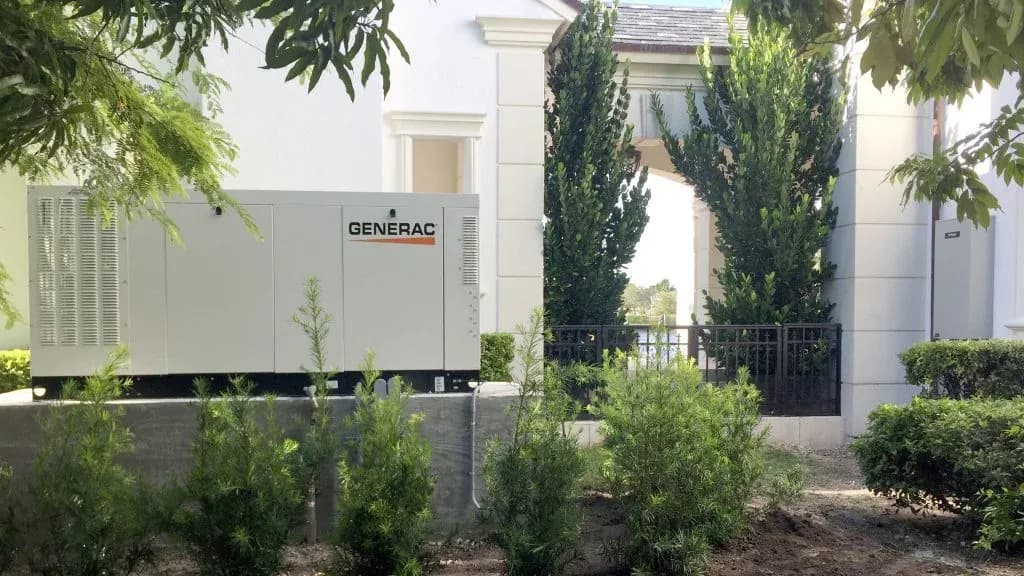
Avoiding generator failures in residential buildings during cold weather
Avoiding generator failures in residential buildings during cold weather
Dicas para Síndicos e PMES
 21/07/2026
 5 min
5 minThe safety and energy infrastructure of a residential building or business requires constant planning by managers, especially during the coldest periods of the year. It is at this time that emergency equipment, such as generators, becomes even more critical to maintaining shared operations. A sudden power cut can stop lifts, gates and monitoring systems, causing insecurity and dissatisfaction among residents. To prevent serious failures, every conscientious building or facilities manager must understand how starter batteries and other batteries behave in cold weather. Preventive care of generator systems helps keep the building protected.
Management teams often neglect routine testing because they believe this equipment only needs attention during power outages. However, the engine and batteries come under considerable physical strain when temperatures fall, which can prevent the generator from starting when it is genuinely needed. Without proper attention, these generators may fail in the first second of operation, leaving the entire community in complete darkness. Loss of battery charge and natural battery wear in cold weather are common problems that can be avoided with a simple inspection routine. In this article, we present the best guidance for protecting emergency generators and ensuring that they work reliably to keep the residential building safe in cold weather.
How winter challenges the operation of generators and batteries
The Brazilian winter brings milder days that directly affect the performance of stationary machinery and engines. Denser air and thicker lubricating oil require far greater force for generators to begin their operating cycle. It is precisely under these conditions that system batteries and other batteries are placed under the greatest demand, as they must deliver a high peak current. If preventive maintenance of these generators is overdue, the likelihood of mechanical failure increases substantially.
The physics is straightforward: the internal chemical reaction in batteries becomes much slower at low temperatures. This slowdown reduces energy storage capacity, causing batteries to lose up to half of their rated efficiency in cold weather. For industrial or residential generators, this drop in cell performance is one of the main reasons for technical support calls. Without regular inspections, the building becomes vulnerable to sudden failed starts.
Keeping the lubricating oil at the correct viscosity and the electrical connections clean helps reduce physical resistance during starting. The manager who monitors generator performance analytically knows that winter demands extra attention to charging sources. Ensuring that batteries are always protected in cold weather prevents the accelerated degradation of their internal components.
The role of batteries in safely starting the emergency system
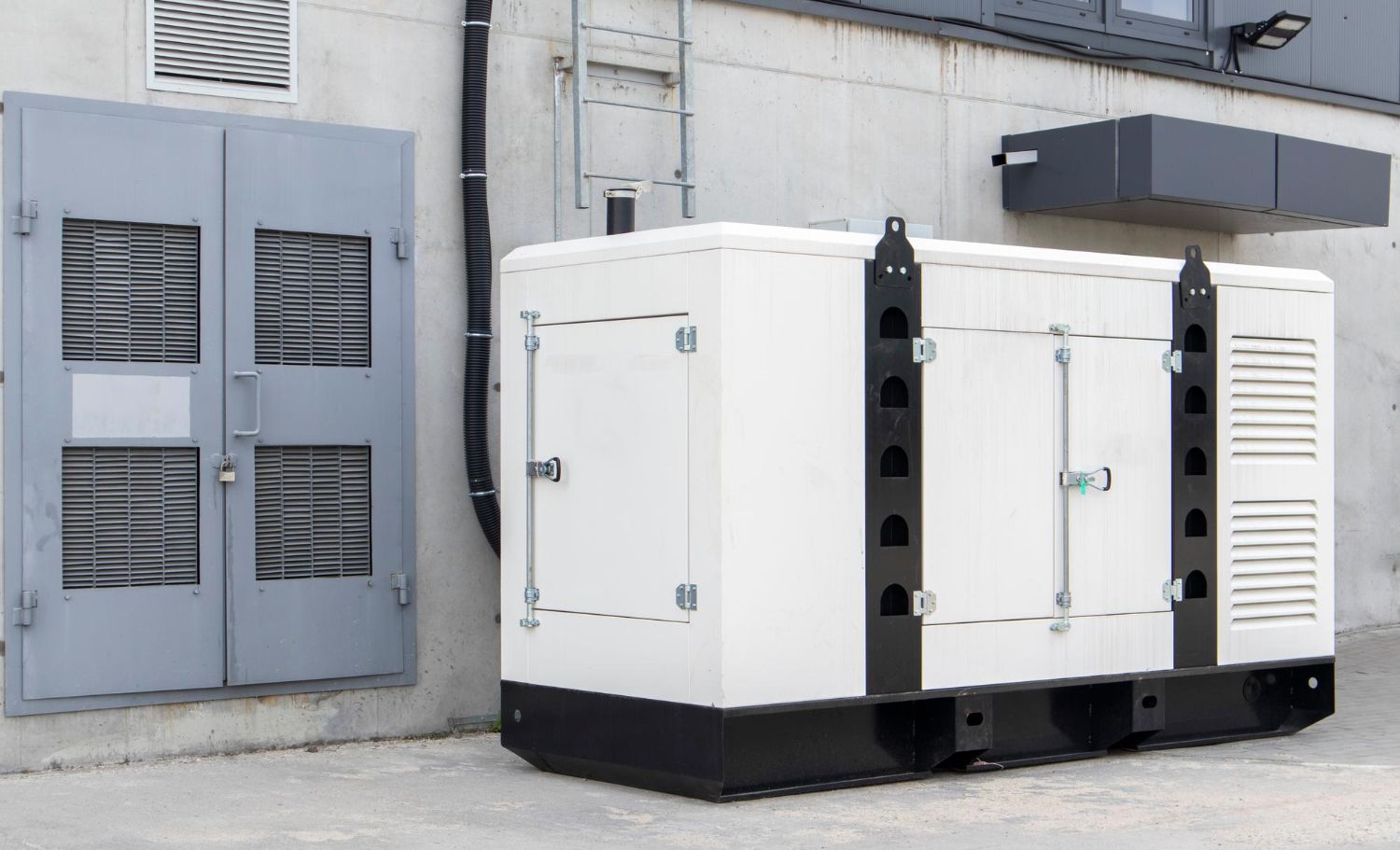
The starting system of internal combustion engines depends entirely on the batteries’ ability to provide instant electrical power. In large generators, this energy demand is far greater than that of an ordinary vehicle, requiring robust conductors and perfectly clean connections. When these accumulators suffer natural wear, starting becomes slow and ineffective, overloading the starter motor. Regular checks of these batteries in cold weather prevent seasonal wear from leaving the residential building without generator support at critical moments.
Loss of electrical capacity in batteries is aggravated by increased mechanical resistance in the engine, which requires more energy to turn the crankshaft. If batteries are not fully charged in cold weather, the operating voltage will quickly fall below the acceptable control limit. This scenario prevents the fuel valves from opening and the electronic control panel of the safety generators from activating. For this reason, testing the accumulators periodically ensures that the generators respond effectively when the external supply is interrupted.
Correct preventive maintenance reduces the costs of prematurely replacing expensive starter-motor parts in power generators. The manager who understands the importance of batteries invests in float chargers to maintain the ideal starting voltage. This simple measure prevents the system from remaining inactive in cold weather and suffering critical failures.
The risks of sulphation and battery wear in cold weather
Sulphation is one of the most common and damaging chemical conditions affecting the service life of lead-acid batteries. This process occurs when lead sulphate crystals accumulate on the internal metal plates, reducing the contact area and hindering electrical conduction. This build-up on batteries in cold weather accelerates the permanent loss of charge-retention capacity. Without regular inspections, sulphation can render the system unusable and compromise the starting of emergency generators. Combating this phenomenon in cold weather requires the equipment to remain connected to intelligent automatic float chargers.
Low temperature reduces the mobility of ions in the acidic electrolyte, making it harder for crystals accumulated on the plates to dissolve. When the generator system remains inactive for long winter months, sulphation silently advances over the batteries. Performing periodic load tests on generators helps break this chemical cycle and extend the service life of the accumulators. The vigilant manager should monitor the voltage levels of these batteries to prevent the residential building from being left without power in cold weather.
Replacing worn parts and cleaning oxidised terminals on power generators prevents the waste of electrical current. Keeping batteries clean and securely fixed to their metal support prevents harmful vibrations that damage the internal plates. This preventive care removes the risk of electrical breakdowns in cold weather and ensures the collective safety of the building.
Cold starting in generators: invisible wear on the engine block
Cold-starting large generators in low ambient temperatures causes extreme mechanical stress on pistons and cylinders. Due to the low winter temperature, lubricating oil drains into the sump and becomes much more viscous, circulating more slowly through the internal galleries. The first start of a generator without adequate lubrication causes direct metal-to-metal contact, creating severe microscopic wear. This chronic wear rapidly reduces the engine’s service life if batteries and auxiliary batteries are not properly monitored in cold weather. A careful building manager should adopt measures to ensure that starting takes place smoothly.
Cold starting also requires much more torque, forcing batteries to operate under extreme discharge conditions in unfavourable temperatures. When batteries in cold weather are subjected to this continuous current demand, their service life is significantly reduced. In residential buildings, generators and generator systems must be ready to operate at full load in less than ten seconds after a grid failure. If starting sources fail in cold weather, the building will face blackouts and interruptions that may damage essential equipment.
Installing an engine-block heating system for power generators prevents dry friction in moving parts. Preheating keeps the lubricating oil thin and ready to act, protecting batteries from repeated starting efforts. This preventive investment removes the risk of mechanical breakdowns in cold weather and ensures operational safety.
The importance of preheating for the engine and batteries
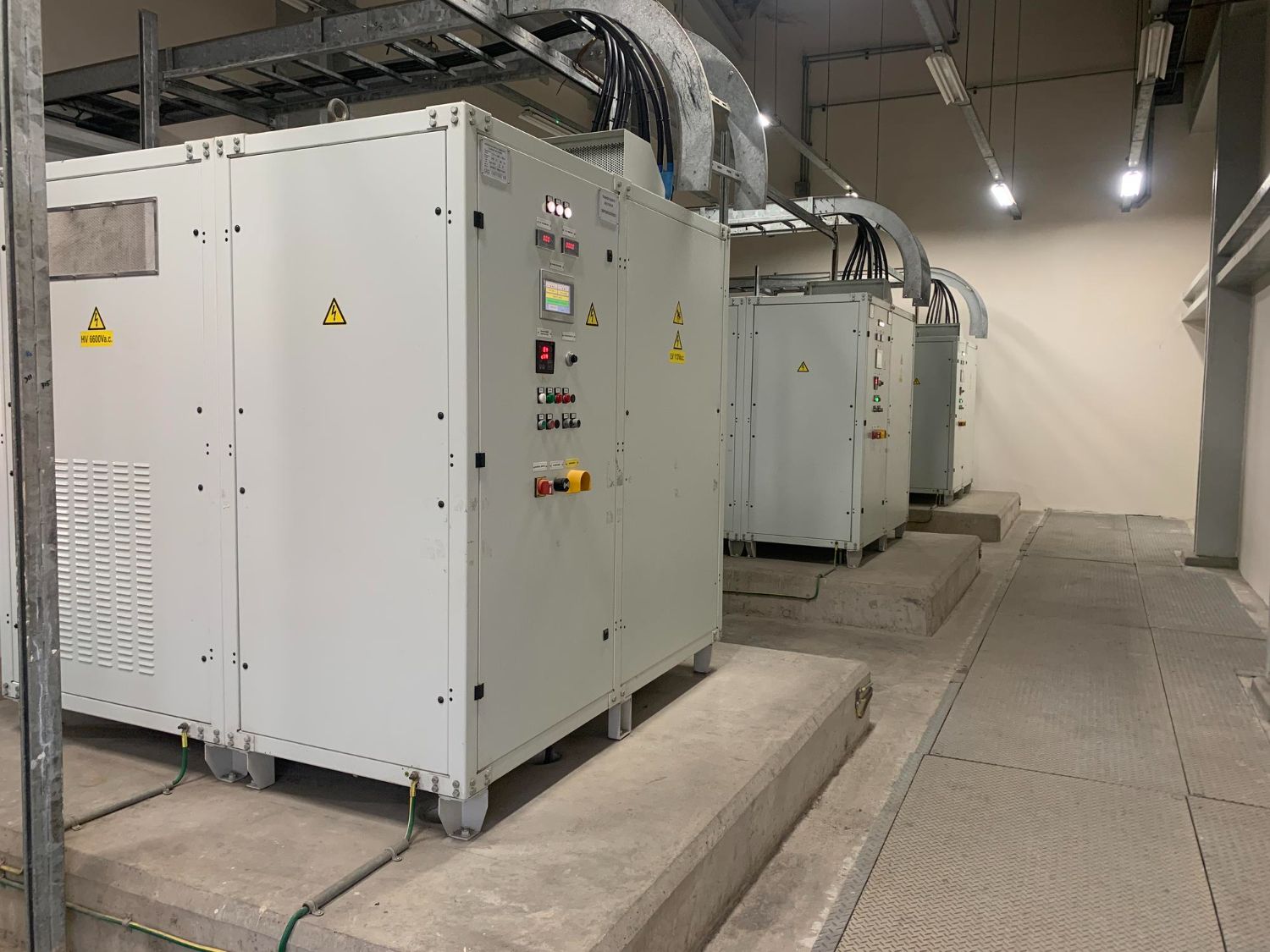
Preheating elements are the best way to keep internal fluids at the ideal working temperature. In generators installed in stand-by mode, these electrical devices continuously heat the engine’s water jacket. This continuous heating prevents the stress of starting at low temperatures, protecting batteries and battery connections from abrupt current discharges. The use of these block heaters in power generators is one of the measures most recommended by specialists in cold weather. Keeping the block warm in cold weather ensures that the initial start occurs extremely easily.
Active circulation of coolant through integrated pumps heats the engine evenly and quickly. If batteries do not need to provide extra force to overcome the viscous friction of the lubricant in cold weather, their chemical integrity is better preserved. The control thermostat should regulate this electrical heating in generators to keep the block temperature between thirty-two and thirty-eight degrees. Testing the generator preheating system periodically prevents failures during cold-weather starts.
Keeping the heating elements clean and calibrating thermal sensors in power generators extends the service life of the entire system. Careful temperature monitoring prevents batteries from suffering excessive physical starting effort. This operational planning removes the risk of mechanical breakdowns in cold weather and brings peace of mind.
Preventive maintenance of generators during periods of lower use
Winter in Brazil is characterised by a lower incidence of summer storms, which reduces the frequency of grid outages and generator use. However, this period of lower use is the ideal time to carry out improvements and in-depth maintenance across the entire emergency system. Failing to schedule battery inspections during winter encourages sulphate accumulation and silent discharge. Predictive maintenance and the cleaning of battery connections in cold weather are basic actions that prevent sudden breakdowns and failures in generators. Carrying out this care in cold weather ensures that the building infrastructure remains reliable and safe.
Periodic maintenance of power generators should take place every six months or every two hundred and fifty hours of use, in accordance with technical standards. Specialist technicians should inspect the batteries to check electrolyte levels and the nominal voltage of each cell. If batteries in cold weather show signs of charge loss, their preventive replacement should be arranged immediately. The building manager who handles the technical scheduling of these generators prevents the residential building from facing extra costs for emergency repairs in cold weather.
Cleaning air filters, changing oil and calibrating electrical sensors in power generators keeps the engine efficient. Regular care of the batteries’ state of charge protects the alternator from recharge-current overloads. This preventive approach removes risks of electrical breakdowns in cold weather and enhances the property’s value.
Testing schedule and the role of the ATS in cold weather
The Automatic Transfer Switch (ATS) is the electronic component responsible for identifying voltage drops and activating the generators. The operation of the ATS depends on fast electrical signals that may be affected by physical oxidation of contacts and cables. Carrying out simulated engine-start tests every fifteen days is vital to assess communication between the panel and the batteries. Checking the charge of these batteries in cold weather ensures that load transfer occurs in less than ten seconds. Testing these generators in cold weather is the only guarantee that the residential building will not be left in darkness.
Before starting any technical maintenance intervention on the ATS, the automatic system must be locked out to prevent accidental starts. If the generator system attempts to operate during the inspection, it may put technicians’ lives at risk. Constant monitoring of batteries in cold weather prevents voltage drops in cold weather from disrupting the logic boards of the panel’s electronic controller. Therefore, keeping these batteries’ charge under supervision ensures that generators are activated with full operational reliability.
Keeping ATS connections clean and retightening the terminals of power generators reduces the risk of dangerous voltage fluctuations. Systematic checks of battery condition ensure that transfer switches operate with full technical precision. This operational planning prevents failures in cold weather and ensures full comfort for all residents.
NewSun clean energy subscription: predictability and cash flow in cold weather

While the residential building directs financial resources towards the physical maintenance of emergency generators and the replacement of batteries, ordinary electricity bills continue to weigh on the collective budget in cold weather. For managers seeking to balance the accounts, the NewSun clean energy subscription emerges as a sustainable alternative for electricity supply. By adopting this innovative clean energy subscription model, the residential building starts to benefit from credits that offset general electricity consumption in common areas in a 100% digital way. This financial planning helps stabilise the electricity bill and brings predictability to the budget for common areas, easing cash flow. The building manager who saves with clean energy gains room to invest in preventive generator safety without burdening residents.
The great competitive advantage of NewSun’s digital subscription is that it does not require the installation of photovoltaic panels or major changes to the building’s physical infrastructure. This avoids overloading roofs and prevents new electrical equipment from adding physical risk to the building’s main switchboards. With common-area bills up to date, the building manager can focus cash resources on buying new batteries for the generators and keeping generator inspections up to date. Constant battery monitoring in cold weather requires the equipment to operate in sound technical condition. The progressive savings achieved protect the residential building’s cash flow from seasonal tariff flags and bring stability.
Adopting clean energy solutions brings modernity and environmental responsibility to the residential-building community. Combining this financial efficiency with preventive maintenance of power generators helps reduce the risk of unwanted blackouts.
Find out how a clean energy subscription can support the evolution of your residential building with sustainability in a simple way.
Good lubrication and filter practices for generators in winter
The viscosity and quality of lubricating oil play a crucial role in the full performance of diesel engines in winter. Lubricating oils change viscosity at lower temperatures, which means large generators require greater mechanical force. If the oil is thick or contaminated by impurities, starting resistance will overload the batteries and starter motors. Constant inspection of batteries in cold weather helps prevent thermal failures that damage the residential building’s electrical system. Experienced building managers closely monitor generator maintenance in cold weather to avoid unpleasant surprises.
Another critical point in emergency-generator maintenance is the regular replacement and cleaning of air and fuel filters. The accumulation of dust and fuel residue in filters restricts airflow, forcing batteries to operate under repeated mechanical strain. If batteries are weak or their charge is unregulated in cold weather, the generator will fail to start. Constant monitoring of these generator systems in cold weather ensures that the initial start occurs safely. Preventive monitoring of electrical conditions reduces the risk of general breakdowns in cold weather.
Calibrating temperature sensors and technically retightening power-generator connections prevents current losses. Preventive care of the batteries’ state of charge maintains the stability of the starting system. This responsible approach prevents unexpected breakdowns in cold weather and ensures the safety of the residential building.
Operational safety as the legacy of attentive management
The conservation and preventive maintenance of a building’s shared installations are a stable foundation for safe, high-standard infrastructure. When wiring and generators are neglected, the residential building is exposed to electrical breakdowns that affect the operation of pumps and emergency lifts. Systematic checking of battery condition is essential to guarantee activation when needed. The diligent building manager who monitors the performance of these batteries in cold weather demonstrates civil responsibility and helps preserve collective property. Testing these generators in cold weather is part of orderly, responsible management.
Winter in Brazil, although associated with lower seasonal rates of power interruption, is the perfect time to plan improvements to generator systems. Analytical monitoring of battery condition reduces corrective-maintenance costs in the medium term. Ensuring that batteries operate in sound technical condition in cold weather is vital for residents’ safety. By keeping generator maintenance up to date, a professional building manager demonstrates strong facilities-management competence. Operational safety is reinforced through strict control of the electrical system.
Seeking creative energy-saving alternatives and intelligent partnerships helps obtain resources to adapt generators. Preventive care of batteries ensures the perfect activation of emergency lights. This integrated planning prevents unforeseen events in cold weather and builds a united community.
You may also like
- Casos de Sucesso
 20/10/2026
 5m
5m - Dicas para Síndicos e PMES16/10/20265m
- Dicas para Síndicos e PMES13/10/20265m





Stop paying more for your energy bill
Find out in less than 1 minute how much you could save with clean energy every month — no works and no bureaucracy.
Join the energy revolution
Subscribe to our newsletter and receive exclusive content