
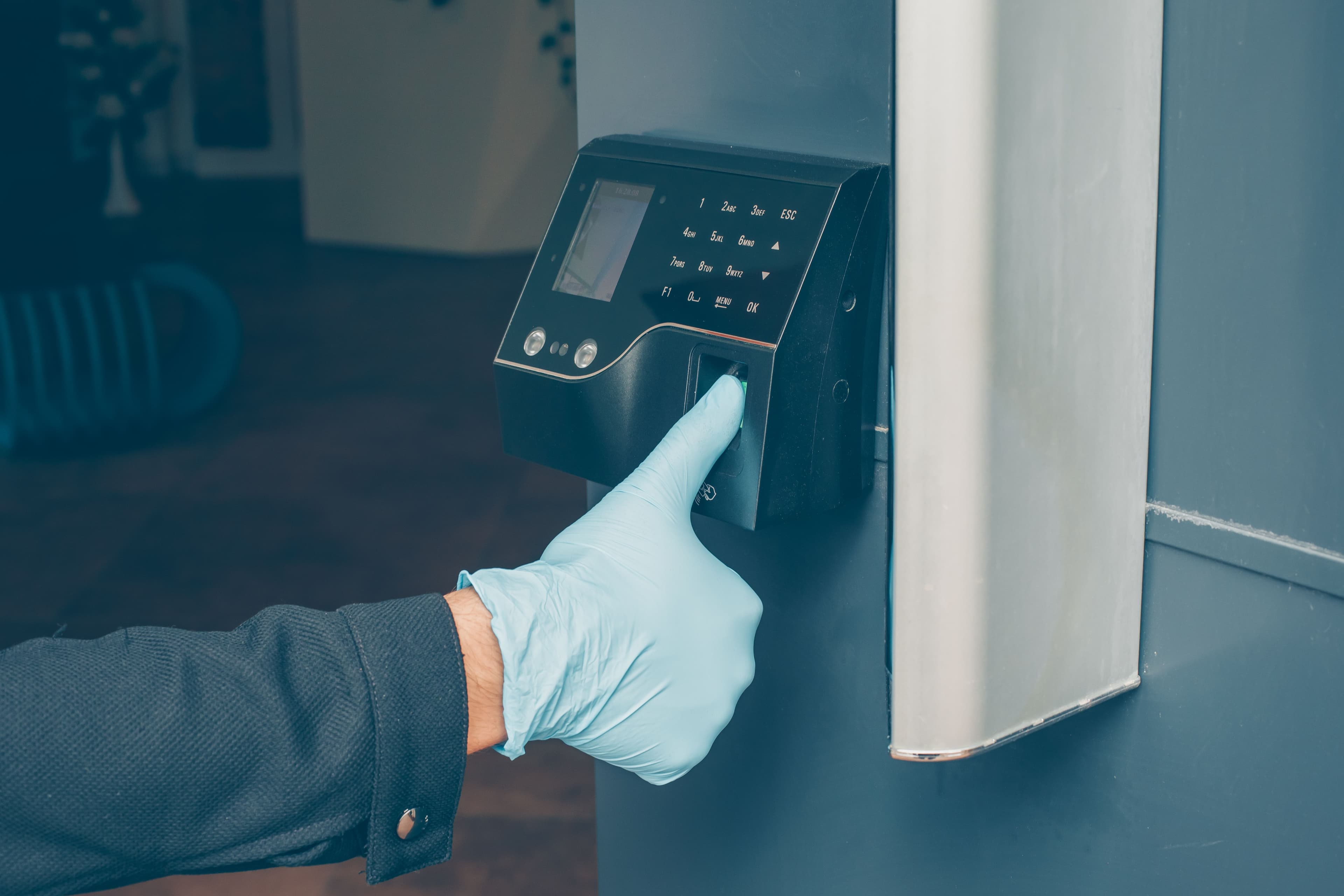
How to avoid scams at the concierge desk and protect the residential complex
How to avoid scams at the concierge desk and protect the residential complex
Dicas para Síndicos e PMES
 14/07/2026
 5 min
5 minThe search for housing in residential buildings in Brazil is historically linked to the desire for protection and peace of mind. Residents choose to live in condominiums, believing that physical barriers, such as high walls, electric fences, and double gates, are sufficient to keep urban dangers outside. However, the reality of the property security sector shows that the most vulnerable point of any building is not a mechanical barrier, but the human access control located at the concierge desk. It is in this transition space that collective security is put to the test daily and where criminals focus their intellectual efforts to perpetrate different types of well-crafted scams.
The concierge desk represents the triage system of a complex organism. If there is a failure in this initial filter, all internal security is severely compromised, exposing dozens or hundreds of families to severe property and physical risks. With the evolution of monitoring technology, gangs specialising in building invasions have realised that overcoming electronic obstacles requires significant effort and heavy tools, which quickly draws attention.
On the other hand, tricking the people responsible for access through articulated lies and information manipulation is a much quieter and more efficient path to carry out scams at the entrance. These social engineering tricks and scams focus precisely on communication weaknesses and the over-trust or friendliness of concierges and residents. Therefore, understanding how these frauds at the concierge desk work and establishing strict operational rules is the first step towards consolidating a culture of preventive security that neutralises scams before they even materialise at the building's entrance. A secure concierge desk is the best barrier against new scams that threaten the collective security of all residents.
The psychology of social engineering: how scammers exploit human flaws
To understand how crimes in residential complexes occur without the use of physical violence, it is fundamental to understand social engineering, a common method for carrying out sophisticated scams. This concept defines the practice of psychologically manipulating people so that they perform actions or reveal sensitive data. In the daily life of a building, criminals study the routines of the concierge to force entry by bypassing installed security systems. The main tool of those who carry out these scams is to create an artificial scenario of extreme urgency or authority, inducing the concierge attendant to skip triage steps focused on security. Excessive friendliness or moving stories are used to disarm the natural mistrust of those who work at the concierge desk, facilitating the execution of silent scams.
The concierge team must be trained to identify when they are under the influence of these techniques, always acting with a focus on preventive security. When protection routines are broken, the condominium is exposed to serious failures, showing that physical security depends directly on well-designed processes that are resistant to psychological scams. Technical training and constant awareness are the pillars to shield the concierge desk and keep collective security intact against new articulated scams.
The fake delivery worker scam: staging tactics and psychological manipulation
The fake delivery worker has become one of the most common scams that test the security of modern urban buildings. The dynamics of this crime are based on a realistic staging set up to deceive the professionals working at the concierge desk. The criminal usually wears uniforms of well-known apps, carries standard thermal backpacks, and presents themselves in a hurry at the concierge desk, claiming to have an urgent delivery for a specific apartment. These scams use haste and manipulation to force quick access.
When the concierge desk does not follow strict guidelines, it ends up releasing the suspect's entry or allowing them to circulate through common areas to complete the delivery, creating a serious security breach. Direct confirmation with the resident before opening the concierge gates is essential to avoid the realisation of new planned scams. To prevent the concierge desk from being bypassed by these types of scams, some immediate control actions are indispensable to maintain building security.
To prevent such scams from materialising and causing losses that affect general security, adopt the following practices at the concierge desk:
Require the presentation of the delivery worker's identity document at the external entrance of the condominium for registration;
Retain packages at the reception hatch, requesting that the resident collect the parcel personally;
Strictly prohibit the movement of delivery app service providers through common areas or social elevators;
Immediately refuse to receive deliveries if the registered recipient is absent from the building.
Constant awareness about the mechanics of these scams helps to build barriers that shield security and establish new levels of collective security in the condominium.
The 'ride' scam: how opportunistic entry compromises physical security
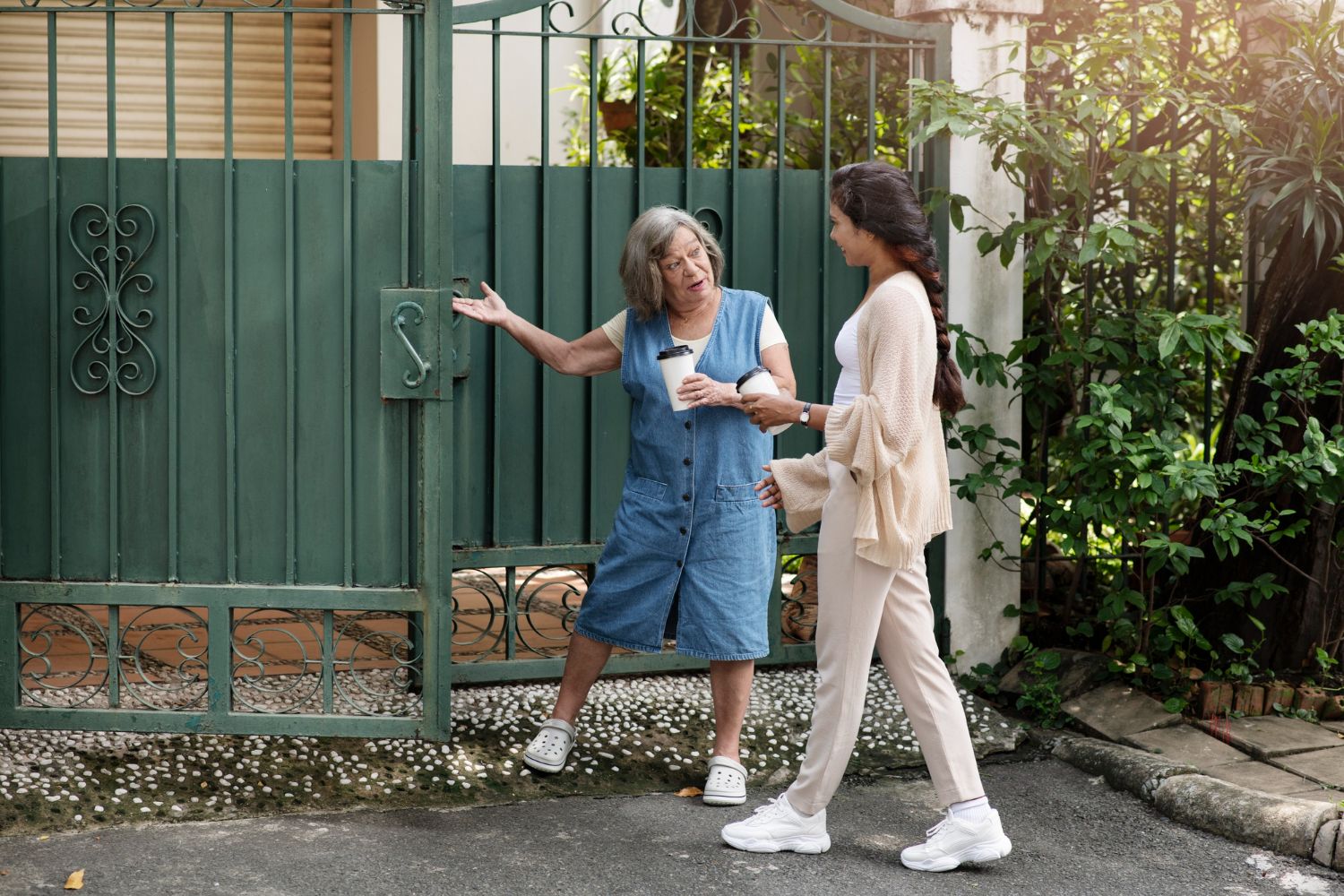
The opportunistic entry of pedestrians or vehicles, known as the 'ride' (carona) scam, occurs when an intruder takes advantage of the legitimate opening of gates to access the common areas of condominiums. This tactic is simple but highly effective in exploiting momentary carelessness at the concierge desk. In the garage, the scammer waits nearby and enters right behind an authorised resident, before the automatic gate closes, bypassing existing security systems. Regarding pedestrian access, criminals mingle with residents during peak hours, taking advantage of the courtesy or collective distraction at the concierge desk to pass without identification, opening serious gaps for the realisation of new scams.
When this silent intrusion happens, internal security is immediately broken. To mitigate the risk of these opportunistic scams, the concierge team must maintain uninterrupted visual vigilance and operate airlocks with extreme technical rigour. If concierges operate mechanically without observing individually who enters behind each user, the condominium will suffer new invasive scams. Building preventive security requires that every individual be verified at the concierge desk before the physical release of common access. Avoiding these opportunistic 'ride' scams is a basic pillar to shield the condominium's security and ensure that the concierge desk functions as an effective shield, promoting the stability and security of everyone against new planned scams.
The fake gift scam: the trap of the unexpected present that hides fraud
The fake gift scam is a sophisticated social engineering fraud applied directly at the concierge desk of residential condominiums. The criminal presents themselves at the reception carrying flowers or decorated baskets. They claim to carry a surprise gift sent by a resident's relatives, stating that they cannot notify the recipient so as not to spoil the birthday surprise. To release the delivery, the scammer claims that it is only necessary to pay a small freight or insurance fee on the card machine, inducing the resident or concierge staff member to pay the transaction on the impulse of receiving the surprise.
This tactic is used to take the focus off habitual security, applying immediate financial scams. The concierge desk must strictly prohibit the acceptance of any packages with pending surprise fees. The property security of residents and the protection of building routines depend on strict rules at the reception. Raising awareness in the community about these scams at the concierge desk is essential to prevent the success of these risky approaches. The security team of high-end condominiums must combat these scams and instruct residents to refuse these fake deliveries. Thus, internal security remains preserved, neutralising new embezzlement scams that test security limits and generate losses for the concierge desk due to new financial scams.
The card machine scam: fraud mechanisms with cards and mobile devices
The card machine scam is the financial branch of many organised gangs that exploit the concierge desks of residential condominiums. This fraud occurs when the delivery worker presents a card reader with a damaged, off, or covered screen, preventing the victim from checking the real amount entered at the moment of paying small freight or service fees. Without a security and identification triage, a symbolic fee of thirty reais is charged for three thousand reais, bringing enormous economic losses. Criminals take advantage of automation and haste to apply these financial scams, generating a general feeling of ineffectiveness in building security. The concierge desk must institute strict preventive processes that prevent the facilitation of these local practices. To mitigate the danger of new financial scams and maintain integrity at the concierge desk, the security team must instruct residents and concierges to adopt daily precautions against digital and electronic fraud.
To avoid falling for the card machine scam and shield economic security at the concierge desk, follow the recommended guidelines:
Prioritise delivery payments directly through the companies' app, avoiding physical transactions at the concierge desk;
Immediately refuse payments on card machines with broken, damaged, or obstructed screens;
Monitor the screen and verify the exact amount charged before inserting the card and entering the personal access PIN;
Activate immediate SMS notifications and bank tracking to validate transactions at the moment of their completion;
Always request the printed receipt from the machine after finalising the electronic transaction.
The property security of families depends on the strict compliance with these operational standards during deliveries at the concierge desk, weakening the operation of new card frauds and neutralising the scams before illegal charges are authorised at the concierge desk. Active and coordinated prevention against these scams ensures the tranquillity of the condominium, avoiding new scams and safeguarding everyone's security against new scams at the entrance.
Other common scams and frauds in the routine of condominium concierge desks
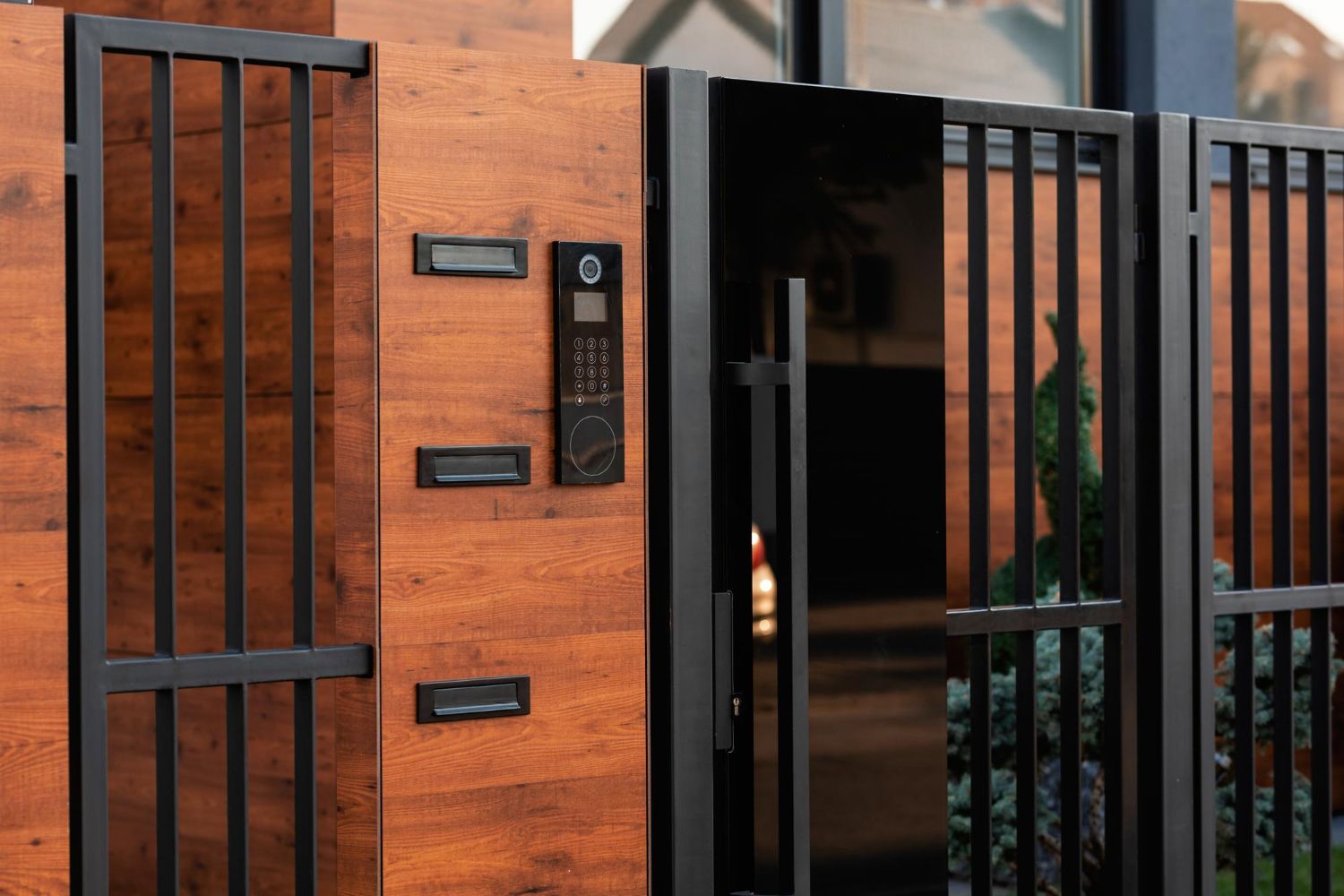
In addition to tactics involving delivery, social engineering is used in different types of scams that target the operational routine of the concierge desk. One of the most serious schemes is the fake service provider scam, where criminals disguise themselves as telephone, water, or gas technicians. They wear uniforms of well-known companies, carry fake ID badges, and claim urgent service orders at the concierge desk to repair leaks or faults in the stack, bypassing installed security mechanisms. Another danger involves fake health inspectors who request entry under the allegation of fighting endemics, carrying out scams on residents in their residential units.
The collective security of the condominium depends on an active stance and clear rules to neutralise these planned authority falsification scams. Concierges and security guards must maintain professional scepticism when faced with surprise approaches at the concierge desk, ensuring internal security. By maintaining control under rules, condominiums minimise gaps and avoid new embezzlement scams. Rigorous data verification at the concierge desk is essential to predict new scams and ensure everyone's security.
Concierge operational protocols to shield access control
The clear definition of triage standards and guidelines is the only technical way to avoid serious failures that expose the concierge desk to new intruders and dangers. The training of concierges and caretakers must standardise conduct, eliminating personal interpretations of friendly concierges who facilitate access at the concierge desk. When a protection guideline is ignored "out of politeness", space is opened for different types of scams and planned invasions. Collective security requires mechanical and rigorous processes.
To shield access control at the concierge desk and maintain integrity against sophisticated scams, the following operational protocols must be strictly applied:
Require the presentation of an official photo ID before registering and releasing visitors at the concierge desk;
Strictly prohibit the release of third-party access based exclusively on external phone calls not registered at the concierge desk;
Keep garage gates and pedestrian airlocks locked throughout the user identification process at the concierge desk;
Immediately alert the police in case of coercive approaches with fake judicial warrants to compromise security.
This rigour in triage keeps criminals away, who avoid condominiums that have strict active security rules. The vigilant performance of the team at the concierge desk discourages the application of new embezzlement scams. Reducing gaps through an efficient control and security system is the goal to neutralise operational scams. By shielding internal control flows at the concierge desk, building administration preserves families, raising the level of internal security and annulling new scams against condominium security.
Condominium owner awareness: educating residents against gaps and scams
No building security rule resists the interference of uninformed residents who try to speed up processes at the concierge desk. Condominium owner awareness is vital, as inadequate authorisations create gaps that favour the execution of silent scams. Many condominium owners demonstrate impatience when they have to go down to the concierge desk to collect delivery packages or when they witness relatives waiting for proper identification at the building's entrance. This conduct disarms concierges and exposes families to the danger of residential scams. Educating residents on the importance of building security systems requires meetings, circulars, and clear standards.
To engage condominium residents in preventing scams and maintaining active security at the concierge desk, adopt the proposed actions:
Promote internal simulations of scam attempts and practical guidelines for safe conduct at general condominium meetings;
Distribute illustrated information leaflets detailing the mechanics of the main scams that occur at Brazilian concierge desks;
Institute clear penalties in the internal regulations for residents who bypass gates or who facilitate risky access at the concierge desk;
Explain in detail the technical functioning of the physical barriers and airlocks operated at the concierge desk to demonstrate the necessity of waiting times.
When residents understand that triage at the concierge desk is the condominium's shield, preventive security acts in harmony against sophisticated scams. Awareness reduces the vulnerability of the concierge desk, minimising the incidence of new scams that could compromise collective integrity. Compliance with security rules protects the collective against new social engineering scams, ensuring that the concierge desk and security teams maintain absolute control of condominium access.
NewSun Partner: optimising building resources to invest in cutting-edge security

Investing in advanced monitoring technologies, biometric access control, airlocks, and continuous training of concierge teams requires financial resources from the condominium. Often, professional building managers under strong pressure from residents postpone these essential electrical and physical security improvements due to a lack of cash, creating functional vulnerabilities and risks for new scams. To resolve this budget bottleneck and free up capital for common building security, the NewSun Energy Group developed the NewSun Partner programme.
This innovative commissioned partnership allows building managers and administrators to act in a unified way with the country's energy transition, being able to create an additional recurring revenue. By referring condominiums in their portfolio to our clean energy subscription, the condominium reduces its common area energy expenses without initial investment, and the partner starts receiving a monthly recurring cashback of up to 5% on the contract. This recurring revenue obtained and the savings in the condominium's consumption free up extra funds to invest in cutting-edge technologies, allowing the concierge desk to be shielded against invasions and extinguishing the occurrence of new criminal scams in the building. The funds collected on a recurring basis prevent new property scams, as they allow the concierge team to have cutting-edge software and state-of-the-art security systems. Combatting building scams is facilitated with the use of structural innovations, reducing the vulnerability of the concierge desk and bringing financial stability to the condominium. Thus, the building cash flow remains stable against new economic scams, keeping security barriers active and allowing the concierge desk to act impenetrably with the support of adequate property security.
Take advantage of this opportunity to transform your condominium's cash flow into a source of investment to shield the building! Learn more about NewSun Partner.
Ensuring data protection and privacy in building access control
With the enactment of the General Data Protection Law (LGPD) in Brazil, the storage and management of information collected at the concierge desk of condominiums have gained contours of high civil and legal responsibility. The collection of data such as CPF, ID, facial biometrics, and vehicle licence plates for internal security purposes must be performed under standards of governance, confidentiality, and privacy. Leaving guest books exposed at the concierge desk or using vulnerable software without encryption are serious failures that expose resident information, feeding criminals in the formulation of new targeted scams. Data security is, therefore, an integral part of the condominium's physical security. Failing to protect the concierge desk's information banks exposes the building to an enormous vulnerability, facilitating new embezzlement scams in the neighbourhood. To neutralise these information leakage scams and shield the general security of families who frequent the concierge desk, adopt the following technological control guidelines:
To shield data protection at the concierge desk and neutralise embezzlement scams that threaten building security, follow the recommended steps:
Replace manual spreadsheets and physical triage notebooks with encrypted digital access control platforms at the concierge desk;
Train concierges to never verbalise visitors' personal data during quick pedestrian and driver service at the concierge desk;
Perform the secure disposal and shredding of all labels and invoices discarded in common areas of the concierge desk;
Require formal terms of legal compliance with the LGPD from all third-party access control providers.
Condominium security begins with the professional treatment of information collected from users. Preventing resident data leaks from serving as a tool for virtual scams or physical invasions by fake agents is the administration's duty. By maintaining control under privacy rules at the concierge desk, the condominium reduces the chances of new social engineering scams directed at the building concierge desk.
Building a legacy of security and social peace in communities
The consolidation of a condominium that is truly protected and resilient against external threats requires a permanent effort that integrates technology, processes, and community education of residents. The building manager, acting as the true leader of their community, must view building protection as a continuous strategic investment aimed at preserving lives and valuing collective property. The implementation of barriers, added to the rigorous compliance with processes at the concierge desk, prevents residential peace from being broken by the silent invasion of gangs that use different types of scams and social engineering. Access triage control requires discipline, preventing building routine from being interrupted by serious risks.
By training concierges, promoting technical clarification circulars, engaging condominium owners in the triage routine at the concierge desk, and modernising physical monitoring systems, the condominium annuls human and operational security gaps that facilitate crimes. Preventive and transparent vigilance against building scams neutralises functional risks, restoring collective order and ensuring that families enjoy well-being. This is the management legacy of visionary condominium leaders, who promote the economic development of condominiums by integrating sustainability, technology, and active security at the concierge desk in a unified way. Avoiding inefficiency resulting in opportunistic scams is the manager's duty, shielding the concierge desk and maintaining collective security against new building embezzlement scams. Cooperation from everyone with security rules ensures the long-term stability of modern condominiums. Order is established when concierges and residents unite to combat the incidence of new property scams, transforming the concierge desk into an unshakeable shield, promoting collective stability, so that the concierge desk and security systems maintain everyone's security under clear rules of coexistence.
You may also like
- Dicas para Síndicos e PMES
 13/10/2026
 5m
5m - Dicas para Síndicos e PMES09/10/20265m
- Dicas para Síndicos e PMES08/10/20265m



Stop paying more for your energy bill
Find out in less than 1 minute how much you could save with clean energy every month — no works and no bureaucracy.
Join the energy revolution
Subscribe to our newsletter and receive exclusive content